
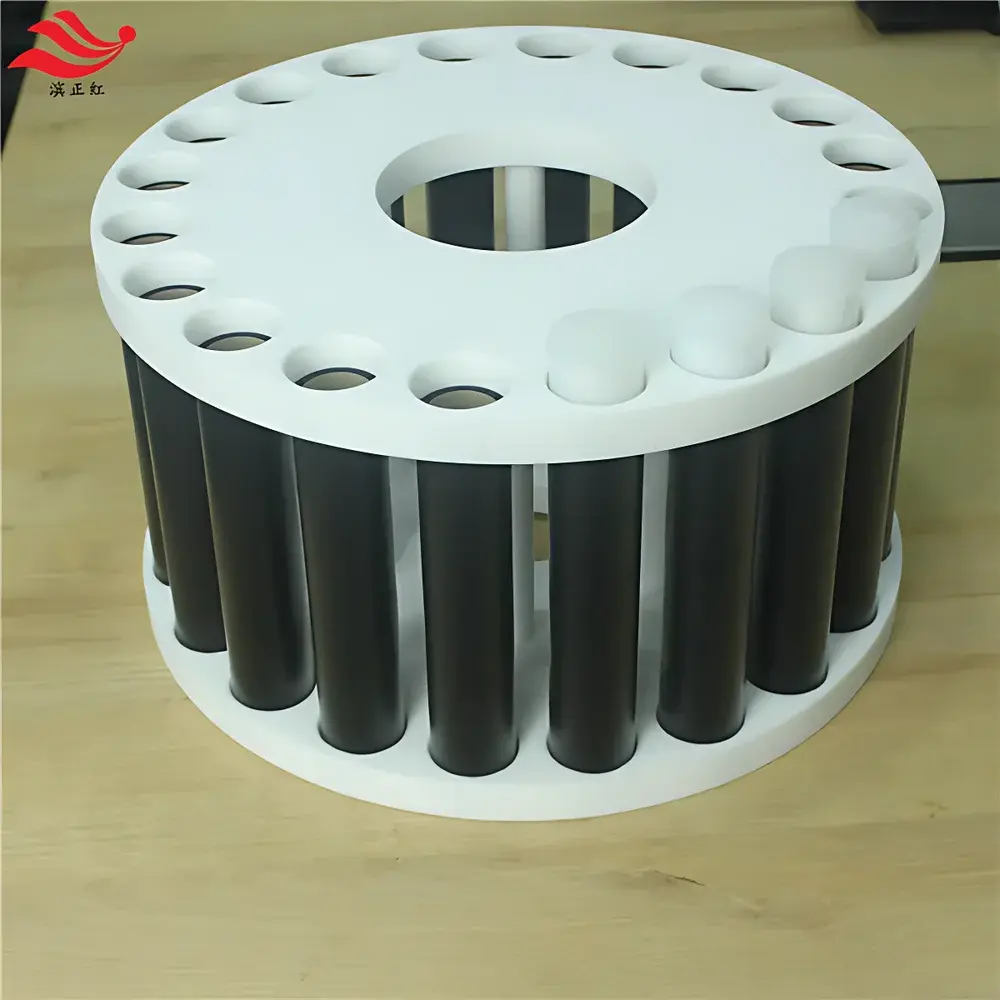
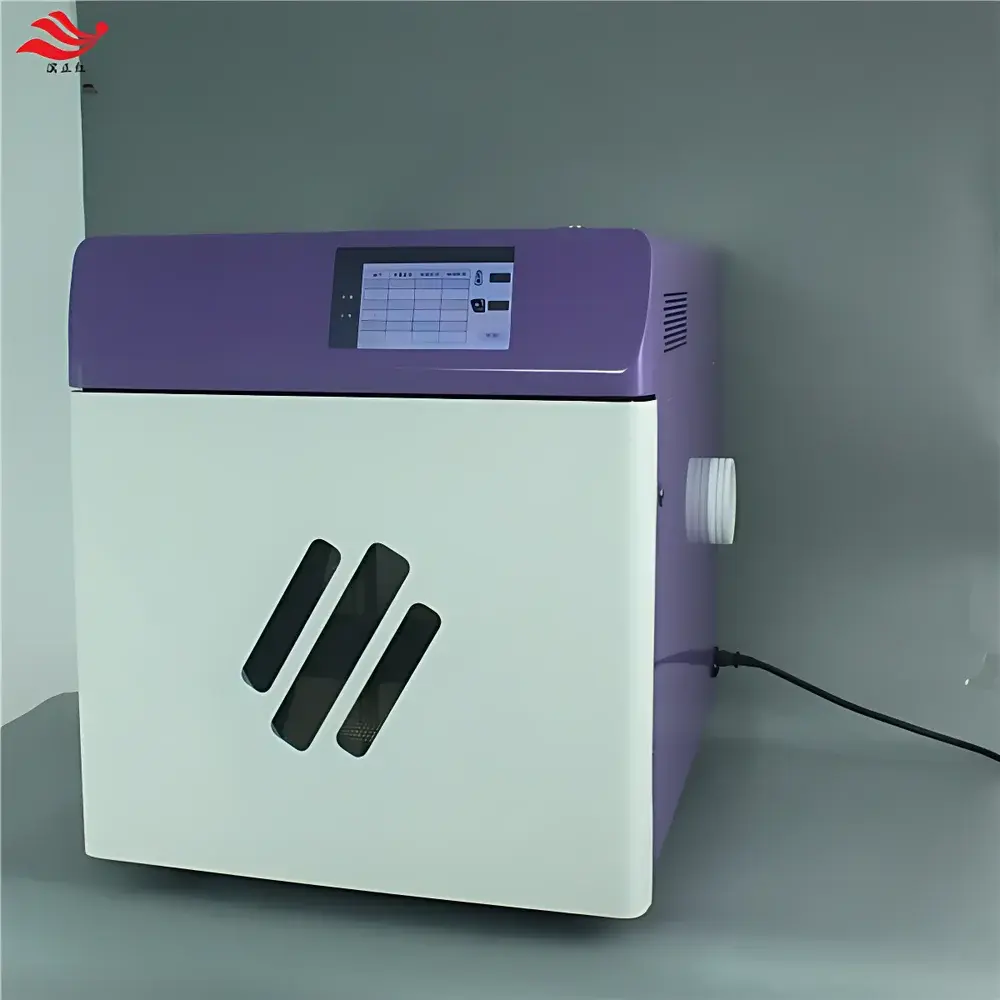
Binzhenghong NJ-MD High-Throughput Microwave Digestion System (24/40-Position)
| Brand | Binzhenghong |
|---|---|
| Origin | Jiangsu, China |
| Manufacturer Type | Direct Manufacturer |
| Origin Category | Domestic |
| Model | NJ-MD |
| Quotation | USD 18,200 (approx.) |
| Cavity Class | Industrial-Grade |
| Sample Capacity | 24 or 40 vessels |
| Microwave Frequency | 2450 MHz |
| Max Temperature | 300 °C |
| Max Pressure | 1500 psi (10.3 MPa) |
| Microwave Output | 0–1600 W, non-pulsed, dual-magnetron, high-frequency closed-loop control |
| Cavity Volume | 56 L |
| Turntable Rotation | 360° continuous, 10 rpm |
| Vessel Volume | 56 mL |
| Inner Vessel Material | TFM (high-purity PTFE derivative) |
| Outer Vessel Material | PEEK |
| Cavity Coating | 6-layer PFA (perfluoroalkoxy) |
| Cooling Airflow | 5 m³/min corrosion-resistant centrifugal blower |
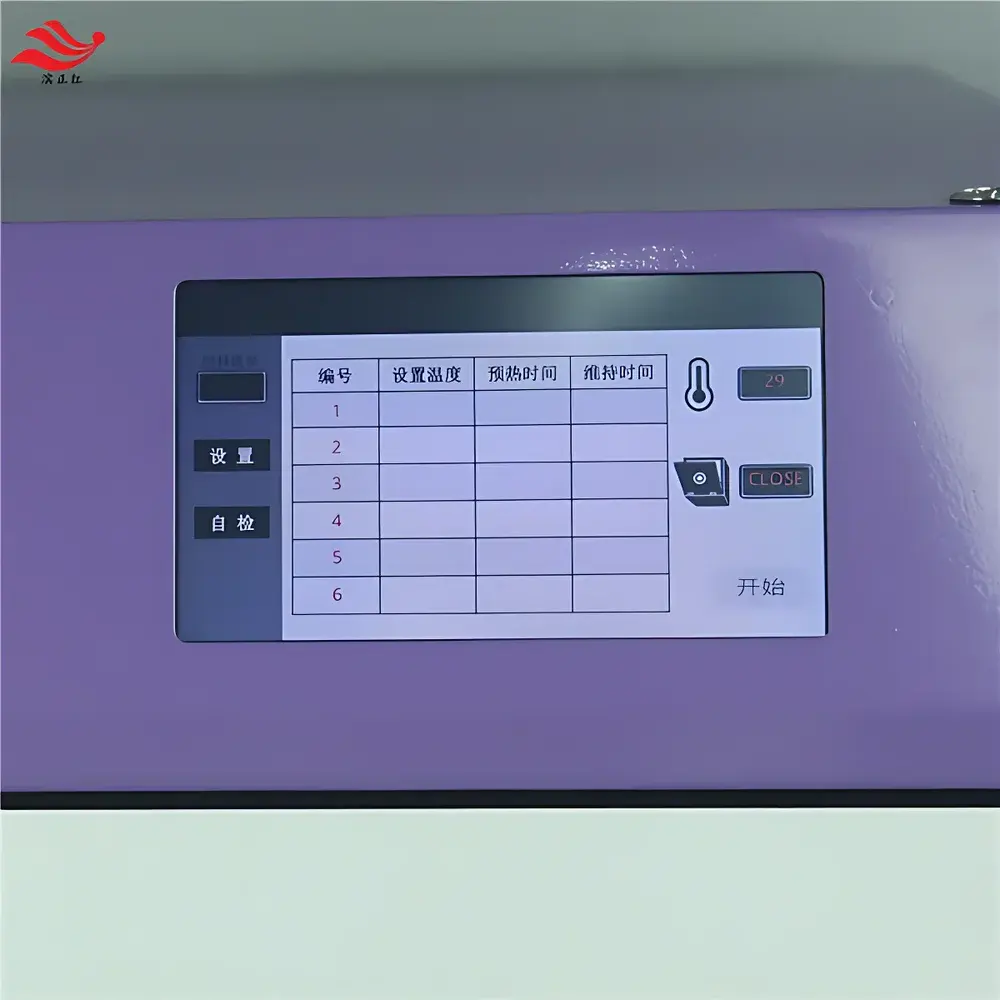
| Touchscreen | 7-inch color LCD with embedded method library |
| Temperature Monitoring | Non-contact mid-infrared, full-vessel real-time monitoring (0–300 °C, ±1 °C accuracy, ±1 °C stability) |
| Dimensions (W×D×H) | 520 × 640 × 590 mm |
| Weight | 61 kg |
Overview
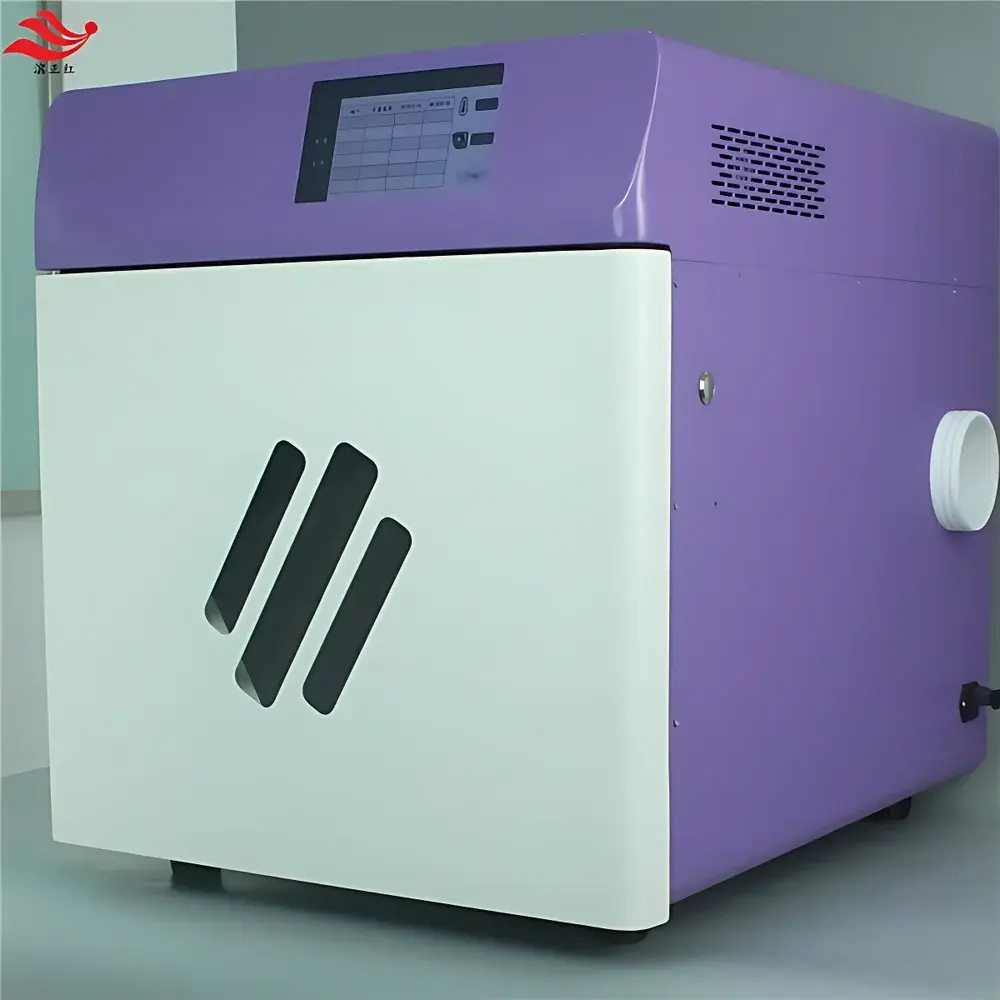
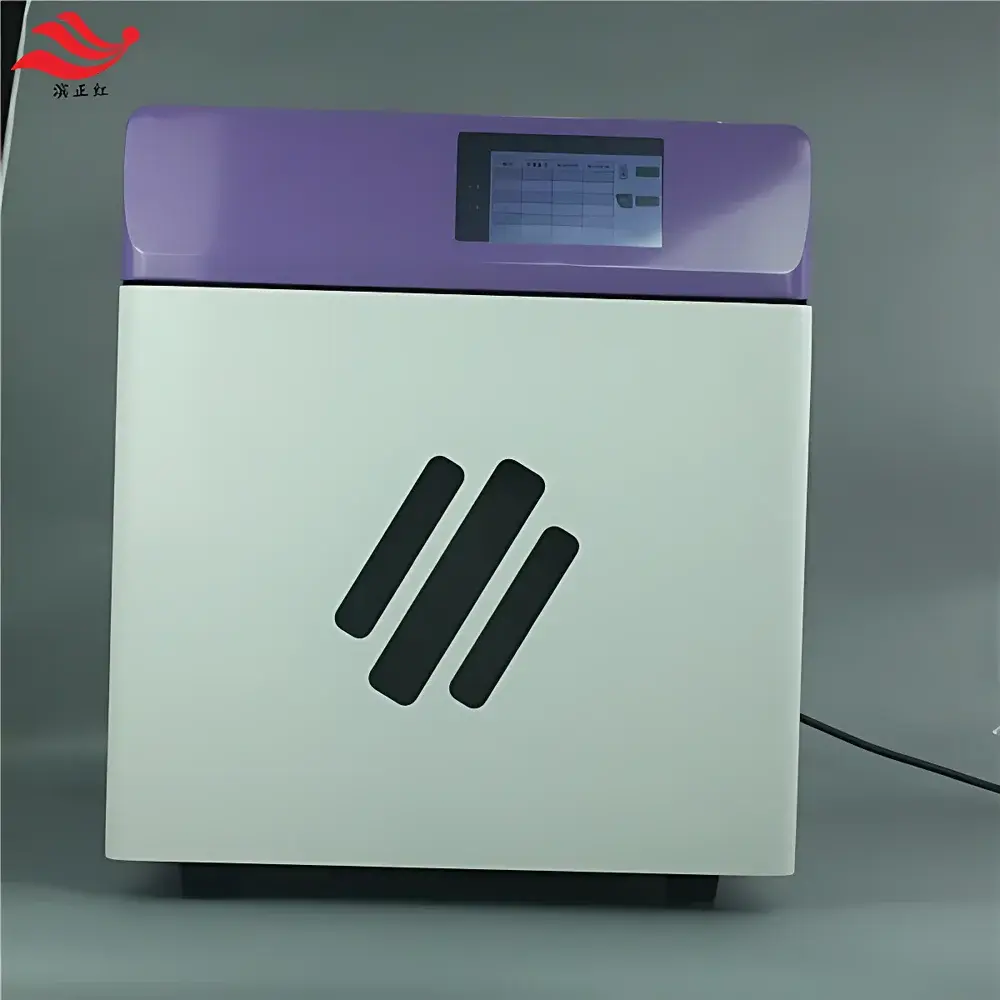
The Binzhenghong NJ-MD High-Throughput Microwave Digestion System is an industrial-grade, closed-vessel microwave-assisted sample preparation platform engineered for rapid, reproducible, and trace-element-preserving acid digestion of complex matrices. Operating at the standard ISM frequency of 2450 MHz, the system employs dual magnetrons in offset configuration to deliver non-pulsed, continuously adjustable microwave energy (0–1600 W) with high-frequency closed-loop power modulation. This architecture ensures uniform electromagnetic field distribution across the 56 L stainless-steel cavity—constructed from seamless 304 stainless steel and internally coated with six layers of chemically inert PFA—to minimize hot spots and maximize thermal homogeneity during rotationally driven digestion. The system adheres to fundamental principles of microwave dielectric heating: polar molecules (e.g., HNO₃, HCl, HF) absorb microwave energy directly, enabling rapid, volumetric heating under controlled pressure and temperature conditions. Unlike conductive heating methods, this approach significantly reduces digestion time (typically 15–30 min per batch), lowers reagent consumption by up to 50%, and mitigates losses of volatile analytes such as As, Hg, Se, and Sb—critical for compliance with EPA Method 3051A, 3052, ISO 11466, and ASTM D5511.
Key Features
- Industrial-strength 56 L resonant cavity with seamless 304 stainless-steel construction and six-layer PFA anti-corrosion coating for long-term resistance to aggressive acid vapors (HF, aqua regia, HClO₄)
- Self-locking safety door with multi-layer explosion-resistant shielding and integrated microwave leakage interlock (≤1 mW/cm² at 5 cm, compliant with IEC 61000-3-2 and GB 4706.21)
- Dual-magnetron microwave generation with top-down emission geometry and 360° rotating turntable (10 rpm) for consistent energy coupling across all vessels
- Full-vessel infrared temperature monitoring: non-contact mid-IR sensors track internal temperature of all 24 or 40 TFM vessels simultaneously (0–300 °C, ±1 °C accuracy), eliminating reliance on single-point external probes
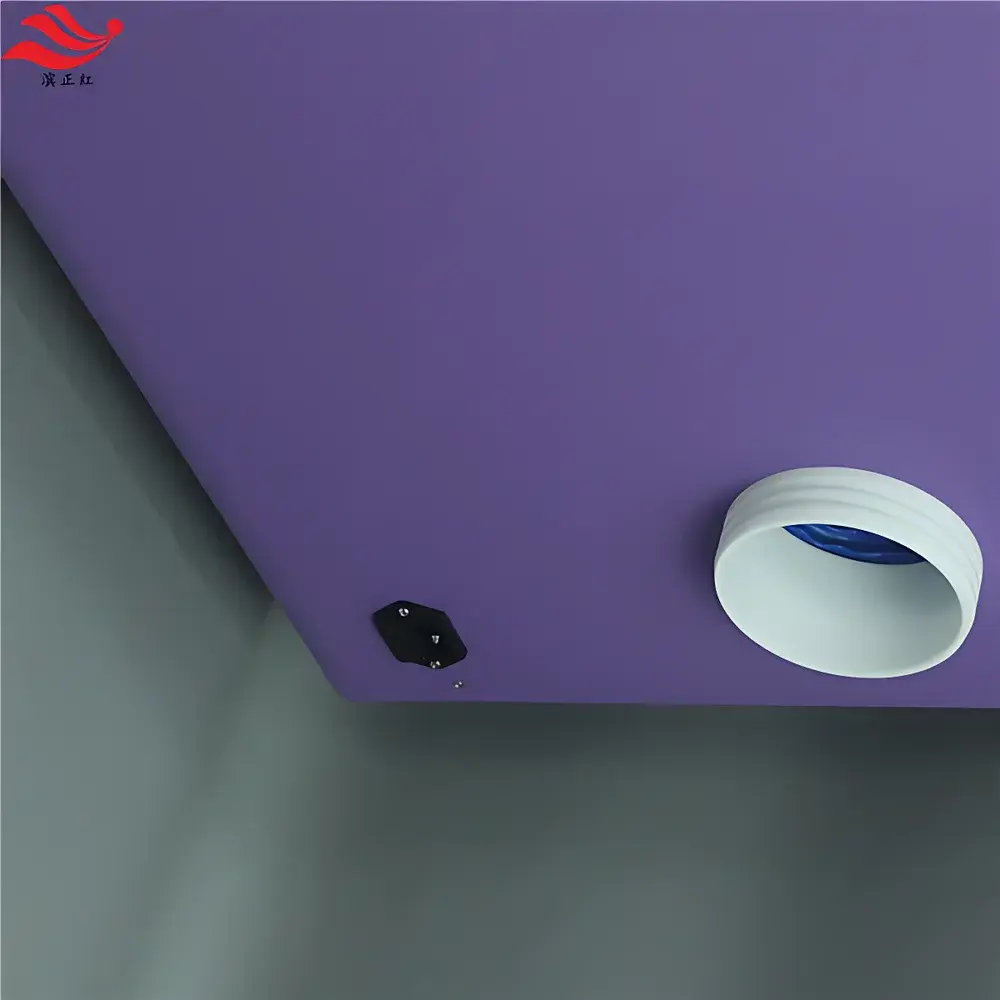
- Corrosion-resistant centrifugal exhaust system (5 m³/min airflow) with acid-gas scrubbing capability, maintaining low thermal load on electronics and extending service intervals
- 7-inch color touchscreen controller with GLP-compliant software architecture: user-defined method editing, audit-trail-enabled parameter logging, and password-protected access levels
- Emergency stop button with hardwired circuit interruption, independent of microprocessor control, ensuring immediate power cutoff under fault conditions
- Modular rotor compatibility: interchangeable 8-, 16-, 24-, and 40-position rotors—each accommodating standardized 56 mL TFM/PEEK vessels rated to 15 MPa (2200 psi) and 300 °C
Sample Compatibility & Compliance
The NJ-MD supports digestion of heterogeneous solid and semi-solid samples across environmental, food, clinical, and materials science laboratories. Validated applications include soil (EPA 3050B), sludge (ISO 17294-2), plant tissue (AOAC 999.10), seafood (FDA Elemental Analysis Manual), polymers (IEC 62321-5), and geological ores (ASTM D5682). All digestion vessels feature inner liners of ultra-pure TFM (low metal extractables < 10 pg/g) and reinforced outer sleeves of high-strength PEEK, meeting USP Class VI biocompatibility requirements. The system’s firmware records time-stamped temperature/pressure profiles for every run, supporting 21 CFR Part 11 readiness when paired with networked data archiving. Routine operation complies with ISO/IEC 17025:2017 clause 5.4.2 (equipment verification) and supports GMP/GLP documentation workflows through exportable CSV and PDF reports.
Software & Data Management
The embedded control software provides intuitive method development with up to 100 programmable digestion protocols, each configurable with ramp-hold segments, power limits, and safety cut-offs. Real-time graphs display temperature and pressure trajectories for all vessels; deviation alerts trigger automatic power reduction or hold pauses. Data are stored locally with timestamp, operator ID, method name, and final parameters. USB export enables integration into LIMS environments; optional Ethernet module supports remote monitoring and centralized audit-log aggregation. Software validation documentation—including IQ/OQ templates and traceability matrices—is available upon request for regulated labs.
Applications
- Environmental analysis: heavy metal quantification (Pb, Cd, Cr, Ni) in soils, sediments, and airborne particulates
- Food safety testing: As, Hg, and Sn speciation in infant formula, rice, and seafood per EU Commission Regulation (EU) No 2023/2040
- Clinical and forensic toxicology: tissue digestion prior to ICP-MS determination of trace elements
- Geochemical exploration: rare earth element (REE) recovery from silicate-rich rock powders
- Pharmaceutical excipient screening: residual catalyst (Pd, Pt) analysis in active pharmaceutical ingredients (APIs)
- Electronics recycling: Cu, Ag, Au, and Pb recovery assessment from printed circuit boards (PCBs)
FAQ
What safety certifications does the NJ-MD hold?
The system conforms to IEC 61000-3-2 (EMC), GB 4706.21 (microwave oven safety), and features CE-marked components. Full factory test reports—including microwave leakage, pressure vessel hydrostatic certification, and electrical safety—are provided with shipment.
Can the NJ-MD be integrated into automated sample prep workflows?
Yes—RS-232 and optional Ethernet interfaces support bidirectional communication with robotic autosamplers and LIMS platforms. Custom API scripting is available for OEM integration.
Is method transfer possible between different rotor configurations?
Absolutely. Power and time parameters scale predictably with vessel count due to the system’s real-time full-vessel temperature feedback; validated transfer protocols are included in the user manual.
What maintenance is required for long-term reliability?
Annual calibration of IR sensors and pressure transducers is recommended. The PFA cavity coating requires no servicing; exhaust filters should be replaced every 6 months under standard usage (20 batches/week).
Does the system support HF-based digestions?
Yes—the TFM/PEEK vessel system is fully compatible with hydrofluoric acid up to 40% concentration at temperatures ≤220 °C. Dedicated HF-safe cleaning protocols and PFA-coated tools are supplied.



