
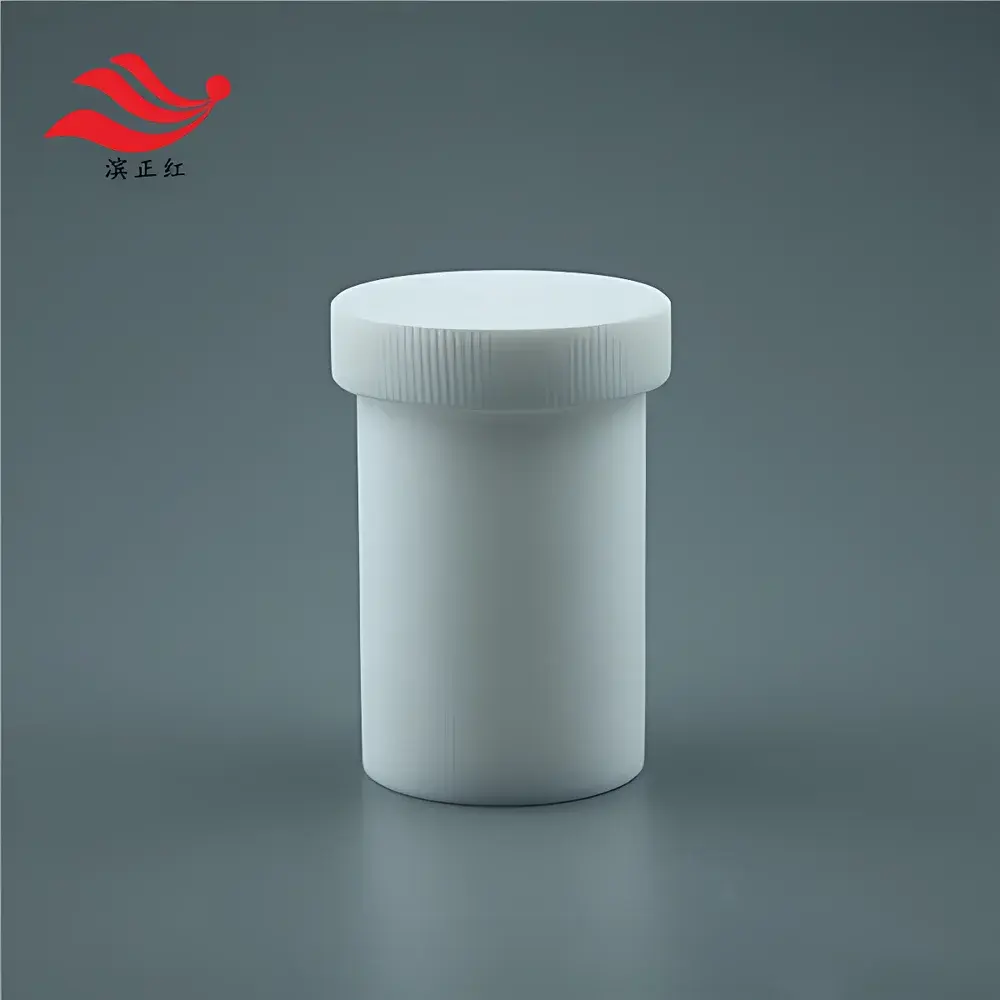
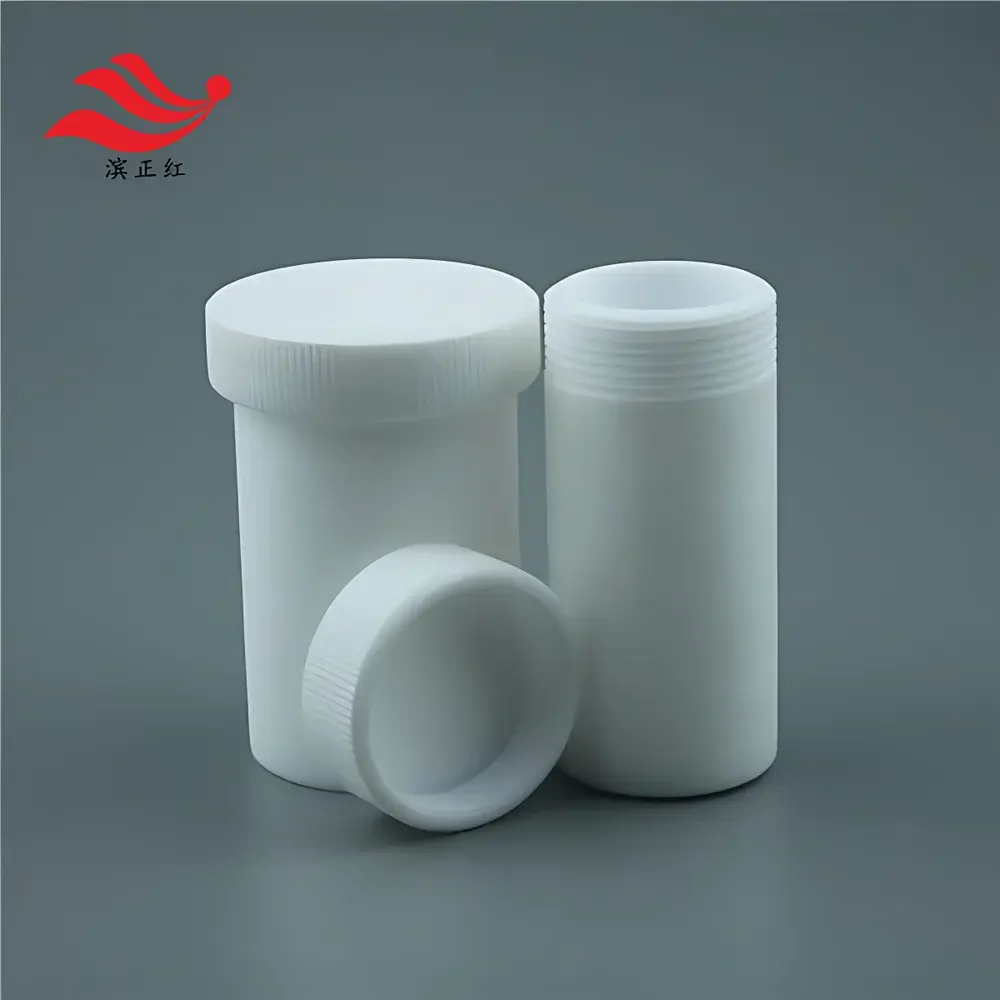
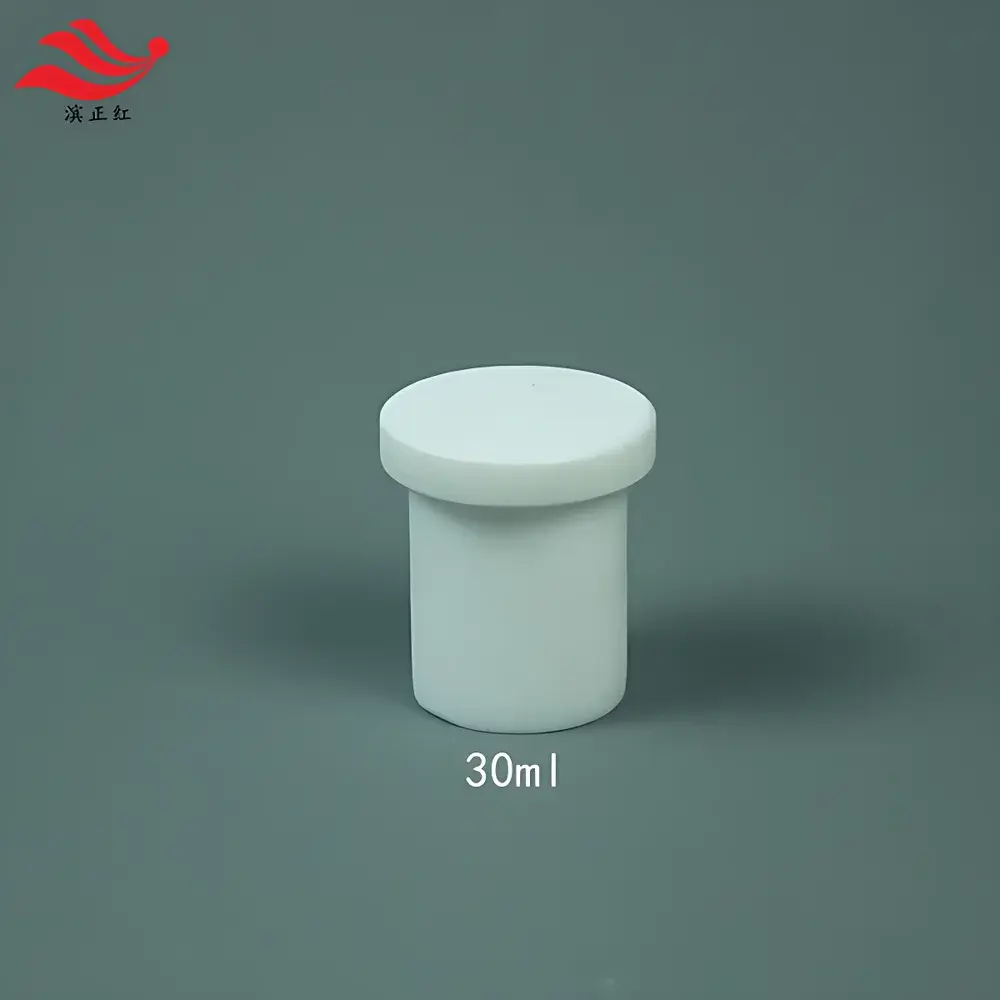
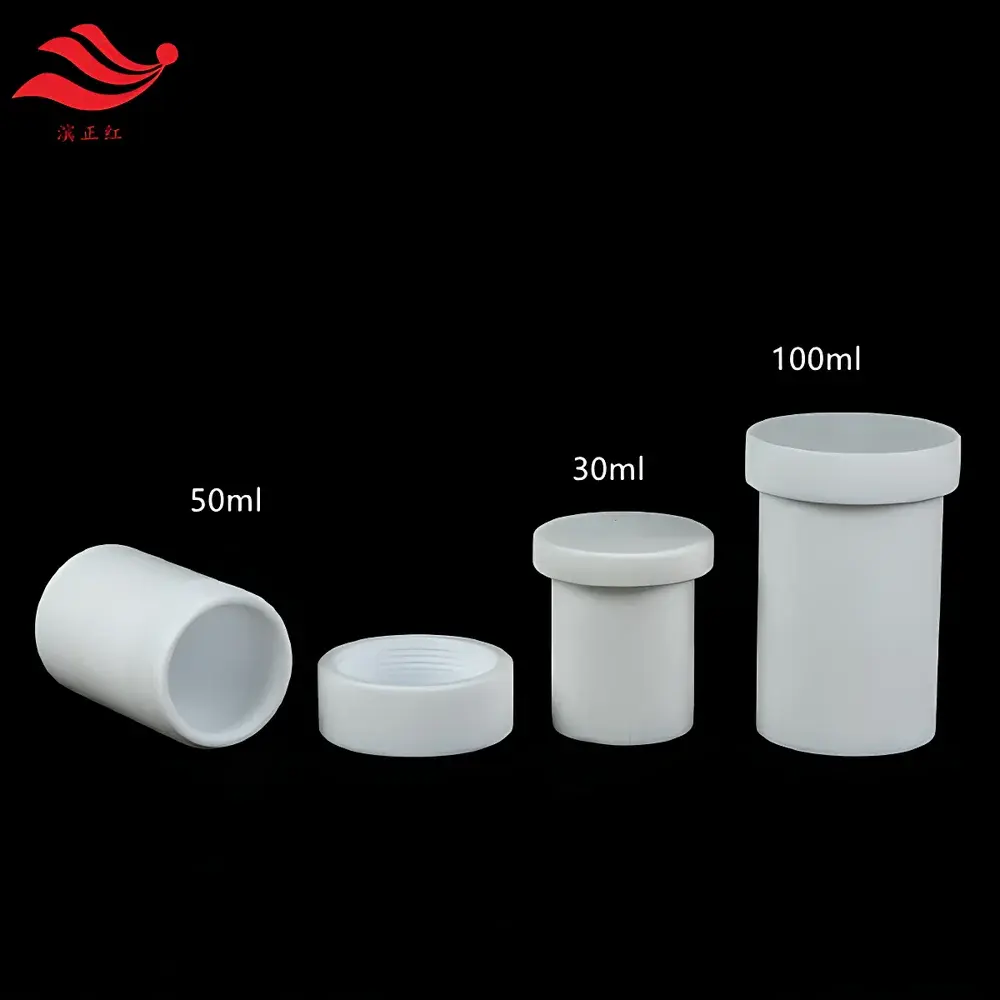
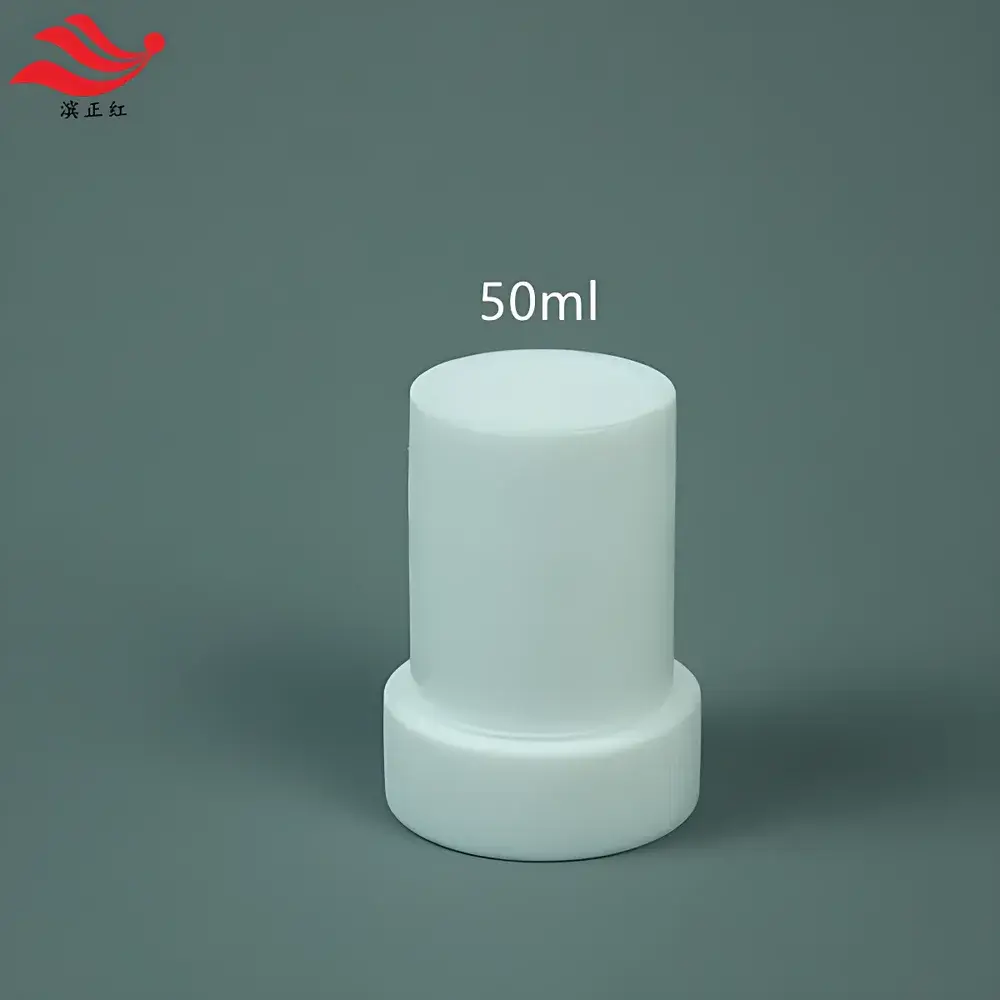
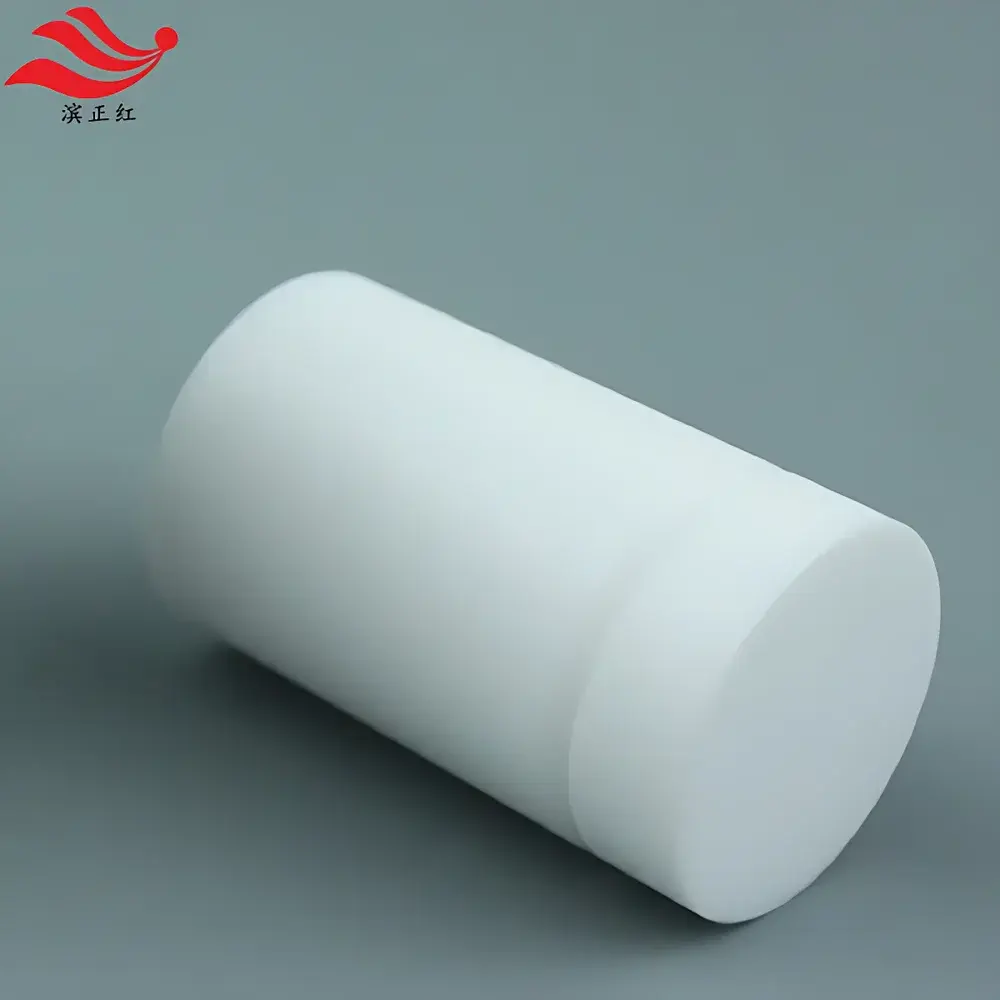
Binzhenghong PTFE Digestion Vessels – High-Purity, Chemically Inert Microwave & Hot Block Digestion Cups (30 mL / 50 mL / 100 mL)
| Brand | Binzhenghong |
|---|---|
| Origin | Jiangsu, China |
| Manufacturer Type | Direct Producer |
| Model Range | 30 mL / 50 mL / 100 mL |
| Temperature Range | −200 °C to +250 °C |
| Material | Virgin PTFE (Polytetrafluoroethylene) |
| Chemical Resistance | Resistant to aqua regia, concentrated HNO₃, HF, NaOH, organic solvents |
| Metal Blank Levels | Ultra-low trace metal background (sub-ppt level for Al, Fe, Cr, Ni, Cu, Zn, Pb) |
| Electrical Insulation | Volume resistivity >10¹⁸ Ω·cm, dielectric strength ≥60 kV/mm |
| Surface Energy | ~18–20 mN/m |
| Coefficient of Friction | Static ≈0.04, Dynamic ≈0.02 |
Overview
Binzhenghong PTFE Digestion Vessels are precision-engineered laboratory consumables designed for high-fidelity sample preparation in trace elemental analysis workflows. Constructed from virgin, non-recycled polytetrafluoroethylene (PTFE), these vessels operate on the principle of chemical inertness and thermal stability to enable complete digestion of complex matrices—including marine sediments, geological samples, biological tissues, and defense-grade alloys—without introducing contamination or analyte loss. Their seamless, non-porous structure eliminates surface adsorption and leaching, making them essential for applications demanding ultra-low detection limits in ICP-MS, ICP-OES, and GF-AAS analyses. The vessels comply with ISO/IEC 17025 requirements for method validation and are routinely used in laboratories accredited to CNAS, GLP, and military specification testing protocols (e.g., MIL-STD-810, GJB 150).
Key Features
- Ultra-high purity virgin PTFE material certified to ASTM D4894 and ISO 1043-4, with documented trace metal certification reports available per batch
- Continuous operational temperature range from −200 °C to +250 °C, enabling compatibility with cryogenic storage, hot-block digestion, and microwave-assisted reaction systems (up to 30 bar internal pressure when capped)
- Chemical resistance validated against ASTM D543: no weight loss or dimensional change after 72 h immersion in boiling aqua regia, 48% hydrofluoric acid, or 50% sodium hydroxide
- Trace metal blank values consistently below 10 pg/mL for key elements (Al, Fe, Cr, Ni, Cu, Zn, Pb, Cd, As) as verified by ICP-MS under cleanroom-sourced reagent conditions
- Optimized geometry: wide-mouth design (≥22 mm opening for 50 mL variant) facilitates rapid sample loading, acid addition, and post-digestion residue retrieval; threaded closure ensures leak-tight sealing during pressurized heating
- Available in three standard volumetric configurations—30 mL (cylindrical, flat-bottom), 50 mL (conical-bottom with integrated cap), and 100 mL (round-bottom with PTFE-lined screw cap)—all featuring laser-etched volume graduations and lot-number traceability
Sample Compatibility & Compliance
These digestion vessels are validated for use with a broad spectrum of sample types: seawater particulates, deep-sea nodules, nuclear fuel cladding swabs, propellant residues, printed circuit board leachates, and phytoplankton biomass. They meet the material compatibility criteria outlined in EPA Method 3050B, USP , and ISO 15587-1 for acidic microwave digestion. Each production lot undergoes Fourier-transform infrared (FTIR) spectroscopy verification to confirm absence of copolymer contaminants (e.g., PFA or FEP), and certificates of conformance include full spectral overlays and elemental blank data. Vessels are autoclavable (121 °C, 20 min, 15 psi) without deformation or outgassing.
Software & Data Management
While inherently hardware-based consumables, Binzhenghong PTFE vessels integrate seamlessly into LIMS-driven workflows through serialized lot tracking. Each package includes a QR-coded certificate of analysis (CoA) linking to a secure web portal containing FTIR spectra, ICP-MS blank chromatograms, dimensional inspection reports (±0.1 mm tolerance), and ISO 17025-accredited calibration records. The CoA supports 21 CFR Part 11-compliant electronic signatures and audit trails when imported into laboratory information management systems such as LabWare LIMS or Thermo Fisher SampleManager.
Applications
- Marine geochemistry: digestion of carbonate-rich sediments and manganese nodules prior to Sr/Nd isotopic ratio measurement
- Defense metallurgy: trace analysis of rare earth impurities in titanium-aluminum alloys per MIL-T-9047
- Nuclear forensics: dissolution of uranium oxide particles recovered from swipe samples (IAEA Technical Report Series No. 432)
- Environmental monitoring: EPA 6020B-compliant digestion of PFAS-adsorbed soils and biosolids
- Pharmaceutical excipient testing: heavy metal screening of microcrystalline cellulose and lactose per USP
FAQ
Can these PTFE vessels be reused after cleaning?
Yes—provided they are rinsed sequentially with 18.2 MΩ·cm deionized water, 5% v/v nitric acid, and acetone, then baked at 120 °C for 2 h. Reuse is limited to ≤5 cycles for sub-ppt work; single-use is recommended for regulatory submissions.
Are custom geometries (e.g., conical-bottom with vented cap) available?
Yes—Binzhenghong offers OEM design support including tapered necks, integrated septa ports, and graduated markings per ASTM E542. Lead time: 4–6 weeks.
Do these vessels comply with RoHS and REACH?
Yes—certified to EU Directive 2011/65/EU (RoHS 2) and Regulation (EC) No. 1907/2006 (REACH), with SVHC screening for all 233 candidate substances.
What is the maximum microwave power rating?
Rated for continuous operation up to 1,200 W in closed-vessel rotor systems (e.g., CEM MARS 6); pressure limit: 80 bar at 250 °C.
Is third-party validation data available?
Yes—application notes co-published with national metrology institutes (NIM, China) and interlaboratory comparison reports (ILC) under CCQM-K136 are accessible upon NDA.



