
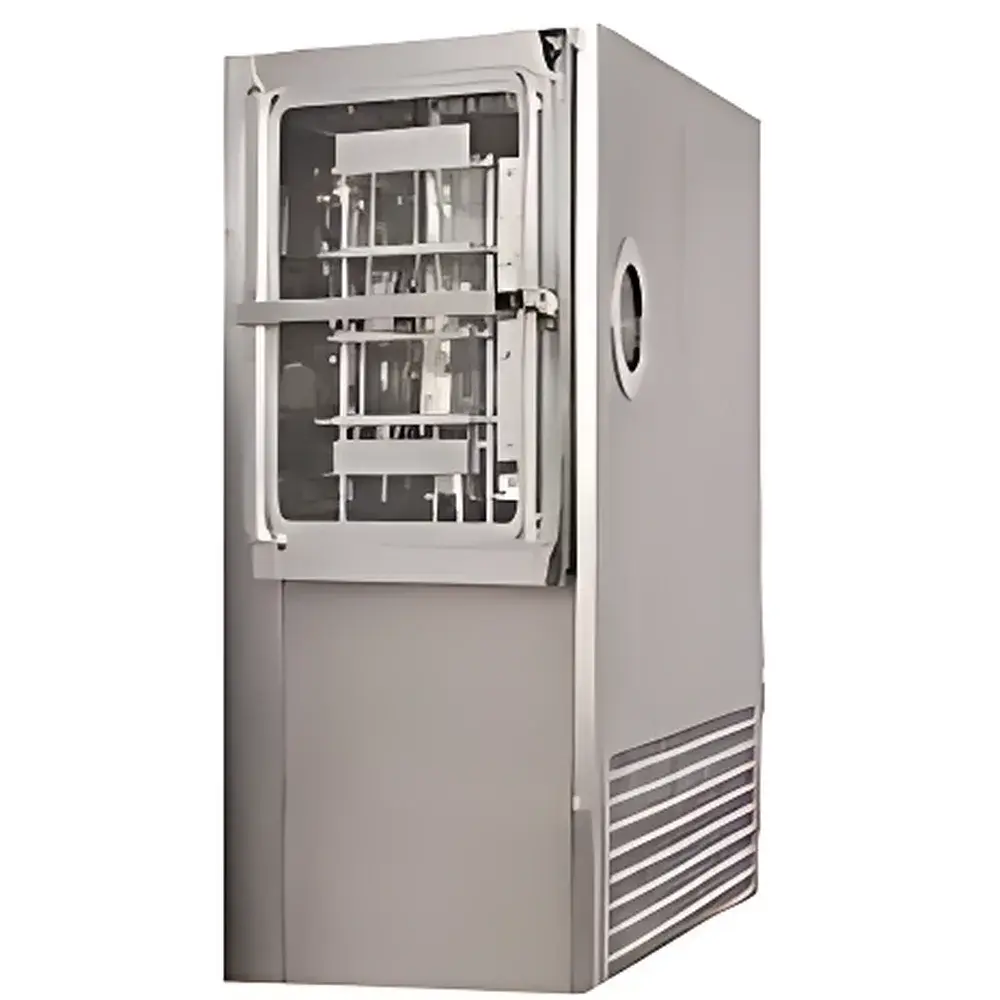
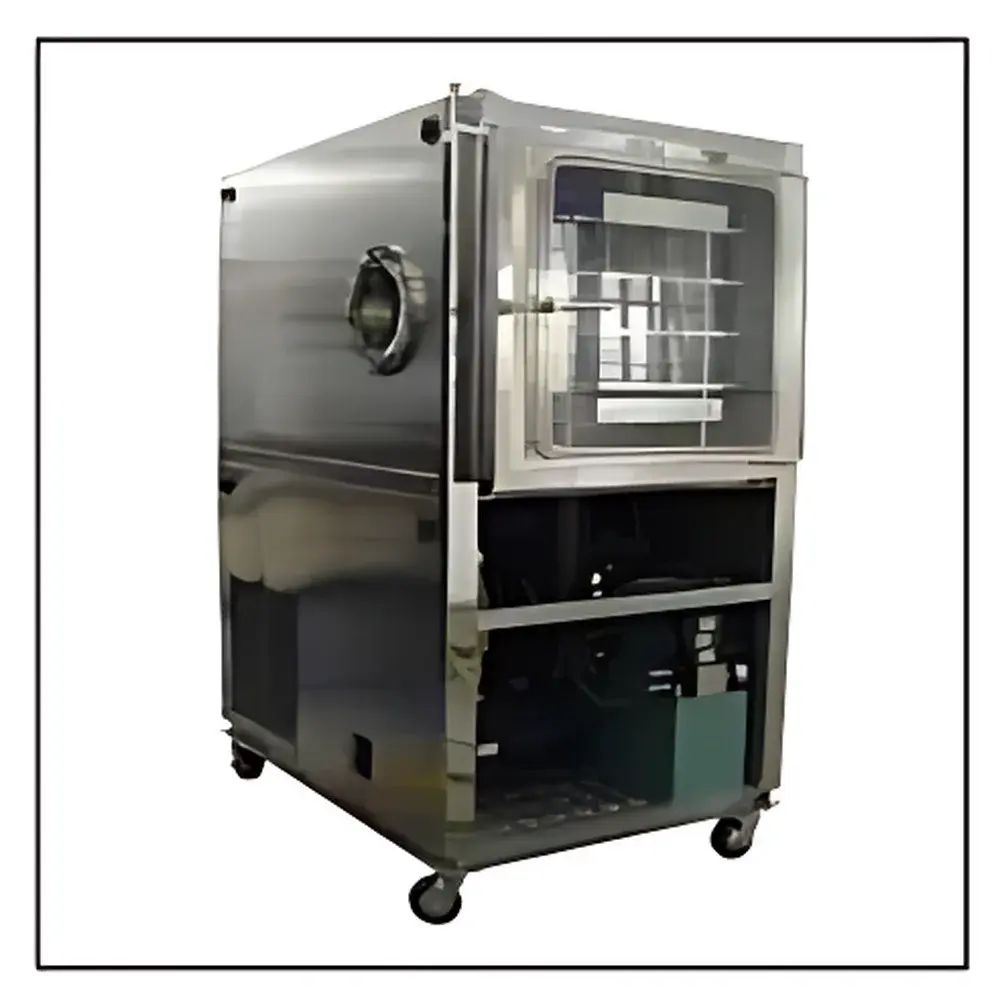
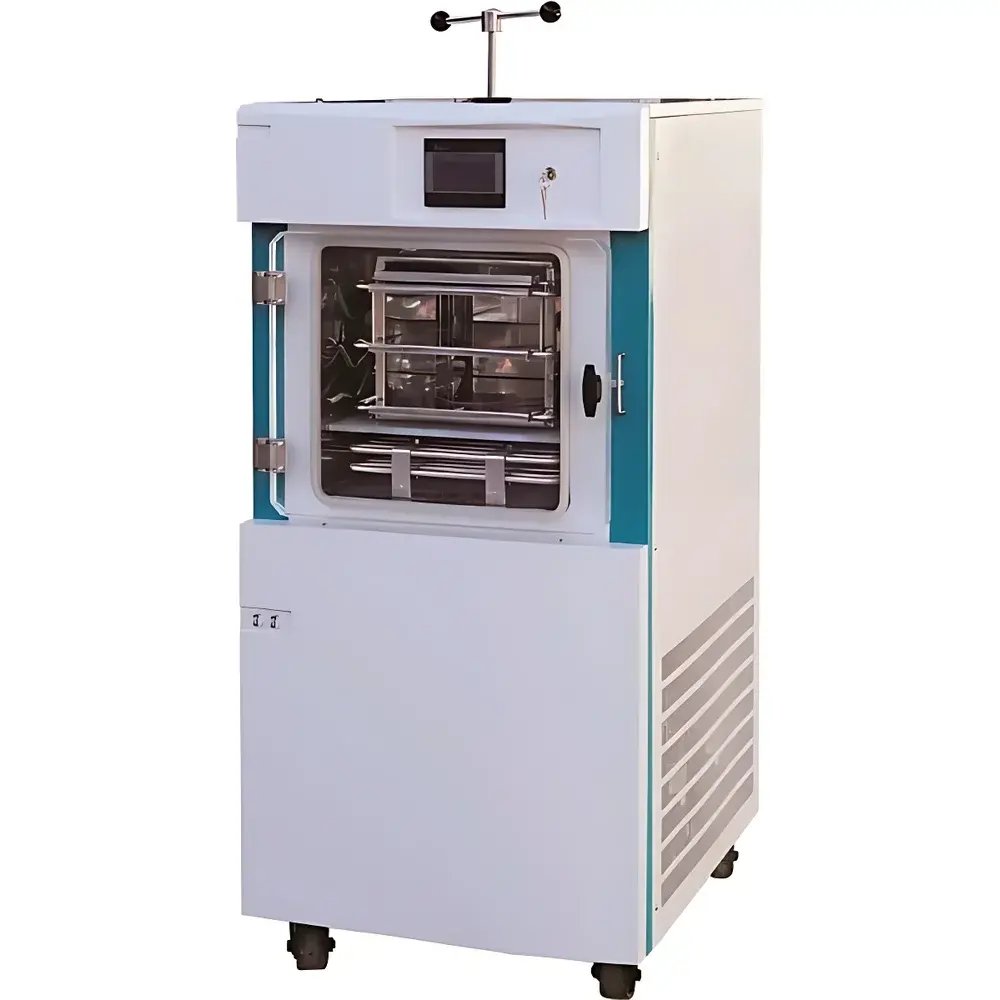
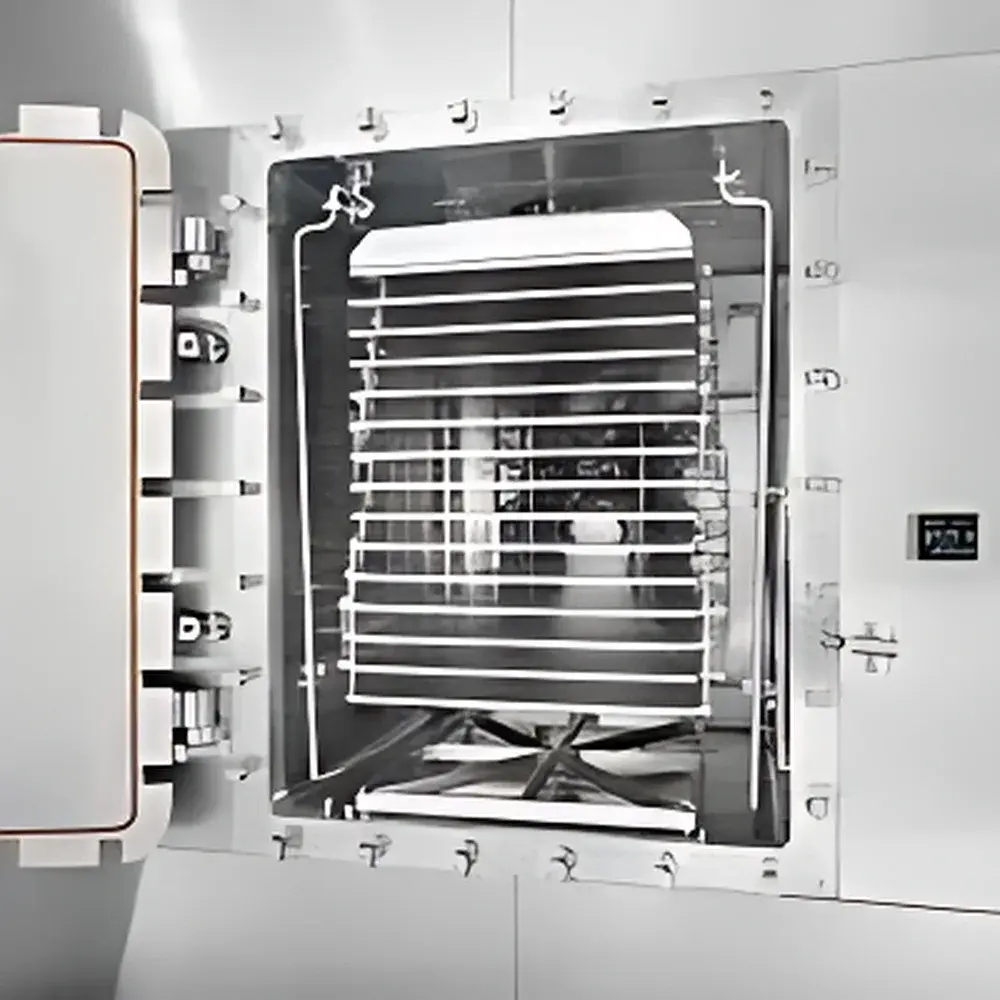
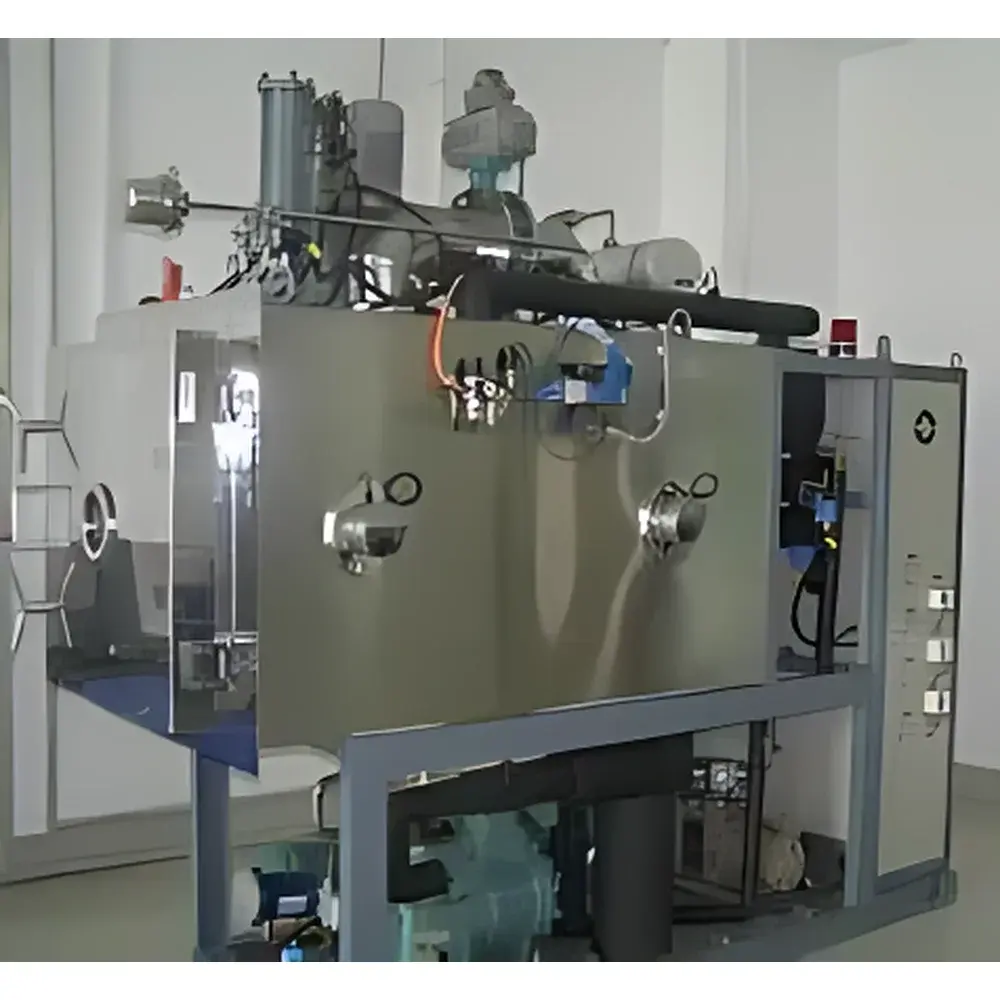
BIOCOOL Pilot3-6T Pilot-Scale Freeze Dryer
| Brand | BIOCOOL |
|---|---|
| Origin | Beijing, China |
| Model | Pilot3-6T |
| Type | Shelf-Type Freeze Dryer |
| Application | Pilot-Scale Processing |
| Freeze-Drying Area | 0.3 m² |
| Ultimate Vacuum | ≤ 3 Pa |
| Condensate Capacity (24 h) | 6 kg/24 h |
| Cold Trap Temperature (Empty Load) | ≤ −80 °C |
| Shelf Temperature Range (Empty Load) | ≤ −50 °C |
| Shelf Dimensions | 300 mm × 500 mm |
| Number of Shelves | 2 + 1 Radiant Shelf |
| Shelf Spacing | 100 mm |
| Installed Power | 3 kW |
| Air-Cooling Airflow | ≈ 6 m³/h |
| Overall Dimensions (W×D×H) | 780 × 1520 × 1800 mm |
| Weight | ≈ 450 kg |
| Noise Level | ≤ 70 dB(A) |
| Compliance | GMP, GB/T 5226.1–1996 |
Overview
The BIOCOOL Pilot3-6T is a pilot-scale, shelf-type freeze dryer engineered for reproducible, scalable lyophilization under controlled thermal and vacuum conditions. It operates on the fundamental principle of sublimation—removing water from frozen samples under deep vacuum while maintaining product integrity through precise shelf temperature regulation. Designed for transition from laboratory development to small-batch production, the system integrates a dual-circuit silicone oil heating/cooling system with an integrated cryogenic cold trap, enabling stable condensation of water vapor at ≤ −80 °C. Its 0.3 m² effective shelf area supports standardized pharmaceutical and biotech workflows—including vial-based formulations (≥900 × Ø22 mm serum vials per cycle) and bulk liquid processing (up to 6 kg per batch). The unit meets foundational mechanical safety and electrical control requirements per GB/T 5226.1–1996 and incorporates design elements aligned with Good Manufacturing Practice (GMP) infrastructure guidelines for equipment qualification.
Key Features
- Shelf architecture comprising two active temperature-controlled shelves plus one radiant shelf, each sized 300 mm × 500 mm with 100 mm spacing—optimized for uniform heat transfer and minimal thermal gradient across loads.
- Silicone oil circulation system delivering precise shelf temperature control from ≤ −50 °C (empty load) to +60 °C, supporting both freezing and primary/secondary drying phases with high thermal stability.
- High-efficiency cold trap operating at ≤ −80 °C (empty load), rated for 6 kg of ice condensation over 24 hours—suitable for moderate-moisture formulations and extended drying cycles.
- Ultimate vacuum performance of ≤ 3 Pa achieved via dual-stage rotary vane vacuum pump, compatible with optional vacuum gauge calibration and pressure ramping profiles.
- Air-cooled refrigeration system with ≈ 6 m³/h airflow, eliminating dependency on external chilled water supply and simplifying facility integration.
- GMP-aligned mechanical construction including stainless-steel contact surfaces (AISI 304), sealed electrical enclosures, and documentation-ready design for IQ/OQ execution.
Sample Compatibility & Compliance
The Pilot3-6T accommodates common lyophilization formats: standard glass vials (Ø22 mm), trays, and open containers up to 6 kg total mass per batch. Its shelf geometry and thermal uniformity support amorphous and crystalline formulations, including protein therapeutics, vaccines, diagnostic reagents, and sterile APIs. While not certified to ISO 13485 or FDA 21 CFR Part 11 out-of-the-box, the system’s architecture permits integration into validated environments. All electrical controls conform to GB/T 5226.1–1996 (equivalent to IEC 60204-1), and structural design follows general GMP equipment principles—e.g., sloped surfaces, non-porous materials, and accessibility for cleaning and inspection. Full factory acceptance testing (FAT) documentation, including temperature mapping reports and vacuum decay test records, is provided upon request.
Software & Data Management
The system operates via an embedded PLC-based controller with a 7-inch HMI touchscreen interface. It supports pre-programmed drying cycles with up to 32 steps, each configurable for shelf temperature, chamber pressure, and duration. Real-time data logging captures shelf temperature, condenser temperature, chamber pressure, and elapsed time at user-defined intervals (minimum 10 s). Exported CSV files are compatible with third-party analysis tools (e.g., MATLAB, Python pandas) for post-processing. Audit trail functionality is available as an optional firmware upgrade, enabling electronic record retention compliant with ALCOA+ principles. For full 21 CFR Part 11 compliance—including electronic signatures, role-based access, and immutable audit logs—integration with external SCADA or MES platforms is recommended.
Applications
- Process development and scale-up studies for lyophilized pharmaceuticals, particularly during Phase II–III clinical manufacturing.
- Stability batch production for regulatory submission (e.g., ICH Q5C, Q1A).
- Biologics formulation optimization—evaluating collapse temperature, residual moisture, and reconstitution time across varying annealing and drying parameters.
- Academic and contract research laboratories requiring GMP-adjacent operational rigor without full production-grade validation overhead.
- Diagnostic kit manufacturers producing lyophilized enzyme conjugates, antibodies, or PCR master mixes requiring consistent cake morphology and activity retention.
FAQ
What is the maximum batch size supported by the Pilot3-6T?
The system handles up to 6 kg of aqueous load per cycle, or ≥900 units of Ø22 mm serum vials, assuming standard fill volumes and freezing protocols.
Does the unit include validation documentation?
Standard delivery includes FAT reports, electrical schematics, and mechanical drawings. IQ/OQ protocol templates and on-site qualification support are available as optional services.
Is the cold trap equipped with a defrost function?
Yes—the system includes manual and timed auto-defrost modes with drain valve access for safe ice removal between batches.
Can the shelf temperature be independently controlled per shelf?
No—shelves operate in parallel mode with synchronized temperature setpoints; however, radiant shelf operation enhances thermal uniformity without direct fluid circulation.
What power supply requirements apply?
A dedicated 380 VAC ±10%, 3-phase, 50 Hz circuit with proper grounding is required. Installed power is 3 kW; typical operational consumption remains below 3 kWh per drying cycle under standard conditions.
Related Products



