
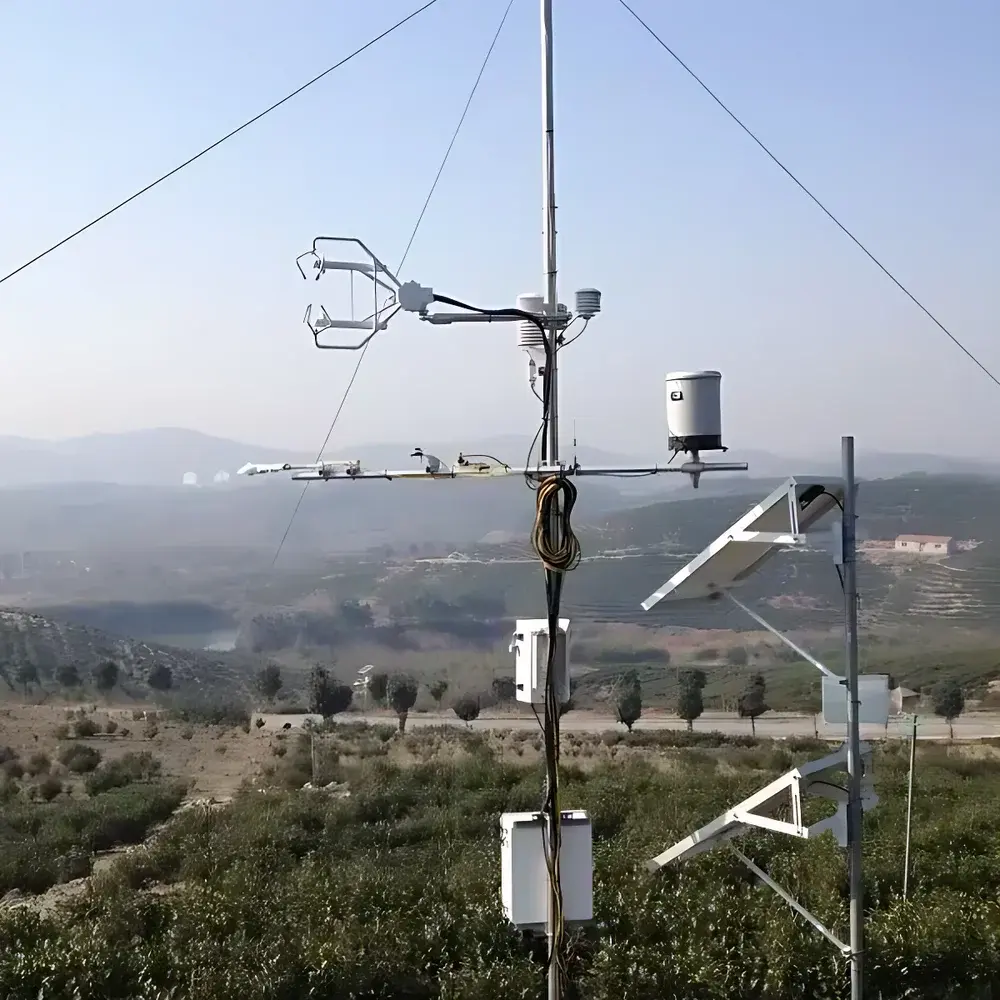
Campbell Scientific IRGASON Integrated Open-Path Eddy Covariance System
| Brand | Campbell Scientific |
|---|---|
| Model | IRGASON |
| Origin | USA |
| Type | Integrated Open-Path Eddy Covariance System |
| Operating Temperature | −30 to +50 °C |
| Operating Pressure | 70–106 kPa (expandable) |
| Supply Voltage | 10–16 VDC |
| Average Power Consumption | 5 W @ 25 °C |
| Measurement Frequency | 60 Hz |
| Output Bandwidth Options | 5, 10, 12.5, 20 Hz |
| Data Output Interfaces | SDM, RS-485, USB, Analog (CO₂/H₂O only) |
| Gas Path Length | 15.37 cm |
| CO₂ Accuracy | ±1% of reading |
| H₂O Accuracy | ±2% of reading |
| CO₂ Precision (RMS) | 0.2 mg/m³ (0.15 µmol/mol) |
| H₂O Precision (RMS) | 0.004 g/m³ (0.006 mmol/mol) |
| CO₂ Calibration Range | 0–1,000 µmol/mol (extendable to 3,000 µmol/mol) |
| H₂O Calibration Range | 0–72 mmol/mol (at 38 °C dew point) |
| CO₂ Temperature-Dependent Gain Drift | ±0.1% reading/°C |
| H₂O Temperature-Dependent Gain Drift | ±0.3% reading/°C |
| CO₂–H₂O Cross-Sensitivity | ±1.1×10⁻⁴ mol CO₂/mol H₂O |
| H₂O–CO₂ Cross-Sensitivity | ±0.1 mol H₂O/mol CO₂ |
| Ultrasonic Anemometer Path Lengths | Vertical 10.0 cm, Horizontal 5.8 cm |
| Wind Speed Range (uₓ/uᵧ) | ±65 m/s |
| Wind Speed Range (u_z) | ±8 m/s |
| Wind Direction Range | 2.5°–357.5° (0–360° customizable) |
| Ultrasonic Temperature Range | −50 to +60 °C |
| uₓ/uᵧ Offset Error | <±8.0 cm/s |
| u_z Offset Error | <±4.0 cm/s |
| Wind Direction Offset Error | ±0.7° |
| Gain Error (at ±5° tilt) | <±2% reading |
| uₓ/uᵧ Precision (RMS) | 1 mm/s |
| u_z Precision (RMS) | 0.5 mm/s |
| Wind Direction Precision (1 m/s wind) | 0.06° |
| Ultrasonic Temperature Precision | 0.0025 °C |
| Total Mass | 6 kg |
| Warranty | 3 years from factory shipment or 17,500 operational hours, whichever occurs first |
Overview
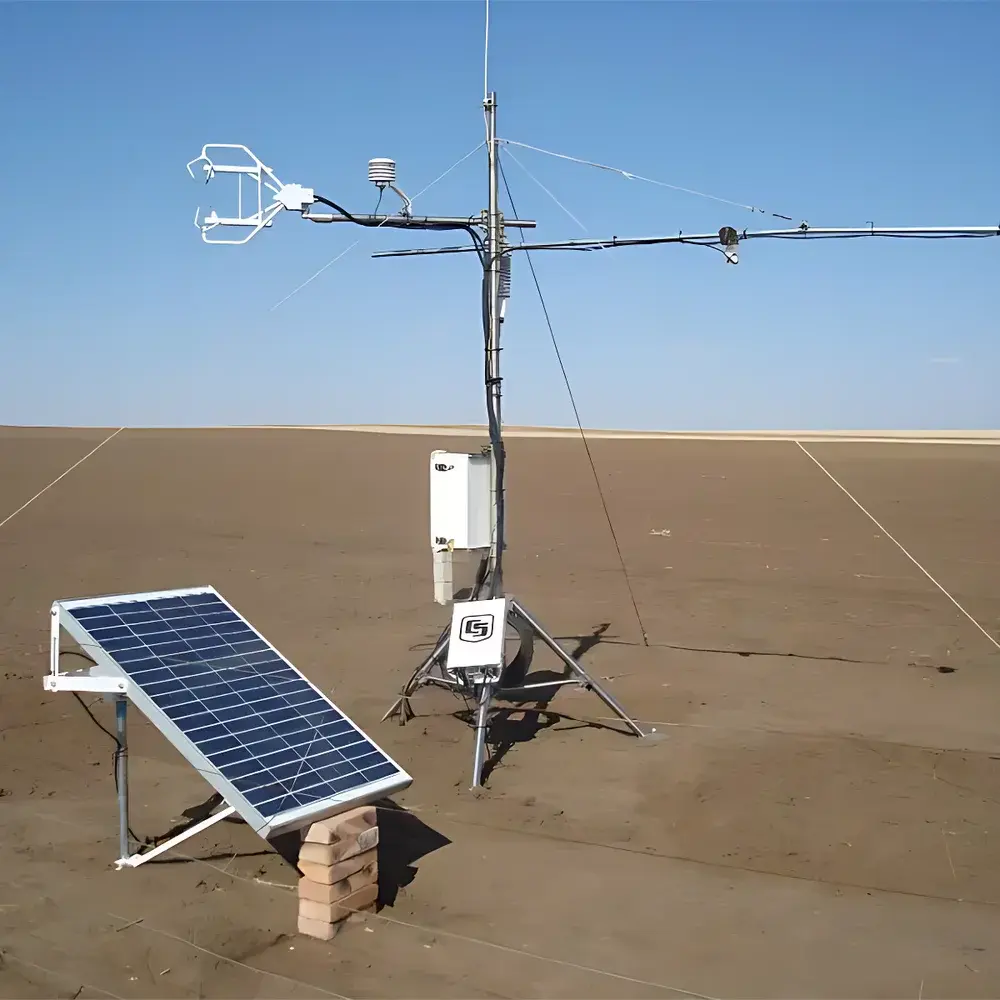
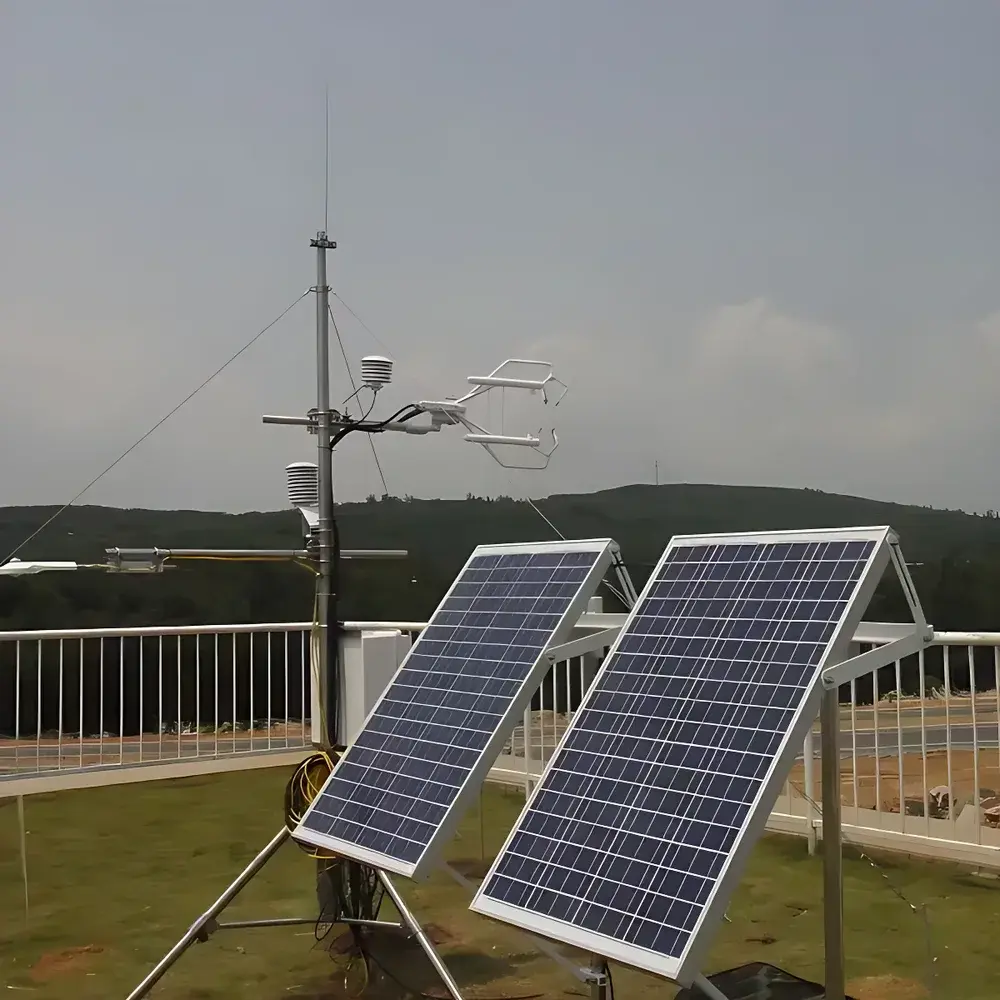
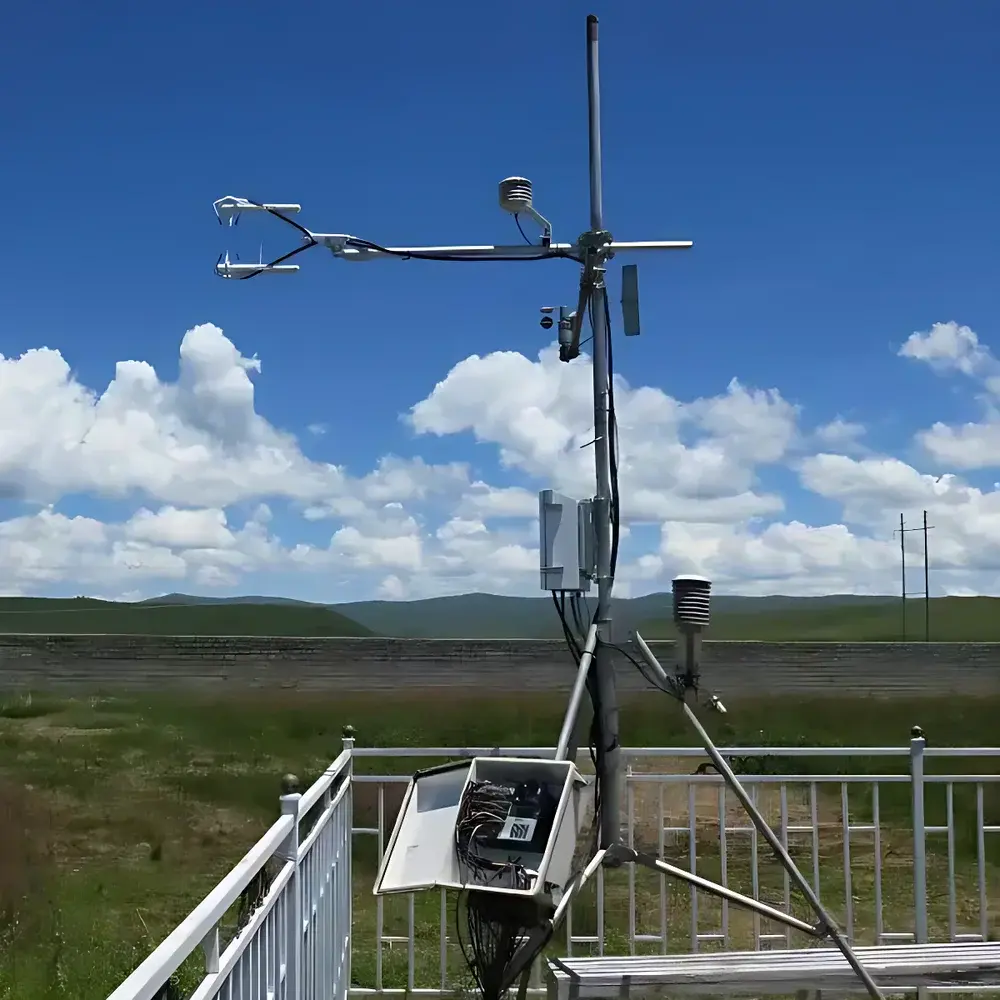
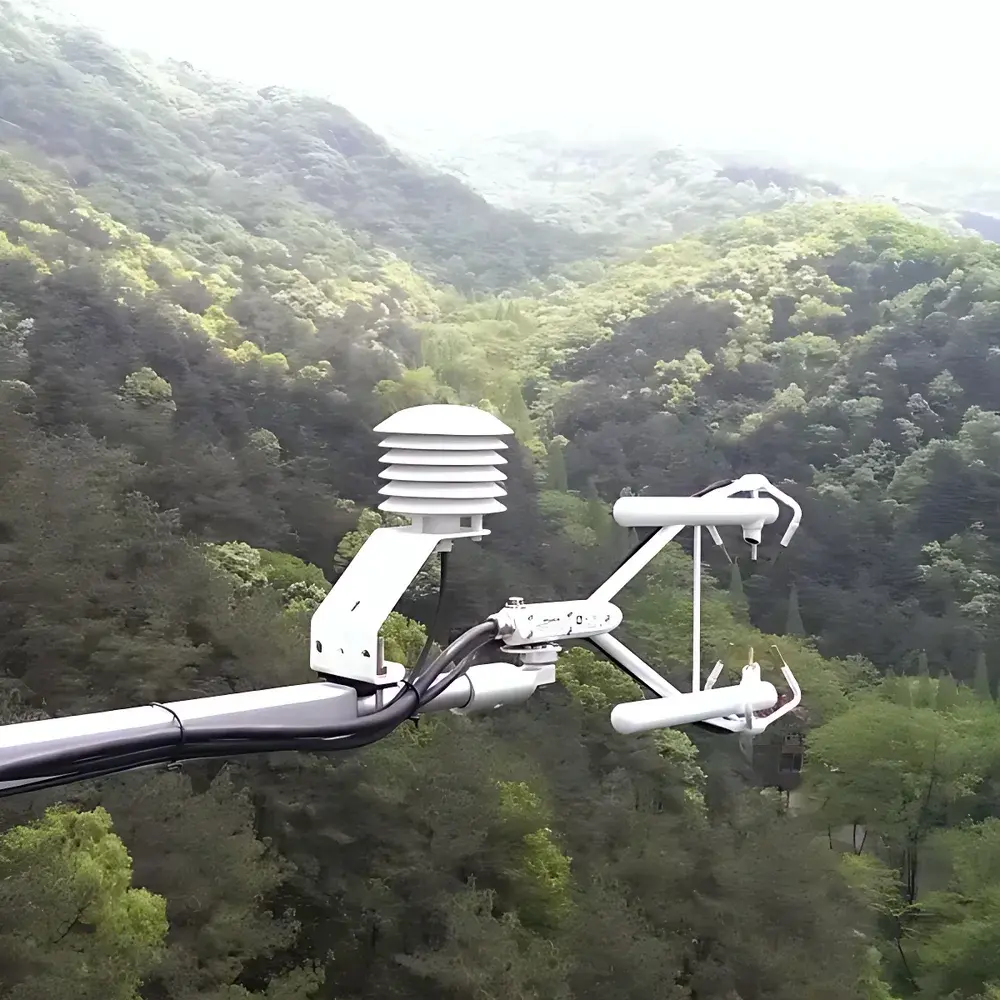
The Campbell Scientific IRGASON Integrated Open-Path Eddy Covariance System is an engineered solution for high-fidelity, long-term eddy covariance (EC) flux measurements of carbon dioxide (CO₂), water vapor (H₂O), sensible heat, and momentum exchange between terrestrial ecosystems and the atmosphere. Unlike traditional split-sensor EC configurations—where separate open-path infrared gas analyzers (IRGAs) and three-dimensional ultrasonic anemometers are mounted at distinct locations—the IRGASON co-locates both sensing modalities within a single, aerodynamically optimized housing. This integration eliminates spatial separation-induced phase lag and high-frequency attenuation in turbulent signal coupling, thereby preserving spectral integrity above 5 Hz and enabling robust flux computation under dynamic atmospheric conditions. The system operates on the principle of open-path infrared absorption spectroscopy (for CO₂ and H₂O) combined with time-of-flight ultrasonic anemometry (for orthogonal wind velocity components and sonic temperature), with all measurements temporally synchronized at up to 60 Hz sampling rate. Its design complies with the physical requirements outlined in the FluxNet Best Practices Handbook and supports adherence to ISO 17025-accredited measurement protocols when deployed with traceable calibration and documented uncertainty budgets.
Key Features
- Monolithic sensor architecture integrating CO₂/H₂O infrared gas analysis and 3D ultrasonic anemometry into one calibrated unit, minimizing flow distortion and inter-sensor misalignment.
- Co-spatial measurement volume ensures identical air parcels are interrogated by both gas and wind sensors—critical for maintaining coherence in high-wavenumber turbulence spectra.
- Shared digital signal processing core eliminates time-lag correction requirements between gas and wind data streams; no post-hoc synchronization or interpolation is needed.
- Corrosion-resistant stainless-steel and anodized aluminum construction rated for continuous field deployment in coastal, agricultural, and boreal environments.
- Self-diagnostic firmware provides real-time validation of optical path integrity, transducer health, signal-to-noise ratios, source temperature stability, and pressure/temperature compensation status.
- Low-power electronics (5 W typical @ 25 °C) compatible with solar-rechargeable battery systems; no active heater required—dynamic thermal compensation applied across the full operating range (−30 to +50 °C).
- Innovative acoustic rain mitigation: hydrophobic mesh over transducer faces combined with adaptive pulse shaping and echo rejection algorithms maintains wind vector accuracy during moderate precipitation events.
- Angled optical windows reduce water film formation and tolerate light particulate accumulation without significant signal degradation—reducing maintenance frequency in dusty or humid sites.
Sample Compatibility & Compliance
The IRGASON is designed for direct, unfiltered atmospheric sampling in natural and managed ecosystems—including forests, grasslands, croplands, wetlands, tundra, and urban–rural transition zones. It requires no inlet tubing, pumps, or drying systems, eliminating artifacts associated with sample conditioning. Its open-path configuration inherently avoids adsorption/desorption hysteresis common in closed-path systems, particularly relevant for H₂O fluxes under high humidity gradients. The instrument meets mechanical and environmental specifications aligned with IEC 60529 (IP65 equivalent ingress protection), and its calibration traceability follows NIST-traceable standards for CO₂ and H₂O mole fraction. While not certified per se to GLP or FDA 21 CFR Part 11, its deterministic output structure, audit-ready diagnostic logging, and compatibility with Campbell’s CR-series dataloggers—which support secure user authentication, electronic signatures, and immutable data archives—facilitate compliance with ISO/IEC 17025 quality management systems for environmental monitoring laboratories.
Software & Data Management
Data acquisition and configuration are fully supported via Campbell Scientific’s LoggerNet, PC400, and RTDAQ software suites. All operational parameters—including measurement frequency, output bandwidth, analog scaling, zero/span calibration coefficients, and diagnostic thresholds—are programmable directly through SDM or RS-485 interface without hardware disassembly. Firmware updates and diagnostic logs are retrievable over USB or Ethernet (when used with compatible communication peripherals). Raw time-series outputs include Ux, Uy, Uz, sonic temperature (Ts), CO₂ density (mg/m³), H₂O density (g/m³), ambient temperature (°C), barometric pressure (kPa), CO₂ and H₂O signal strengths, source temperature, and comprehensive anemometer diagnostics (e.g., path alignment metrics, SNR, cross-talk residuals). Post-processing workflows integrate seamlessly with EddyPro, TK3, and Python-based eddy covariance toolkits (e.g., PyFluxPro) that implement standard corrections per Aubinet et al. (2012) and the AmeriFlux Metadata and Data Processing Guidelines.
Applications
- Long-term net ecosystem exchange (NEE) monitoring in FLUXNET-tier observatories and national ecological research networks.
- Soil respiration partitioning studies using automated chamber–EC hybrid deployments.
- Validation of satellite-derived gross primary productivity (GPP) and evapotranspiration (ET) products across biome gradients.
- Urban carbon budget assessments where spatial footprint constraints necessitate compact, low-disturbance sensor footprints.
- Climate change impact studies involving drought, warming, or CO₂ enrichment manipulations (e.g., FACE experiments).
- Regulatory reporting under national greenhouse gas inventories (e.g., EPA GHGRP, UNFCCC Annex I reporting) where Tier 3 methodology is required.
- Process-level modeling of stomatal conductance, canopy resistance, and boundary layer dynamics in land surface models (LSMs).
FAQ
Is the IRGASON suitable for marine or highly saline environments?
Yes—the probe body and transducer housings use marine-grade stainless steel (316 SS) and corrosion-inhibited electronics, validated for multi-year deployment in coastal and estuarine sites.
Can it be used with non-Campbell data loggers?
While native protocol optimization is achieved with CR1000X, CR6, or CR300 series loggers, RS-485 and analog outputs enable integration with third-party systems supporting Modbus RTU or voltage/current input ranges.
What maintenance intervals are recommended for sustained accuracy?
Optical window cleaning every 3–6 months (depending on site dust load); annual verification of CO₂/H₂O calibration against certified span gases; biannual inspection of transducer mesh integrity.
Does the system provide built-in gap-filling or flux partitioning algorithms?
No—these are post-processing functions performed externally; the IRGASON delivers raw, high-resolution time series strictly compliant with eddy covariance data standards.
How is pressure and temperature compensation implemented?
Real-time, embedded compensation uses internal barometric and thermistor readings to correct CO₂ and H₂O densities per ideal gas law and HITRAN-based absorption line broadening models.
Related Products







