
CEL-HXF1000 High-Energy Xenon Arc Light Source
| Brand | CEA (China Education Goldsource) |
|---|---|
| Origin | Beijing, China |
| Manufacturer Type | OEM Manufacturer |
| Product Origin | Domestic (PRC) |
| Model | CEL-HXF1000 |
| Price | USD 16,500 (FOB Beijing) |
| Radiant Output | 249 W |
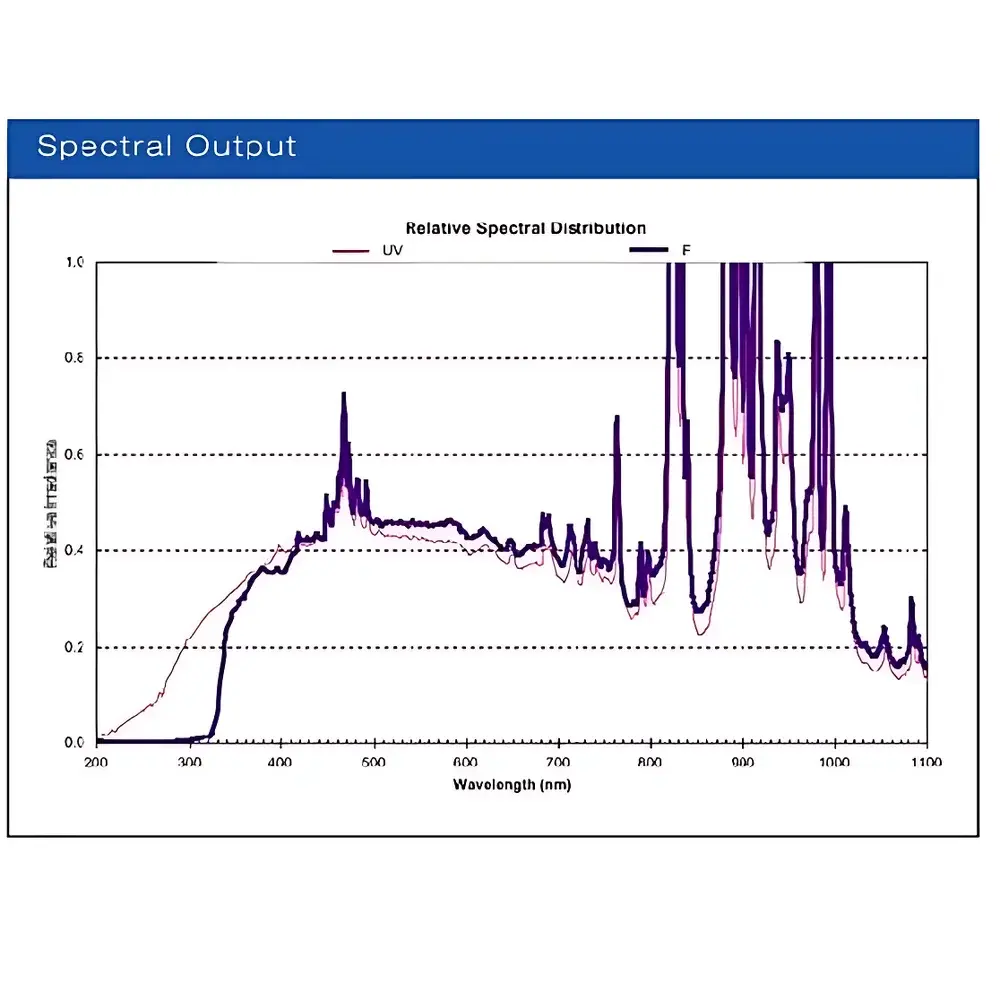
| Spectral Range | 320–2500 nm |
| Effective Illuminated Area | ≥Φ100 mm |
| UV Output (<390 nm) | 13 W |
| Visible Output (390–770 nm) | 24,000 lm |
| IR Output (>770 nm) | 137 W |
| Input Power | 1000 W (850–1050 W adjustable) |
| DC Operating Voltage | 19.5 V (18.5–22 V) |
| DC Operating Current | 51 A (46–54 A) |
| Lamp Window Diameter | 50.8 mm |
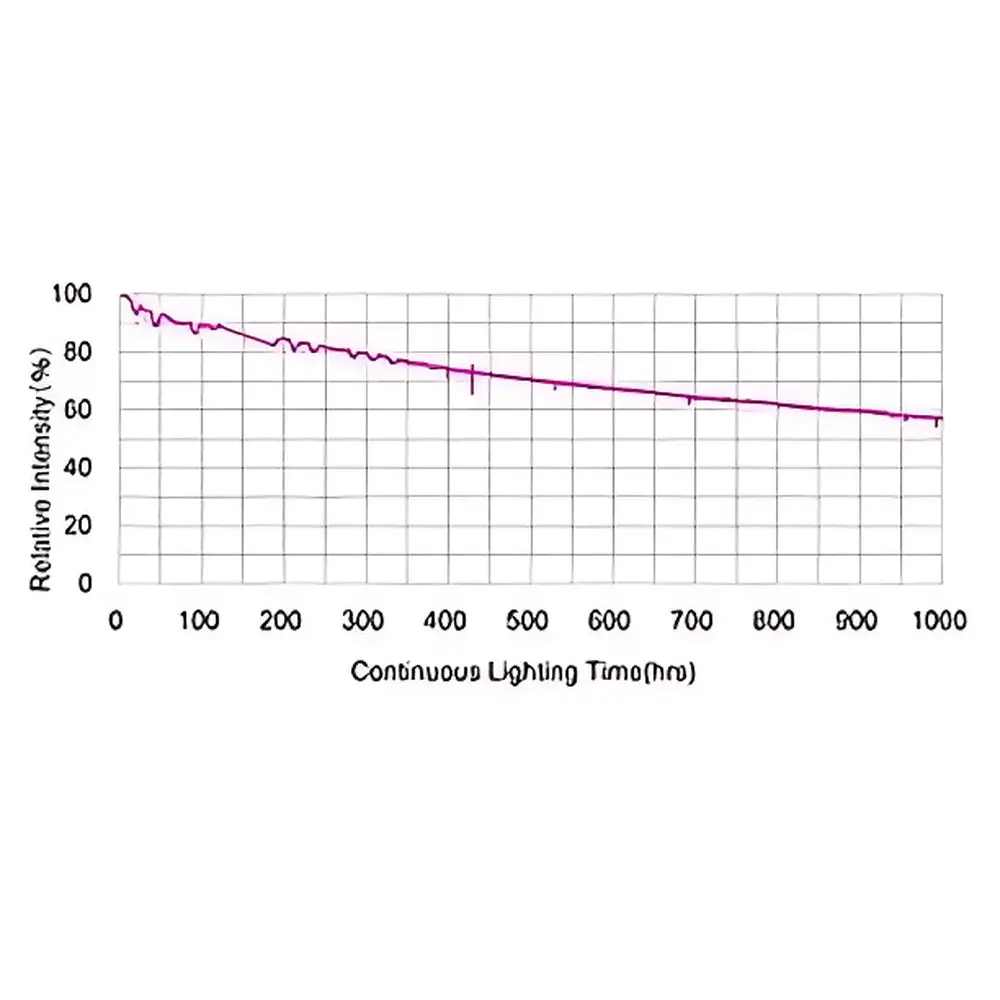
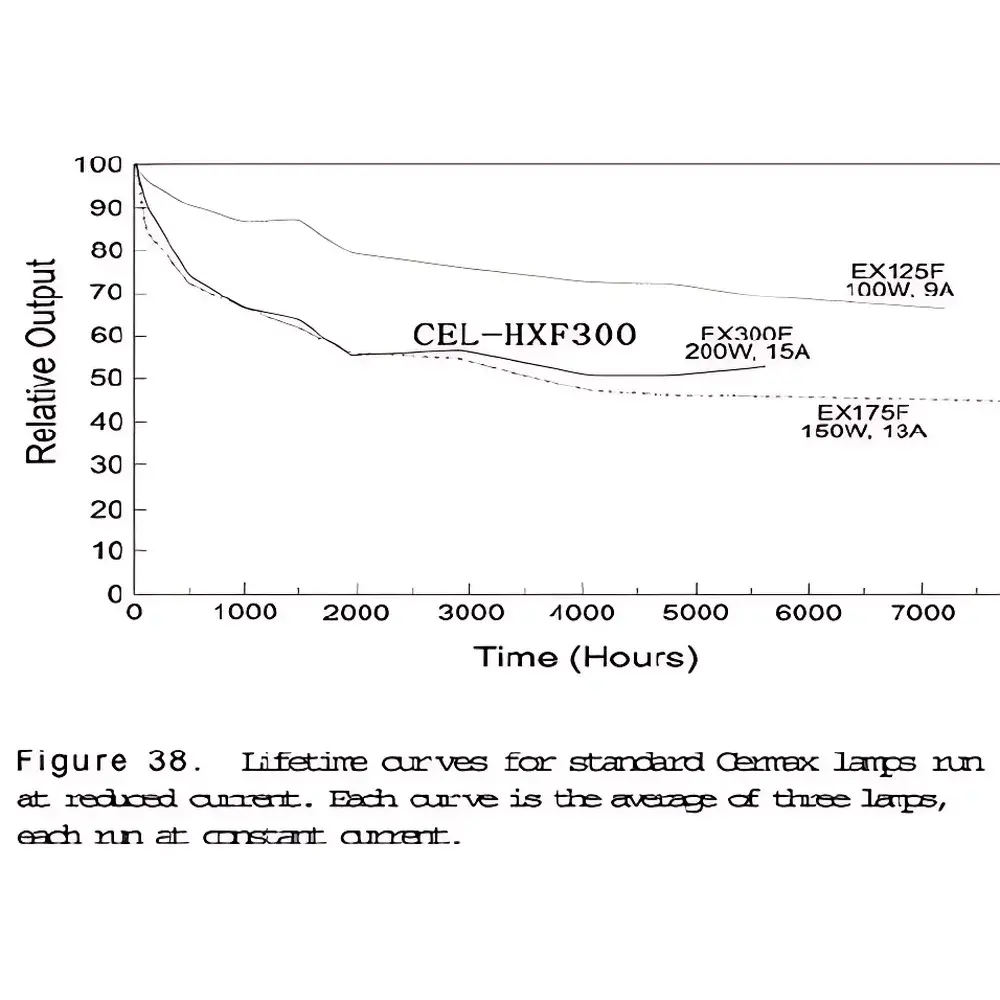
| Lamp Lifetime | 1000 h (up to 6000 h under optimized thermal management) |
| Beam Divergence | ≤5° (average) |
| Cooling Method | Patented Forced-Air + Heat-Sink Architecture (Patent No. ZL.201020250564.8) |
Overview
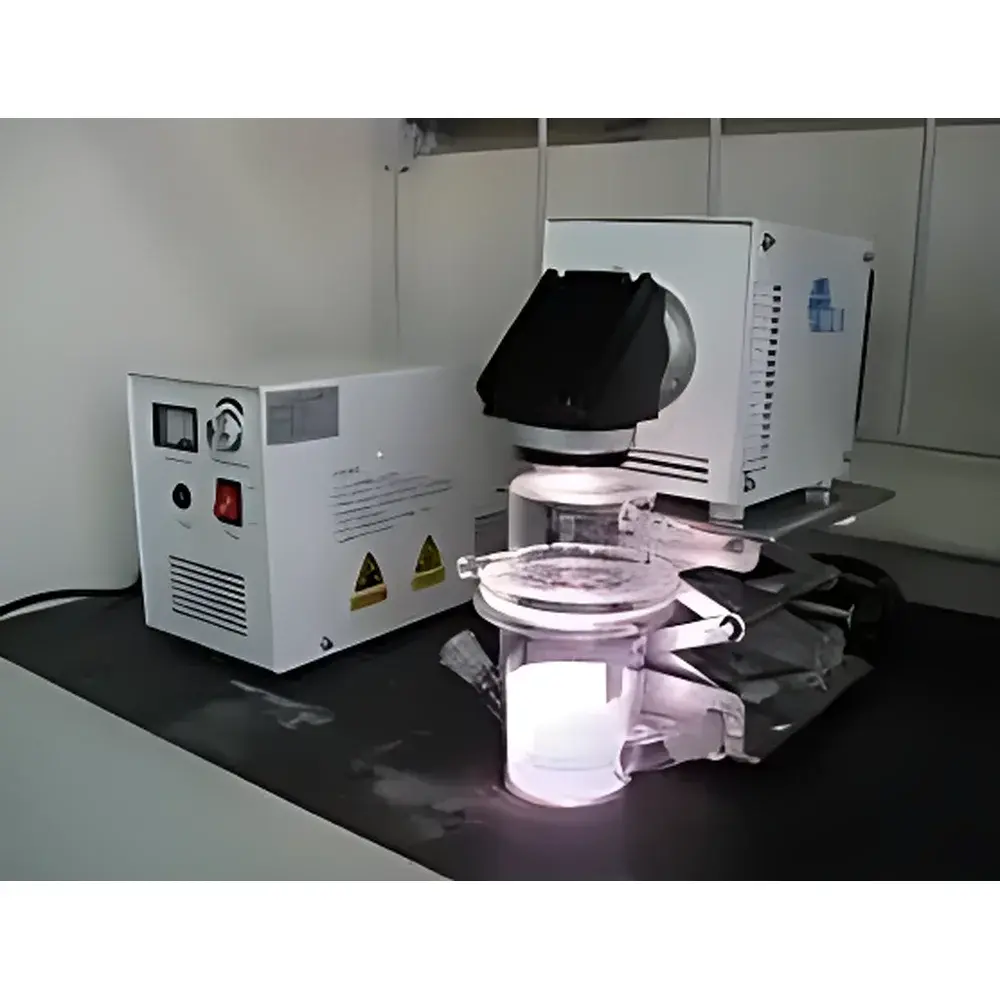
The CEL-HXF1000 High-Energy Xenon Arc Light Source is a precision-engineered, full-spectrum solar simulator designed for demanding photochemical and photophysical research applications. Based on a stabilized DC-powered xenon short-arc lamp, it delivers continuous spectral irradiance across 320–2500 nm — closely matching the AM1.5G solar spectrum in both shape and intensity distribution. Unlike pulsed or LED-based sources, the CEL-HXF1000 provides true broadband, high-radiance illumination with excellent temporal stability (<±1.5% drift over 8 h), enabling reproducible quantum yield measurements, kinetic studies, and long-duration photocatalytic testing. Its optical architecture is optimized for collimated output: a parabolic reflector and integrated cold-mirror lens system produce a uniform, near-parallel beam (divergence ≤5°) with effective irradiation area ≥Φ100 mm — suitable for reactor coupling, spectroscopic calibration, and multi-sample irradiation platforms.
Key Features
- Patented thermal management system (ZL.201020250564.8) combining high-efficiency aluminum heat sinks with regulated forced-air convection — extends lamp lifetime up to 6000 h while maintaining spectral fidelity and radiometric stability.
- High radiant output of 249 W total optical power, with 13 W in the UV (770 nm) — enabling high photon flux experiments without external amplification.
- Modular optical interface: standardized SMA905 fiber port, 360° rotatable collimation lens mount, and multi-position filter holder compatible with Ø25.4 mm and Ø50.8 mm optics — supports bandpass, longpass, and custom dichroic filtering.
- DC-driven power supply with real-time current/voltage monitoring (51 A ±3 A, 19.5 V ±1.5 V), enabling precise power modulation between 850–1050 W — critical for dose-controlled irradiation protocols.
- Robust mechanical housing with interlocked safety shutter, thermal cut-off sensors, and EMI-shielded enclosure — compliant with IEC 61000-6-3 and Class I laser safety principles (non-laser, but equivalent hazard classification per ANSI Z136.1).
Sample Compatibility & Compliance
The CEL-HXF1000 is routinely deployed in ISO/IEC 17025-accredited laboratories for photostability testing (per ICH Q1B), photocatalytic activity benchmarking (ASTM E2914-22), and solar fuel generation studies. Its spectral continuity and radiometric traceability support GLP-compliant data acquisition when paired with NIST-traceable reference detectors (e.g., calibrated silicon photodiodes or thermopiles). The system meets CE marking requirements for electromagnetic compatibility (EN 61326-1) and low-voltage directive (2014/35/EU). All optical components are RoHS-compliant; lamp quartz envelope is fused silica (UV-transmitting grade) with <0.1% Fe impurity. No mercury or hazardous heavy metals are used in construction.
Software & Data Management
While the CEL-HXF1000 operates as a stand-alone analog source, it integrates seamlessly with third-party DAQ systems via 0–5 V analog control input (for power ramping) and TTL-compatible status outputs (lamp-on, overtemp alarm). When used with the optional CEL-NP2000 radiometer and配套 software, users obtain real-time irradiance mapping (W/m²), spectral weighting (e.g., UV-A, PAR, or actinic fluence), and automated log-file generation compliant with 21 CFR Part 11 audit trail requirements — including operator ID, timestamp, power setting, and measured output. Data export formats include CSV, XML, and HDF5 for downstream analysis in MATLAB, Python (NumPy/Pandas), or OriginLab.
Applications
- Photocatalytic hydrogen evolution and CO₂ reduction under simulated sunlight (AM1.5G)
- Advanced oxidation process (AOP) development for water/wastewater treatment (e.g., TiO₂-mediated degradation of pharmaceuticals)
- Photochemical synthesis of fine chemicals and pharmaceutical intermediates
- Accelerated photostability testing of polymers, coatings, and OLED materials per ISO 4892-2
- Biological phototoxicity assays and circadian rhythm studies using controlled visible/NIR exposure
- Calibration of spectroradiometers, integrating spheres, and quantum sensors
- Development and validation of perovskite and organic photovoltaic devices
FAQ
What spectral irradiance standards does the CEL-HXF1000 meet?
It conforms to ASTM G173-03 (AM1.5G reference spectrum) within ±15% deviation from 350–1100 nm when measured with a calibrated spectroradiometer at 1 Sun equivalent (1000 W/m²).
Can the output be filtered to isolate UV-B or UV-C bands?
Yes — the modular filter holder accepts commercial interference filters (e.g., Omega Optical, Semrock) down to 200 nm; however, quartz optics and lamp envelope transmission limit usable UV-C output below 220 nm.
Is lamp replacement user-serviceable?
Yes — the lamp module is tool-free replaceable in <5 minutes; alignment is factory-set and retained via precision kinematic mounts.
Does the system support automated time-resolved irradiation protocols?
When interfaced with a programmable power supply or PLC via analog input, duty-cycle modulation (e.g., 10 s ON / 30 s OFF) is fully supported for fatigue or pulsed-light studies.
What maintenance intervals are recommended?
Air filter cleaning every 200 h; thermal sensor calibration every 1000 h; full optical alignment verification annually or after transport/shock events.



