
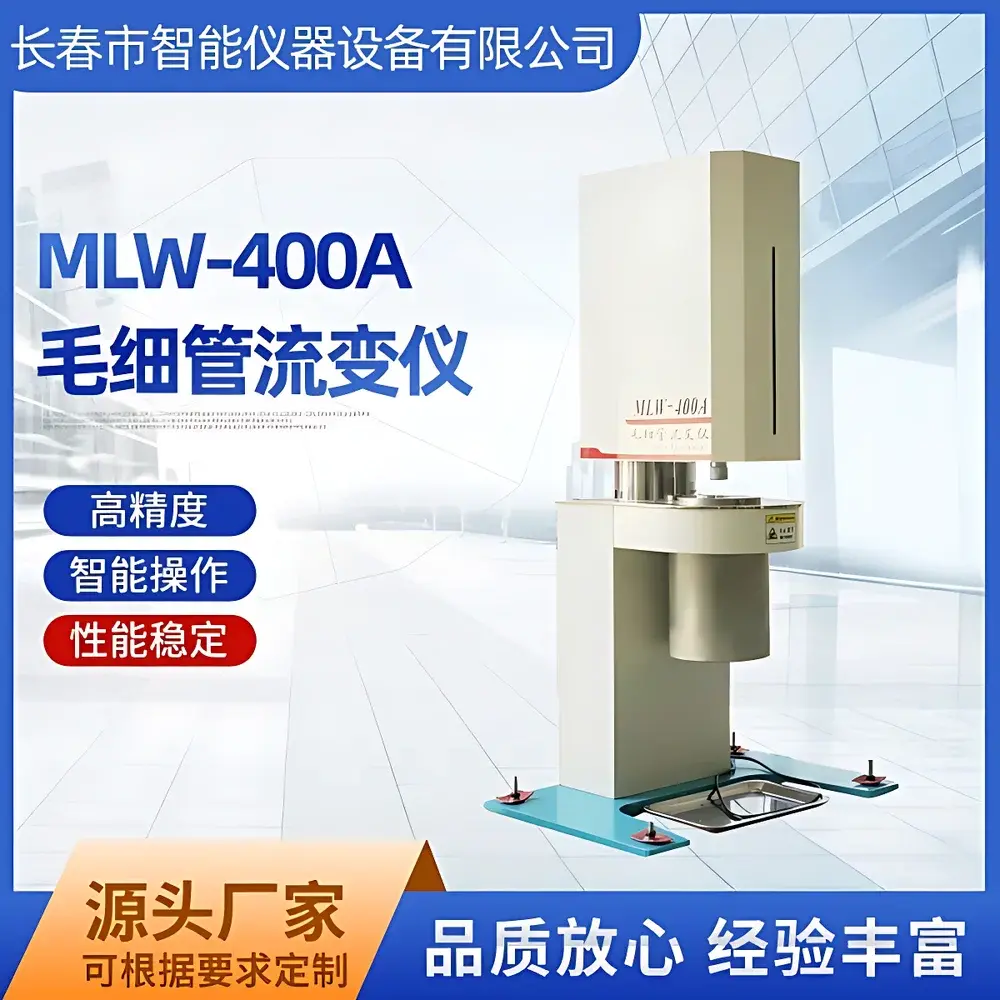
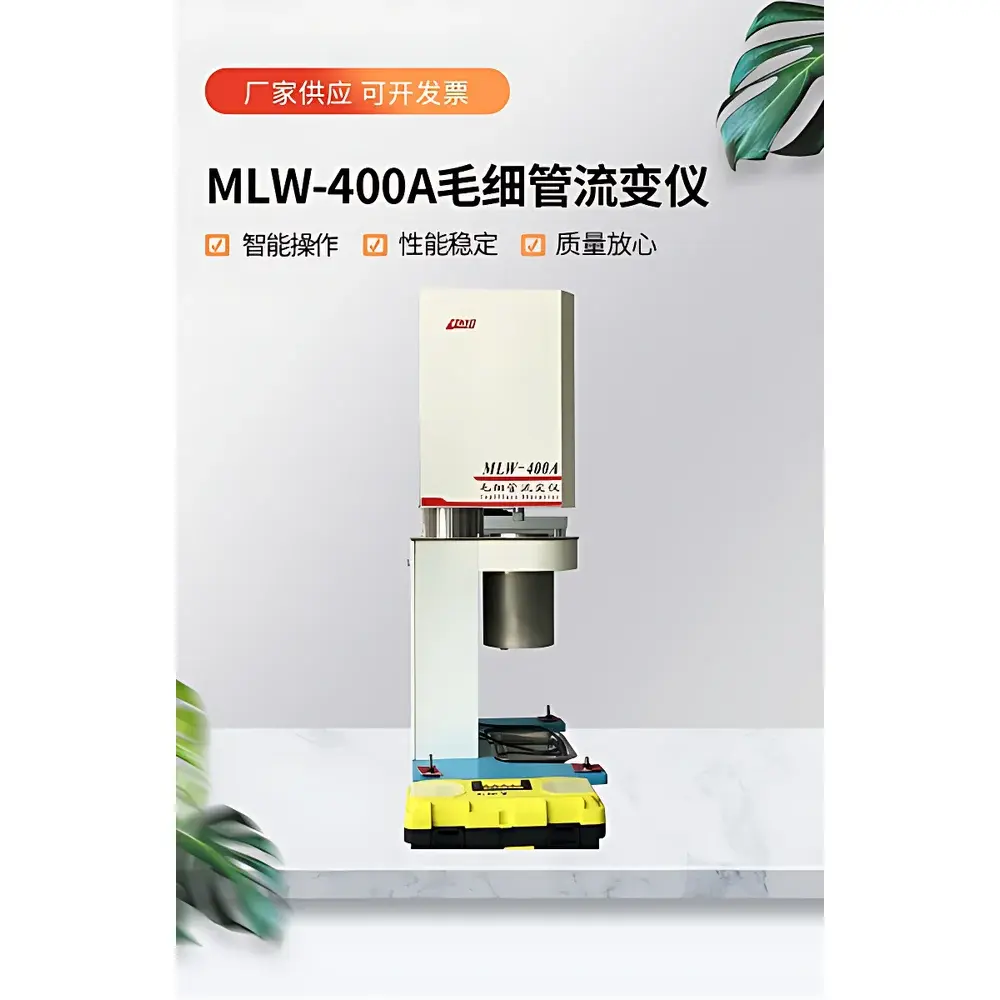
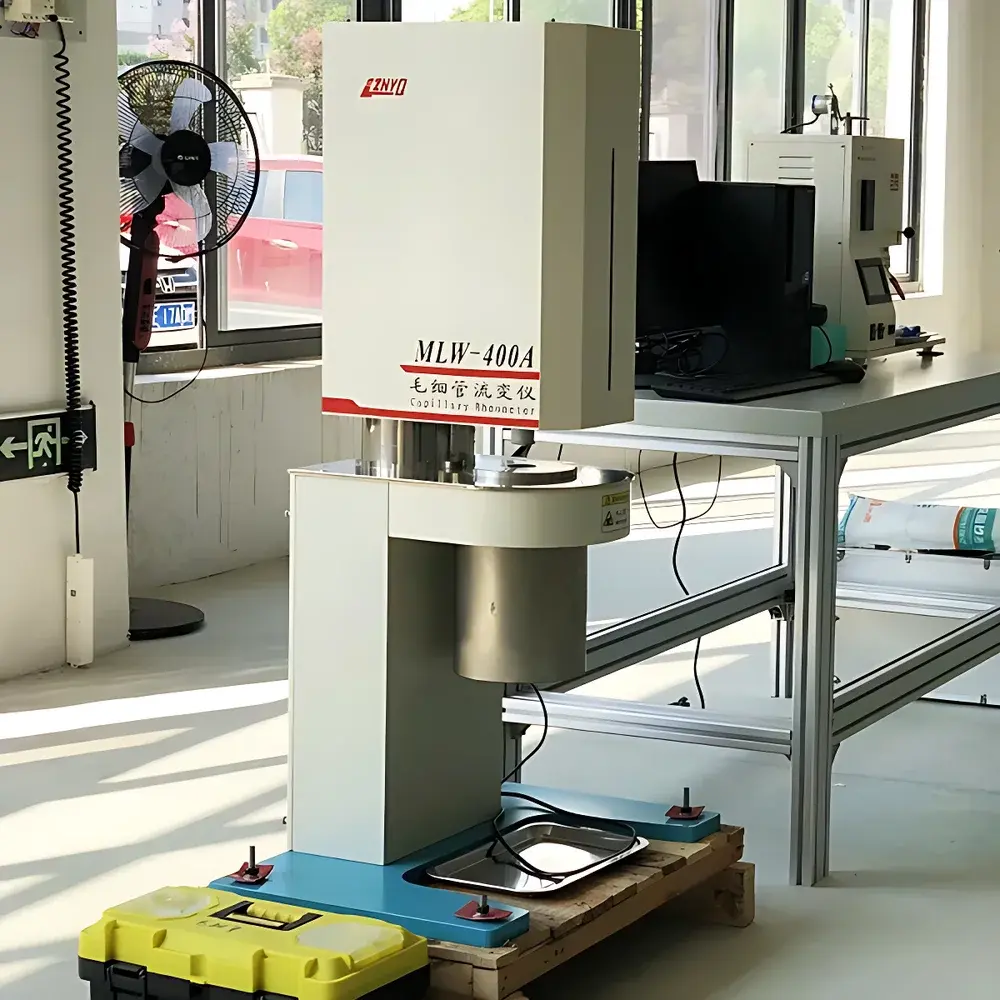
Changchun Intelligent MLW-400A Capillary Rheometer
| Brand | Changchun Intelligent |
|---|---|
| Origin | Jilin, China |
| Manufacturer Type | Authorized Distributor |
| Origin Category | Domestic (China) |
| Model | MLW-400A |
| Price | USD 13,800 (FOB China) |
| Temperature Range | Ambient to 400 °C |
| Heating Rate | 1–10 °C/min (adjustable) |
| Temperature Accuracy | ±0.1 °C |
| Pressure Range | 1–50 MPa (±0.5% FS) |
| Force Capacity | 5 kN |
| Pressure Resolution | 0.1 MPa |
| Piston Speed | 0.01–500 mm/min |
| Piston Diameter | φ12 mm (standard) |
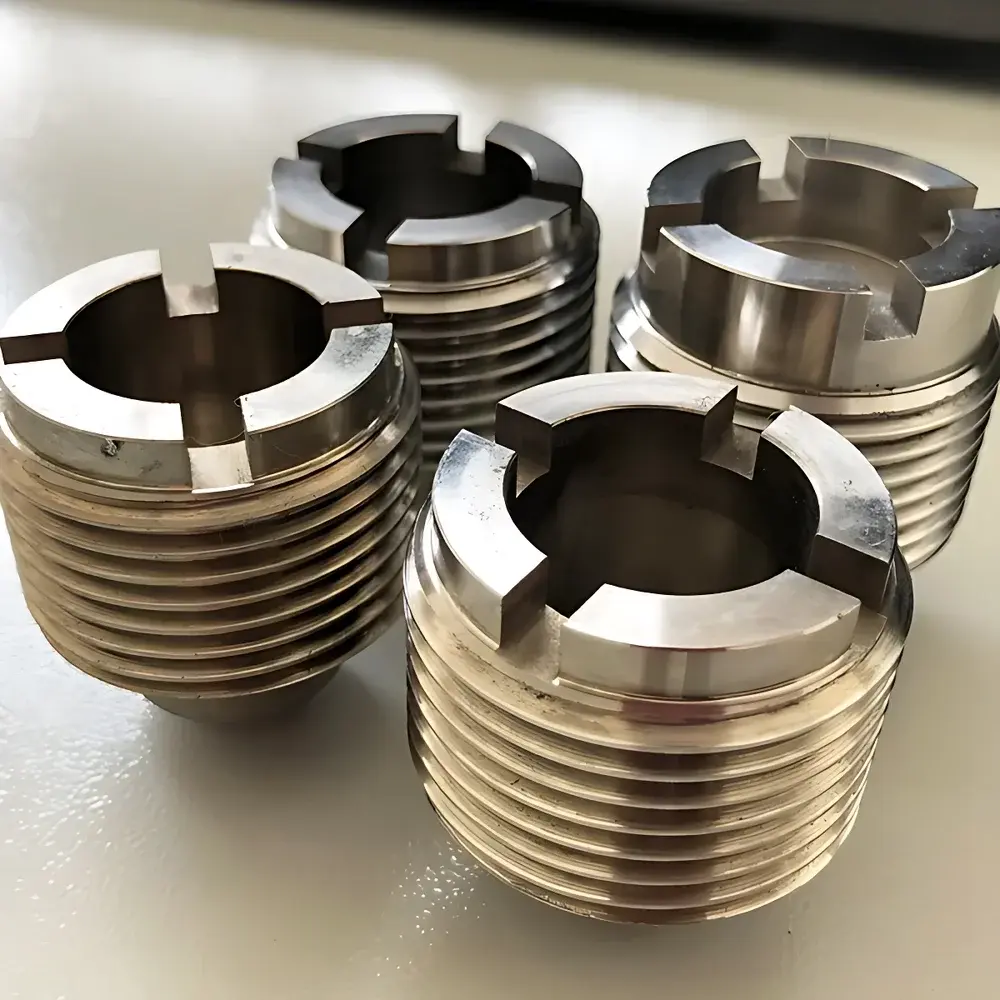
| Die Geometry | Capillary dies: 1×5, 1×10, 1×20, 1×40 mm (L/D), tungsten carbide |
| Data Acquisition Rate | >100 Hz |
| Compliance | ISO 11443, HG/T 4300–2012 |
| Software Certification | China Copyright No. 2243448 |
Overview
The Changchun Intelligent MLW-400A Capillary Rheometer is a computer-controlled, high-precision instrument engineered for the quantitative characterization of polymer melt rheology under controlled thermal and mechanical conditions. It operates on the principle of capillary flow rheometry—applying known pressure or velocity to extrude molten thermoplastic or elastomeric materials through precision-machined capillary dies—and calculates fundamental viscoelastic parameters including apparent shear viscosity, shear stress, and shear rate across wide operational ranges. Designed in strict accordance with ISO 11443 (Plastics — Determination of the fluidity of plastics using capillary and slit die rheometers) and HG/T 4300–2012 (Rubber — Determination of rheological properties using piston-type capillary rheometers), the MLW-400A supports standardized evaluation of melt processability, thermal stability, and flow instabilities such as melt fracture. Its modular architecture enables operation under constant-piston-speed, constant-pressure, or stepwise shear-rate protocols—providing reproducible data essential for QC laboratories, R&D polymer formulation teams, and compounding process development.
Key Features
- High-frequency data acquisition (>100 Hz) ensures accurate detection of transient rheological transitions—including crystallization onset, gel point, and melt fracture thresholds—without signal aliasing or missed inflection points.
- Dual closed-loop control architecture (hardware + software) delivers precise, independent regulation of piston displacement velocity and applied load, supporting both manual and automated loading modes with seamless switching.
- Direct high-resolution pressure sensing via calibrated strain-gauge transducers eliminates mechanical linkage errors associated with traditional load-cell-based systems; pressure accuracy maintained at ±0.5% full scale.
- Flexible coordinate visualization: real-time linear-axis plotting during test execution; post-test logarithmic scaling enabled via intuitive mouse-driven interface for power-law analysis and Cox-Merz validation.
- Rigid aluminum frame construction enhances mechanical stability, minimizes vibration-induced noise, and facilitates safe transport and floor-level installation without dedicated foundations.
- Integrated AC servo drive system (Fuji Electric) coupled with Taiwan-sourced precision ball screws ensures sub-micron positional repeatability and consistent force delivery across the full speed range (0.01–500 mm/min).
Sample Compatibility & Compliance
The MLW-400A accommodates a broad spectrum of thermoplastic resins (e.g., PE, PP, PS, ABS, PC, PA), thermoplastic elastomers (TPEs), and uncured rubber compounds. Standard tungsten carbide capillary dies (1×5, 1×10, 1×20, 1×40 mm L/D) ensure wear resistance and dimensional stability during extended high-shear testing. Optional piston diameters (including φ12 mm standard) and custom die geometries support method development per ASTM D3835, ISO 11443 Annex A, and internal corporate specifications. All temperature and pressure calibrations are traceable to national standards; system validation protocols align with GLP requirements for regulated environments. While not FDA 21 CFR Part 11–certified out-of-the-box, audit trails, user access logs, and electronic signature readiness can be implemented via configuration extensions compliant with ISO/IEC 17025 documentation frameworks.
Software & Data Management
The proprietary Windows-based control and analysis suite (registered under Chinese Software Copyright No. 2243448) provides full test sequence programming, real-time parameter monitoring, and automated report generation. Users define multi-step temperature ramps, shear-rate sweeps, or dwell profiles with programmable hold times and trigger conditions. Raw data—including time-stamped pressure, temperature, displacement, and velocity—is stored in ASCII-compatible .csv format for third-party statistical analysis (e.g., JMP, MATLAB, Python pandas). Curve overlay functionality permits direct comparison of material batches or formulation variants. All calibration constants, user permissions, and test history are retained in encrypted local databases. Export options include PDF reports with embedded metadata (operator ID, timestamp, instrument serial number, environmental conditions), ensuring traceability for internal QA audits and external certification submissions.
Applications
- Quantification of apparent viscosity vs. shear rate for melt index correlation and extrusion die design.
- Determination of minimum flow temperature and critical shear rate for onset of melt fracture (sharkskin, stick-slip, gross melt rupture).
- Evaluation of thermal degradation kinetics via viscosity decay at fixed shear rates across temperature ramps.
- Characterization of filler dispersion effects in filled polymers (e.g., CaCO₃, glass fiber, carbon black) through deviations from Newtonian behavior.
- Validation of constitutive models (e.g., Cross, Carreau-Yasuda) for process simulation input in commercial CAE tools (e.g., Moldflow, Polyflow).
- Quality conformance testing against incoming raw material specifications per ISO 1874 or ASTM D4000 commodity resin standards.
FAQ
Does the MLW-400A support ISO 11443 Annex B (slit-die mode)?
No—the MLW-400A is configured exclusively for capillary die geometry. Slit-die testing requires separate hardware integration not included in this model.
Can the system be integrated into a LIMS environment?
Yes—via TCP/IP or RS-232 communication protocols, raw data streams and status flags can be exported to external laboratory information management systems using configurable XML or JSON schemas.
Is calibration verification performed before shipment?
Each unit undergoes factory calibration using NIST-traceable reference fluids and certified temperature/pressure standards; a full calibration certificate is supplied with delivery.
What maintenance intervals are recommended for the tungsten carbide dies?
Dies require visual inspection after every 50 test cycles; cleaning with ultrasonic acetone bath is advised. Replacement is recommended after 200–300 hours of cumulative operation at >300 °C.
Does the software support multi-user role-based access control?
Yes—administrator, technician, and viewer roles can be assigned with granular permissions for test creation, result modification, report export, and system configuration.



