Linkam FDCS196 Cryo-Heating Stage for Freeze-Drying Microscopy
| Brand | Linkam |
|---|---|
| Origin | United Kingdom |
| Model | FDCS196 |
| Temperature Range | –196 °C to +125 °C (with LN₂ cooling pump) |
| Heating Rate | Up to 150 °C/min |
| Temperature Stability | < 0.1 °C |
| Sensor | 100 Ω Platinum RTD |
| Vacuum Level | Down to 10⁻³ mbar |
| Sample Area | Ø22 mm |
| XY Manipulation Range | 15 mm |
| Window Thickness | 0.5 mm (single ultra-thin optical window) |
| Sample Volume | As low as 5 µL |
| Compatible With | Polarized light, phase contrast, confocal microscopy, Raman spectroscopy, FTIR, and X-ray imaging |
Overview
The Linkam FDCS196 Cryo-Heating Stage is a precision-engineered platform designed specifically for in situ freeze-drying microscopy (FDM) under controlled vacuum and temperature conditions. It operates on the principle of real-time optical observation of phase transitions—primarily ice nucleation, eutectic melting, collapse temperature (Tc), and drying front progression—during lyophilization. By integrating high-fidelity thermal control (–196 °C to +125 °C) with active vacuum regulation (down to 10⁻³ mbar), the FDCS196 enables direct correlation between thermodynamic events and structural evolution in pharmaceutical formulations, biologics, and advanced materials. Its design conforms to fundamental requirements for mechanistic process understanding in lyophilization development, supporting Quality by Design (QbD) frameworks aligned with ICH Q5C and Q8(R2). The system is not a standalone instrument but a modular stage intended for integration with upright or inverted optical microscopes equipped with polarized or phase-contrast optics.
Key Features
- Wide operational temperature range from –196 °C (using liquid nitrogen cryo-pump) to +125 °C, with heating rates up to 150 °C/min and thermal stability better than ±0.1 °C at steady state.
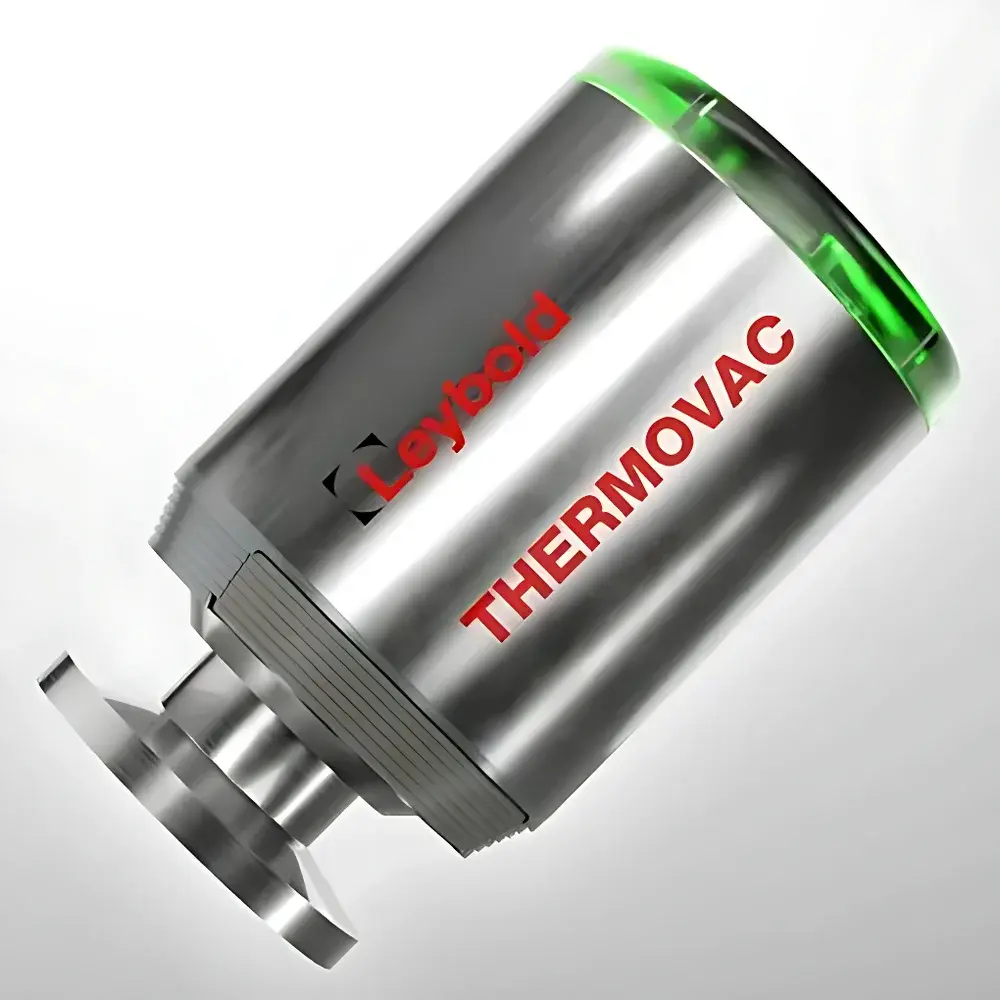
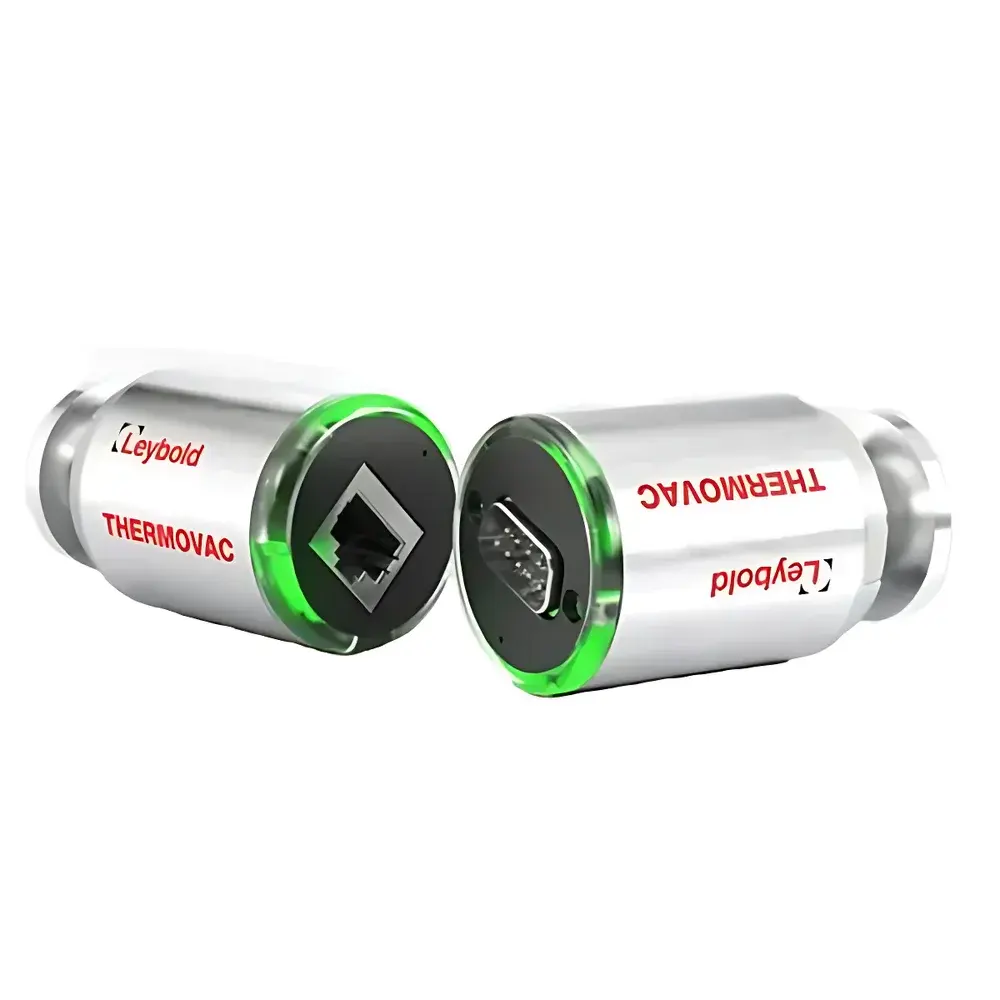
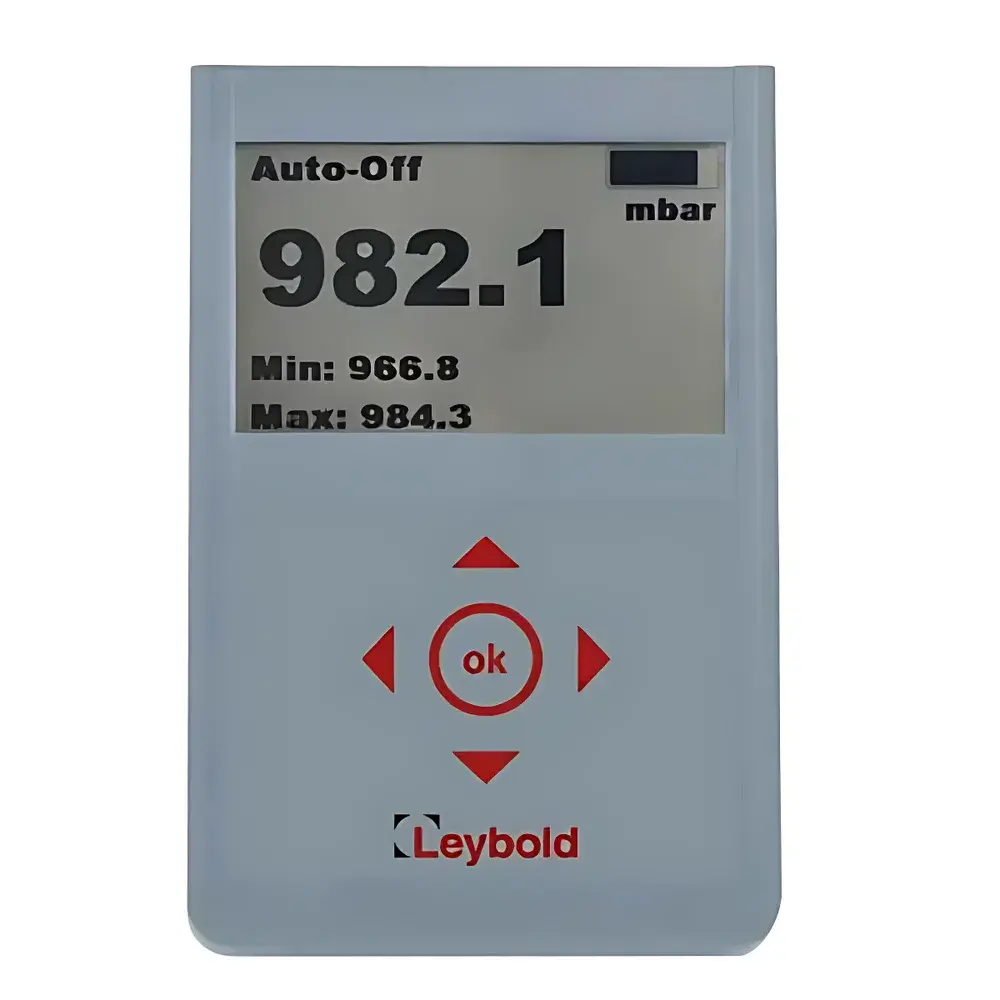
- Integrated Pirani vacuum gauge mounted directly on the stage chamber ensures accurate, localized pressure monitoring and uniform vacuum distribution across the sample zone.
- Motorized MV196 vacuum valve enables closed-loop, programmable pressure control—critical for replicating primary and secondary drying phases of industrial freeze-drying cycles.
- Ultra-thin 0.5 mm optical window optimized for high-transmission performance across UV–Vis–NIR, enabling compatibility with confocal laser scanning microscopy (CLSM), Raman spectroscopy, Fourier-transform infrared (FTIR) imaging, and synchrotron-based X-ray microtomography.
- High-precision XY manipulator (15 mm travel range) facilitates dynamic tracking of the sublimation interface and spatially resolved imaging of drying heterogeneity.
- Minimal sample requirement of 5 µL reduces consumption of high-value active pharmaceutical ingredients (APIs), supporting early-stage formulation screening under GMP-aligned lab practices.
Sample Compatibility & Compliance
The FDCS196 accommodates diverse sample formats including aqueous solutions, protein suspensions, polymer blends, and amorphous small-molecule formulations. Its Ø22 mm sample area supports standard microscope slides and specialized cryo-holders. The stage complies with ISO 13485 design control principles for medical device-related R&D instrumentation and meets mechanical and electrical safety standards per IEC 61010-1. When used in conjunction with validated software workflows, data acquisition satisfies audit-trail and electronic record requirements under FDA 21 CFR Part 11 and EU Annex 11 for regulated environments. It supports GLP-compliant documentation when integrated into LIMS or ELN platforms via timestamped metadata export.
Software & Data Management
The FDCS196 interfaces with Linkam’s optional NEXUS imaging module, which synchronizes thermal/vacuum profiles with time-lapse image capture. Each acquired frame is embedded with real-time experimental metadata—including temperature, pressure, elapsed time, and user-defined annotations—enabling traceable correlation between morphological change and process parameters. Export formats include TIFF (with EXIF tags), CSV (for parameter logs), and MP4 (for video review). All control sequences are scriptable via ASCII command protocol, allowing integration into automated testing suites or custom Python/Matlab analysis pipelines. Firmware updates maintain backward compatibility and support long-term validation lifecycle management.
Applications
- Determination of critical temperatures—eutectic point (Teu), collapse temperature (Tc), and glass transition (Tg‘)—via real-time birefringence and phase-contrast imaging.
- Structural characterization of pore architecture, ice crystal size distribution, and dried matrix integrity in lyophilized monoclonal antibodies, vaccines, and mRNA-LNP formulations.
- Investigation of cryoprotectant efficacy, excipient–API interactions, and crystallization kinetics during frozen-state storage.
- Method development for continuous freeze-drying and microfluidic lyophilization processes requiring sub-millimeter spatial resolution.
- Materials science studies involving low-temperature phase behavior of polymers, gels, and colloidal dispersions under vacuum.
FAQ
What microscopy techniques are compatible with the FDCS196?
Phase contrast, polarized light, differential interference contrast (DIC), confocal fluorescence, Raman mapping, and transmission FTIR—all enabled by its ultra-thin 0.5 mm fused silica window and optimized optical path.
Can the FDCS196 be used for non-pharmaceutical applications?
Yes. It is widely applied in food science (e.g., freeze-dried fruit matrix analysis), cryomaterials research, and low-temperature geopolymer hydration studies.
Is liquid nitrogen handling required for operation at –196 °C?
Yes. The stage requires external LN₂ supply with a cryo-pump; optional dry-ice or mechanical cooling configurations support milder sub-zero ranges but not full –196 °C capability.
How is temperature calibration performed?
Calibration follows ASTM E220 and ISO/IEC 17025 guidelines using NIST-traceable Pt100 reference probes; Linkam provides factory calibration certificates with uncertainty budgets.
Does the system support remote operation and network integration?
Yes—via Ethernet-connected Linkam TMS94 controller with Modbus TCP and HTTP API support for integration into centralized lab automation systems.