
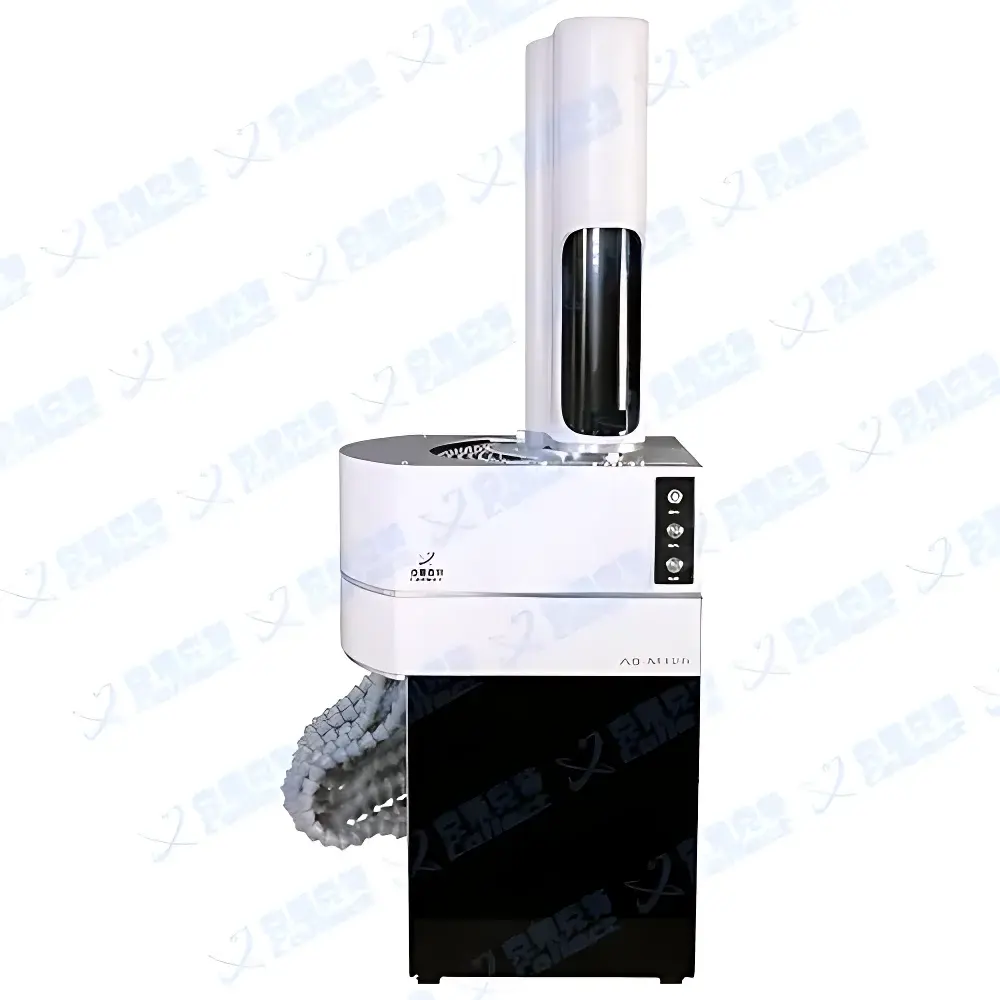
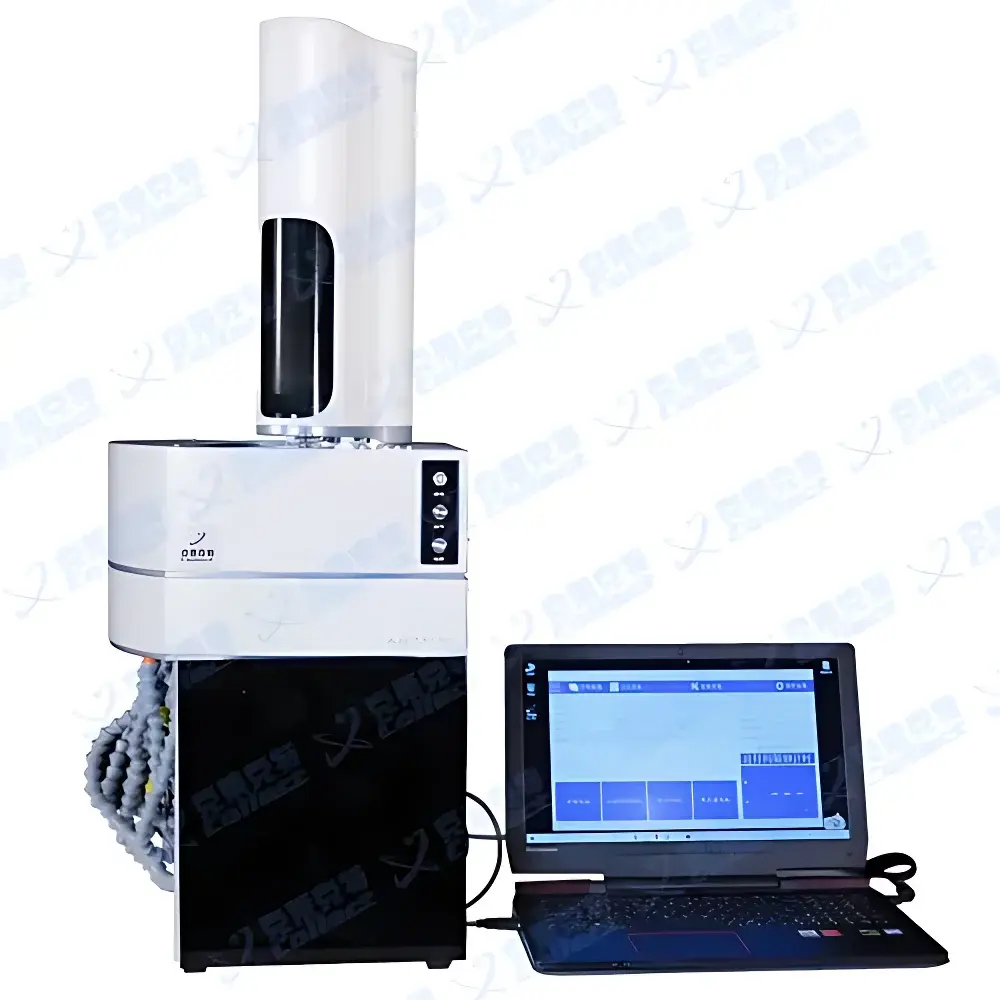
Claretech AS-M125 Fully Automated Gas Autosampler
| Brand | Claretech |
|---|---|
| Origin | Henan, China |
| Manufacturer Type | OEM Manufacturer |
| Regional Classification | Domestic (China) |
| Model | AS-M125 |
| Instrument Type | Gas Chromatography Autosampler |
| Maximum Injection Volume | 2000 µL |
| Minimum Injection Volume | 100 µL |
| Loop Volumes | 2.5 mL (standard), 5 mL / 10 mL (optional) |
| Positioning Accuracy | < 0.3 mm |
| Motion Mechanism | Rotary Carousel |
| Needle Wash | Fully Automated, Unlimited Cycles |
| Repeat Injection Capability | Unlimited |
Overview
The Claretech AS-M125 Fully Automated Gas Autosampler is a precision-engineered sample introduction system designed for quantitative, high-reproducibility gas-phase analysis in conjunction with gas chromatographs (GC) and GC-mass spectrometers (GC-MS). It operates on a sealed-loop, syringe-based sampling principle—utilizing gas-tight stainless-steel or PTFE-lined syringes to extract, meter, and deliver gaseous samples from flexible containers including Tedlar® bags, glass gas-tight syringes, crimp-top vials, and stainless-steel canisters. Unlike conventional loop-based or valve-switched autosamplers, the AS-M125 employs a true multi-channel needle architecture that physically isolates each sample path, eliminating carryover between high- and low-concentration analytes—a critical requirement for environmental monitoring, refinery process gas profiling, coalbed methane characterization, and soil gas volatile organic compound (VOC) screening. Its modular thermal control (up to 220 °C) ensures consistent vapor-phase homogeneity during transfer, while its direct interface design requires no modification to the host GC’s carrier gas manifold or inlet configuration.
Key Features
- True multi-syringe architecture with independent, non-shared fluidic pathways—eliminates cross-contamination across concentration gradients.
- Dynamic volume selection: programmable injection volumes from 100 µL to 2000 µL per run; supports automated standard curve generation and real-time dilution of concentrated samples via sequential syringe aspiration.
- Gas-tight syringe options: 2.5 mL (standard), with field-upgradable 5 mL and 10 mL loops for trace-level or high-volume applications.
- High-precision rotary carousel with 130-position sample capacity and sub-0.3 mm positional repeatability.
- Integrated thermal management: syringe heating range 25–220 °C, ±0.5 °C stability; prevents condensation and ensures quantitative transfer of semi-volatiles.
- Programmable fluid handling: independent control over aspiration speed, injection speed, wash duration (0–65535 s), and equilibration time (0–600 s).
- Universal GC/MS compatibility: supports both interval-triggered and instrument-host-controlled (reverse-trigger) operation via TTL, RS-232, or Ethernet I/O interfaces.
Sample Compatibility & Compliance
The AS-M125 accommodates a broad spectrum of gas collection formats: 1–10 L Tedlar® or FlexFoil® sampling bags, 1–10 mL gas-tight glass or stainless-steel syringes, 22 mL crimp-seal vials with septa, and 6–100 mL stainless-steel canisters. All wetted surfaces contacting sample gas are constructed from chemically inert PTFE or electropolished stainless steel, ensuring compatibility with reactive species (e.g., H₂S, NH₃, Cl₂) and compliance with EPA Method TO-14A, TO-15, and ASTM D5504 requirements. The system supports audit-ready operation under GLP/GMP frameworks through timestamped event logging, user-access controls, and full parameter traceability—aligned with FDA 21 CFR Part 11 data integrity expectations when integrated with validated LIMS or chromatography data systems (CDS).
Software & Data Management
The AS-M125 is operated via a dedicated Windows-based control application featuring intuitive drag-and-drop sequence building, real-time status visualization (including syringe temperature, position, remaining runtime, and error flags), and built-in diagnostic reporting. Each method stores complete metadata—including syringe ID, loop volume, thermal setpoints, wash cycles, and injection history—for retrospective review. Raw operational logs export in CSV format for third-party validation or statistical process control (SPC) analysis. The software supports bidirectional communication with major CDS platforms (e.g., Thermo Chromeleon, Agilent OpenLab, Shimadzu GCsolution) via standardized API protocols, enabling seamless integration into regulated laboratory workflows.
Applications
- Ambient air quality monitoring: quantification of BTEX, ozone precursors, and greenhouse gases (CH₄, N₂O, CO₂) per ISO 16000-6 and EN 13670.
- Petrochemical process stream analysis: hydrocarbon speciation (C₁–C₁₂), sulfur compounds, and light olefins in refinery off-gas and flare monitoring.
- Coal seam gas and landfill biogas characterization: CH₄/CO₂ ratio profiling, trace siloxanes, and halogenated VOCs.
- Soil vapor intrusion assessment: detection of chlorinated solvents (TCE, PCE), gasoline-range organics (GRO), and diesel-range organics (DRO) at sub-ppb levels.
- Indoor air and workplace exposure studies: formaldehyde, acetaldehyde, and other carbonyls following ISO 16000-3 and OSHA Method 1007.
FAQ
Does the AS-M125 require hardware modification to interface with my existing GC?
No. It connects directly to the GC inlet using standard gas-tight ferrules and does not alter the carrier gas flow path or pressure control system.
Can I use non-standard syringe volumes beyond the listed options?
Yes—the firmware supports custom syringe calibration tables; users may define additional loop volumes up to 25 mL upon validation.
How is carryover minimized during high-throughput operation?
Each syringe undergoes programmable solvent flush (with optional heated purge gas) before and after every injection; the PTFE-lined sample pathway further reduces surface adsorption.
Is remote monitoring supported?
Yes—Ethernet connectivity enables secure remote access, live status viewing, and method upload via HTTPS-enabled web interface or VNC-compatible clients.
What regulatory documentation is provided for validation?
Factory acceptance test (FAT) reports, IQ/OQ templates, and a comprehensive 3Q protocol package—including performance verification against certified gas standards—are supplied with each unit.
Related Products





