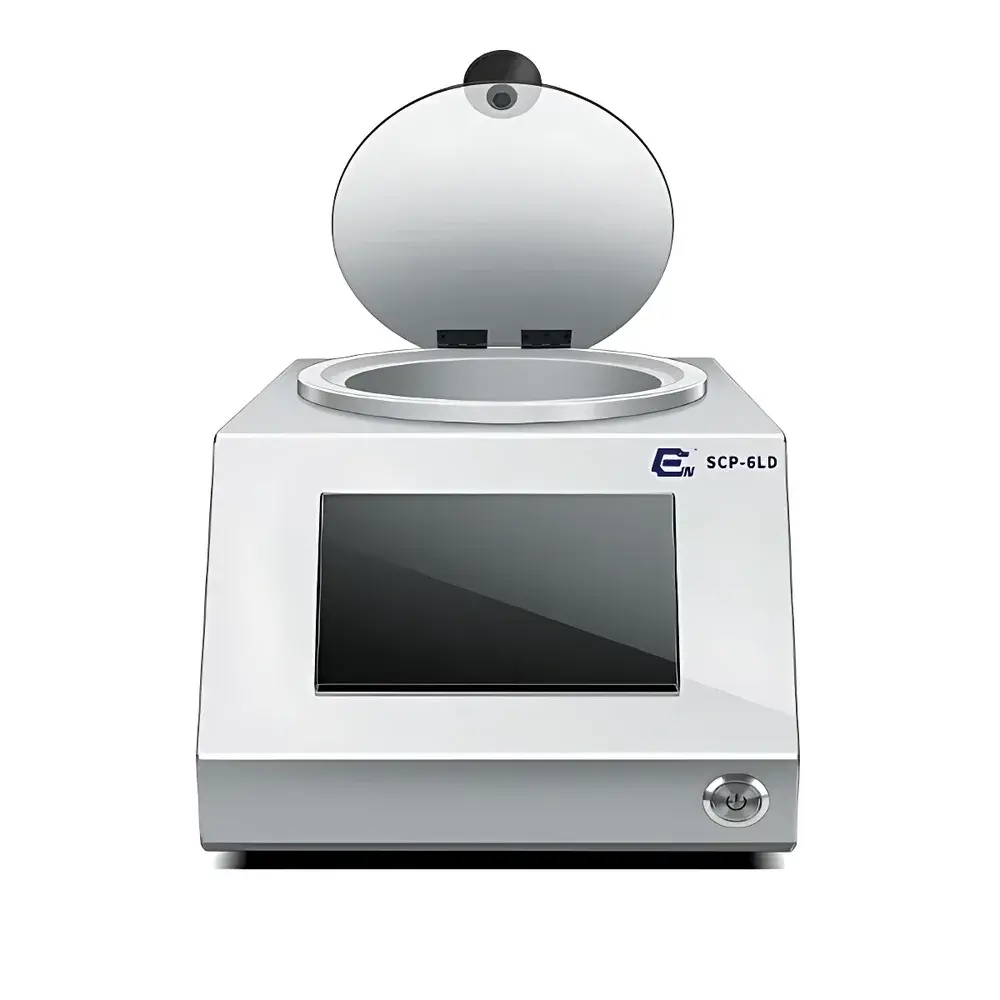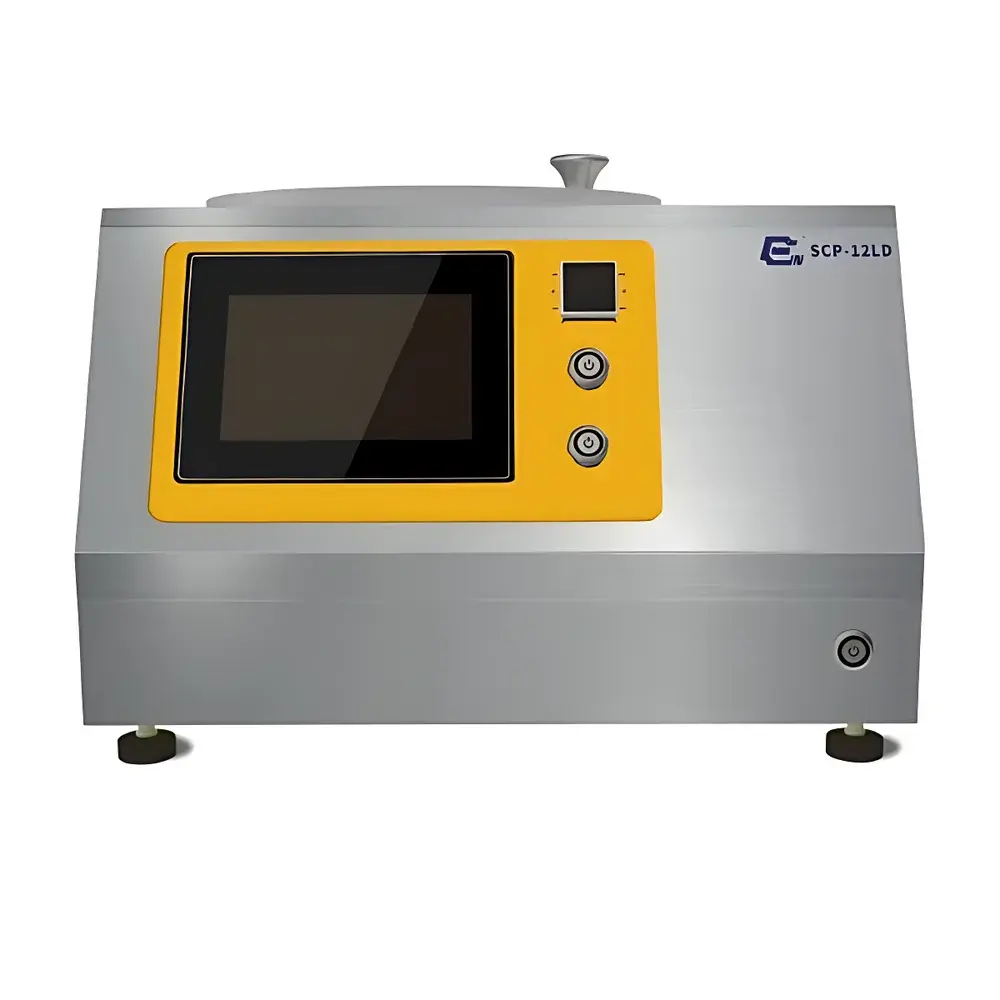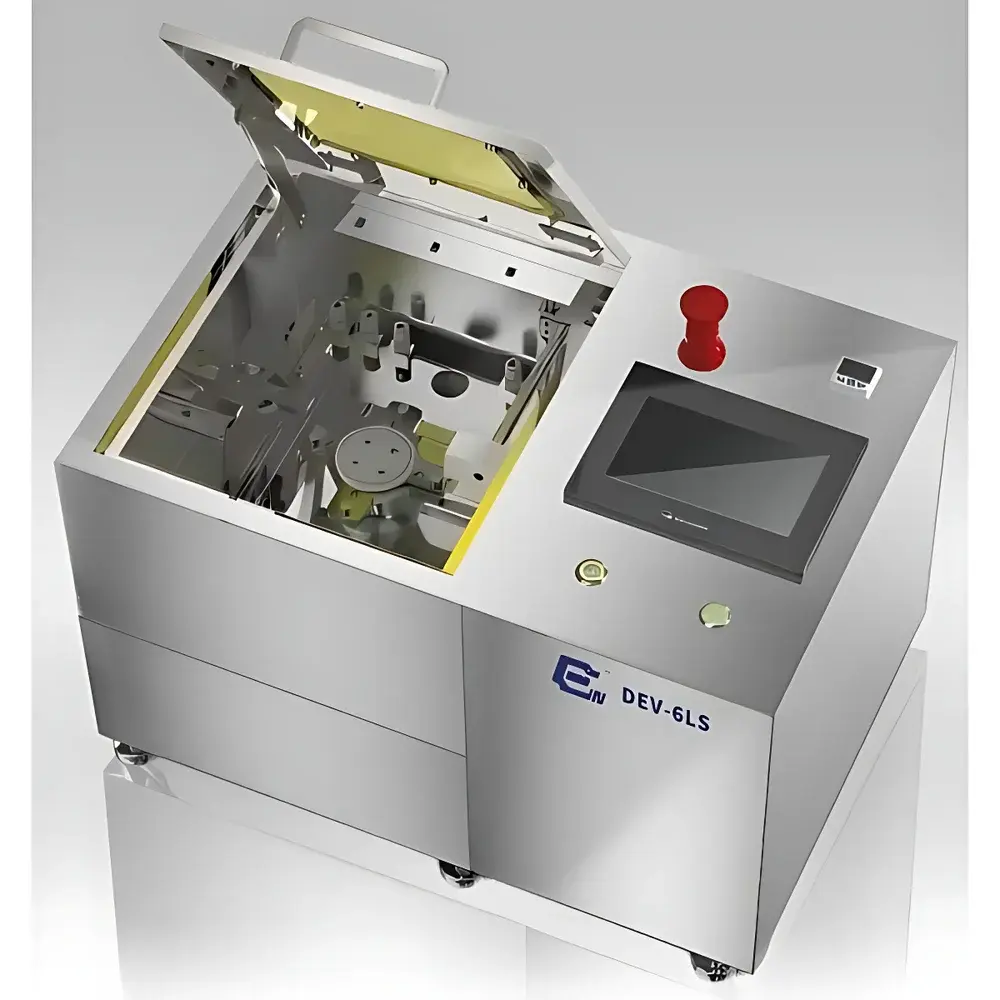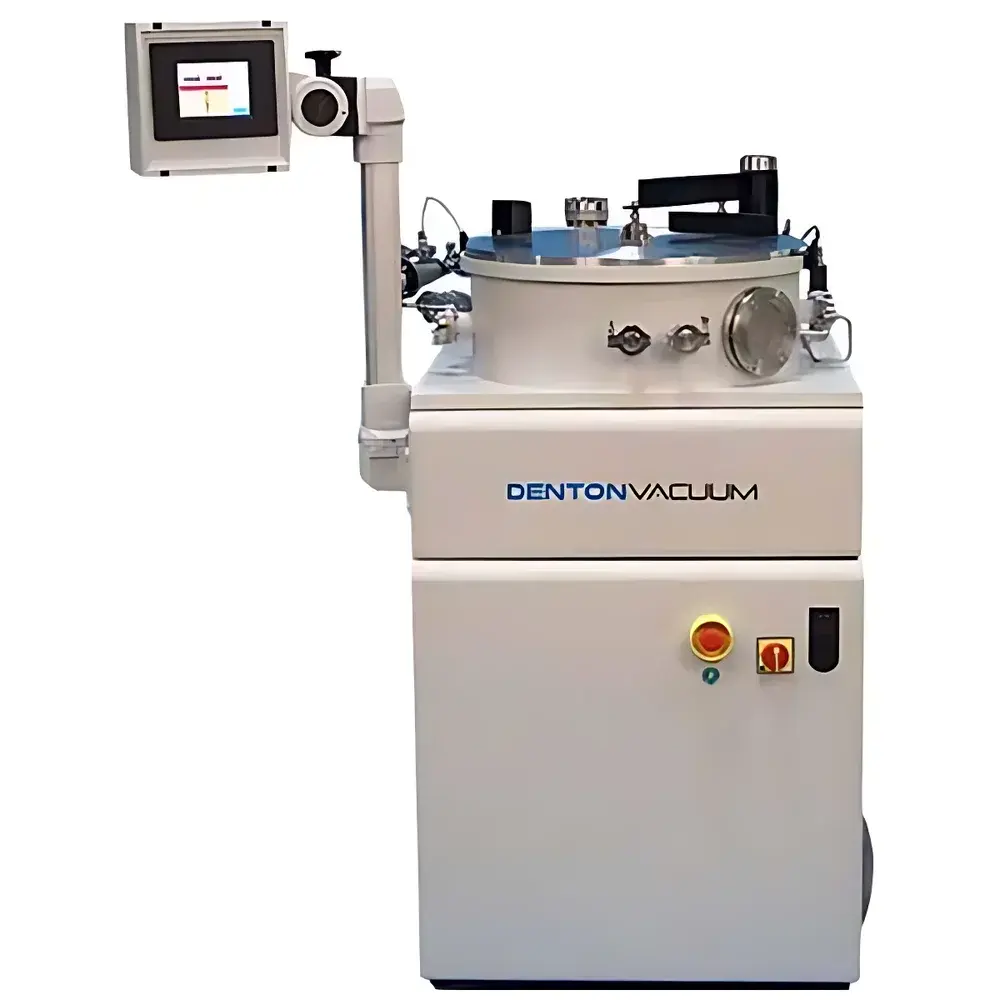
Denton Voyager PE-CVD System
| Brand | DENTON |
|---|---|
| Origin | USA |
| Manufacturer Type | Authorized Distributor |
| Origin Category | Imported |
| Model | Voyager |
| Price Range | USD $38,000 – $64,000 |
Overview
The Denton Voyager PE-CVD System is a benchtop-scale plasma-enhanced chemical vapor deposition platform engineered for precision thin-film synthesis in research laboratories and pilot-line semiconductor fabrication environments. Unlike thermal CVD, which relies on high substrate temperatures (typically 650–850 °C) to drive precursor decomposition and surface reactions, the Voyager system utilizes radio-frequency (13.56 MHz) or microwave-generated plasma to dissociate gaseous precursors—such as silane (SiH₄), ammonia (NH₃), tetraethyl orthosilicate (TEOS), and hydrocarbon feedstocks—at significantly reduced thermal budgets (down to 30–350 °C). This enables conformal, stoichiometric SiO₂, SiNₓ, a-Si:H, and diamond-like carbon (DLC) film growth on temperature-sensitive substrates including polymers, flexible electronics, MEMS devices, and pre-fabricated IC wafers without thermal degradation or interdiffusion.
Key Features
- Modular RF/microwave plasma source configuration supporting both capacitive (CCP) and inductive (ICP) coupling modes for process flexibility and plasma density control
- Integrated load-lock chamber with base pressure <5×10⁻⁷ Torr and ultimate vacuum ≤1×10⁻⁸ Torr (with cryo-pumping option)
- Mass flow controllers (MFCs) for up to six independent gas lines (e.g., SiH₄, NH₃, N₂, Ar, CH₄, O₂) with ±0.5% full-scale accuracy
- Substrate heating stage with programmable temperature range from ambient to 400 °C (±1 °C stability) and optional water-cooling capability
- Real-time plasma monitoring via optical emission spectroscopy (OES) port and Langmuir probe compatibility
- Stainless-steel vacuum chamber with ISO-KF and CF flange interfaces, compliant with SEMI S2/S8 safety and ergonomics standards
Sample Compatibility & Compliance
The Voyager PE-CVD accommodates substrates up to 200 mm (8-inch) diameter, including silicon wafers, glass slides, quartz crystals, ceramic carriers, and non-planar components such as microfluidic chips and biomedical implants. It supports batch processing of multiple small-area samples using custom fixture plates. All hardware and control firmware are designed to meet ISO 9001-certified manufacturing protocols. The system complies with CE marking requirements (EMC Directive 2014/30/EU, Machinery Directive 2006/42/EC), UL 61010-1 safety certification, and is configurable for GLP/GMP environments—including audit-trail-enabled recipe logging, user access levels, and electronic signature support per FDA 21 CFR Part 11 when integrated with validated software packages.
Software & Data Management
The Voyager operates under Denton’s proprietary VAC-Soft™ control suite, a Windows-based real-time operating system with deterministic I/O response (<10 ms loop time). Process recipes—including gas sequences, power ramp profiles, pressure setpoints, and temperature ramps—are stored with versioned metadata and timestamped execution logs. Data export is supported in CSV, HDF5, and ASTM E1397-compliant formats. Optional integration with LabArchives ELN or Thermo Fisher SampleManager LIMS enables automated data lineage tracking from deposition run to final characterization report. All system alarms, interlocks, and vacuum fault events are recorded with millisecond-resolution timestamps for root-cause analysis and regulatory reporting.
Applications
- Growth of low-stress SiNₓ passivation layers for photovoltaic cells and CMOS image sensors
- Deposition of hydrogenated amorphous silicon (a-Si:H) for thin-film transistor backplanes
- Synthesis of biocompatible DLC coatings on orthopedic implants and surgical tools
- Conformal Al₂O₃ and HfO₂ high-k dielectrics for gate-stack engineering in advanced nodes
- Functionalized hydrophobic or anti-fingerprint carbonaceous films for display cover glass and wearable sensors
- Multi-layer stack fabrication (e.g., SiO₂/SiNₓ/SiO₂) for optical waveguides and AR/HR coatings
FAQ
What maximum film thickness uniformity can be achieved across a 150 mm wafer?
Typical thickness uniformity (1σ) is ≤±2.5% over 150 mm wafers for SiO₂ at 100 nm thickness, measured by ellipsometry and verified per ASTM F1570.
Does the system support remote operation and integration into a fab automation framework?
Yes—SECS/GEM (SEMI E30/E37) and PVCS-compatible communication protocols are available as factory-installed options.
Can the Voyager deposit stoichiometric SiO₂ without post-deposition annealing?
Yes—processes using TEOS/O₂ plasma yield refractive index values of 1.46 ±0.005 and etch rates consistent with thermally grown SiO₂, per ASTM F1119.
Is ozone (O₃) compatible as a process gas?
Ozone may be introduced via external delivery manifold; however, chamber materials and seals must be upgraded to fluorosilicone elastomers and Hastelloy components for long-term compatibility.
What maintenance intervals are recommended for RF generator and vacuum pumps?
RF matching network calibration every 500 hours; turbomolecular pump bearing inspection every 12 months or 8,000 operating hours, per Denton Maintenance Bulletin MB-PE-CVD-07.