
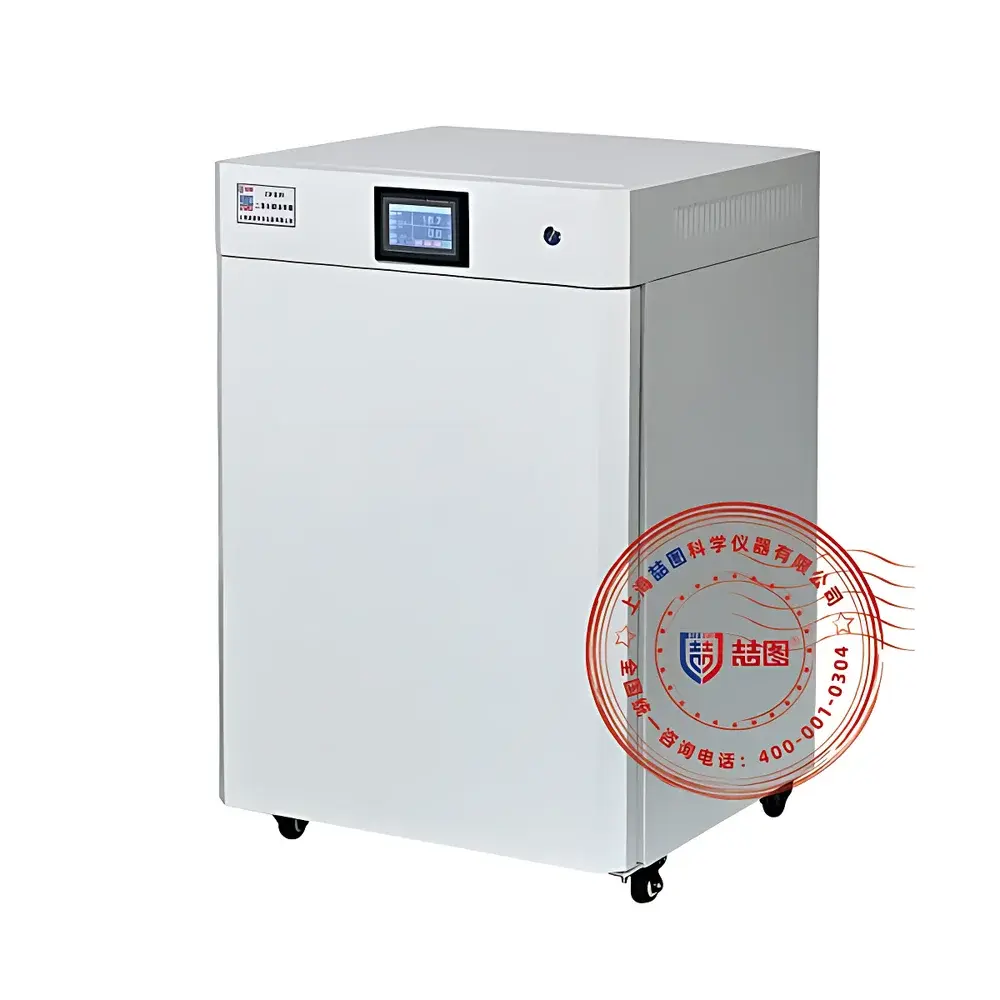
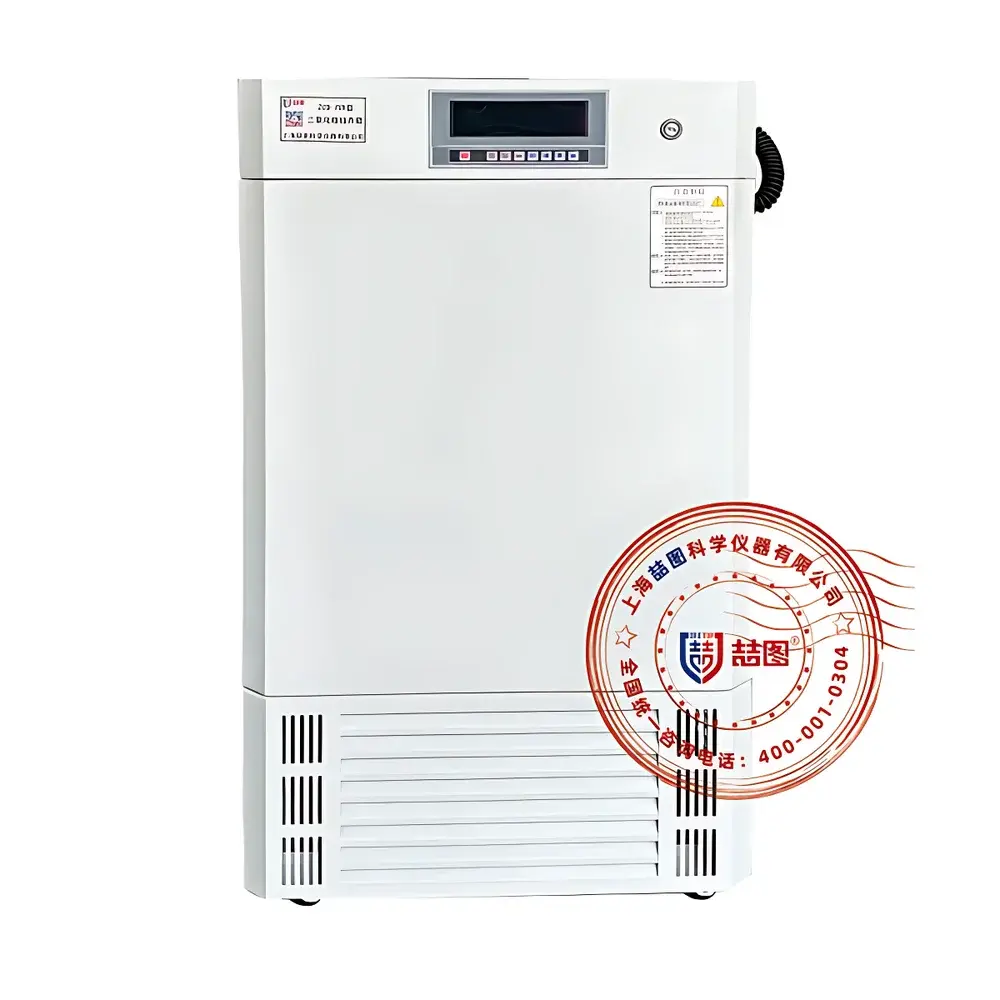
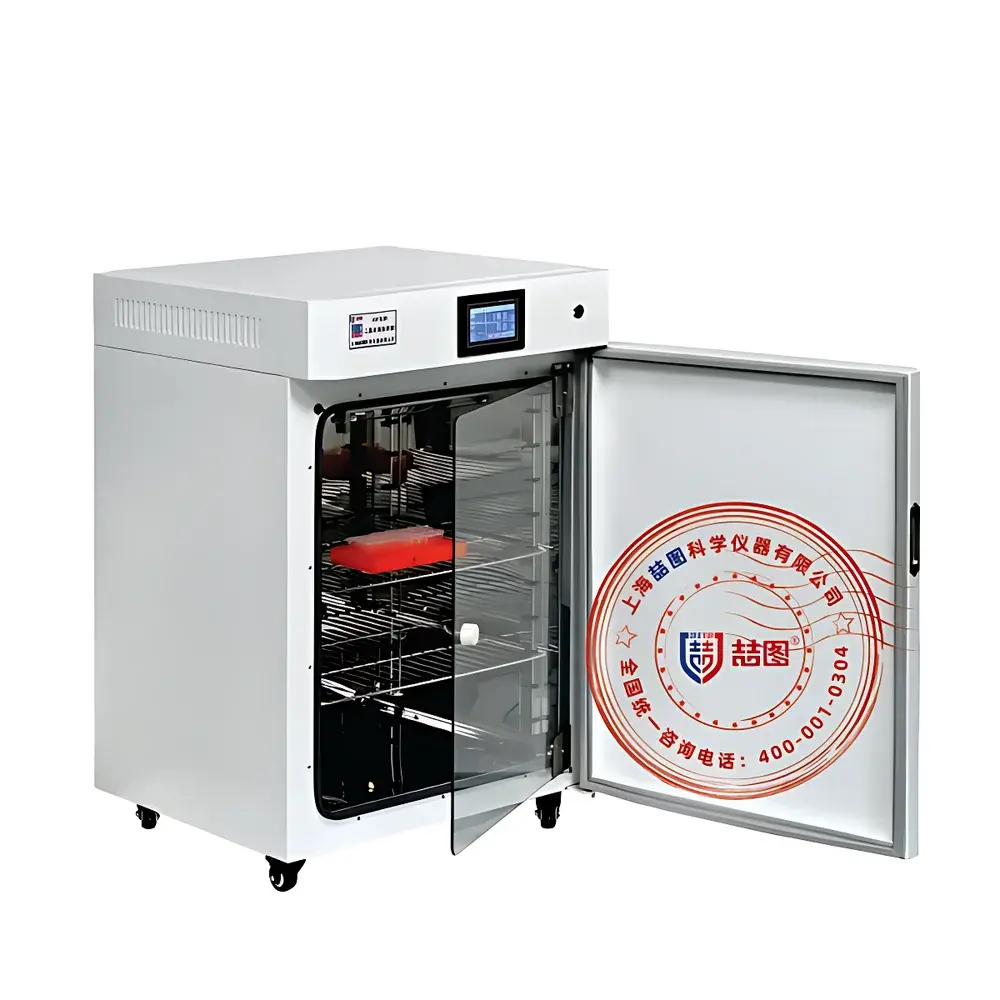
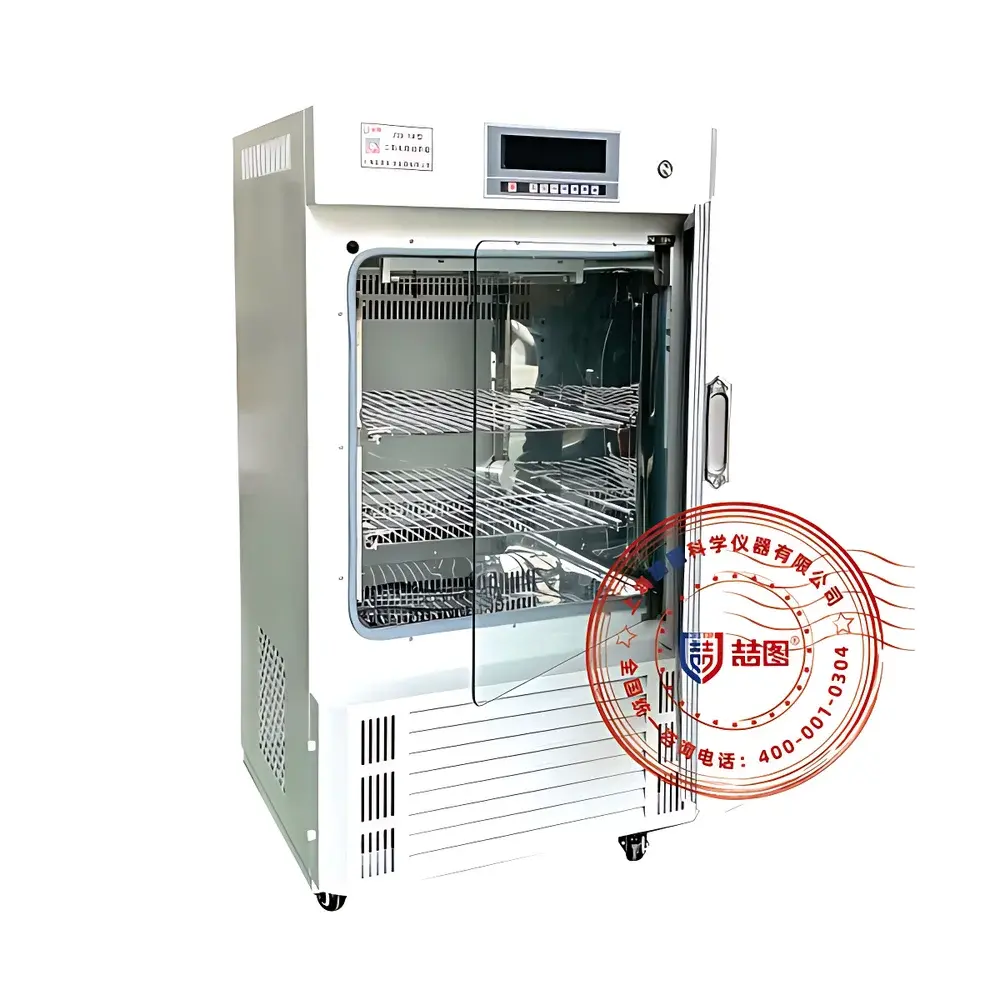
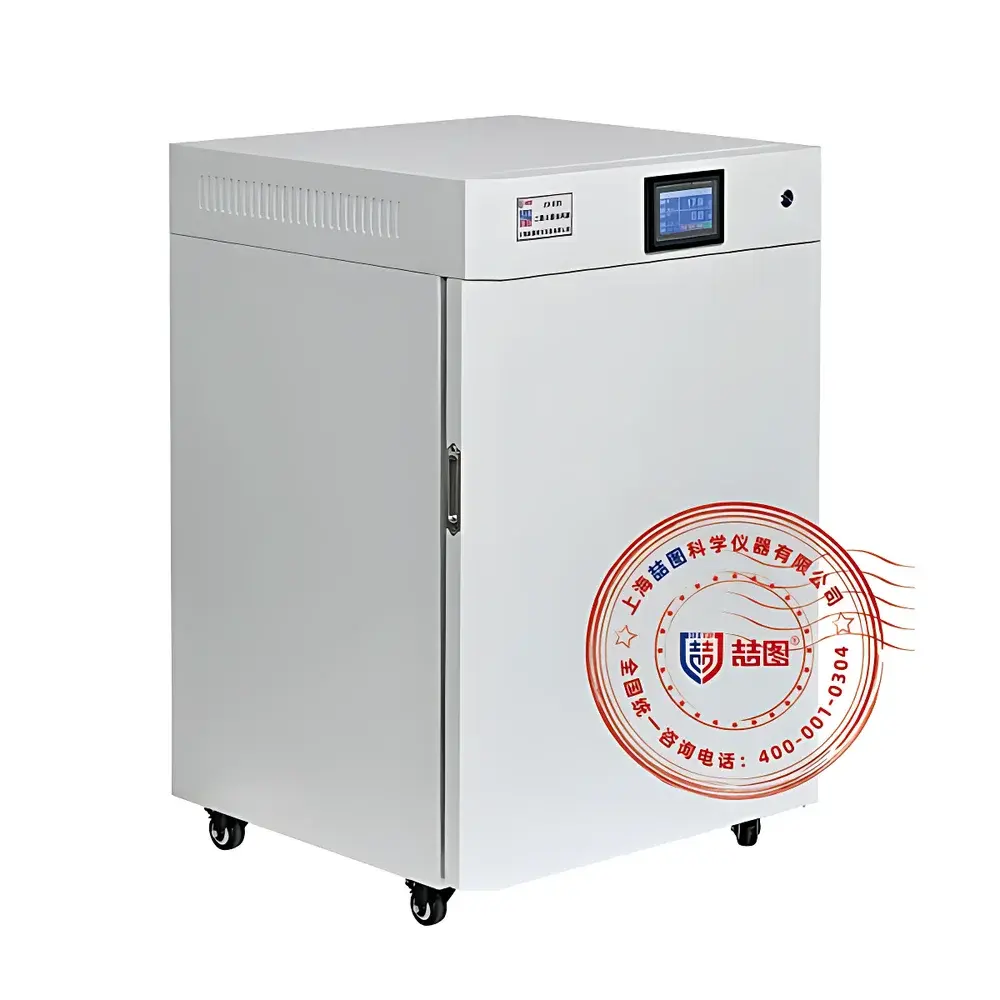
DRETOP ZCQ Series Triple-Layer CO₂ Incubator
| Brand | DRETOP |
|---|---|
| Origin | Shanghai, China |
| Instrument Type | Air-Jacketed CO₂ Incubator |
| CO₂ Detection | Infrared (IR), Single-Beam Dual-Wavelength Sensor |
| Temperature Control Range & Accuracy | RT+3°C to 55°C, ≤ ±0.1°C |
| Temperature Uniformity | ≤ ±0.3°C |
| CO₂ Concentration Control Range & Accuracy | 0–20%, ±0.1% |
| Humidity Control | 95% RH ±3% |
| Chamber Capacity | 160 L (nominal) |
| External Dimensions (W×D×H) | 650 × 620 × 950 mm |
| Internal Dimensions (W×D×H) | ≥500 × ≥530 × ≥630 mm |
| Standard Configuration | UV Germicidal Lamp (Ozone-Free), ULPA Air Filtration (≥99.999% @ 0.3 µm), Reservoir-Type Humidity Pan, Heated Inner Glass Door, Silver-Ion Antimicrobial Coating, RS485 Data Interface |
| Optional Features | 90°C Wet-Heat Sterilization Cycle, Reversible Door Hinge, Multi-Tier Stackable Design |
Overview
The DRETOP ZCQ Series Triple-Layer CO₂ Incubator is an air-jacketed, microprocessor-controlled environmental chamber engineered for high-fidelity mammalian cell culture under physiologically relevant conditions. It maintains precise, independent regulation of three critical parameters—temperature (typically 37°C), CO₂ concentration (commonly 5%), and relative humidity (≥95% RH)—to replicate in vivo extracellular microenvironments. Unlike water-jacketed systems, the ZCQ’s direct-heating air-jacket architecture employs eight discrete heating elements distributed across all six interior surfaces, enabling rapid thermal recovery (<5 min to 37°C after a 30-second door opening) and superior resistance to ambient fluctuations. The system operates on Couette-flow gas dynamics for uniform CO₂ distribution and integrates IR-based dual-wavelength CO₂ sensing—immune to O₂ interference or catalytic poisoning—to ensure long-term calibration stability without manual zero-point adjustment.
Key Features
- Air-jacketed heating with 8-zone independent thermal control and full 6-surface heating—optimized for rapid temperature stabilization and minimal overshoot during frequent access.
- Infrared (IR) single-beam dual-wavelength CO₂ sensor with automatic span calibration; measurement range 0–20% CO₂ at ±0.1% accuracy, unaffected by transient humidity or temperature shifts during door operation.
- Reservoir-style stainless steel humidity pan with large evaporation surface area—enables ≤3-minute RH recovery to 95% after door opening, minimizing desiccation risk to sensitive monolayers.
- Mirror-finish 304 stainless steel interior with seamless quarter-radius corners and tool-free adjustable shelving—supports up to 22 removable, anti-tilt shelves (460 × 470 mm minimum) that remain level even when extended halfway.
- Integrated ULPA filtration (≥99.999% @ 0.3 µm) mounted internally—capable of in-place sterilization at 90°C without sensor or filter removal, compliant with ISO 14644-1 Class 3 cleanroom air standards.
- Ozone-free UV-C germicidal lamp targeting airborne and aerosolized microbes within recirculated air and humidification vapor—validated per ISO 15714 for microbial reduction efficacy.
- Silver-ion (Ag⁺) and zinc oxide nanocoating applied to exterior surfaces—demonstrates ≥99.9% 24-hour bacteriostatic activity against S. aureus and E. coli per ISO 22196, resistant to repeated H₂O₂ and ozone decontamination cycles.
- Heated inner glass door with condensation-suppression circuitry—prevents moisture accumulation and subsequent microbial bridging across the viewing surface.
- RS485 serial interface as standard—enables integration into centralized lab monitoring systems (e.g., LabVantage, Thermo Fisher SampleManager) for audit-trail-capable data logging aligned with FDA 21 CFR Part 11 requirements.
Sample Compatibility & Compliance
The ZCQ Series accommodates standard T-flasks (up to T225), multiwell plates (6–96-well), Petri dishes, roller bottles, and custom bioreactor inserts. Its internal geometry supports simultaneous cultivation of adherent and suspension cultures without cross-contamination. All materials contacting the chamber interior—including gaskets, reservoir pans, and shelf coatings—comply with USP Class VI biological safety testing. The incubator meets IEC 61010-1 (Safety Requirements for Electrical Equipment for Measurement, Control, and Laboratory Use) and conforms to EN 60335-1 for household and similar electrical appliances. For GLP/GMP environments, the system supports configurable alarm thresholds (temperature, CO₂, door-open duration, ULPA pressure drop), event-driven logging, and password-protected parameter modification—facilitating compliance with Annex 11 (Computerized Systems) and WHO TRS 961.
Software & Data Management
While the ZCQ operates via an embedded microcontroller with LCD interface (no proprietary PC software required), its RS485 port enables protocol-level communication using Modbus RTU. Third-party SCADA platforms can poll real-time values (chamber temp, CO₂ %, RH %, door status, alarm flags) and store timestamped records with user-defined sampling intervals. Audit trails include operator ID, parameter change history, sterilization cycle logs, and filter life tracking—all exportable as CSV or XML. Optional firmware upgrades support TLS 1.2 encryption for secure networked deployment in regulated facilities requiring electronic record integrity per ALCOA+ principles.
Applications
The ZCQ Series serves as a foundational platform for applications demanding stringent environmental fidelity: primary human cell expansion for regenerative medicine; monoclonal antibody production via hybridoma culture; IVF embryo incubation under time-lapse-compatible conditions; toxicology screening using hepatic spheroids; CRISPR-edited stem cell differentiation assays; and long-term organoid maintenance. Its rapid recovery kinetics and robust contamination controls make it especially suited for core facilities supporting high-throughput drug discovery pipelines, where equipment uptime and inter-experiment reproducibility are governed by SOPs aligned with ISO/IEC 17025.
FAQ
What distinguishes air-jacketed from water-jacketed CO₂ incubators?
Air-jacketed systems use convective heating of internal chamber air via perimeter-mounted heaters—offering faster temperature recovery and lower operational weight, while eliminating risks associated with water leakage or microbial growth in jacket reservoirs.
Can the ZCQ perform validated sterilization cycles?
Yes—the optional 90°C wet-heat cycle achieves ≥6-log reduction of Geobacillus stearothermophilus spores per ISO 14644-2 Annex B, with full validation support documentation available upon request.
Is remote monitoring supported out of the box?
RS485 connectivity is standard; Ethernet or Wi-Fi gateways require external hardware. DRETOP provides Modbus register maps and sample Python scripts for integration with common lab informatics systems.
How often must the ULPA filter be replaced?
Filter lifetime is tracked autonomously via differential pressure sensing; replacement alerts trigger at ≥250 Pa ΔP, typically every 12–18 months under continuous operation in ISO Class 7 environments.
Does the CO₂ sensor require periodic recalibration?
No—the IR dual-wavelength design self-compensates for drift; factory calibration remains valid for 24 months under normal use, with optional annual verification using certified 5.00% CO₂ reference gas.




