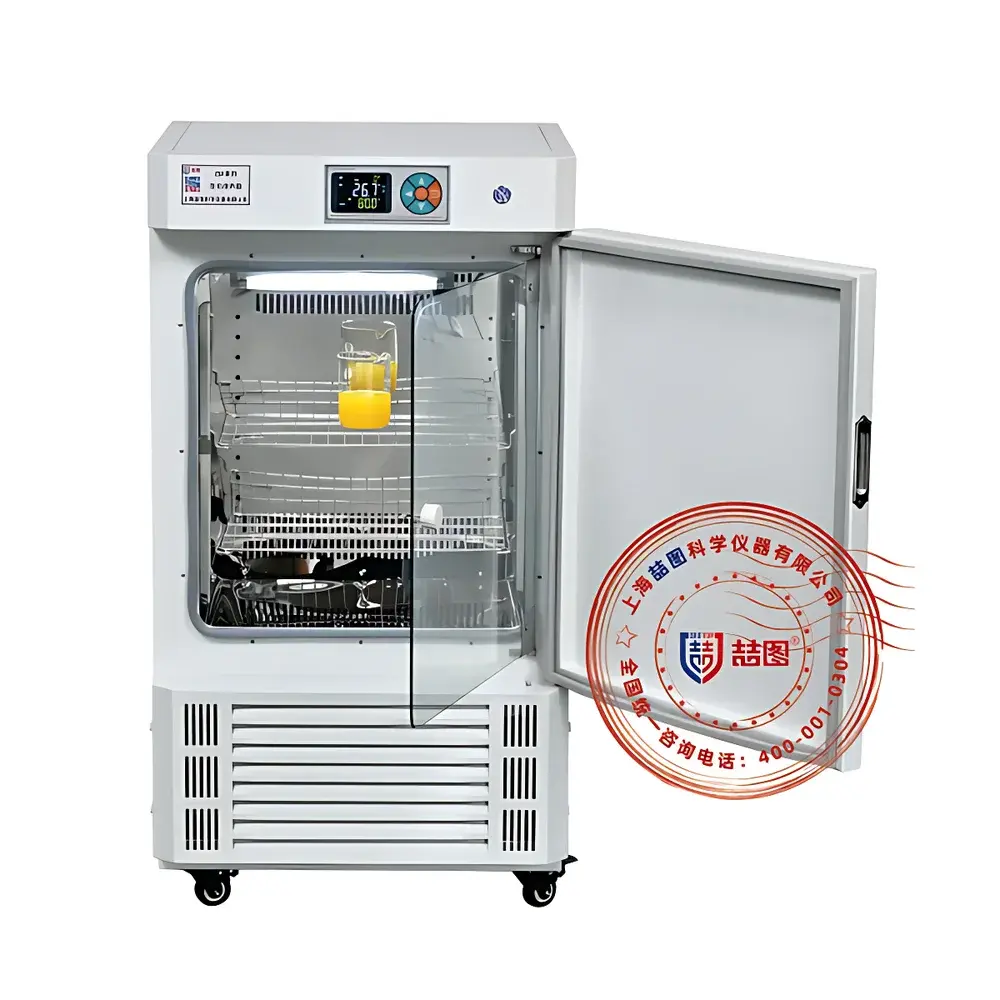
DRETOP ZSH Series Biochemical Incubator
| Brand | DRETOP |
|---|---|
| Origin | Shanghai, China |
| Heating Method | Water-Jacketed |
| Cooling Method | Compressor-Based |
| Air Circulation | Forced Convection |
| Temperature Range | 0–70 °C |
| Temperature Accuracy | ±1 °C |
| Temperature Fluctuation | ±0.5 °C |
| Temperature Uniformity | ±1 °C (empty chamber, 25 °C) |
| Capacity | 50–1500 L |
| External Dimensions | 350×310×500 to 2110×890×2050 mm |
Overview
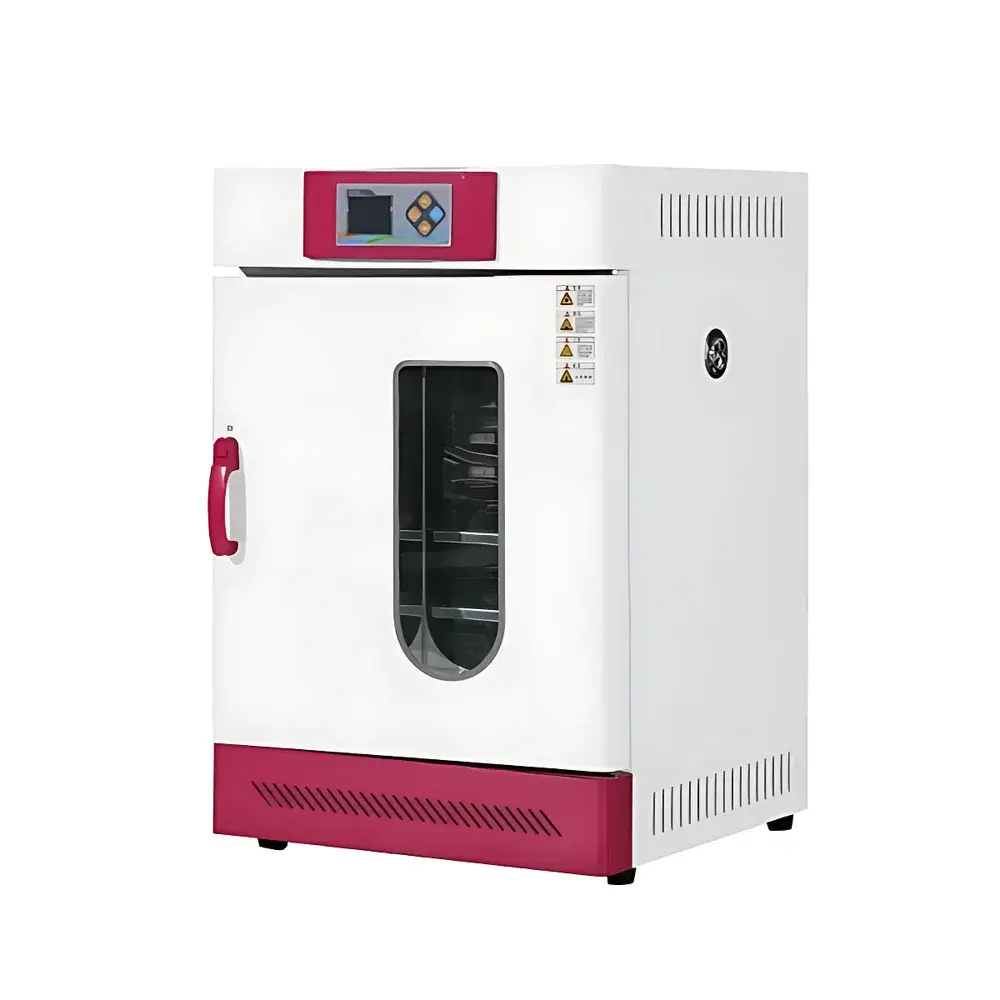
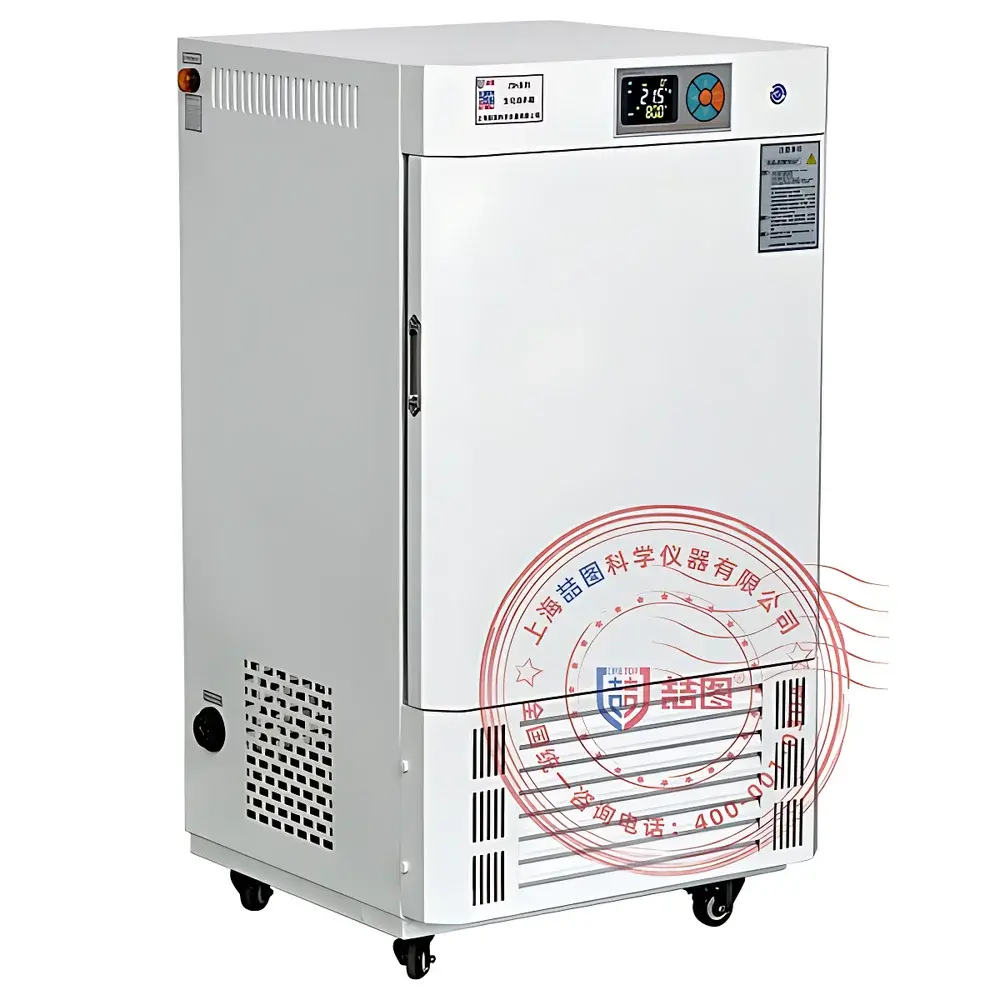
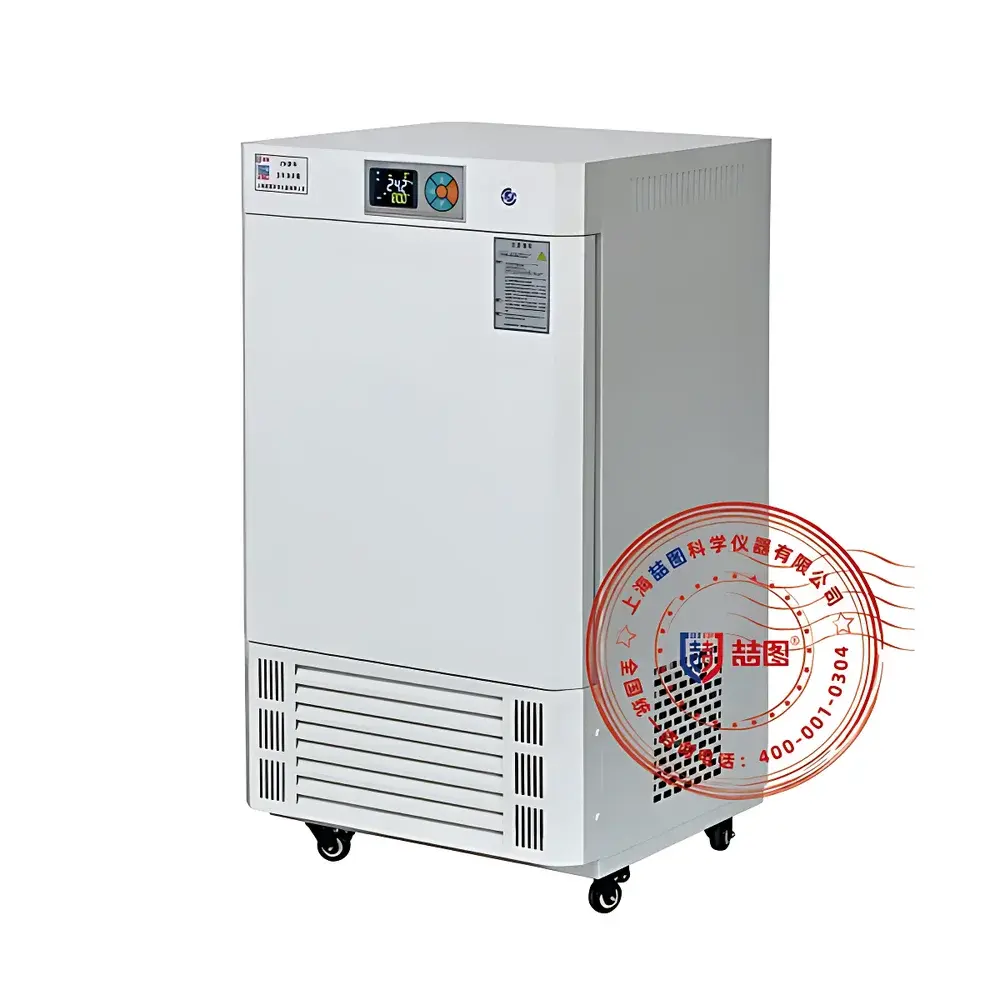
The DRETOP ZSH Series Biochemical Incubator is a precision-engineered, dual-mode temperature-controlled environment system designed for stable, long-term cultivation and incubation of biological samples under rigorously controlled thermal conditions. Utilizing a water-jacketed heating architecture combined with a high-efficiency compressor-based cooling system, the ZSH Series maintains uninterrupted thermal stability across its full operating range of 0–70 °C — enabling year-round operation regardless of ambient laboratory conditions. Its forced convection airflow system, driven by optimized axial-flow fans and engineered internal ducting, ensures uniform air distribution and minimizes thermal stratification. This architecture meets the fundamental requirements of biochemical process standardization in applications such as BOD testing, microbial growth studies, cell culture maintenance, enzymatic reaction monitoring, and environmental simulation protocols. The unit complies with core design principles outlined in ISO 13408-1 (aseptic processing), ASTM E1652 (laboratory incubator performance verification), and supports GLP-compliant workflows through configurable data logging and alarm traceability.
Key Features
- Microprocessor-based P.I.D. temperature control with 0.1 °C resolution and real-time digital display; programmable models (ZSH-P/T) support multi-segment ramp-soak profiles and time-based parameter scheduling.
- Water-jacketed heating system provides superior thermal inertia and reduced temperature overshoot during setpoint transitions, enhancing reproducibility in extended-duration assays.
- Environmentally compliant refrigeration using R134a or R600a zero-ozone-depletion refrigerants; compressor features intelligent start-delay logic and inter-cycle rest intervals to extend service life and reduce mechanical stress.
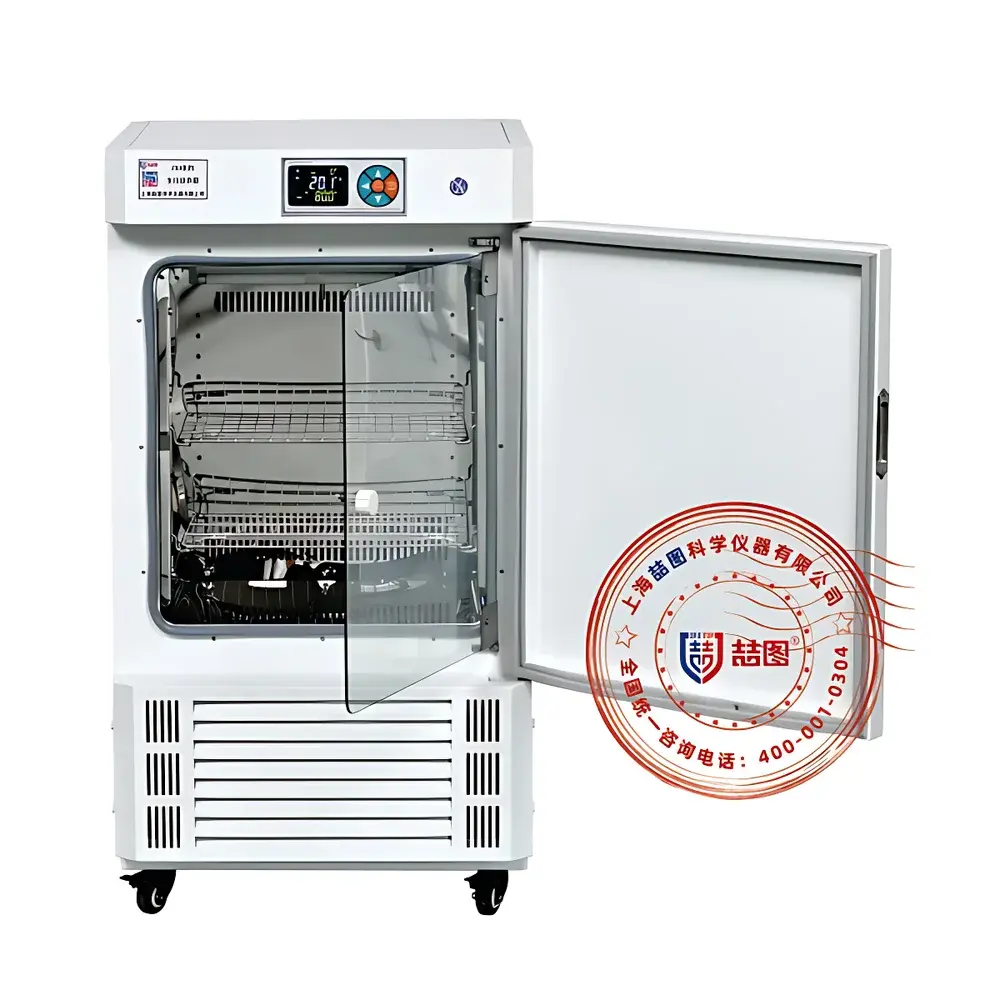
- Stainless steel interior chamber with removable, height-adjustable stainless steel shelves; rounded inner corners and seamless welds eliminate microbial harborage zones and facilitate autoclave-compatible cleaning.
- Dual-door observation window with tempered glass inner pane and magnetic silicone gasket outer seal — optimized for thermal insulation and condensation resistance during low-temperature operation.
- Modular safety architecture including independent over-temperature cutoff (mechanical backup), power-failure memory retention, and configurable audible/visual alarms for deviation events.
Sample Compatibility & Compliance
The ZSH Series accommodates a broad spectrum of sample formats — from standard Petri dishes, multi-well plates, and serum bottles to BOD bottles and custom bioreactor vessels. Optional BOD-rated electrical sockets (IPX4 rated) provide isolated, moisture-resistant power delivery inside the chamber for in-situ electrochemical monitoring. All models support optional RS485 communication interfaces compatible with Modbus RTU protocol for integration into centralized lab automation systems. Units are constructed in accordance with IEC 61010-1 (Safety Requirements for Electrical Equipment for Measurement, Control, and Laboratory Use) and include CE marking per EU Machinery Directive 2006/42/EC. Documentation packages support FDA 21 CFR Part 11 readiness when paired with validated third-party data acquisition software.
Software & Data Management
Programmable variants (ZSH-P and ZSH-T) integrate embedded controllers supporting up to 32 user-defined temperature/time profiles, each with up to 8 segments. Touchscreen models (ZSH-T) offer intuitive graphical interface navigation, real-time trend plotting, and USB export of timestamped temperature logs (CSV format). Optional RS485 connectivity enables remote parameter adjustment, real-time data streaming, and alarm event forwarding to SCADA or LIMS platforms. Audit trail functionality records all critical parameter changes, user logins, and alarm activations — supporting traceability requirements under ISO/IEC 17025 and GxP frameworks. Firmware updates are performed via secure USB key without requiring external network access.
Applications
- Biochemical Oxygen Demand (BOD5) analysis per APHA Standard Methods 5210B and ISO 5815-1, utilizing integrated BOD sockets and stable 20 °C incubation.
- Microbial enumeration and viability assessment (e.g., total viable count, coliform detection) in food, water, and pharmaceutical QC laboratories.
- Cultivation of mesophilic bacteria, yeasts, and fungi under standardized aerobic or microaerophilic conditions.
- Environmental stress testing — including temperature-dependent enzyme kinetics, thermal tolerance screening, and accelerated stability studies.
- Educational use in undergraduate and graduate life science curricula for teaching core concepts in microbiology, biochemistry, and environmental science.
FAQ
What temperature uniformity specifications apply under loaded conditions?
Temperature uniformity of ±1 °C is specified at 25 °C in empty chamber per ASTM E1652. Loaded uniformity varies with rack configuration and sample thermal mass; typical deviation remains within ±1.5 °C when using ≤70% shelf loading with standard glassware.
Is the unit suitable for CO₂-independent cell culture applications?
Yes — the ZSH Series maintains precise temperature and humidity stability required for non-CO₂-dependent cultures (e.g., insect cells, certain hybridomas, and microbial fermentations); however, it does not regulate CO₂ or O₂ partial pressures.
Can the incubator be validated for IQ/OQ/PQ protocols?
All ZSH models ship with factory calibration certificates (NIST-traceable reference sensors) and include mounting points for validation thermocouples. Optional IQ/OQ documentation kits and on-site PQ support are available through authorized DRETOP service partners.
What maintenance intervals are recommended for compressor-based units?
Compressor oil and refrigerant integrity should be verified annually; air intake filters require cleaning every 3 months in standard lab environments. Full preventive maintenance is advised every 24 months or after 10,000 operational hours.
Are custom internal dimensions or shelving configurations available?
Yes — DRETOP offers OEM engineering support for modified chamber layouts, reinforced shelves, and specialized mounting brackets. Lead time and minimum order quantities apply for non-standard configurations.