

English Product Name
| Brand | Royal Biotech GmbH |
|---|---|
| Origin | Germany |
| Manufacturer Type | Authorized Distributor |
| Origin Category | Imported |
| Model | RVLM |
| Price | USD 36,500 (approx.) |
Overview
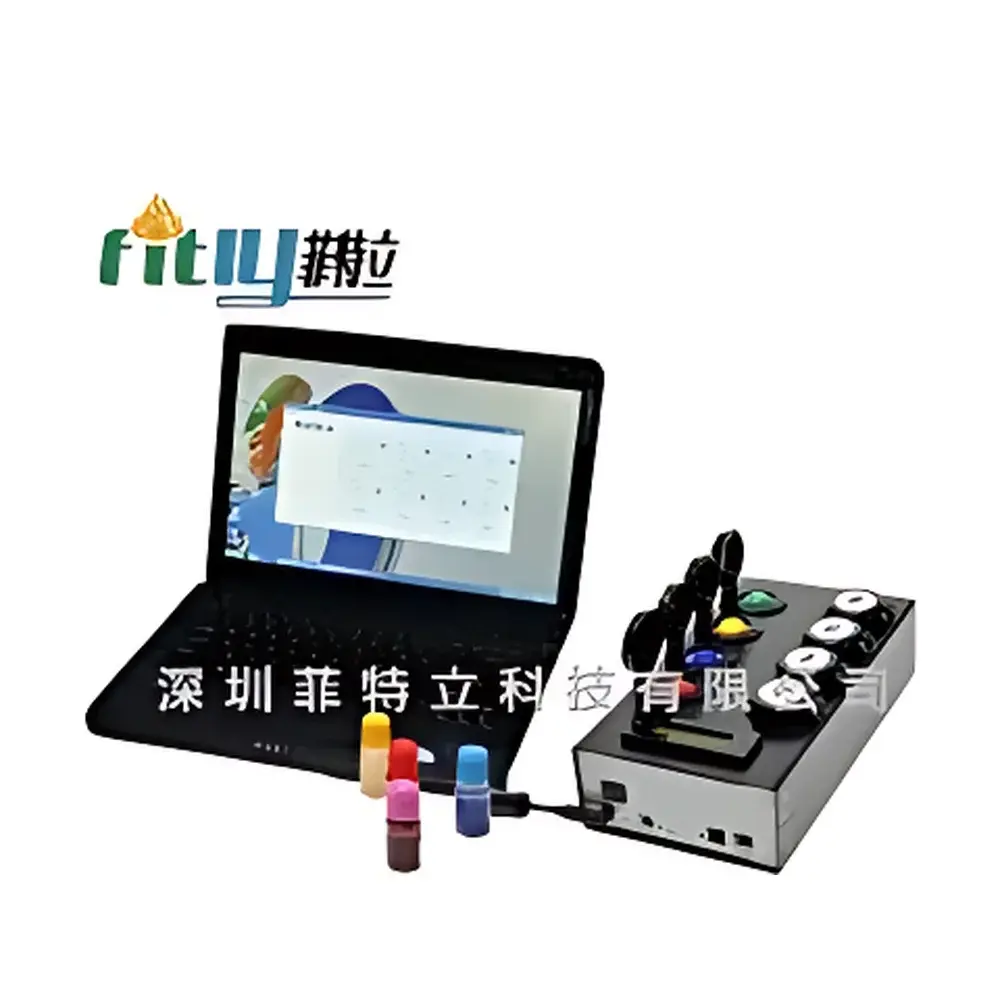
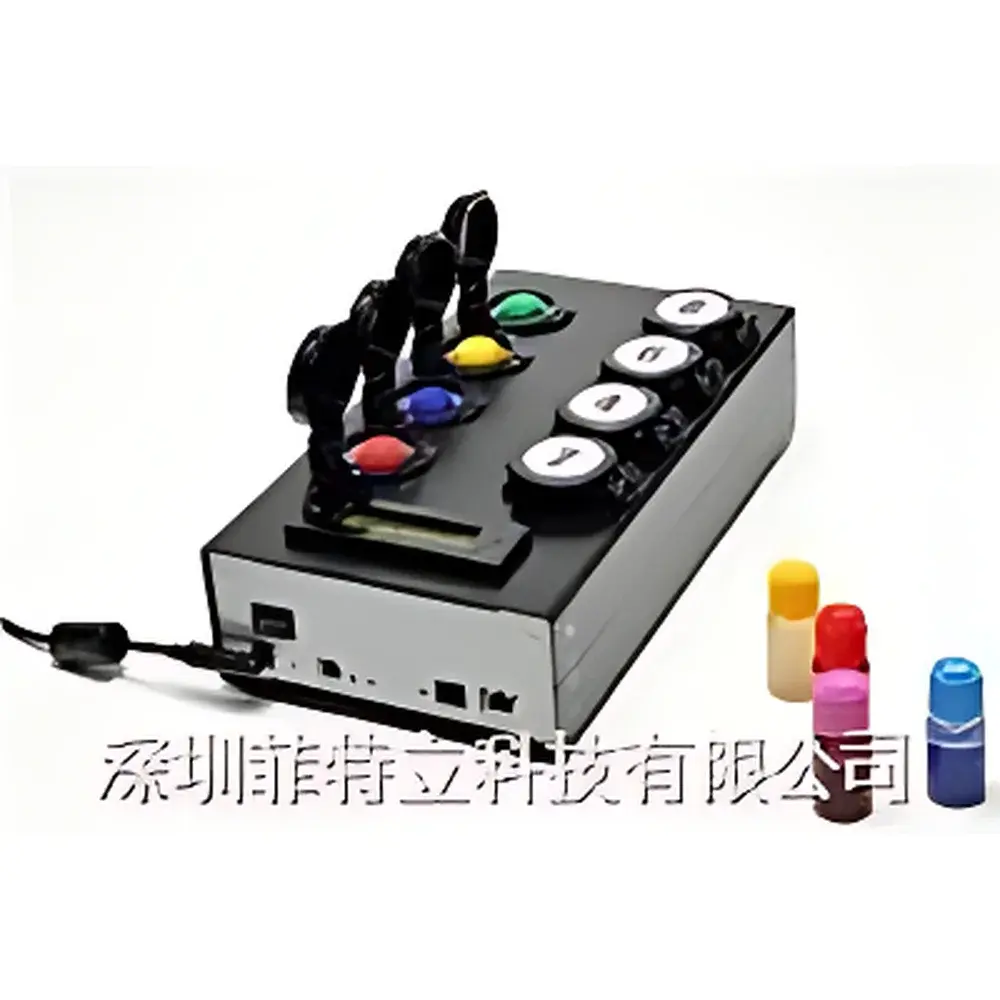
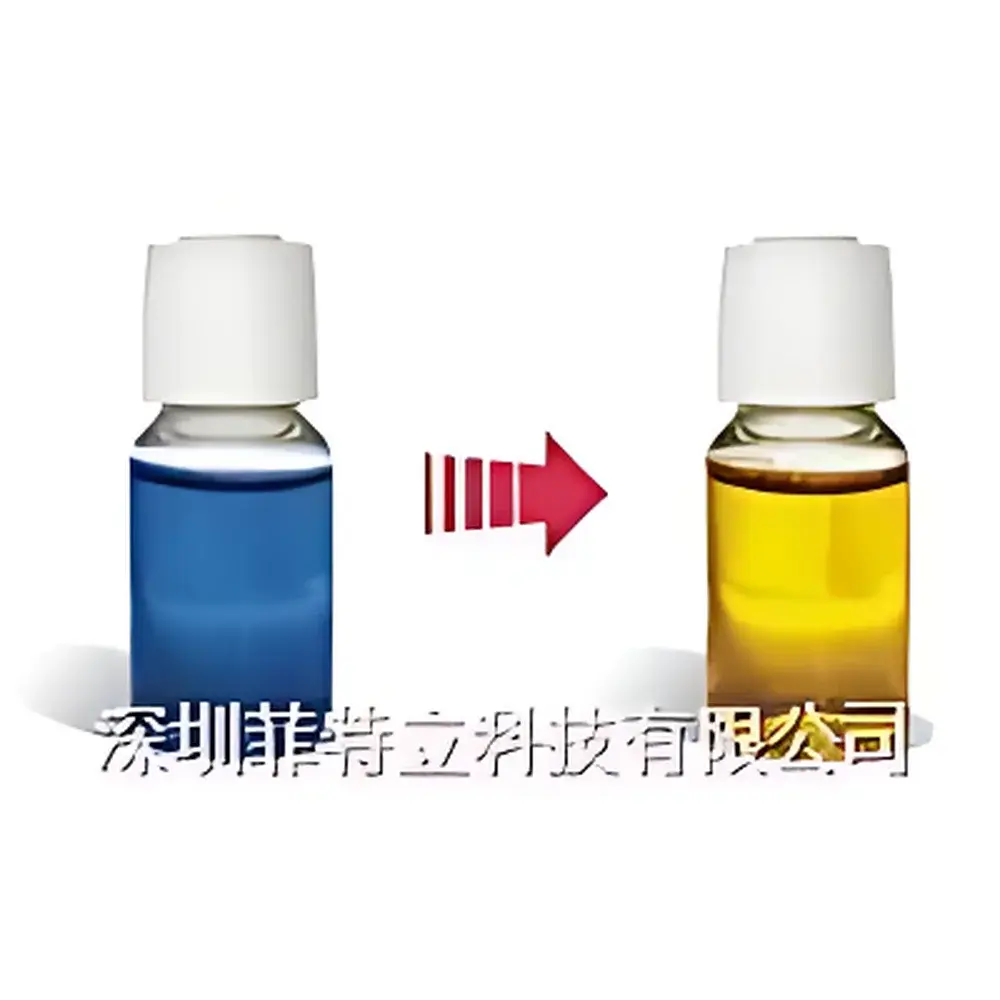
The Royal Biotech GmbH RVLM Real-Time Microbial Detection System is an integrated, optical-based rapid microbiology platform engineered for simultaneous qualitative and quantitative detection of viable microorganisms in diverse sample matrices. Unlike conventional culture-dependent or single-modality molecular assays, the RVLM system employs a proprietary multi-modal biochemical recognition architecture—combining selective enrichment, enzymatic signal amplification (e.g., β-glucuronidase activity), immuno-capture, and nucleic acid hybridization principles—within a single-use, self-contained detection vial. This convergence enables real-time monitoring of microbial metabolic activity via kinetic colorimetric response, interpreted by a precision optical reader. The system operates on the fundamental principle that viable target organisms induce time-resolved chromogenic shifts proportional to their initial concentration (CFU/mL or CFU/g), eliminating reliance on colony formation or thermal cycling. Designed for compliance with ISO 16140:2003 for validation of alternative microbiological methods, the RVLM system serves as a validated replacement for reference culture-based procedures across food safety, pharmaceutical quality control, environmental monitoring, and HACCP-aligned hygiene verification programs.
Key Features
- True zero-preparation workflow: Direct inoculation of solid, liquid, surface (via sterile swab), semi-solid (e.g., pastes, slurries, pulp), and viscous samples—no homogenization, dilution, filtration, or centrifugation required.
- Ultra-low detection limit: Capable of detecting ≥1 viable target organism per assay (theoretical lower limit of detection), validated per ISO 16140:2003 statistical robustness criteria.
- High analytical specificity: ≥99.999% specificity against non-target flora, achieved through orthogonal recognition layers (enzyme-substrate + antibody-epitope + sequence-specific probe).
- Parallel 8-channel quantification: Integrated incubation reader accommodates eight vials simultaneously, each independently monitored with temperature-controlled incubation (30–44 °C range, programmable per assay).
- Portable, field-deployable design: Battery-powered (standard laptop-grade Li-ion) with USB-C connectivity; operates offline and syncs data upon reconnection.
- Automated optical endpoint detection: High-resolution photometric sensor array tracks absorbance kinetics at multiple wavelengths (450–650 nm), enabling dynamic curve fitting and CFU estimation without user interpretation bias.
- Single-use, biohazard-integrated vials: Integrated sterilization cap activates chemical inactivation post-assay; compliant with WHO/UN classification for safe disposal as medical waste (Class B).
Sample Compatibility & Compliance
The RVLM system accepts undiluted samples across regulatory-relevant matrices: raw and processed foods (meat, dairy, produce), potable and recreational water, pharmaceutical excipients, cosmetic emulsions, environmental swabs (stainless steel, plastic, ceramic), and clinical stool specimens (for *in vitro* diagnostic use outside EU IVD Directive scope). Each analyte-specific vial is pre-formulated with matrix-compatible buffering, selective inhibitors, and chromogenic substrates optimized per ISO/IEC 17025 method validation guidelines. The platform meets ISO 16140:2003 requirements for equivalence assessment against ISO 4833-1 (aerobic colony count), ISO 16649-2 (*E. coli*), ISO 6579-1 (*Salmonella*), ISO 11290-1 (*Listeria*), and ISO 6888-1 (*Staphylococcus aureus*). All vials are manufactured under ISO 13485-certified conditions and retain stability for 18 months at 4 °C or 12 months at 20–25 °C.
Software & Data Management
The RVLM Analysis Suite (v4.2+) runs natively on Windows 7/10/11 (64-bit) and supports full 21 CFR Part 11 compliance with electronic signatures, audit trails, role-based access control, and immutable data logging. Each assay generates a timestamped, instrument-signed PDF report containing raw kinetic curves, calculated CFU values, confidence intervals (based on Poisson distribution modeling), pass/fail status against user-defined limits (e.g., EC No. 2073/2005), and metadata (operator ID, sample ID, incubation profile). Data export options include CSV, XML, and LIMS-compatible ASTM E1384 formats. Software validation documentation (IQ/OQ/PQ protocols) and raw data archives are retained for ≥25 years per GLP/GMP retention policies.
Applications
The RVLM system is deployed in regulated environments requiring rapid, auditable, and statistically defensible microbial enumeration:
- Food production: Real-time lot release testing for aerobic plate count, coliforms, *E. coli*, *Salmonella*, *Listeria monocytogenes*, and *Staphylococcus aureus* per FDA Bacteriological Analytical Manual (BAM) and USDA-FSIS directives.
- Pharmaceutical QC: Environmental monitoring (EM) of Grade C/D cleanrooms per ISO 14644-1 and USP , water-for-injection (WFI) bioburden trending, and non-sterile product microbial limits testing (USP ).
- Public health: Field-based outbreak investigation by CDC-equivalent laboratories; port-of-entry screening for imported commodities under ICS/SPS agreements.
- Healthcare facilities: Point-of-care stool pathogen screening in resource-constrained settings where PCR infrastructure is unavailable; hospital environmental hygiene audits (HVAC condensate, sink drains).
- Contract testing labs: Method equivalency studies supporting AOAC PTM or MicroVal certification submissions.
FAQ
Can the RVLM system detect non-viable (dead) microorganisms?
No. The system detects only metabolically active, viable cells capable of enzymatic turnover or immunorecognition within the vial’s defined incubation window.
Is anaerobic microorganism detection supported?
Yes. Dedicated vials for *Clostridium perfringens* and sulphite-reducing clostridia include oxygen-scavenging agents and redox-sensitive chromogens validated per ISO 7932 and ISO 15214.
What is the required sample volume or mass?
0.1–1.0 g or 0.1–1.0 mL of undiluted sample, supplemented with 11 mL sterile water (10 mL for liquid samples). Statistical equivalence across this range is demonstrated per ISO 16140 Annex D.
Does the system require a laminar flow hood or sterile technique during sample addition?
No. Vial chemistry includes broad-spectrum background suppression; ambient environment introduction does not compromise specificity or limit of detection.
How is result interpretation standardized across operators?
Quantitative analysis is fully automated via optical kinetics; qualitative interpretation uses manufacturer-provided color transition charts (start color → positive color) aligned with ISO 16140-defined decision rules.
Are validation documents available for regulatory submission?
Yes. Full validation packages—including method transfer protocols, ruggedness studies, and ISO 16140:2003 equivalence reports—are provided with each instrument shipment and updated annually.






