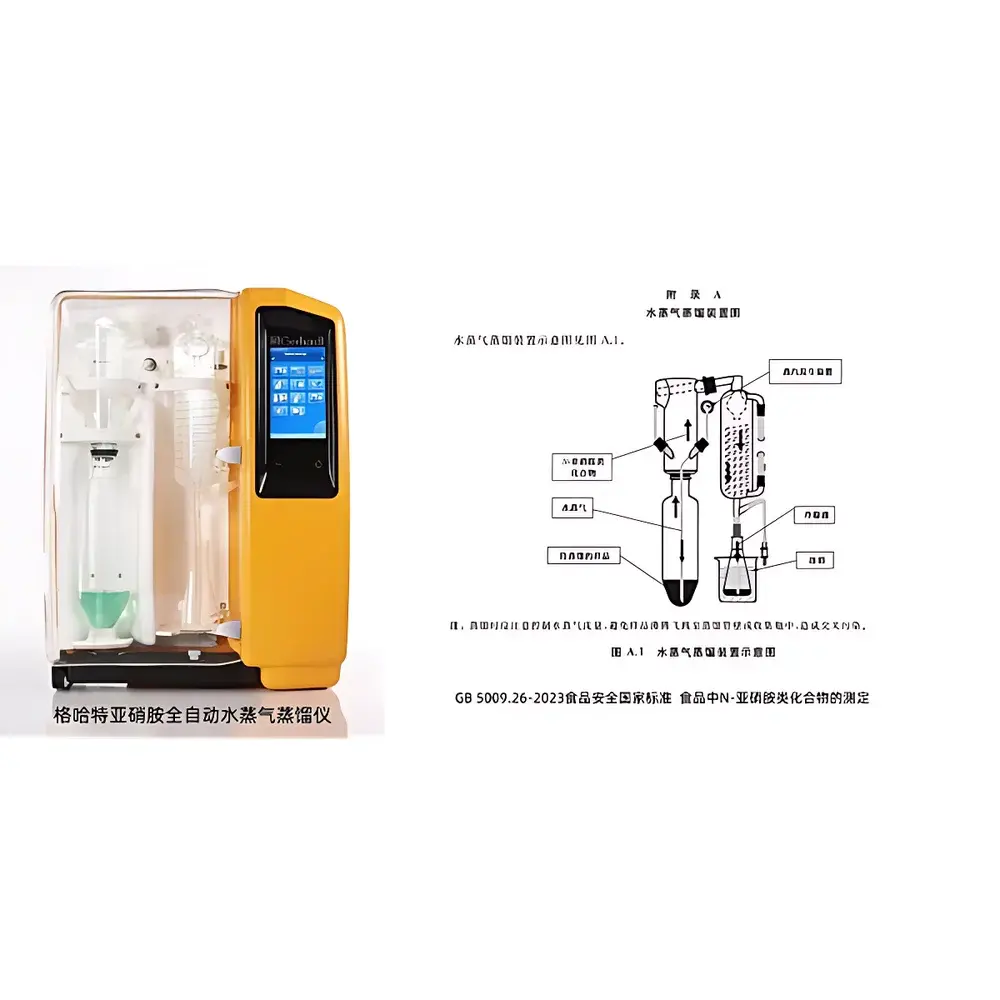
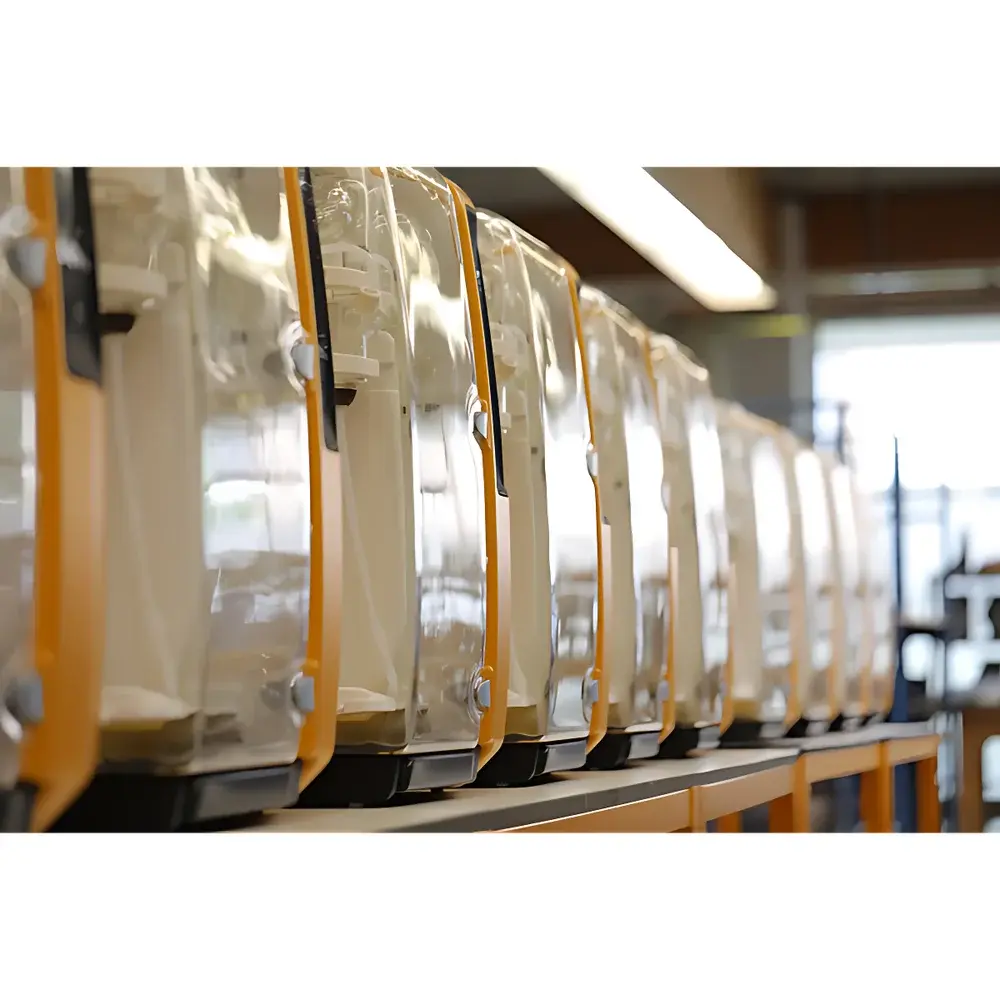
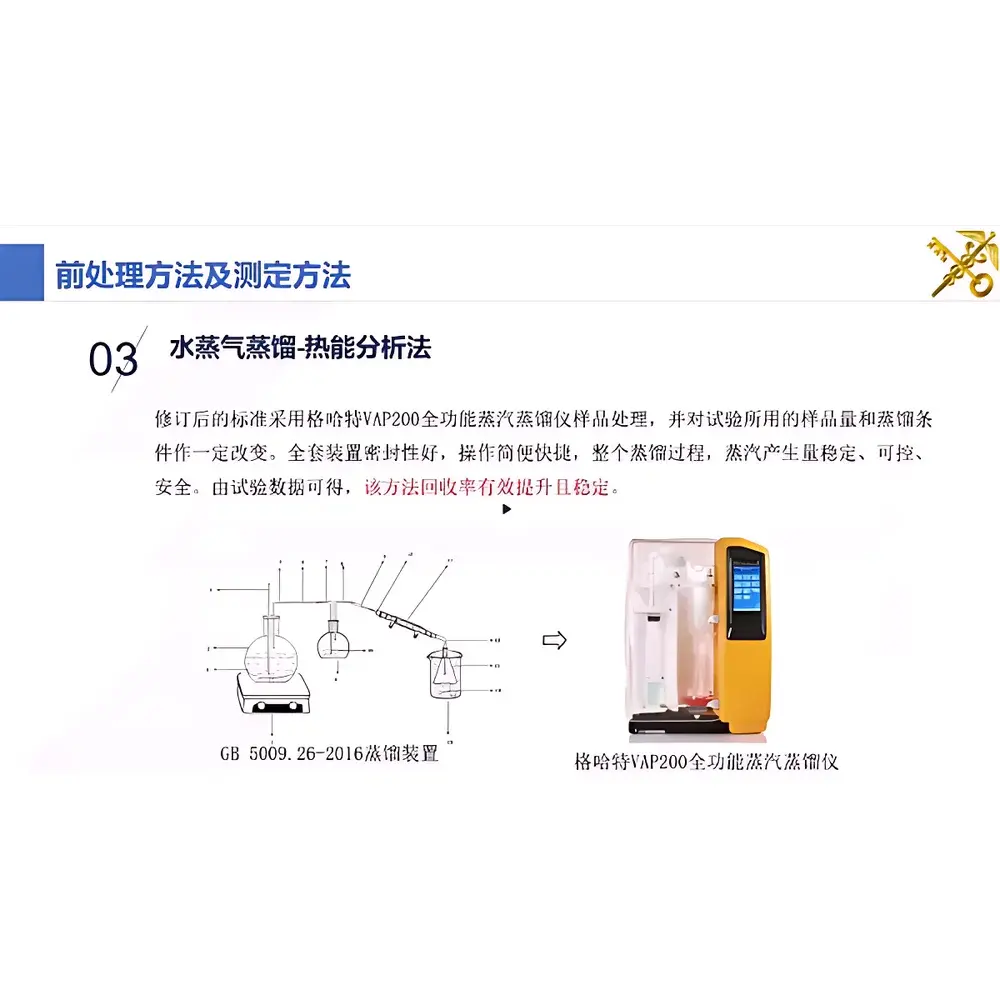
Gerhardt VAPODEST 200 Steam Distillation System for N-Nitrosamine Analysis in Food
| Brand | Gerhardt |
|---|---|
| Origin | Germany |
| Manufacturer | C. Gerhardt GmbH & Co. KG |
| Type | Imported Instrument |
| Model | VAPODEST 200 |
| Power | 2200 W |
| Supply Voltage | 220 V AC, 50/60 Hz |
| Water Consumption | ~5 L/min |
| Distillation Time (for N-nitrosamines) | 6–10 min |
| Dimensions (W×D×H) | 527 × 390 × 697 mm |
| Weight | 25 kg |
| Compliance | Fully compliant with GB 5009.26–2023 |
Overview
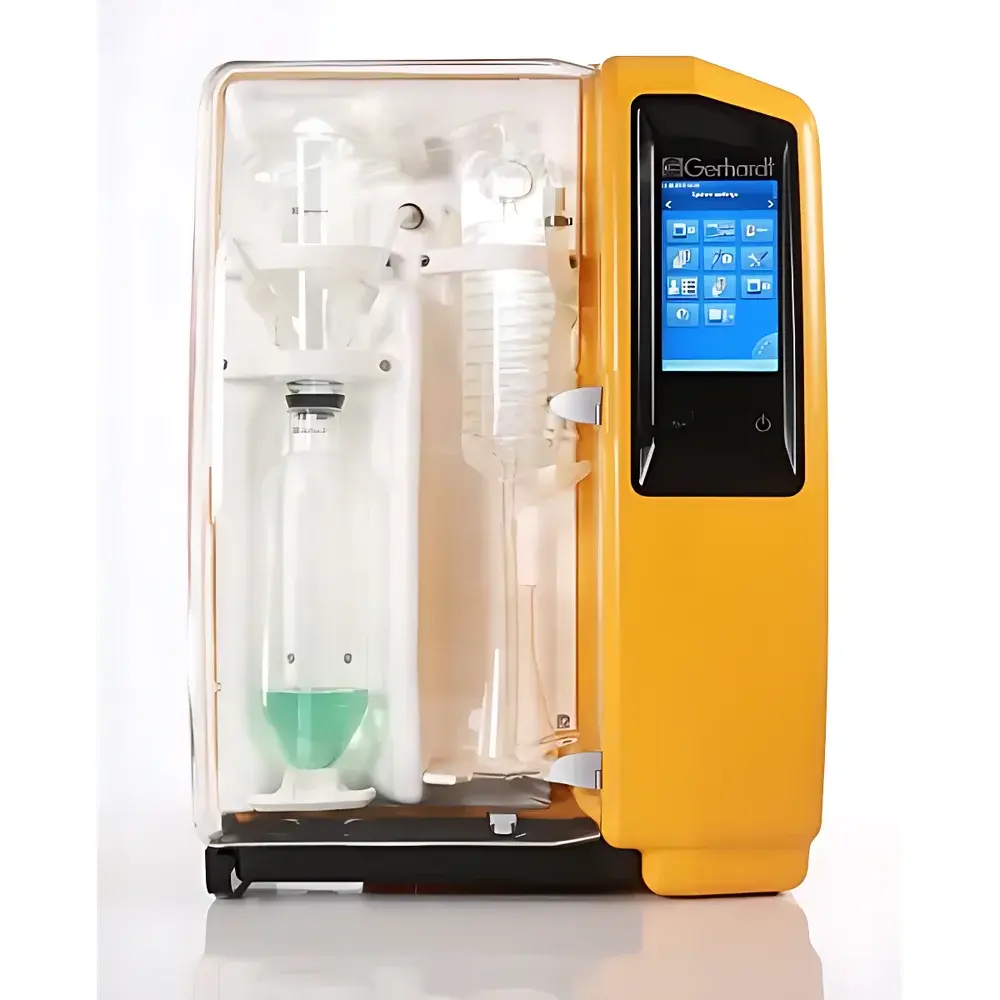
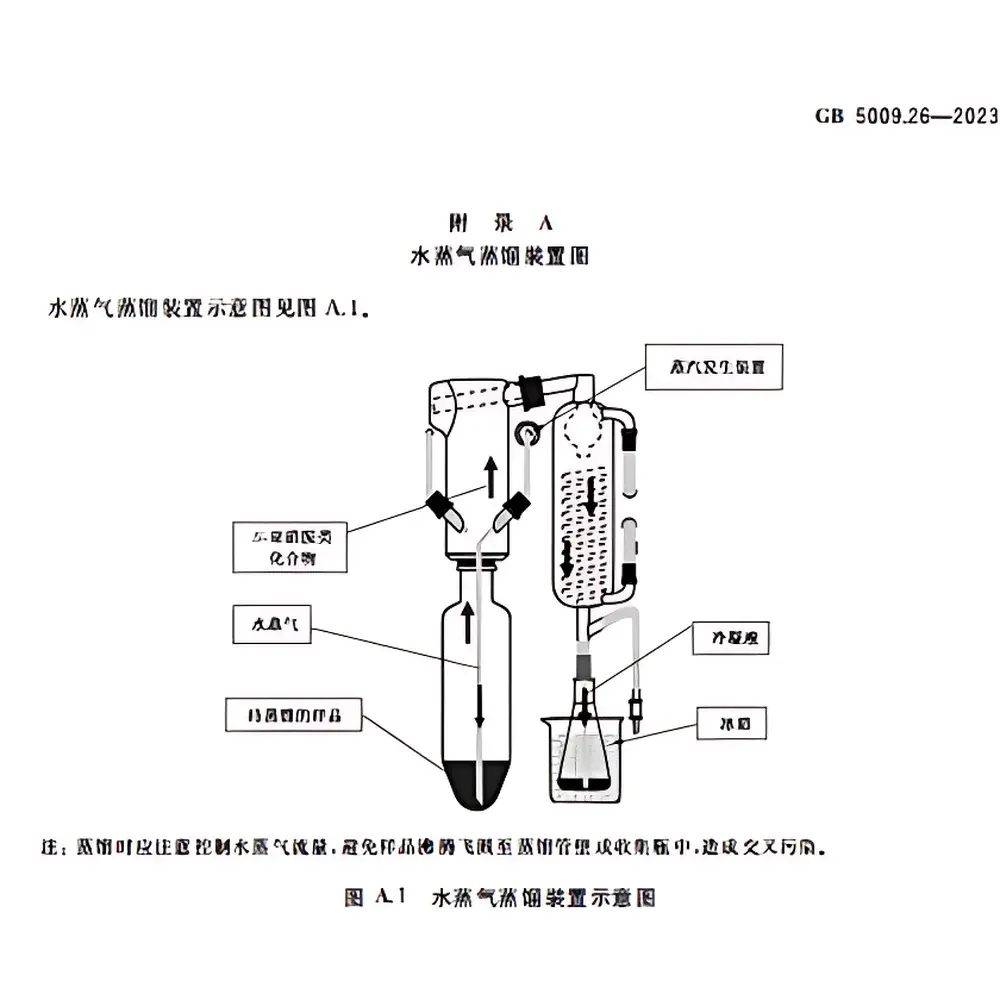
The Gerhardt VAPODEST 200 is a fully automated, precision-engineered steam distillation system designed specifically for the quantitative isolation and pre-concentration of volatile N-nitrosamine compounds from complex food matrices prior to instrumental analysis (e.g., GC-MS, LC-MS/MS). Operating on the principle of controlled steam distillation—where saturated steam is introduced into the sample under precisely regulated temperature and pressure conditions—the VAPODEST 200 ensures selective volatilization of target analytes while minimizing co-distillation of interfering matrix components. Its design adheres strictly to the procedural requirements outlined in GB 5009.26–2023, China’s national standard for the determination of N-nitrosamines in food, and aligns functionally with internationally recognized steam distillation protocols referenced in AOAC Official Methods® and ISO 15854:2016 (Foodstuffs — Determination of volatile N-nitrosamines). The instrument integrates a dedicated steam generator with dynamic 10–100% adjustable steam output and an intelligent steam standby mode that eliminates thermal lag and guarantees immediate, stable vapor delivery upon initiation—critical for method reproducibility across high-throughput food safety laboratories.
Key Features
- Microprocessor-controlled steam generation with continuous 10–100% output modulation, enabling method-specific optimization for diverse food types (e.g., cured meats, fermented dairy, smoked fish)
- Integrated steam standby function: maintains ready-state vapor pressure without continuous energy draw, reducing thermal inertia and improving inter-run consistency
- Robust stainless-steel distillation manifold and condenser assembly engineered for long-term corrosion resistance against acidic and saline food digests
- Compliance with EN ISO 9001 throughout full product lifecycle—from R&D and component sourcing to final assembly and factory calibration
- Compact footprint (527 × 390 × 697 mm) and modular design facilitate integration into ISO/IEC 17025-accredited testing labs with space-constrained fume hood environments
- Self-diagnostic system monitors steam pressure, coolant flow, and heating element integrity, logging operational parameters for GLP-compliant audit trails
Sample Compatibility & Compliance
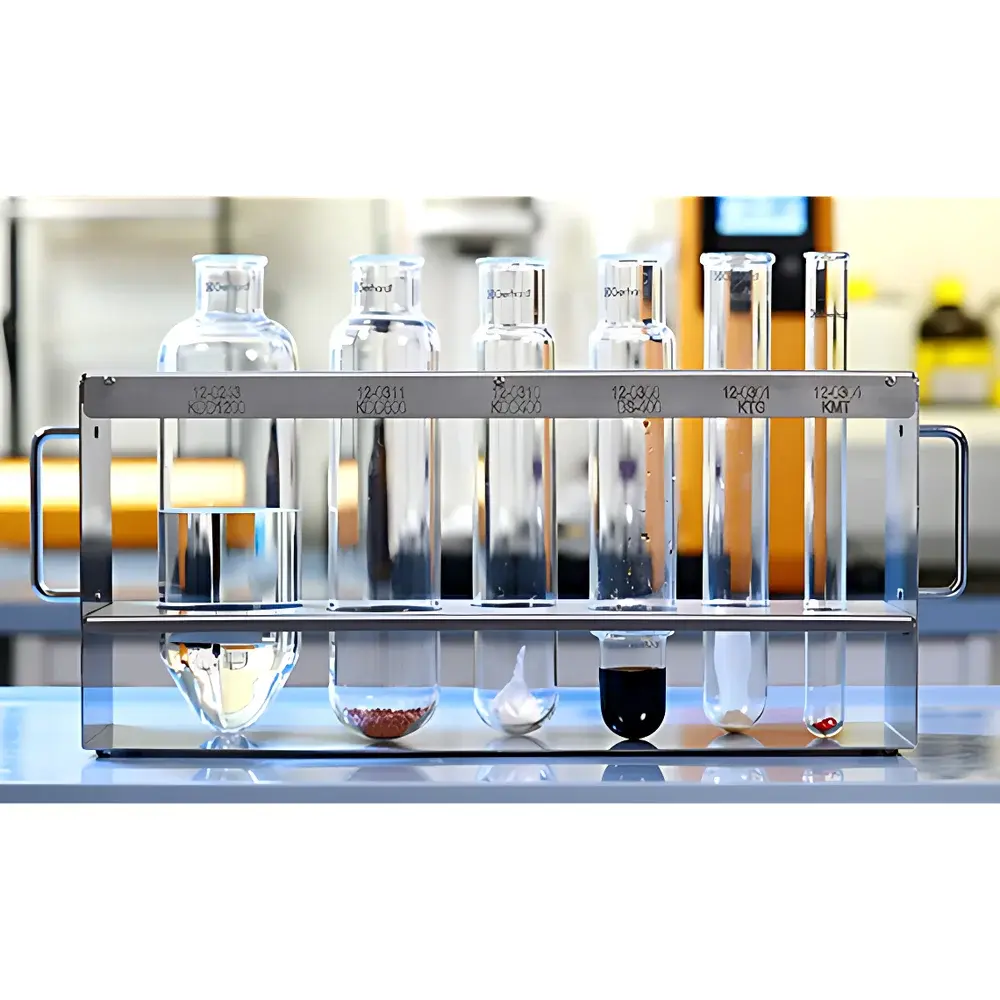
The VAPODEST 200 accommodates standard 500 mL borosilicate distillation flasks and supports direct coupling to Gerhardt’s optional cold trap or inline solvent extraction modules for seamless transfer to downstream analytical instrumentation. It is validated for use with homogenized solid foods (after acidification and enzymatic digestion), liquid beverages, and semi-solid products such as sausages, cheese, and infant formula. All wetted parts comply with FDA 21 CFR §177.2420 (food-contact plastics) and EU Regulation (EC) No 1935/2004. Method validation data confirm recovery rates of 85–102% for key analytes—including NDMA, NDEA, and NMOR—across fortified food samples at levels ranging from 0.1 to 10 µg/kg, meeting the accuracy and precision criteria specified in GB 5009.26–2023 and ISO/IEC 17025 clause 5.4.2.
Software & Data Management
While the VAPODEST 200 operates via intuitive front-panel controls, it supports optional RS-232/USB connectivity for integration into laboratory information management systems (LIMS). All run logs—including start/stop timestamps, steam setpoint, actual distillation duration, and fault codes—are timestamped and exportable in CSV format. When deployed in regulated environments (e.g., contract testing labs serving EU or US markets), the system can be configured to meet FDA 21 CFR Part 11 requirements through third-party LIMS platforms that provide electronic signatures, audit trail retention (>10 years), and role-based user access control—ensuring full traceability from sample receipt to distillate collection.
Applications
- Routine monitoring of N-nitrosamine contamination in processed meat products subject to nitrite curing
- Verification of process efficacy in thermal decontamination steps aimed at nitrosamine mitigation
- Method development and validation studies supporting regulatory submissions to SAMR, EFSA, or FDA
- Reference laboratory participation in proficiency testing schemes (e.g., FAPAS®, QUASIMEME) for volatile amine analysis
- Research applications investigating nitrosation kinetics under varying pH, temperature, and catalyst conditions
FAQ
Does the VAPODEST 200 require external cooling water?
Yes—it uses a recirculating chiller-compatible condenser requiring coolant flow at 10–15 °C; integrated flow sensor triggers automatic shutdown if circulation fails.
Can it be used for non-nitrosamine applications, such as volatile phenol or formaldehyde distillation?
While optimized for N-nitrosamines per GB 5009.26–2023, its steam control architecture supports adaptation to other AOAC or ISO steam distillation methods with appropriate method verification.
Is factory calibration certificate included with shipment?
Yes—each unit ships with a DIN EN ISO/IEC 17025-accredited calibration report covering steam output linearity, timer accuracy, and temperature stability across operating range.
What maintenance intervals are recommended for routine operation?
Daily descaling of the steam generator (using Gerhardt-recommended citric acid solution), quarterly inspection of silicone gaskets and condenser seals, and annual verification of pressure relief valve function per EN 285.