
Harvard Apparatus HAPC Syringe Pump Controller
| Brand | Harvard Apparatus |
|---|---|
| Origin | USA |
| Manufacturer Type | Authorized Distributor |
| Product Origin | Imported |
| Model | HAPC |
| Instrument Type | Micro-syringe Pump |
| Flow Rate Range | 0.54 pL/min – 215.8 mL/min |
| Accuracy | ±0.35% |
| Repeatability | ±0.05% |
Overview
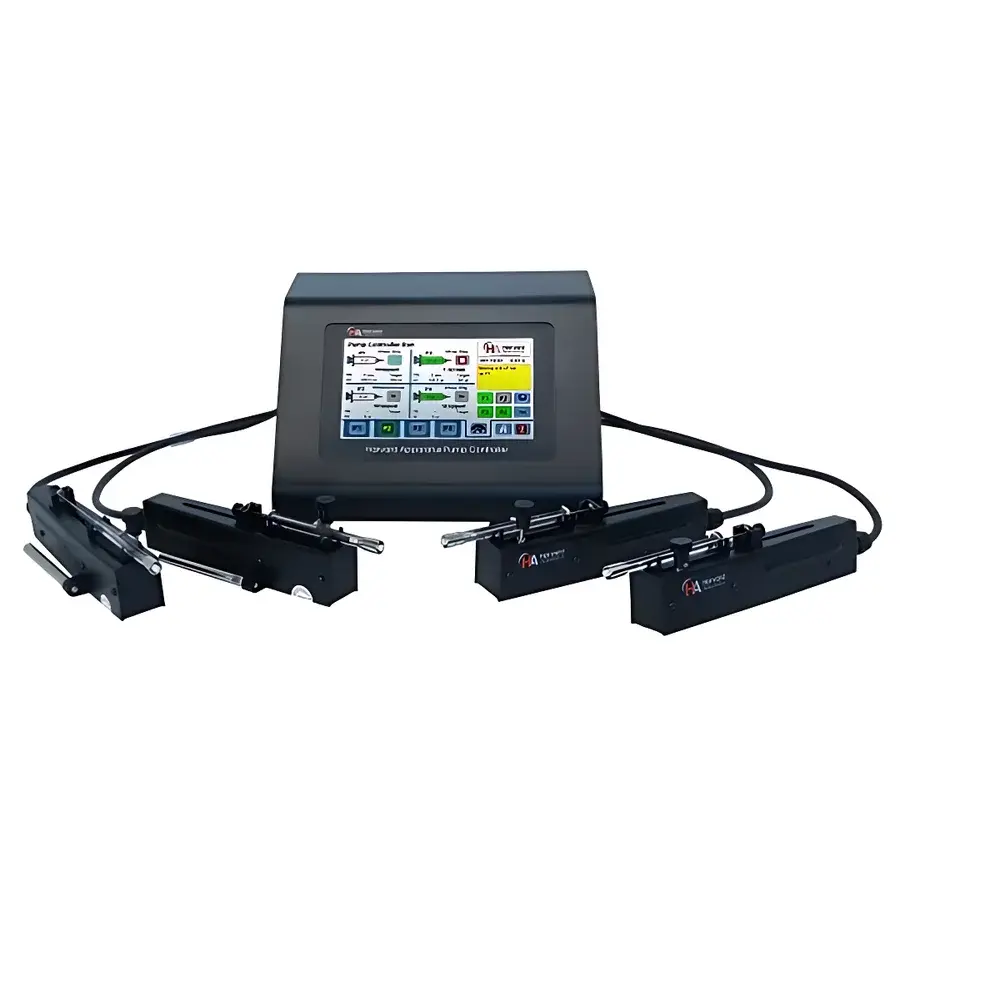
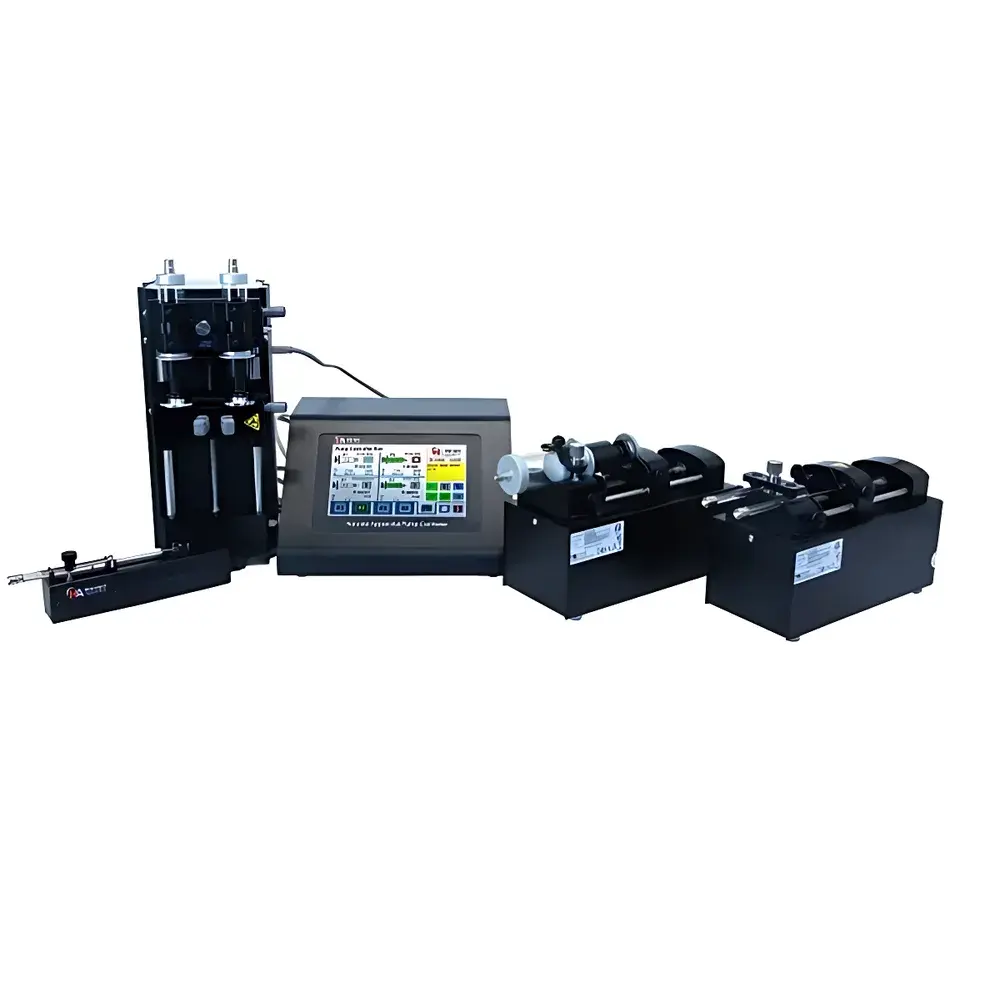
The Harvard Apparatus HAPC Syringe Pump Controller is an advanced, modular fluid delivery management system engineered for precision, scalability, and reproducibility in life science, pharmacology, neuroscience, and microfluidics research environments. Unlike standalone syringe pump units, the HAPC functions as a centralized control platform that orchestrates synchronized or independent operation of up to four compatible Harvard Apparatus pump modules—including Nanomite, Pump 11 Elite/Pico, and PHD ULTRA™ series—via a single intuitive interface. Its core architecture leverages closed-loop motor control and real-time feedback algorithms to maintain flow stability across ultra-low (picoliter-per-minute) and high-volume (milliliter-per-minute) regimes. Designed for integration into regulated laboratory workflows, the HAPC supports method-based protocols with timestamped execution logs, facilitating traceability under GLP and GMP-aligned quality systems.
Key Features
- Modular architecture supporting up to four independently addressable pump channels—each configurable with identical or heterogeneous pump models (e.g., Nanomite for nanoliter dosing + PHD ULTRA™ for high-flow infusions)
- 7-inch full-color capacitive touchscreen with graphical workflow editor, real-time flow rate/pressure trend visualization, and on-device method storage
- Native compatibility with PHD ULTRA™ method files (including all versions released within the past five years), enabling seamless migration from legacy pump deployments
- Programmable multi-step protocols with conditional logic (e.g., trigger step B upon completion of step A, or pause upon external TTL signal)
- USB and Ethernet connectivity for remote monitoring, firmware updates, and integration with third-party acquisition software (e.g., LabVIEW, MATLAB, Python via PySerial or Harvard’s official SDK)
- Robust mechanical housing rated for continuous 24/7 operation in Class II biosafety cabinets and cleanroom-adjacent environments
Sample Compatibility & Compliance
The HAPC controller itself does not contact samples; its compatibility is defined by the connected syringe pump modules and their respective syringe drivers. When paired with Harvard Apparatus-certified pumps, it supports standard Luer-lock and threaded syringes ranging from 0.5 µL to 60 mL capacity, including glass, polypropylene, and stainless-steel barrels. The system complies with IEC 61000-6-3 (EMC emission standards) and IEC 61010-1 (safety requirements for laboratory electrical equipment). While not FDA-cleared as a medical device, its design adheres to principles referenced in USP Analytical Instrument Qualification and supports 21 CFR Part 11-compliant data integrity when deployed with audit-trail-enabled software configurations.
Software & Data Management
The embedded firmware includes non-volatile memory for storing ≥100 user-defined methods, each with full parameter sets (flow rate, volume, acceleration, dwell time, ramp profiles) and metadata (operator ID, date/time stamp, associated pump module serial numbers). All run-time events—including start/stop commands, error conditions (e.g., occlusion detection, syringe disengagement), and manual overrides—are logged with millisecond resolution. Export options include CSV-formatted datasets with column headers aligned to ISO/IEC 17025 reporting conventions. Optional PC-based Harvard Apparatus Control Software (HACS) provides extended capabilities: batch scheduling, cross-channel synchronization with electrophysiology or imaging hardware, and automated report generation compliant with internal QA templates.
Applications
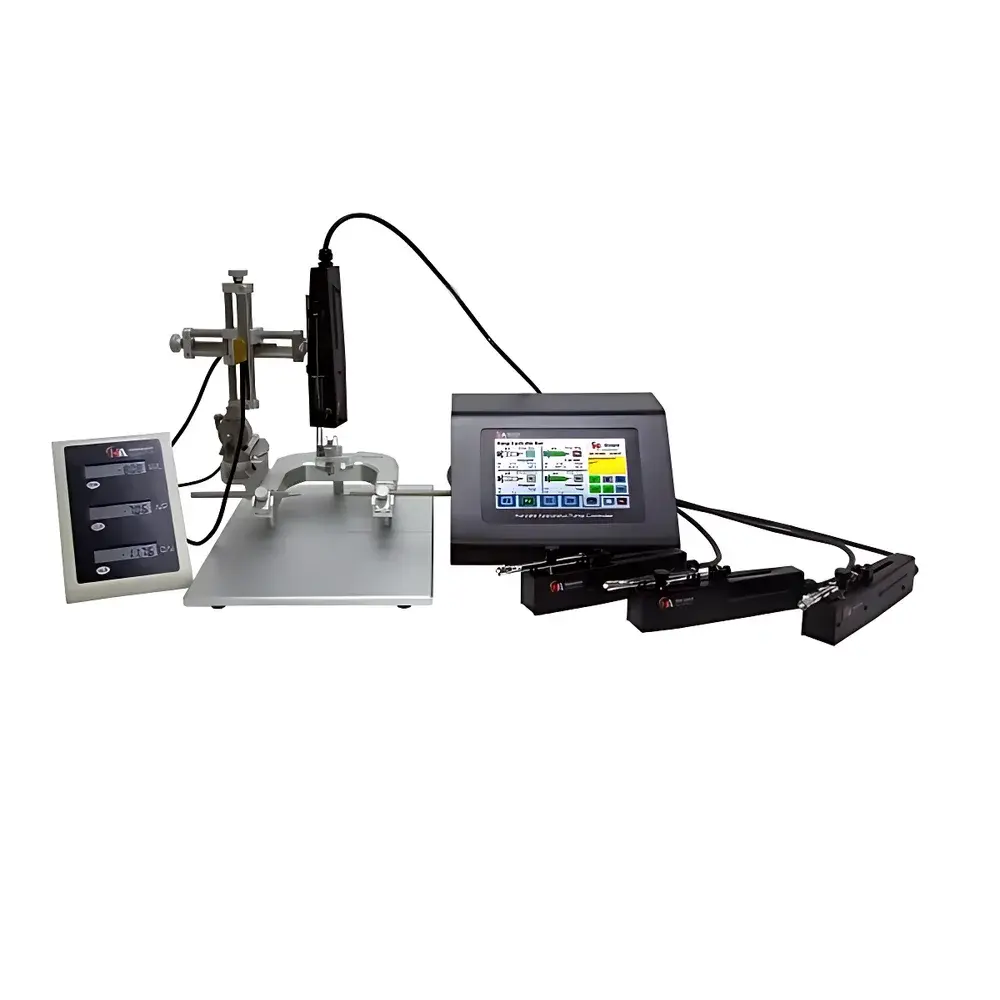
- Chronic intracerebral or intrathecal drug infusion in rodent models, where inter-animal consistency requires sub-nanoliter repeatability across multi-day protocols
- Microfluidic cell culture perfusion systems requiring simultaneous gradient generation across multiple inlets with independent temporal control
- In vitro blood-brain barrier (BBB) assays demanding precise co-infusion of therapeutic agents and fluorescent tracers at physiologically relevant shear rates
- Automated sample introduction in LC-MS or CE-MS workflows, interfaced via TTL triggers to synchronize injection timing with mass spectrometer acquisition windows
- Calibration and validation of secondary flow sensors (e.g., Coriolis or thermal mass flow meters) using gravimetrically verified delivery benchmarks
FAQ
Can the HAPC controller operate without a connected PC?
Yes—the HAPC is fully autonomous and supports standalone operation using preloaded methods stored in onboard memory.
Is firmware update capability available over-the-air?
Firmware updates require connection to a host PC via USB or Ethernet and must be performed using Harvard Apparatus-signed binaries distributed through authorized support channels.
Does the HAPC support pressure monitoring or occlusion detection?
Occlusion detection is handled at the individual pump module level (e.g., PHD ULTRA™’s built-in force sensing); the HAPC relays status alerts but does not integrate direct pressure transducers.
What syringe sizes are validated for use with Nanomite modules controlled by the HAPC?
Nanomite compatibility spans 0.5 µL to 100 µL glass syringes with integrated plunger mechanisms; full validation documentation is provided in Harvard Apparatus Technical Note TN-2022-04.
Can I mix older Pump 11 Elite units with newer PHD ULTRA™ modules on one HAPC?
Yes—backward compatibility is maintained across all Harvard Apparatus pump families released since 2018, subject to correct firmware version alignment per module.



