
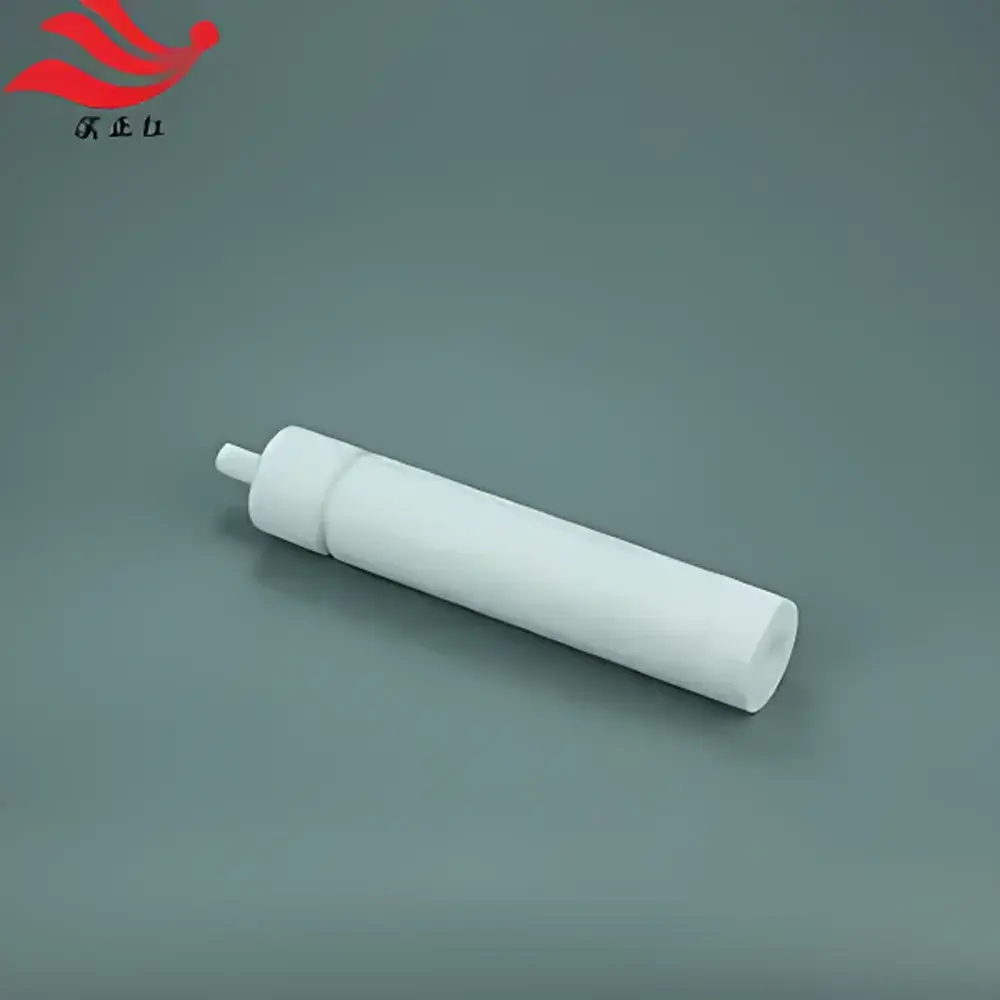
HF Conductivity Cell Custom-Fabricated PTFE Cell for Aqueous Hydrofluoric Acid Measurement
| Brand | Binzhenghong |
|---|---|
| Origin | Jiangsu, China |
| Manufacturer Type | Direct Producer |
| Origin Category | Domestic |
| Model | Custom |
| Pricing | Upon Request |
Overview
The Binzhenghong HF Conductivity Cell is a purpose-engineered electrochemical measurement device designed exclusively for the safe, stable, and accurate determination of electrical conductivity in aqueous hydrofluoric acid (HF) solutions. Unlike standard conductivity cells constructed from glass, stainless steel, or epoxy-coated electrodes—materials rapidly degraded by HF—the Binzhenghong cell employs fully fluoropolymer-based construction, with primary structural and electrode insulation components fabricated from high-purity polytetrafluoroethylene (PTFE). This architecture ensures chemical inertness across the full operational pH and concentration range of industrial and laboratory-grade HF–water mixtures, including dilute (e.g., 0.1–5 wt%) and moderately concentrated (up to ~48 wt%) aqueous HF. The cell operates on the principle of two-electrode AC conductometry at low-frequency excitation (typically 1–10 kHz), minimizing polarization effects and enabling reliable measurement of solution-specific conductance under aggressive conditions where conventional sensors fail.
Key Features
- Fully PTFE-wetted construction—including body, electrode housing, insulating spacers, and sealing gaskets—guarantees long-term compatibility with HF concentrations up to 48% w/w and temperatures up to 60 °C.
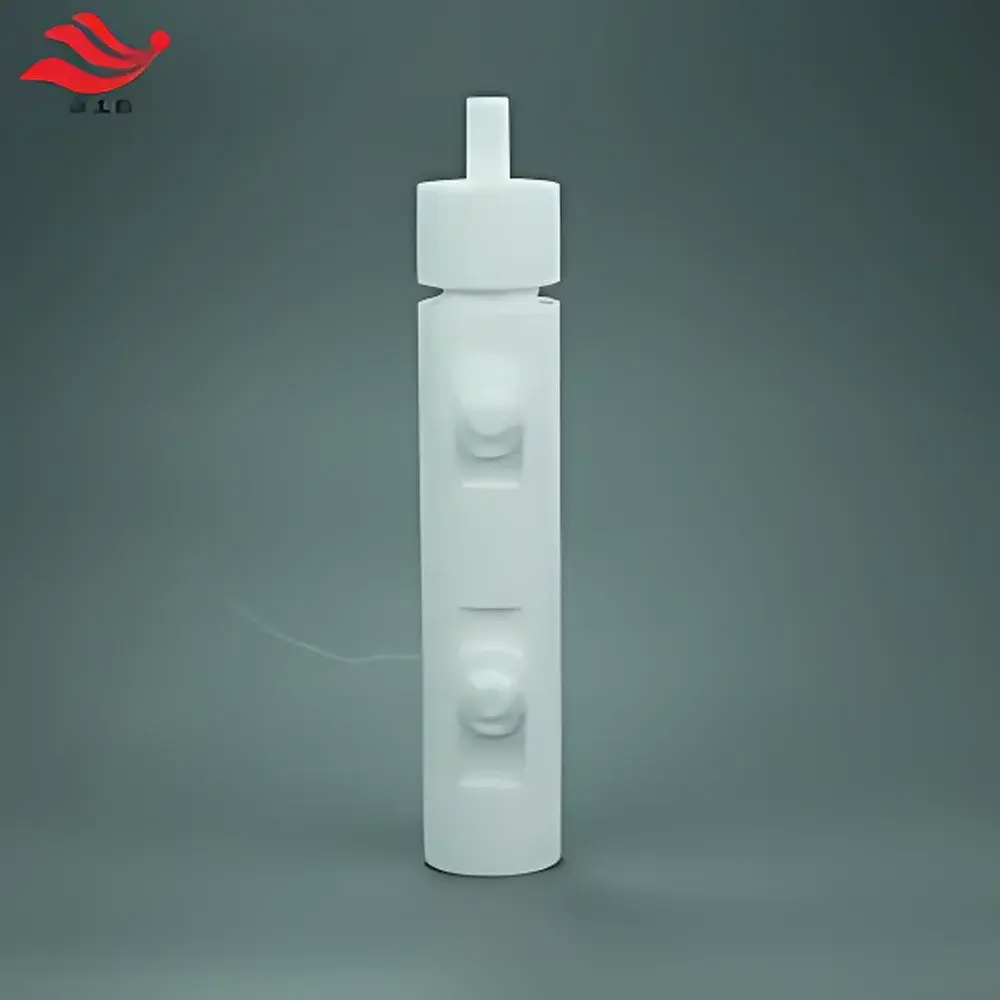
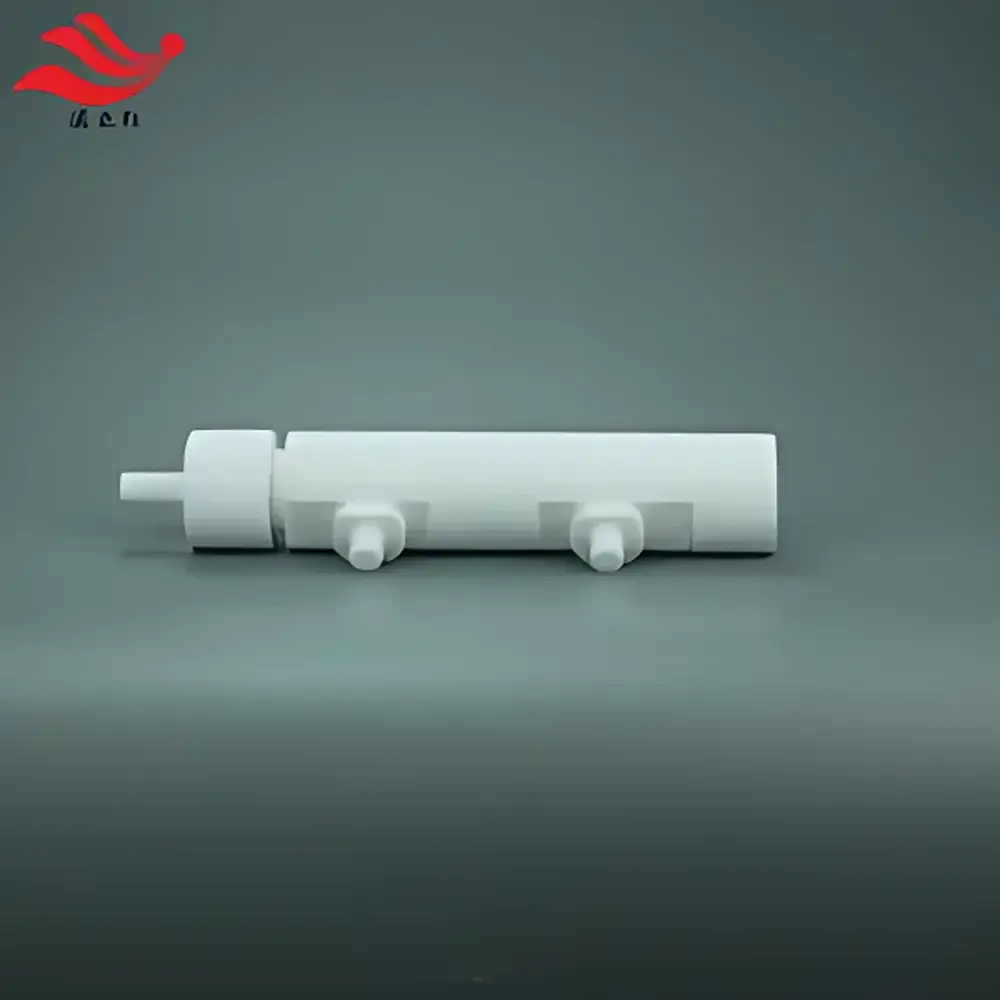
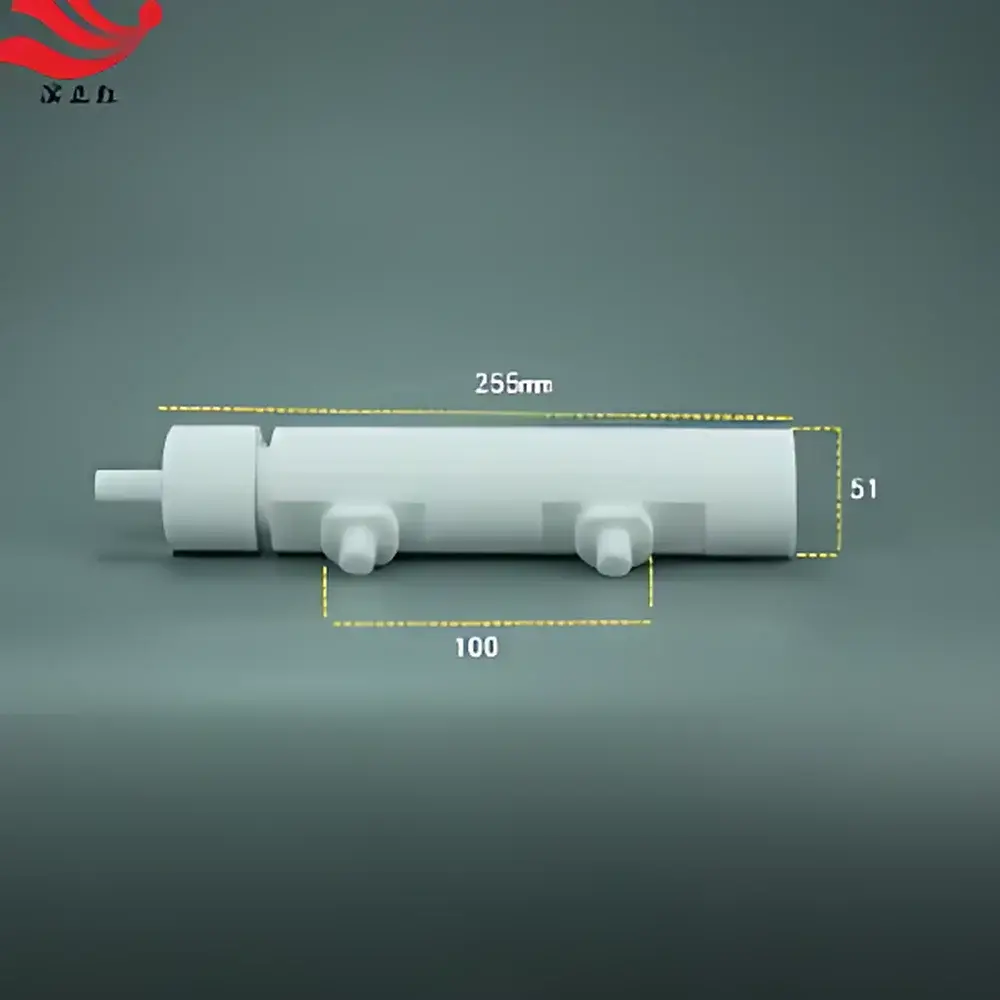
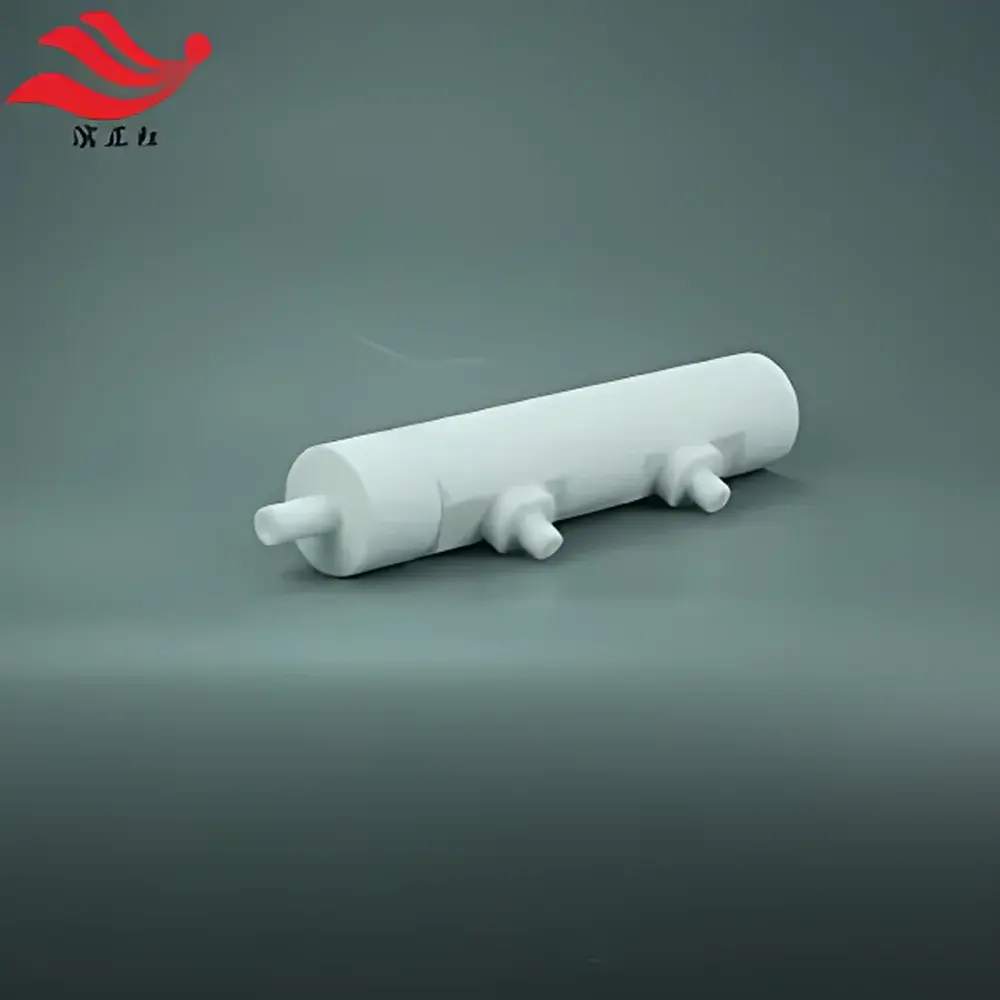
- Customizable geometry: Standard configuration features a 255 mm total length with 51 mm active electrode spacing and 100 mm immersion depth; dimensions are adjustable per client specification to match reactor port size, dip-tube diameter, or inline flow cell integration requirements.
- Electrodes consist of corrosion-resistant platinum or platinum-iridium alloy, laser-welded into recessed PTFE cavities to prevent mechanical abrasion and eliminate crevice corrosion pathways.
- Integrated dual O-ring sealing system (per ASTM F2329) ensures leak-tight performance under static immersion or low-pressure recirculation (≤3 bar), validated via helium leak testing prior to shipment.
- No metallic fasteners in contact with process fluid; all assembly hardware utilizes PTFE-coated stainless-steel bolts or fully fluorinated polymer screws compliant with ISO 15142-1 for critical chemical environments.
Sample Compatibility & Compliance
This cell is validated for use with aqueous HF solutions containing trace water (≥100 ppm H2O) through saturated compositions, as well as HF–NH4F buffer systems used in semiconductor wafer etch monitoring. It is not intended for anhydrous HF or molten fluoride salt applications. The design adheres to fundamental safety principles outlined in NFPA 430 (Standard for Hazardous Chemicals Code) and aligns with material selection guidance in ASTM D1125 (Standard Test Methods for Electrical Conductivity of Water) for aggressive electrolytes. While the cell itself does not carry CE or UL certification (as it is a passive sensor component), its construction materials meet USP Class VI biocompatibility criteria and comply with REACH Annex XIV substance restrictions. When integrated into a full measurement loop—including certified transmitter, isolation barrier, and data acquisition system—the complete setup supports GLP-compliant documentation and audit-ready calibration records.
Software & Data Management
The Binzhenghong HF Conductivity Cell is a transducer-level component and does not include embedded firmware or onboard intelligence. It interfaces seamlessly with third-party conductivity transmitters (e.g., METTLER TOLEDO, Endress+Hauser, or Yokogawa models supporting 2-electrode analog input) via standard 4–20 mA or RS-485 Modbus RTU output. Calibration is performed externally using NIST-traceable KCl standards adjusted for HF-specific temperature compensation algorithms (based on empirical conductivity–temperature–concentration correlations published in Journal of Solution Chemistry). Raw conductance values are recorded in time-stamped CSV or .tdms format when paired with SCADA or LIMS platforms; full audit trails—including calibration events, operator ID, and environmental metadata—can be maintained in compliance with FDA 21 CFR Part 11 when deployed with validated software infrastructure.
Applications
- Real-time monitoring of HF concentration in semiconductor wet benches during silicon dioxide etching and cleaning processes.
- In-line quality control of HF–HNO3–CH3COOH (BHF) mixtures in precision metal etching for MEMS fabrication.
- Process validation and endpoint detection in uranium enrichment cascade feed solutions containing HF–UF4–H2O systems (subject to national export controls).
- Research-scale kinetic studies of HF-mediated hydrolysis reactions in catalysis and nuclear fuel cycle chemistry.
- Environmental monitoring of HF scrubber effluents in fluorochemical manufacturing plants, meeting EPA Method 300.0 reporting thresholds.
FAQ
Can this cell be used with anhydrous hydrogen fluoride?
No. The cell is specifically engineered for aqueous HF systems. Anhydrous HF exhibits fundamentally different dielectric behavior and poses extreme material compatibility challenges beyond PTFE’s thermal and mechanical limits.
What is the recommended calibration frequency in continuous operation?
For GMP-aligned operations, quarterly calibration against traceable standards is advised; in high-concentration cyclic service (>20 wt% HF), monthly verification is recommended due to potential surface passivation effects.
Is the cell compatible with pressurized recirculation loops?
Yes—rated for continuous operation at ≤3 bar gauge pressure with appropriate flange mounting (e.g., ANSI B16.5 Class 150 RF) and compatible PTFE-lined piping.
Does Binzhenghong provide calibration certificates?
Upon request, factory calibration reports with uncertainty budgets (k=2) referencing NIST SRM 3199 KCl solutions are available at additional cost.
How is temperature compensation handled?
The cell includes a Pt1000 RTD sensor embedded within the PTFE body, enabling simultaneous temperature measurement at the electrode plane—critical for accurate HF-specific linearization per IEC 60746-3.



