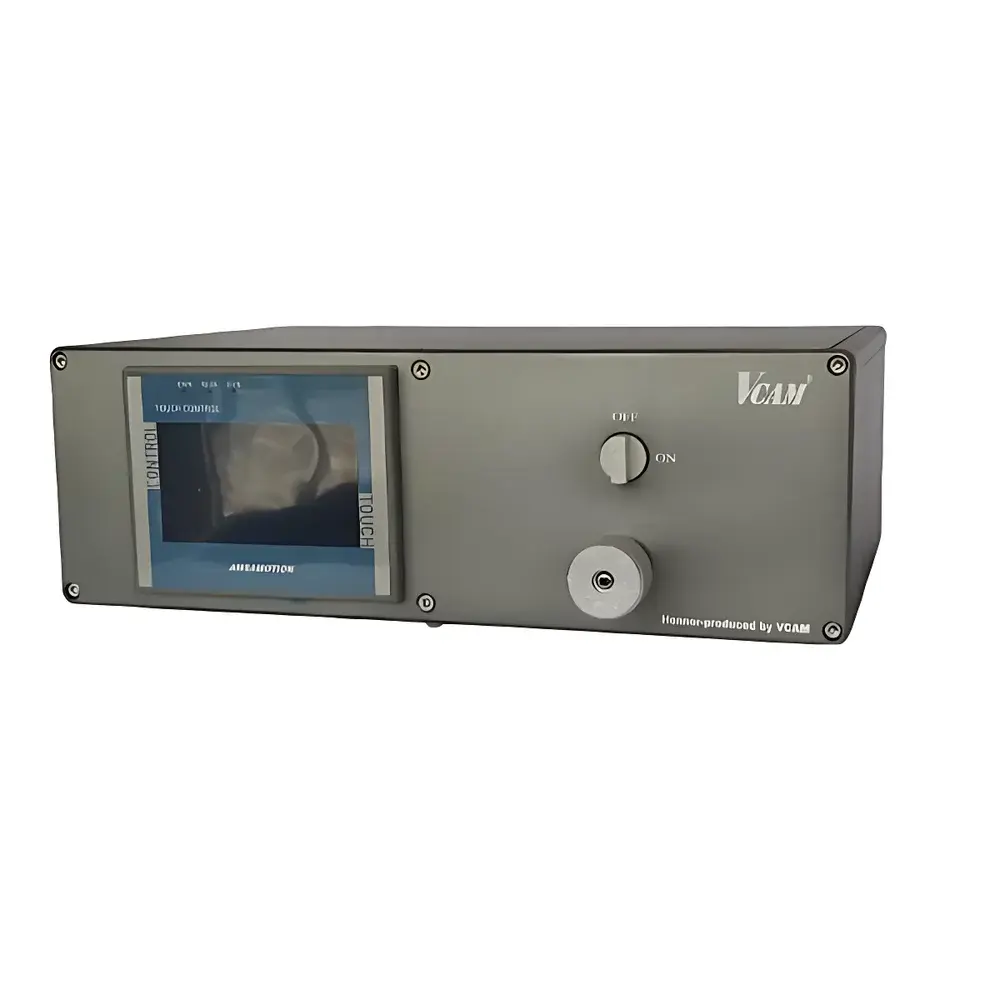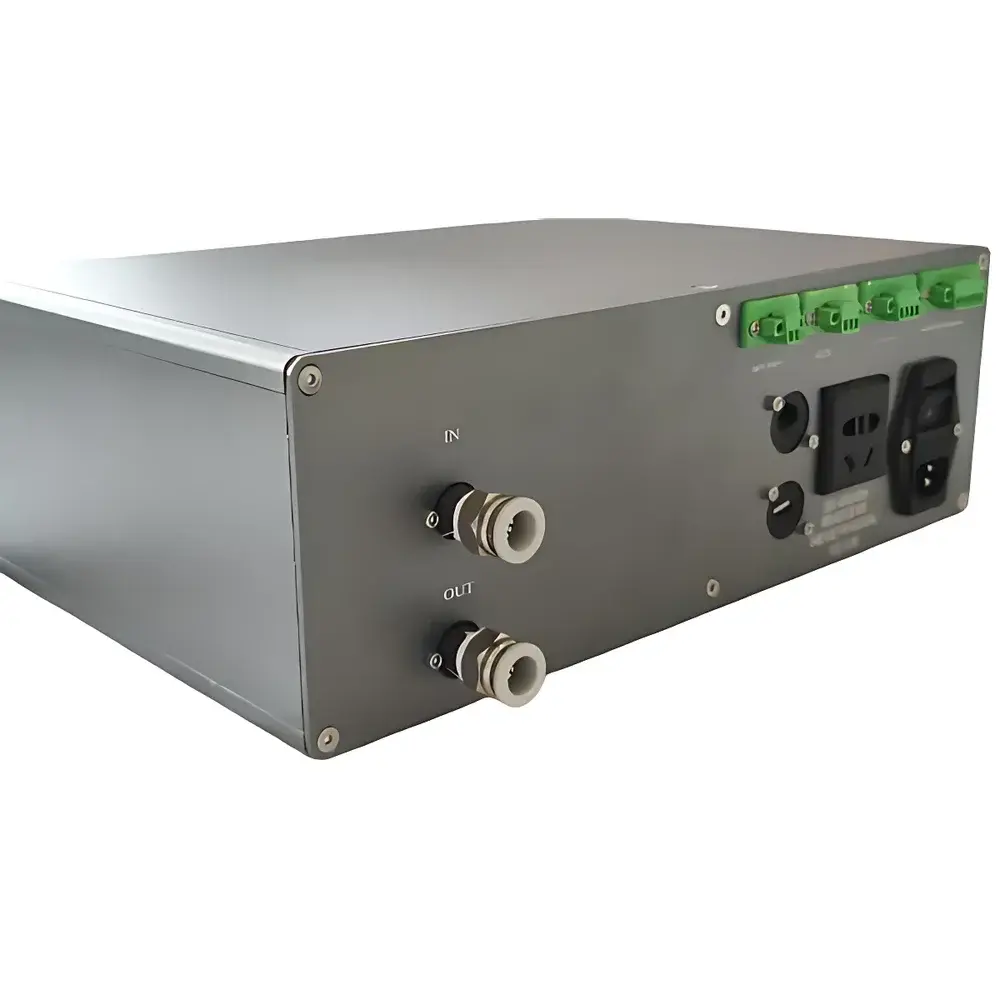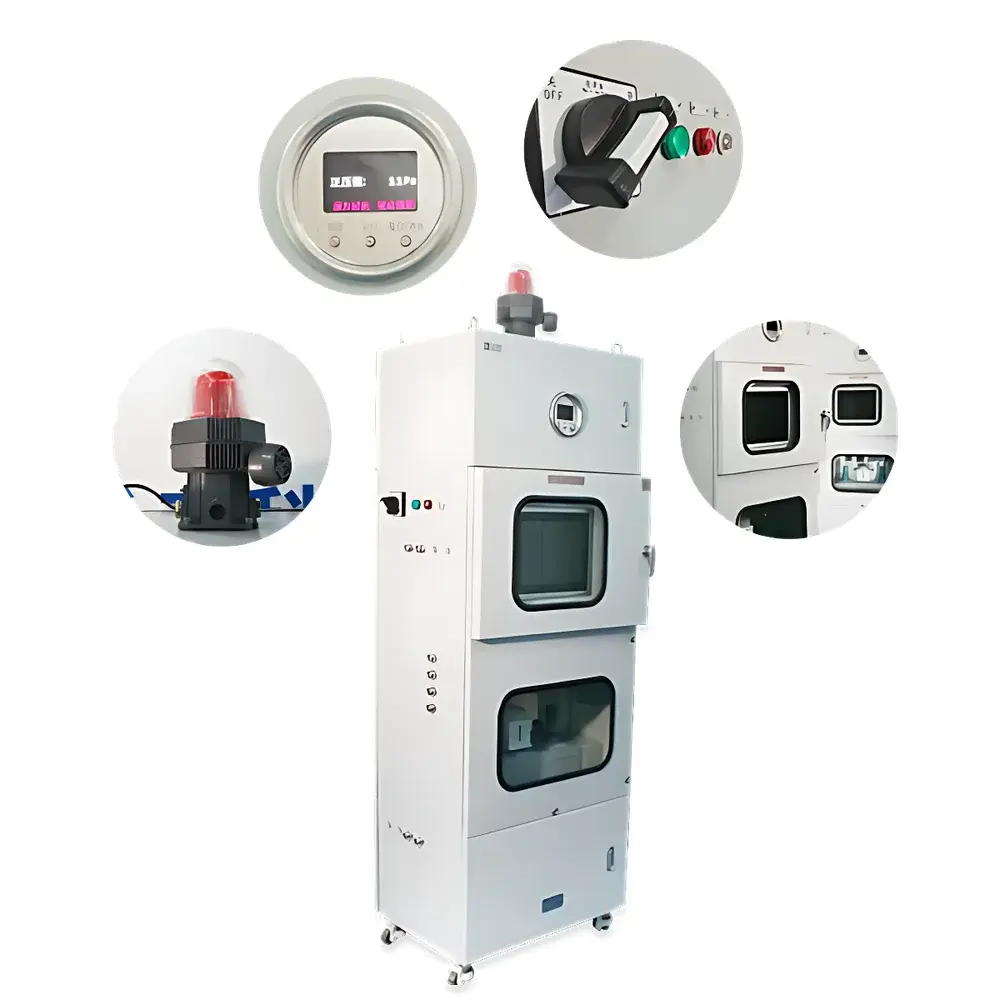
HOGON ALT Coating Line Zirconium Point Online Titration Analyzer
| Brand | HOGON |
|---|---|
| Origin | Shanghai, China |
| Manufacturer Type | Manufacturer |
| Regional Classification | Domestic (China) |
| Model | ALT Coating |
| Pricing | Upon Request |
Overview
The HOGON ALT Coating Line Zirconium Point Online Titration Analyzer is a fully automated, industrial-grade online titration system engineered for continuous, real-time monitoring and control of zirconium concentration in silane pretreatment baths used in automotive and appliance metal coating lines. It operates on potentiometric and photometric endpoint detection principles—leveraging high-precision electrode potential shifts and high-resolution colorimetric signal acquisition to determine titration endpoints with repeatability ≤ ±0.5% RSD under routine operating conditions. Unlike offline lab-based titration, which introduces sampling delay, operator variability, and analytical lag, this analyzer integrates directly into the process loop: it performs autonomous sampling, reagent delivery, reaction monitoring, endpoint recognition, calculation, dosing feedback, and data logging without human intervention. Its core architecture supports closed-loop process control by interfacing with PLCs or DCS systems via Modbus TCP/RTU or OPC UA, enabling dynamic adjustment of zirconium salt dosing pumps to maintain bath chemistry within narrow specification windows (e.g., 10–80 ppm Zr⁴⁺, typical for silane conversion coatings).
Key Features
- Embedded ARM A8 processor with deterministic real-time control firmware for synchronized valve actuation, pump timing, and sensor sampling
- Modular fluidic design featuring corrosion-resistant PTFE/PFA wetted parts, long-life peristaltic solvent pumps, and precision syringe-type burettes with ±0.01 mL volumetric accuracy
- 7-inch full-color capacitive touchscreen HMI with intuitive Chinese/English bilingual interface; supports user-defined method templates, password-protected parameter editing, and audit-trail-enabled operation logs
- Dual-mode endpoint detection: potentiometric (using Ag/AgCl or ion-selective electrodes) and photometric (via RGB-sensitive CMOS color sensor with 12-bit ADC resolution)
- Automated sequence execution: sample aspiration → filtration (optional inline filter module) → reagent addition → mixing → endpoint detection → calculation → cleaning cycle → data export
- Integrated process alarm system with configurable thresholds for low-level liquid, power failure, abnormal titrant consumption, drift in blank signal, and out-of-specification results
Sample Compatibility & Compliance
The analyzer is validated for use with aqueous silane bath matrices containing zirconium oxychloride (ZrOCl₂), zirconyl nitrate, or hybrid Zr/Ti formulations at temperatures from 20–45 °C and pH 3.5–5.5. It accommodates suspended solids up to 50 mg/L via optional 5-µm inline filtration. All wetted materials comply with USP Class VI and FDA 21 CFR 177.2600 requirements for indirect food contact. The system supports GLP/GMP-aligned operation through electronic signature capability, time-stamped audit trails (IEC 62304-compliant firmware), and secure data export in CSV/Excel formats compatible with LIMS integration. While not certified to IEC 61508 SIL2, its hardware redundancy (dual power input option, watchdog timer, EEPROM-backed method storage) meets typical Tier-2 process safety requirements for non-critical coating line control.
Software & Data Management
Firmware includes embedded web server (HTTP/HTTPS) for remote configuration and live status monitoring. Analysis results—including titrant volume consumed, calculated Zr concentration (ppm), endpoint stability index, and QC flag status—are transmitted via configurable protocols (MQTT, FTP, or REST API) to centralized SCADA databases or cloud platforms. Built-in data historian retains ≥30 days of raw sensor traces and final results locally. Software supports custom formula scripting (e.g., Zr = (Vₜ × Cₜ × Mᵣ × 1000) / Vₛ) with unit-aware variable definitions and error propagation warnings. All method edits, calibration events, and alarm triggers are logged with ISO 8601 timestamps and operator ID—fully traceable for internal quality audits.
Applications
Primarily deployed in OEM and Tier-1 automotive paint shops for real-time control of zirconium-based silane conversion coatings on steel and aluminum substrates. Also applied in coil coating lines, white goods manufacturing, and architectural metal finishing where bath stability directly impacts corrosion resistance (ASTM D1732, ISO 9227 salt spray performance) and paint adhesion (ASTM D3359 cross-hatch test). Secondary applications include online monitoring of fluoride in etching baths, free acid concentration in phosphating lines, and chelant levels in passivation tanks—provided appropriate electrode/detector modules and validated methods are selected.
FAQ
What titration methods does the ALT analyzer support?
It natively executes potentiometric, photometric (colorimetric), pH, redox, complexometric, non-aqueous, and precipitation titrations—configurable via method editor using preloaded or user-defined equivalence point algorithms.
Can it integrate with existing PLC-based control systems?
Yes—standard Modbus TCP/RTU and optional OPC UA interfaces enable bidirectional communication for setpoint updates, dosing command issuance, and status reporting.
Is remote maintenance and diagnostics supported?
The embedded web interface allows firmware updates, log download, sensor calibration verification, and real-time I/O monitoring without onsite technician presence.
How often does the system require calibration or maintenance?
Electrode calibration is recommended before each production shift; full fluidic path cleaning is scheduled every 72 hours of continuous operation; annual verification of burette accuracy and color sensor linearity is advised per ISO/IEC 17025 guidelines.
Does it meet cybersecurity standards for Industry 4.0 deployment?
It supports TLS 1.2 encryption for data transmission, role-based access control (RBAC), and disabled default credentials—aligned with NIST SP 800-82 and IEC 62443-3-3 baseline requirements.
Related Products