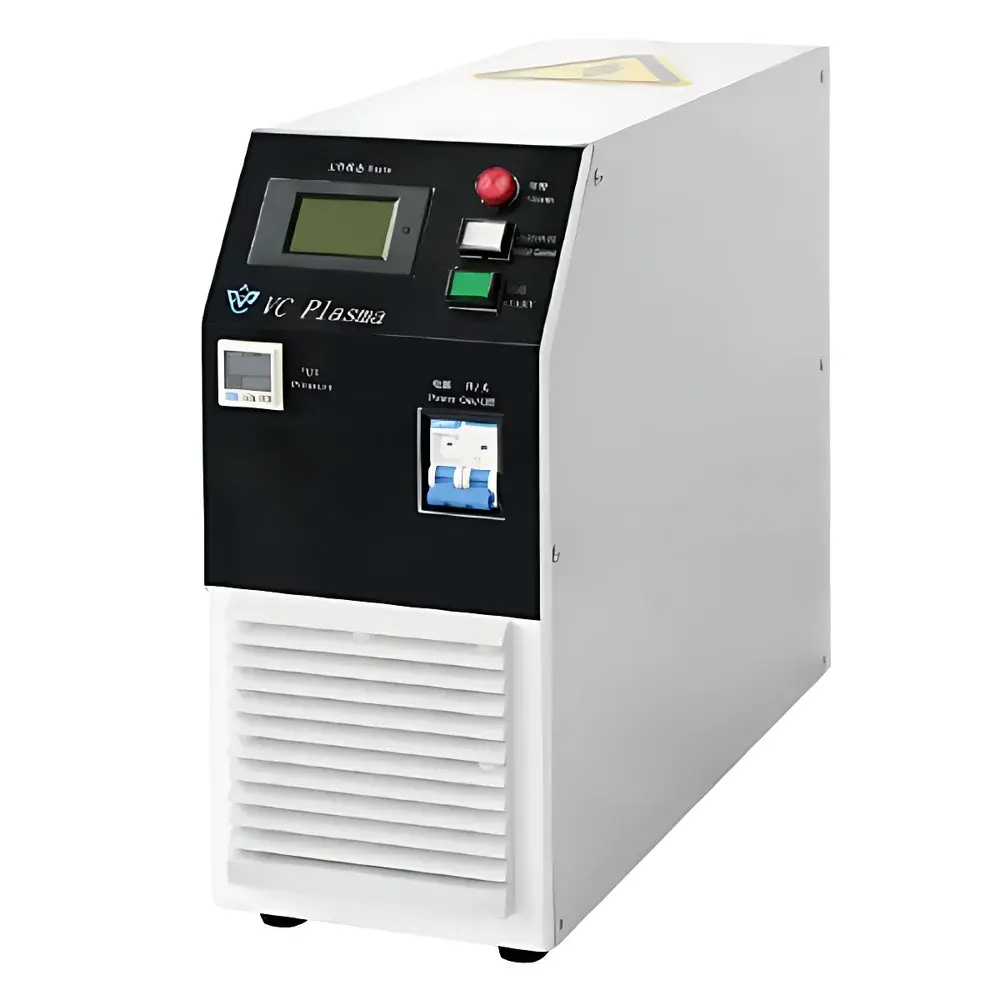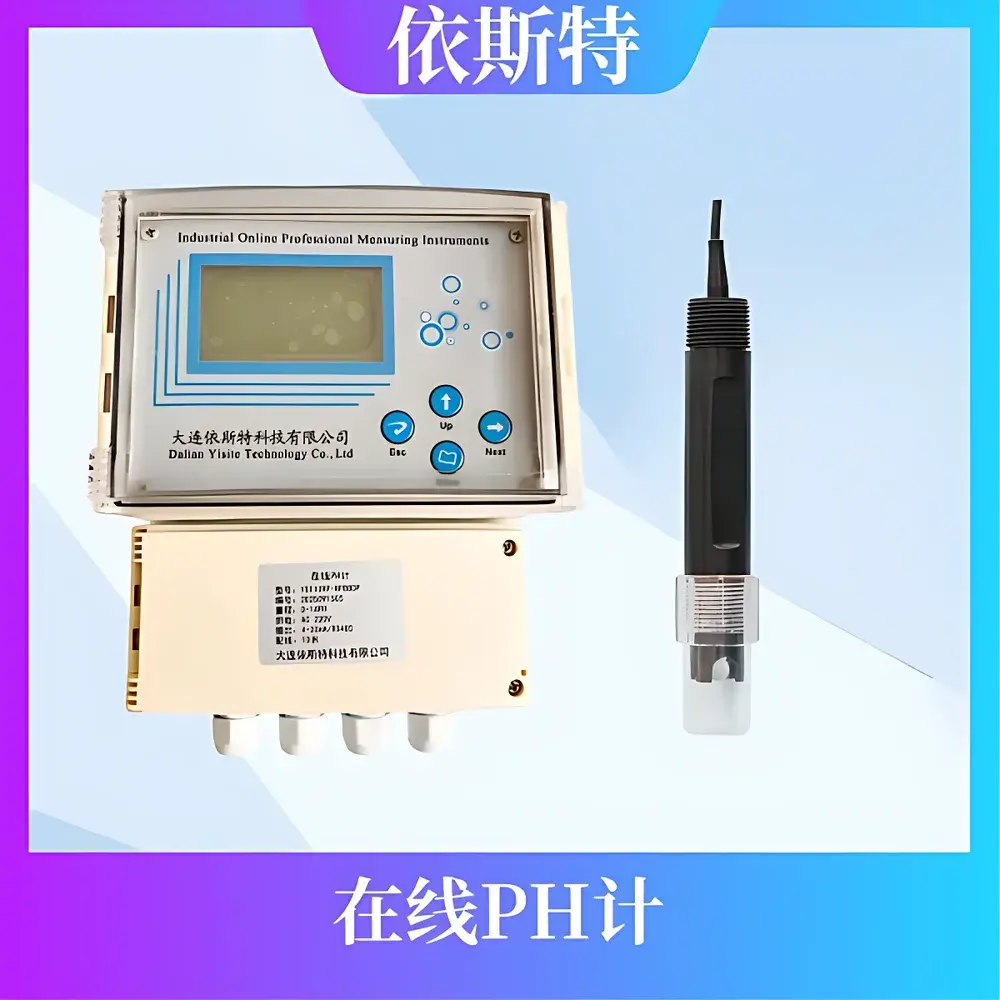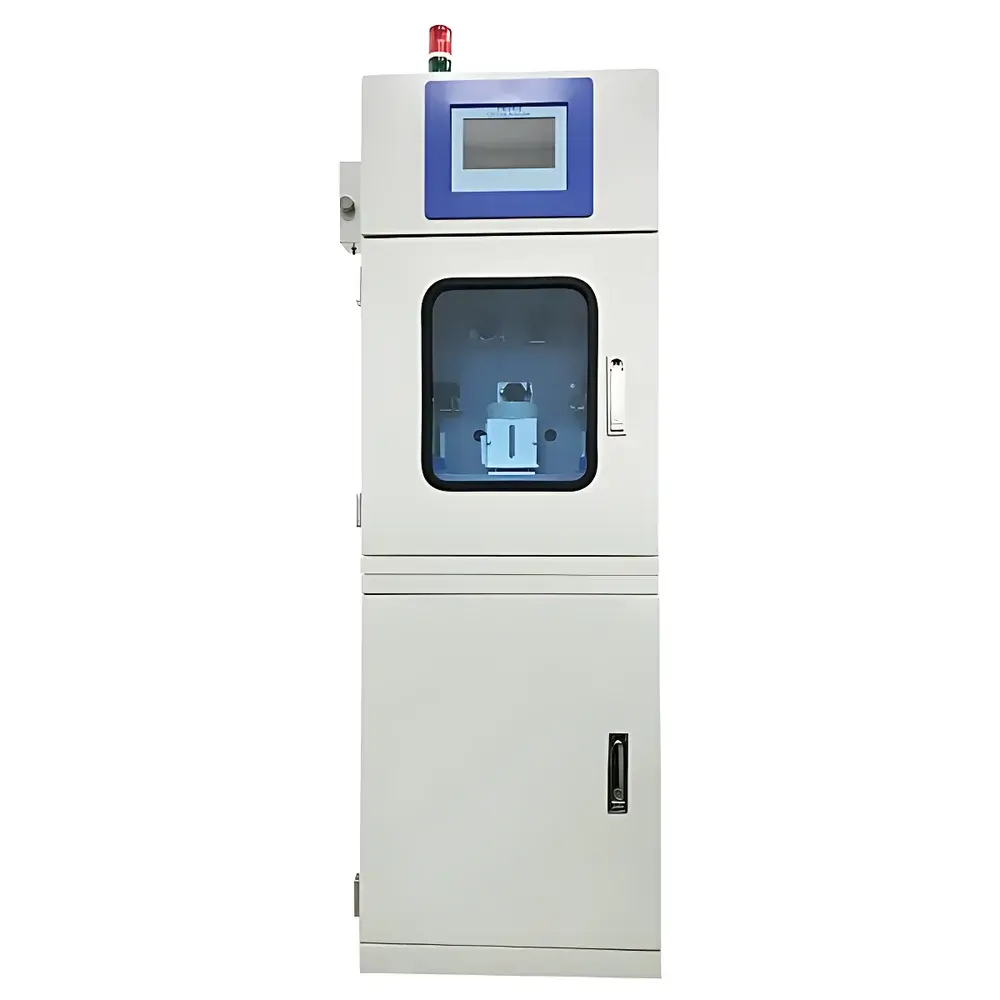
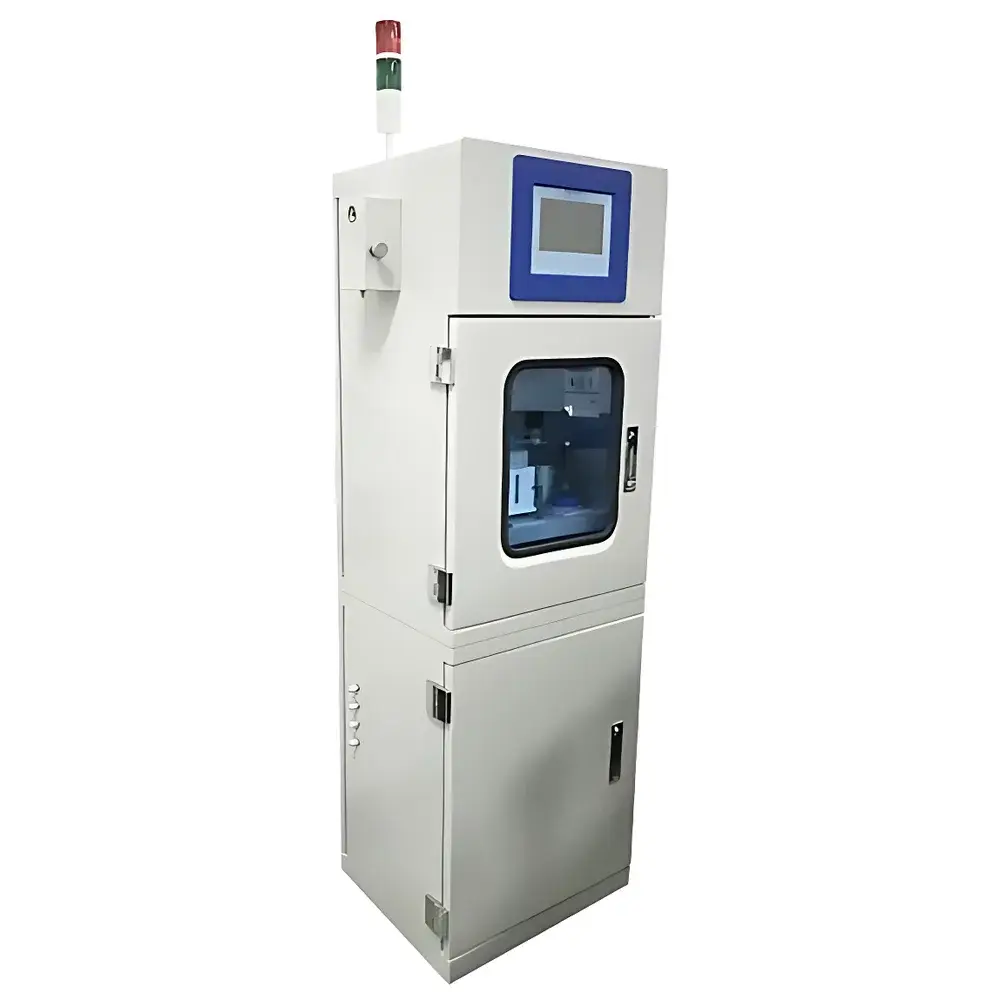
HOGON ALT-ORP Industrial Online Redox Potential & Titration Analyzer
| Brand | HOGON |
|---|---|
| Origin | Shanghai, China |
| Manufacturer Type | OEM Manufacturer |
| Country of Origin | China |
| Model | ALT-ORP |
| Pricing | Upon Request |
Overview
The HOGON ALT-ORP Industrial Online Redox Potential & Titration Analyzer is an autonomous, process-integrated analytical platform engineered for continuous redox (ORP), pH, and multi-mode potentiometric titration monitoring in industrial liquid-phase processes. Based on coulometric and potentiometric endpoint detection principles—complemented by high-resolution colorimetric sensing—the system performs fully automated sample acquisition, reagent dosing, reaction monitoring, endpoint determination, post-analysis cleaning, and closed-loop chemical dosing control. It operates without manual intervention, delivering real-time analytical data to enable dynamic adjustment of additive pumps—ensuring bath composition remains within tightly defined operational setpoints (e.g., ORP ±5 mV, pH ±0.02 units). Designed for 24/7 deployment in harsh production environments, the analyzer features a ruggedized modular architecture, ARM-based A8 processing core, and a 7-inch full-color capacitive touchscreen interface with localized Chinese HMI—while maintaining full compatibility with international industrial communication protocols.
Key Features
- Autonomous operation cycle: integrated sampling, dispensing, titration, endpoint recognition (dual-mode: potentiometric + colorimetric), rinsing, and waste disposal
- Multi-parameter titration capability: redox (ORP), acid-base (pH), complexometric, precipitation, non-aqueous, and redox-indicator-based titrations
- Dual-sensor endpoint detection: platinum redox electrode pair (dual Pt wire) + high-fidelity RGB color capture module for visual endpoint confirmation
- Precision fluid handling: dual high-accuracy burettes (±0.1% volumetric accuracy), electromagnetic switching valves, and long-life peristaltic solvent pumps
- Industrial-grade control layer: embedded RS232, TCP/IP, and Modbus RTU/TCP interfaces for PLC integration and SCADA-level supervision
- Process-coupled dosing logic: programmable dosing algorithms that translate analytical results into proportional pump actuation signals (0–10 V / 4–20 mA)
- Robust environmental rating: IP65-rated enclosure; operating temperature range: 5–45 °C; humidity tolerance: ≤90% RH non-condensing
Sample Compatibility & Compliance
The ALT-ORP analyzer supports aqueous and semi-aqueous process streams typical in electroplating baths, textile dyeing liquors, pulp & paper effluents, pharmaceutical cleaning validation solutions, and wastewater treatment oxidant dosing systems. It accommodates sample matrices with suspended solids ≤50 mg/L and conductivity up to 20 mS/cm. All wetted components—including tubing, electrodes, and burette tips—are chemically resistant (PTFE, PEEK, borosilicate glass). The system complies with ISO/IEC 17025 foundational requirements for analytical instrument validation and supports GLP/GMP-aligned audit trails via timestamped event logging. While not certified to IEC 61508 or SIL-2 out-of-the-box, its architecture permits integration into safety-instrumented systems (SIS) under client-defined functional safety assessments.
Software & Data Management
The embedded titration control software enables full lifecycle management of analytical methods: method creation, parameterization (titrant concentration, equivalence point algorithm, drift compensation), version control, and secure storage (AES-256 encrypted internal flash). Each analysis generates a structured data packet containing raw potential curves, color evolution profiles, calculated concentrations, dosing commands, and QC flags. Data export occurs via scheduled FTP/SFTP push or real-time MQTT/OPC UA publishing to central MES or LIMS databases. Audit trail functionality meets FDA 21 CFR Part 11 requirements for electronic records and signatures—supporting user role-based access, immutable log entries, and electronic signature workflows for method approval and result release.
Applications
- Electroplating & surface finishing: real-time monitoring and dosing control of chromic acid, nickel sulfate, copper cyanide, and passivation baths
- Textile wet processing: automatic alkali reserve control in mercerization, chlorine dioxide dosing in bleaching, and formaldehyde scavenger titration
- PCB manufacturing: etchant (FeCl₃, CuCl₂) activity tracking, developer alkalinity control, and solder mask stripping solution management
- Water & wastewater: residual oxidant (Cl₂, O₃, H₂O₂) quantification, COD surrogate titration, and coagulant dosage optimization
- Pharmaceutical utilities: clean-in-place (CIP) validation via titratable acidity/alkalinity, and bioburden control loop integration
- Chemical synthesis: in-line stoichiometric monitoring of redox reactions (e.g., nitration, hydrogenation catalyst activation)
FAQ
What titration modes does the ALT-ORP support?
It supports potentiometric redox (ORP), pH, complexometric (e.g., EDTA), precipitation (e.g., AgNO₃ for Cl⁻), non-aqueous (e.g., perchloric acid in acetic anhydride), and indicator-assisted colorimetric titrations.
Can the system integrate with existing DCS or PLC infrastructure?
Yes—via native Modbus RTU/TCP, Ethernet/IP, or configurable analog I/O (4–20 mA, 0–10 V); custom protocol gateways are available upon request.
Is remote diagnostics and firmware update supported?
Yes—through secure SSH/TLS-enabled web interface and over-the-air (OTA) firmware updates with rollback capability and checksum verification.
What maintenance intervals are recommended for routine operation?
Electrode calibration every 24 hours (automated), tubing replacement every 6 months, and full system performance verification annually per ISO 8655-6 guidelines.
Does the analyzer meet hazardous area classification requirements?
Standard configuration is rated for Zone 2/Class I Div 2; ATEX/IECEx-certified variants require customized housing and barrier integration.