
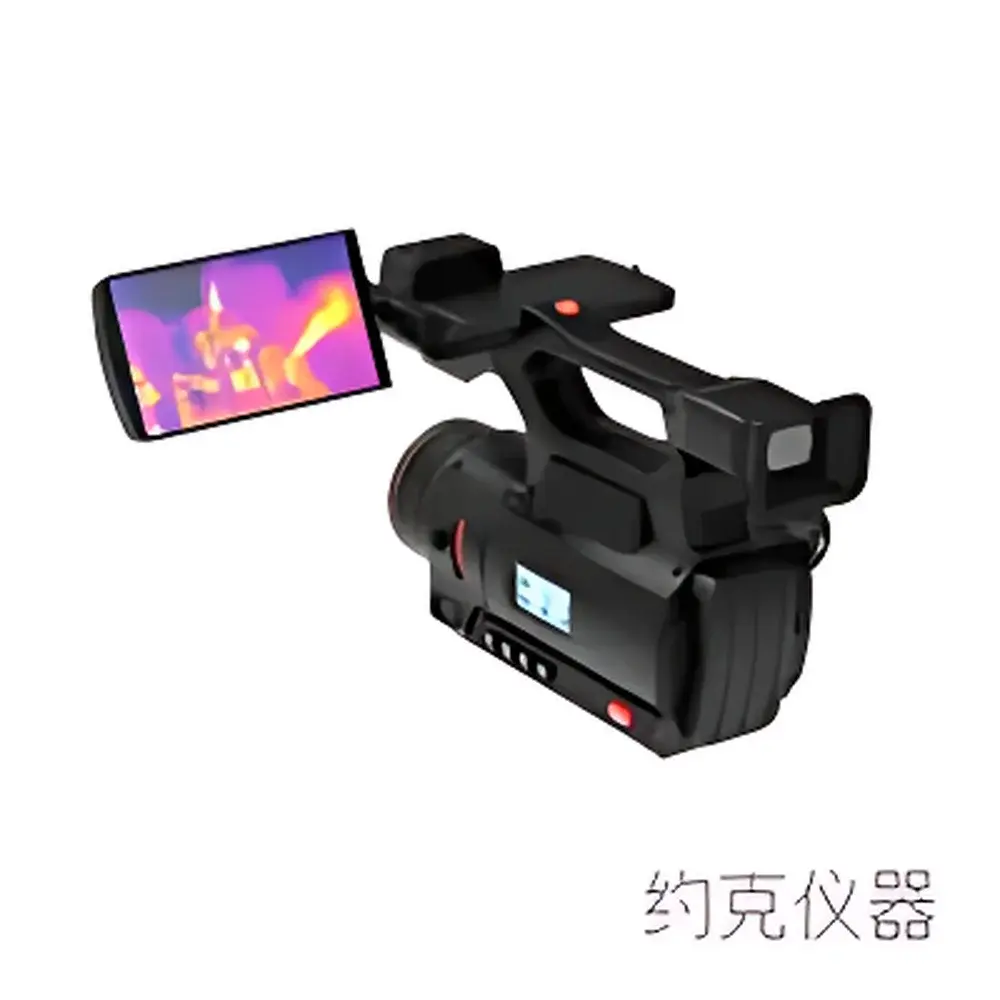
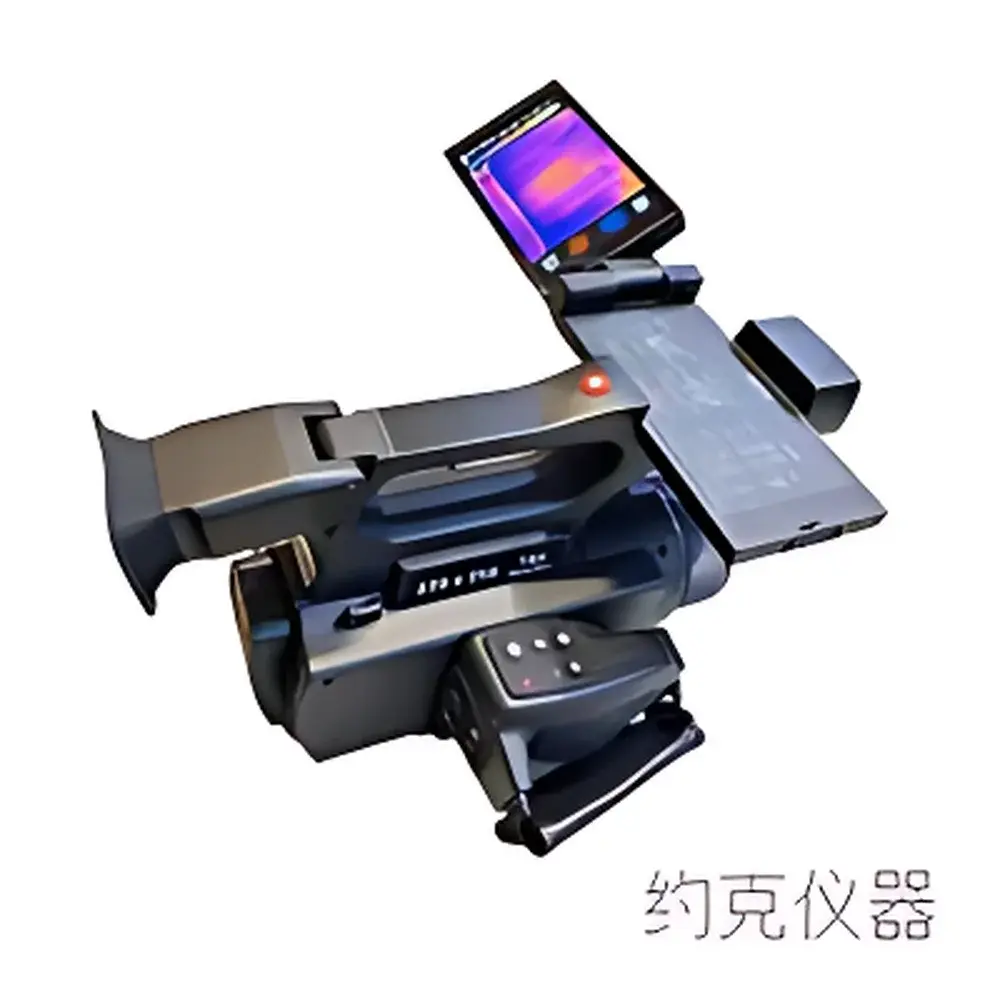
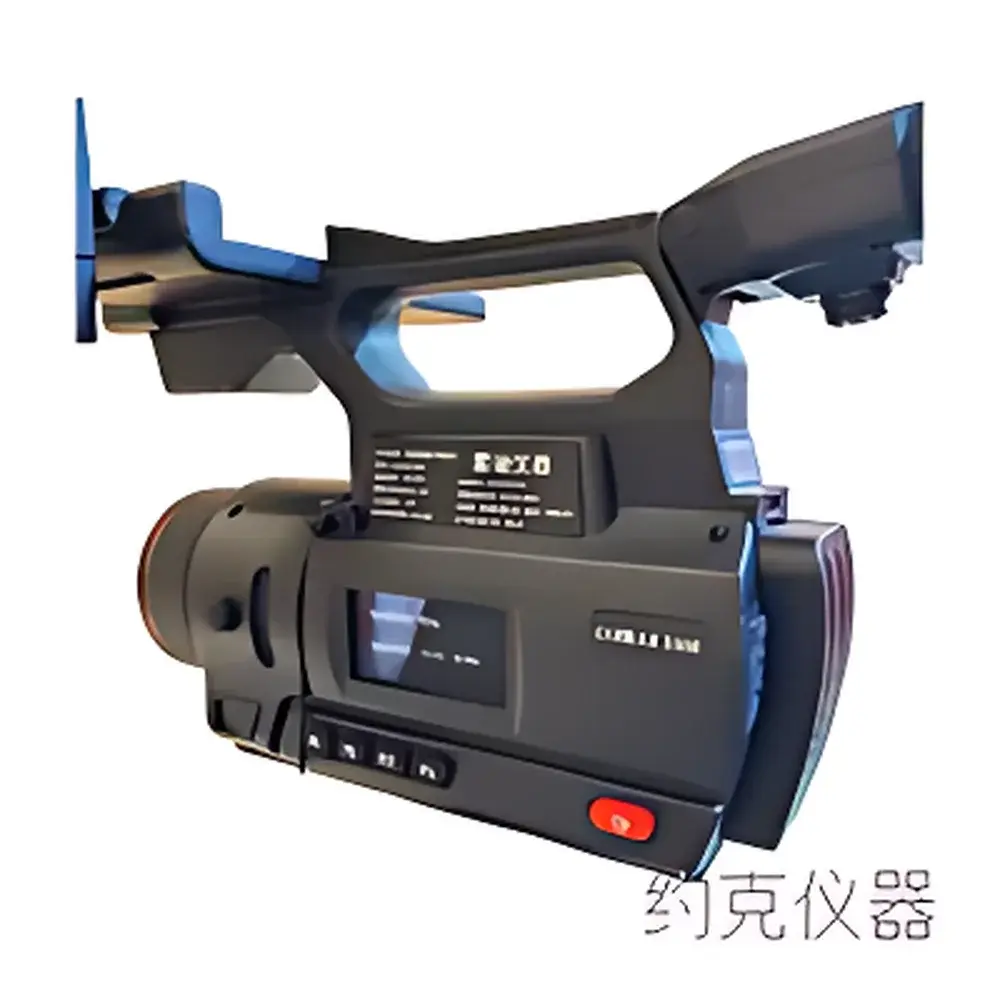
Honeywell OGIRAE 3000 Optical Gas Imaging Infrared Camera
| Brand | Honeywell |
|---|---|
| Origin | USA |
| Model | OGIRAE 3000 |
| Detection Range | >400 VOCs including methane, ethanol, gasoline, benzene, and other volatile organic compounds |
| Spectral Band | 3.2–3.5 µm |
| Detector Type | Cooled Type-II Strained-Layer Superlattice (T2SL) Mid-Wave Infrared (MWIR) Focal Plane Array |
| Cooling | Integrated Stirling cooler |
| Compliance | Meets ASTM D7520–22 (Standard Practice for Optical Gas Imaging), EPA OOOOa / OOOOb compliance support, ATEX/IECEx Zone 1 certified (per datasheet) |
| Weight | <3.2 kg |
| Display | Rotatable 4.3″ OLED touchscreen |
| Data Output | MP4 video, JPEG stills, WAV audio with embedded GPS & thermal metadata |
Overview
The Honeywell OGIRAE 3000 is an optical gas imaging (OGI) infrared camera engineered for real-time, non-contact detection and visualization of volatile organic compound (VOC) emissions in open-air industrial environments. Operating within the 3.2–3.5 µm spectral window—optimized for fundamental C–H stretch absorption bands—the system leverages cooled Type-II Strained-Layer Superlattice (T2SL) mid-wave infrared (MWIR) detector technology to deliver high thermal sensitivity (<20 mK NETD) and exceptional signal-to-noise ratio under ambient conditions. Unlike point-sampling or laser-based analyzers, the OGIRAE 3000 converts invisible gas plumes into visible thermal contrast imagery, enabling rapid spatial identification of fugitive emissions without physical sampling or proximity constraints. Its design adheres to ASTM D7520–22 methodology for optical gas imaging surveys and supports regulatory reporting frameworks aligned with U.S. EPA Method 21 alternatives and Subpart OOOOa/OOOOb compliance verification protocols.
Key Features
- Cooled MWIR T2SL detector with integrated Stirling micro-cooler—ensures stable operation across ambient temperatures from –20 °C to +50 °C and eliminates image lag during extended field use.
- Real-time gas plume visualization with dual-mode display: thermal-only and gas-enhanced overlay, configurable via on-device UI.
- Rotatable 4.3″ OLED touchscreen and ergonomic eyepiece—enabling flexible operator positioning in confined, elevated, or obstructed work zones (e.g., pipe racks, flare stacks, offshore platforms).
- Embedded GPS, time-stamped metadata, and synchronized multi-modal recording: full HD MP4 video, radiometric JPEG stills, and WAV voice annotations—all stored with EXIF-compliant thermal calibration data.
- IP54-rated enclosure with MIL-STD-810G shock/vibration resistance—certified for hazardous locations per ATEX Directive 2014/34/EU (II 2G Ex ib IIB T4 Gb) and IECEx (Ex ib IIB T4 Gb).
- Intuitive menu architecture with pre-loaded gas library profiles—allowing rapid selection of target compounds (e.g., methane, benzene, ethanol, xylene isomers) to optimize contrast gain and false-alarm suppression.
Sample Compatibility & Compliance
The OGIRAE 3000 detects over 400 VOCs and volatile liquids—including aliphatic hydrocarbons (e.g., propane, hexane), aromatics (e.g., toluene, styrene), oxygenates (e.g., methanol, ethyl acetate), and chlorinated solvents—based on their characteristic mid-infrared absorption signatures. It does not require calibration gases or consumables and operates independently of wind speed, humidity, or background solar loading when used within specified operational limits. The instrument supports audit-ready documentation workflows compliant with ISO 17025-accredited laboratories and meets functional requirements for EPA LDAR (Leak Detection and Repair) programs. Firmware includes traceable calibration logs and user-accessible audit trails per FDA 21 CFR Part 11 principles (electronic signature support optional via Honeywell Fleet Manager software).
Software & Data Management
Honeywell Fleet Manager desktop application enables post-capture analysis, georeferenced emission mapping, report generation (PDF/CSV), and integration with enterprise CMMS or EHS platforms via RESTful API. All recorded files retain embedded radiometric data, enabling quantitative plume intensity estimation (normalized to reference blackbody sources) and temporal trend analysis across inspection campaigns. Software supports batch annotation, annotation export to GIS layers, and customizable report templates aligned with EPA OOOOa Section 9300 reporting formats. Firmware updates are delivered via secure HTTPS channel with SHA-256 signature validation.
Applications
- Petrochemical refineries and LNG terminals—routine scanning of flanges, valves, compressors, and storage tanks for fugitive emissions.
- Chemical manufacturing facilities—compliance monitoring of reactor vents, distillation columns, and solvent recovery units.
- Environmental regulatory agencies—field enforcement of air quality permits and investigation of community odor complaints.
- Offshore oil & gas platforms—remote leak assessment in high-risk, access-limited environments where traditional sniffer probes pose safety hazards.
- Gas distribution networks—rapid survey of metering stations, regulator vaults, and above-ground piping prior to maintenance interventions.
FAQ
Does the OGIRAE 3000 provide quantitative concentration measurements?
No—it is a qualitative and semi-quantitative optical imaging tool designed for leak localization and relative plume intensity assessment. Quantification requires correlation with reference standards or complementary extractive analyzers.
Can it detect gases in enclosed or indoor spaces?
It is optimized for outdoor, line-of-sight applications with unobstructed atmospheric paths. Indoor use is limited by reflection artifacts, thermal stratification, and reduced plume dispersion dynamics.
Is training required for regulatory compliance?
Yes. EPA OOOOa mandates certified OGI operator training per VPP or equivalent third-party curriculum. Honeywell offers ASTM D7520–22–aligned certification courses.
What maintenance intervals apply to the Stirling cooler?
The integrated cooler is rated for >8,000 hours MTBF; no routine maintenance is required, but annual factory recalibration is recommended for metrological traceability.
How is data integrity ensured during field inspections?
All recordings include write-once metadata (GPS coordinates, UTC timestamp, lens temperature, detector bias settings), and firmware enforces immutable file attributes to satisfy GLP/GMP chain-of-custody requirements.
Related Products







