
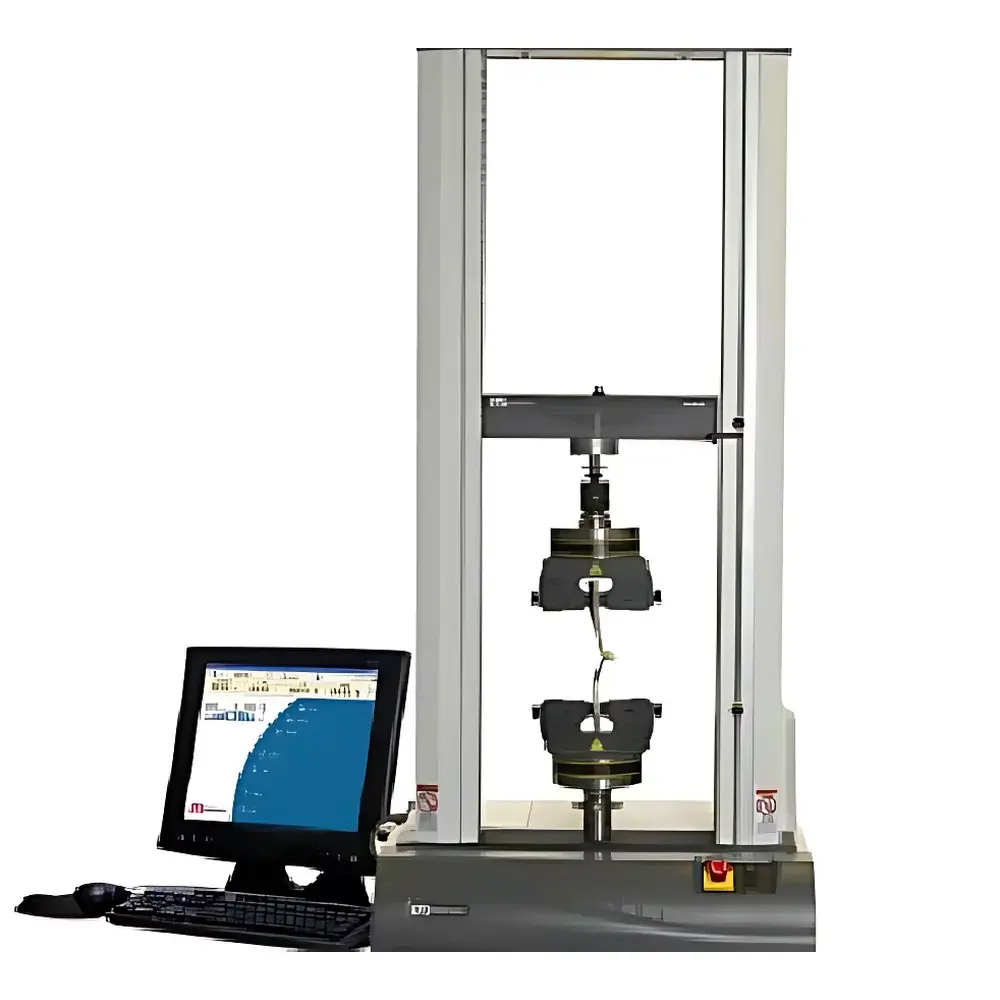
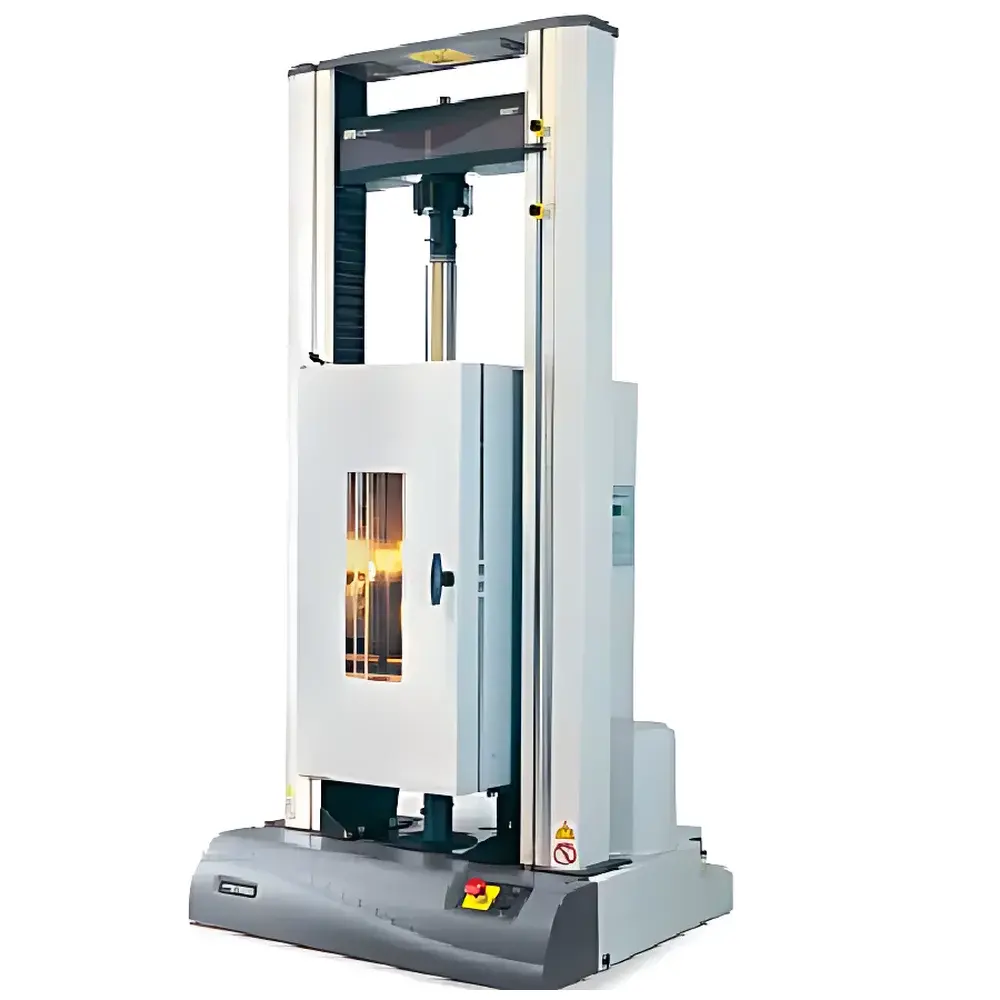
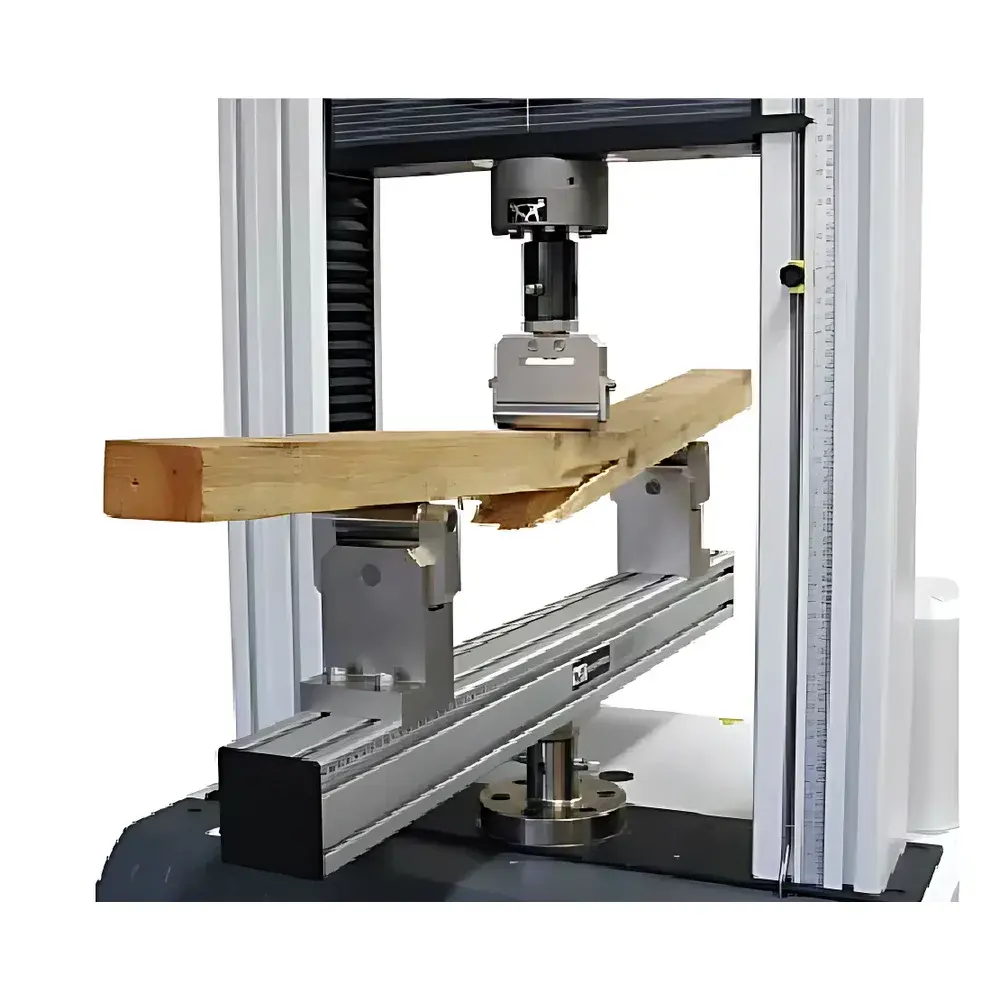
Instron 3300 Series Dual-Column Benchtop Electromechanical Universal Testing Machine
| Brand | Instron |
|---|---|
| Origin | USA |
| Model | 3300 Series |
| Load Capacity Options | 5 kN, 10 kN, 30 kN, 50 kN |
| Load Accuracy | ±0.5% of reading (down to 2% of full scale) |
| Strain Accuracy | ±0.5% of reading (down to 2% of extensometer full scale) |
| Crosshead Speed Range | 0.005–1000 mm/min |
| Speed Accuracy | ±0.2% of set speed |
| Drive System | High-torque DC motor with digital closed-loop position control |
| Screw Type | Preloaded recirculating ball screw with anti-backlash design |
| Column Configuration | Dual-column with T-slot equipped column shrouds |
| Software | Bluehill Lite (multi-language, including Chinese UI) |
Overview
The Instron 3300 Series is a dual-column benchtop electromechanical universal testing machine engineered for precision mechanical property evaluation of metals, polymers, composites, elastomers, adhesives, and biomedical materials. It operates on the principle of controlled-force or controlled-displacement uniaxial loading—applying tensile, compression, flexure, peel, shear, or cyclic loads under standardized test protocols. Designed in accordance with ISO 7500-1 (Class 1), ASTM E4, and ASTM E8/E8M, the system delivers traceable, repeatable, and auditable mechanical data essential for R&D, quality assurance, and regulatory compliance workflows. Its rigid dual-column architecture, preloaded ball-screw actuation, and high-fidelity load cell and extensometer integration ensure minimal deflection, zero backlash, and long-term measurement stability—even during low-speed creep or high-rate impact simulations.
Key Features
- Digital closed-loop position control via high-torque DC motor eliminates clutch-based transmission, enabling smooth, silent, and maintenance-free operation across the full speed range.
- Preloaded recirculating ball screws with integrated protective shrouds prevent contamination, reduce wear, and eliminate reverse backlash—critical for sub-micron displacement resolution and hysteresis-sensitive tests.
- T-slot-equipped column shrouds allow rapid, tool-free attachment of grips, fixtures, environmental chambers, and accessories—including pneumatic, hydraulic, wedge, and custom-designed holders.
- Automatic transducer recognition and calibration validation upon connection ensure immediate system readiness and reduce setup errors in multi-user lab environments.
- Onboard self-diagnostic routines continuously monitor motor current, encoder feedback, load cell integrity, and thermal drift—generating actionable alerts and reducing unplanned downtime by up to 40% compared to legacy systems.
- Modular base platform available in multiple standard colors (anthracite, graphite, ivory) for ergonomic and aesthetic integration into modern laboratory spaces without compromising structural rigidity.
Sample Compatibility & Compliance
The 3300 Series accommodates specimens ranging from miniature wires (<0.1 mm diameter) to structural coupons (up to 300 mm wide × 500 mm height). Compatible with ASTM D638, ISO 527, ISO 6892-1, ASTM D790, ISO 178, ISO 1133, and USP for mechanical testing of pharmaceutical films and packaging. All load cells are factory-calibrated per ISO/IEC 17025-accredited procedures, with NIST-traceable certificates provided. The system supports GLP/GMP-aligned operation when paired with Bluehill Universal (optional upgrade), including 21 CFR Part 11-compliant electronic signatures, audit trails, and user access controls.
Software & Data Management
Bluehill Lite provides an intuitive, workflow-driven interface optimized for routine testing—featuring one-click method templates, real-time graphical feedback, automatic pass/fail evaluation against specification limits, and export-ready reports in PDF, Excel, and XML formats. While the Lite version includes Chinese language support for regional usability, it retains full metadata tagging (operator ID, timestamp, instrument serial, calibration status) required for internal QA documentation. For advanced analysis, users may seamlessly upgrade to Bluehill Universal, which adds statistical process control (SPC), multi-curve overlay, derivative modulus calculation, and automated ISO 527-2 or ASTM D638 Type I–V specimen alignment guidance.
Applications
- Tensile strength, yield point, elongation at break, and modulus determination for thermoplastics, thermosets, and fiber-reinforced composites.
- Compression testing of foams, ceramics, and pharmaceutical tablets per USP and Ph. Eur. 2.9.40.
- Flexural stiffness and failure load assessment of laminates, circuit boards, and dental restorative materials.
- Peel and shear adhesion characterization for tapes, labels, medical device bonding layers, and automotive sealants.
- Cyclic fatigue and stress-relaxation profiling under constant load or displacement conditions for elastomeric components and soft tissue simulants.
- Calibration verification and inter-laboratory comparison studies supporting ISO/IEC 17025 accreditation requirements.
FAQ
What load capacities are available within the 3300 Series?
The series offers four standard configurations: 3365 (5 kN), 3366 (10 kN), 3367 (30 kN), and 3369 (50 kN), each with corresponding load cell options calibrated to Class 1 accuracy per ISO 7500-1.
Is Bluehill Lite compliant with FDA 21 CFR Part 11?
Bluehill Lite supports basic electronic recordkeeping but does not include electronic signatures or full audit trail functionality; these capabilities require Bluehill Universal with licensed Part 11 module.
Can the system be integrated with environmental chambers?
Yes—the dual-column frame accommodates horizontal or vertical chamber mounting, with feedthroughs for temperature-controlled testing from –70 °C to +350 °C using third-party or Instron-certified chambers.
What is the minimum crosshead speed and its repeatability?
The lowest programmable speed is 0.005 mm/min, with speed accuracy maintained at ±0.2% of set value across the entire 0.005–1000 mm/min range.
Does the system support extensometer auto-recognition?
Yes—both clip-on and non-contact video extensometers with digital identification chips are automatically detected, configured, and validated upon connection.



