
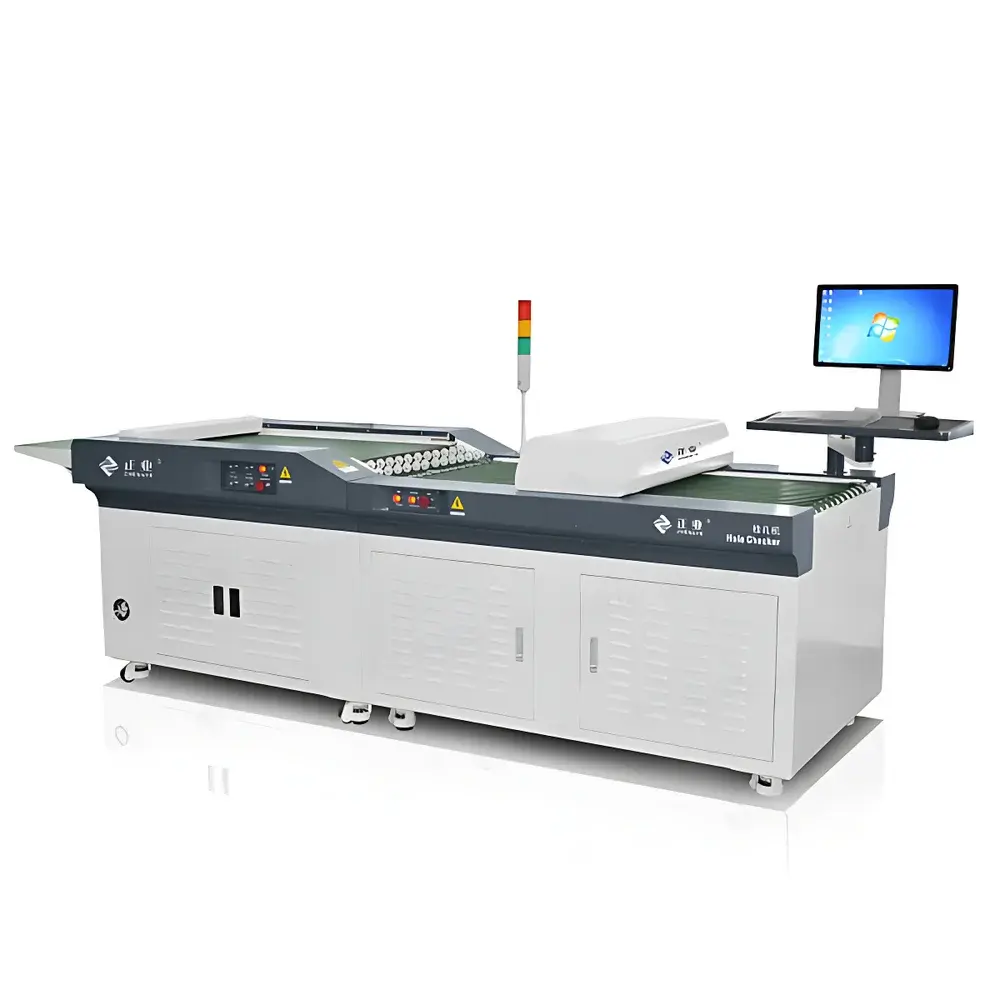
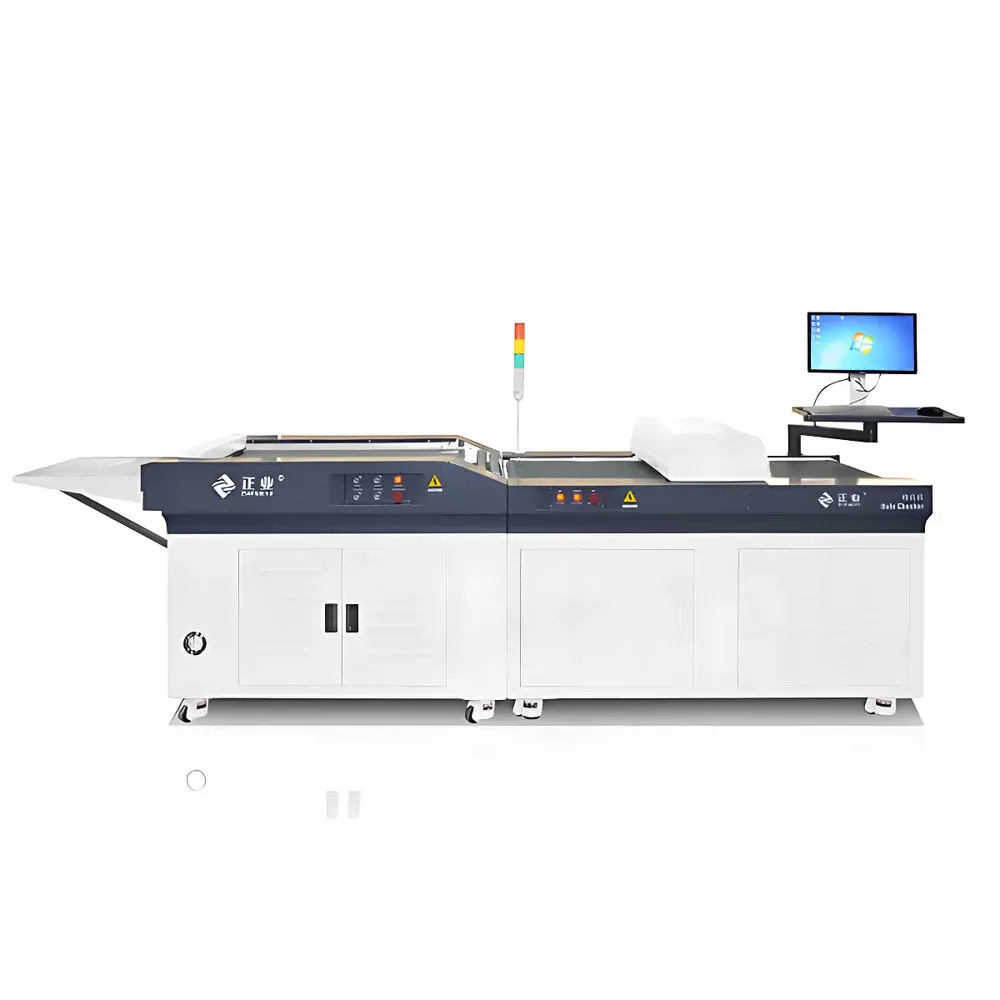
JK5200 PCB Automated Optical Inspection System for Hole Count, Diameter, and Defect Analysis
| Brand | Zhengye |
|---|---|
| Model | JK5200 |
| Origin | Guangdong, China |
| Manufacturer Type | OEM/ODM Producer |
| Country of Origin | China |
| Pricing | Upon Request |
| Repeatability | ±30 µm (standard round holes) |
| Slot Length Repeatability | ±75 µm |
| Irregular Hole Repeatability | ±150 µm |
| Measurement Accuracy | ±20 µm (hole diameter ≤ 1 mm), ±30 µm (1 mm < diameter < 4 mm), ±40 µm (diameter ≥ 4 mm) |
| Inspection Speed | 3.0–12.5 m/min (configurable by mode: drilling-stage vs. finished-board) |
| Detectable Hole Diameter Range | 0.1–10 mm |
| Max. Board Format | 630 mm × 650 mm |
| Min. Board Format | 80 mm × 100 mm |
| Board Thickness Range | 0.3–10 mm |
| Minimum Hole-to-Edge Distance | ≥ 0.10 mm |
| Dimensions (L×W×H) | 3510 mm × 1160 mm × 1100 mm |
| Weight | ~800 kg |
Overview
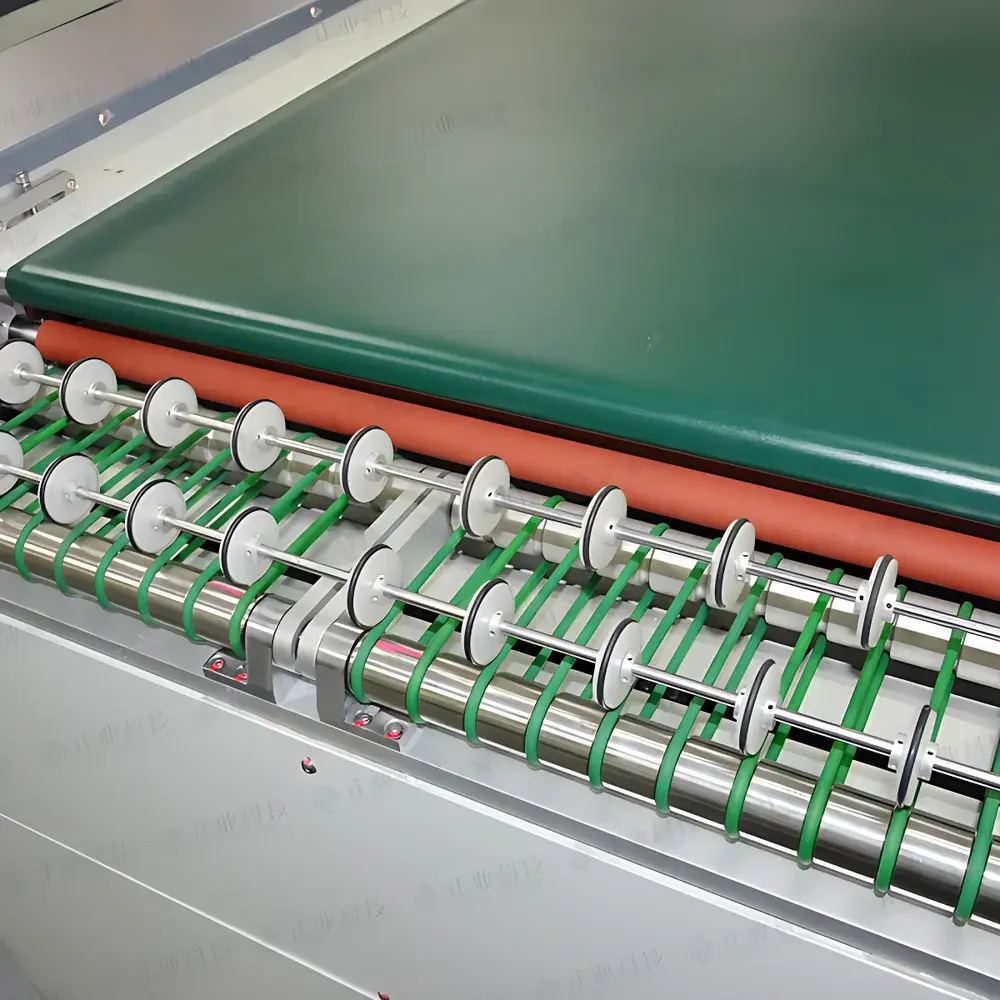
The Zhengye JK5200 is an industrial-grade automated optical inspection (AOI) system engineered specifically for printed circuit board (PCB) manufacturing quality control. Unlike general-purpose surface analyzers or pore size instruments, the JK5200 operates on high-resolution line-scan imaging principles—leveraging Contact Image Sensor (CIS) technology—to perform non-contact, real-time metrology of drilled and routed features on rigid and flexible PCB substrates. Its core function is geometric verification: quantifying hole count, nominal diameter, positional accuracy, and morphological integrity—including detection of plugging, foreign material ingress, slot elongation/shortening, and edge proximity violations. Designed for integration into inline production workflows, the system performs final pre-packaging inspection after drilling and before lamination or solder mask application, ensuring compliance with IPC-A-600 and IPC-6012 dimensional tolerancing requirements.
Key Features
- High-fidelity CIS-based imaging module with calibrated pixel pitch and dynamic exposure control, enabling sub-30 µm repeatability on standard through-holes under stable thermal and illumination conditions.
- Dual-lane parallel inspection architecture: two independent scanning zones allow simultaneous evaluation of two PCB panels—increasing throughput without compromising measurement traceability or image resolution.
- Integrated auto-alignment and fiducial-based registration: compensates for panel skew, translation, and thermal expansion drift using machine vision algorithms compliant with ISO/IEC 17025 traceability guidelines for measurement uncertainty reporting.
- Networked defect review station: supports concurrent remote access via standard web browsers or dedicated client software; NG boards are timestamped, geotagged with defect coordinates, and archived with full-resolution annotated images for root-cause analysis.
- Ruggedized mechanical platform with vibration-damped granite base and precision linear motion stages—designed for continuous 24/7 operation in Class 10,000 cleanroom environments typical of high-mix PCB fabrication lines.
Sample Compatibility & Compliance
The JK5200 accommodates a broad range of PCB substrates including FR-4, polyimide, metal-core, and ceramic-based laminates. It accepts boards from 0.3 mm to 10 mm thickness and formats spanning 80 mm × 100 mm up to 630 mm × 650 mm—covering standard panel sizes used in HDI, automotive, and aerospace PCB production. All measurement algorithms adhere to ASTM E29-23 rounding conventions and report uncertainties consistent with GUM (Guide to the Expression of Uncertainty in Measurement) principles. The system’s calibration protocol aligns with NIST-traceable standards and supports internal verification using certified gauge blocks and hole-pattern reference plates. Full audit trail logging satisfies GLP/GMP documentation requirements for regulated industries.
Software & Data Management
The embedded inspection software runs on a real-time Linux OS with deterministic I/O scheduling. It provides configurable pass/fail thresholds per feature type (e.g., diameter tolerance bands, minimum annular ring width, slot length deviation), with rule-based logic exportable as XML for cross-facility standardization. All inspection data—including raw images, coordinate lists, statistical process control (SPC) charts, and OEE metrics—are stored in encrypted SQLite databases with optional integration into MES platforms via OPC UA or RESTful API. Audit logs record operator login, parameter changes, calibration events, and result overrides—fully compliant with FDA 21 CFR Part 11 electronic record and signature requirements when deployed in medical device PCB manufacturing.
Applications
- Final post-drilling verification in multi-layer PCB fabrication lines, confirming hole count completeness prior to desmear and electroplating.
- Quality gate inspection before packaging and shipment—reducing field returns due to undetected drill misfeeds or tool wear-induced geometry drift.
- Process capability studies (Cp/Cpk) for CNC drilling equipment, using historical JK5200 output to correlate feed rate, spindle speed, and bit life with dimensional stability.
- Supplier qualification audits where objective, image-backed evidence of conformance to drawing specifications is required.
- Failure analysis support: precise defect localization enables targeted cross-sectioning and SEM/EDS investigation of plating voids or contamination sources.
FAQ
What standards does the JK5200 comply with for measurement traceability?
The system supports calibration against NIST-traceable artifacts and generates uncertainty budgets aligned with ISO/IEC 17025 Annex A.5 for dimensional metrology.
Can the JK5200 inspect laser-drilled microvias?
It is optimized for mechanically drilled holes ≥0.1 mm; microvias <100 µm require complementary SEM or X-ray CT validation.
Is offline programming supported for new board designs?
Yes—Gerber RS-274X and ODB++ import enables automatic fiducial and feature recognition setup without physical sample exposure.
How is data security handled during networked review sessions?
All web-based sessions use TLS 1.3 encryption; user roles enforce granular permissions (view-only, annotation, override) with session timeouts and SSO compatibility.
Does the system support statistical process control (SPC) charting?
Built-in SPC engine computes X-bar/R, Cpk, and trend analysis per hole group; charts export to PDF or CSV for integration with enterprise QMS platforms.



