
JP GC-2011 Laboratory Gas Chromatograph for Pharmaceutical, Chemical & Pesticide Analysis
| Brand | JP |
|---|---|
| Origin | Shandong, China |
| Model | GC-2011 |
| Instrument Type | Benchtop Laboratory Gas Chromatograph |
| Detector Standard Configuration | FID & TCD |
| Optional Detectors | ECD, FPD, NPD |
| Temperature Control Range | Ambient +8°C to 420°C |
| Temperature Accuracy | ±0.1°C ≤200°C |
| Ramp Rate | 1–30°C/min |
| FID Detection Limit | ≤1×10⁻¹¹ g/s (benzene) |
| FID Noise | ≤0.02 mV |
| FID Drift | ≤0.1 mV/h |
| TCD Sensitivity | ≥3000 mV·mL/mg (benzene) |
| TCD Noise | ≤0.02 mV |
| TCD Drift | ≤0.1 mV/h |
| Programmable Temperature Program | 5-step ramp |
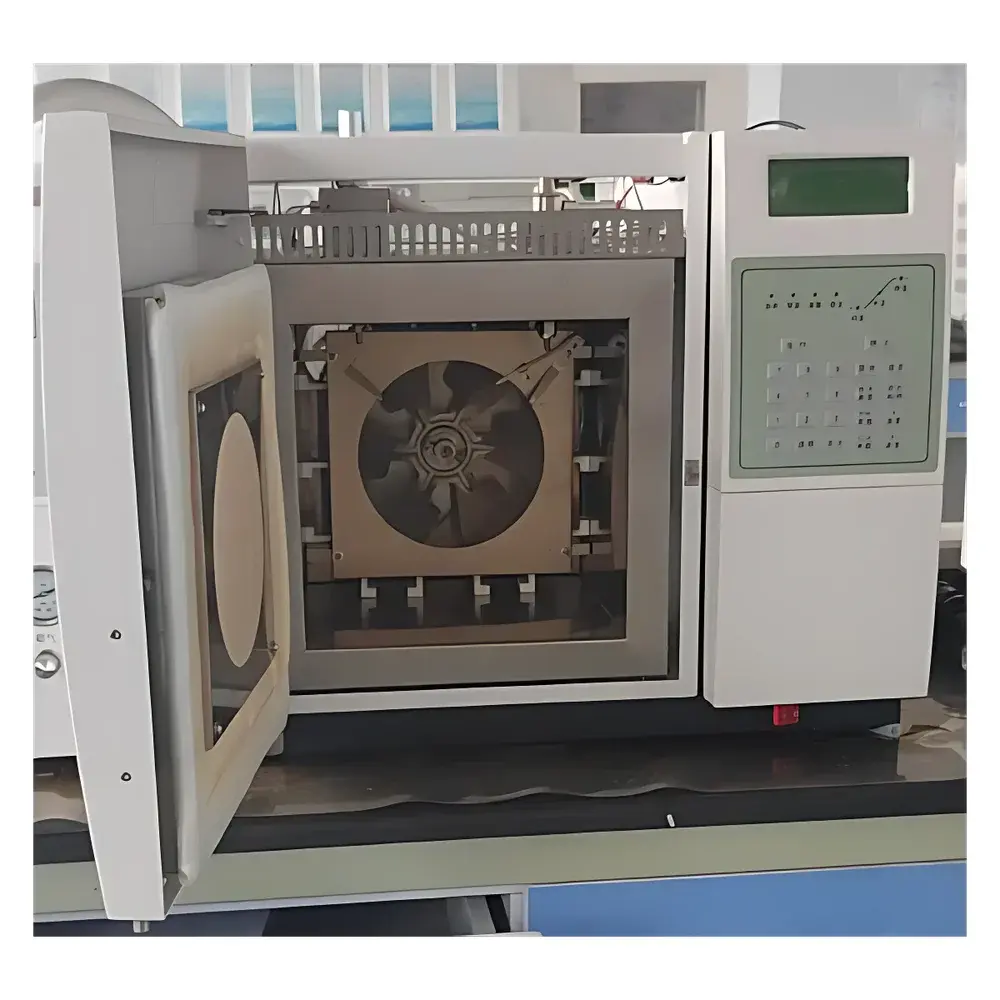
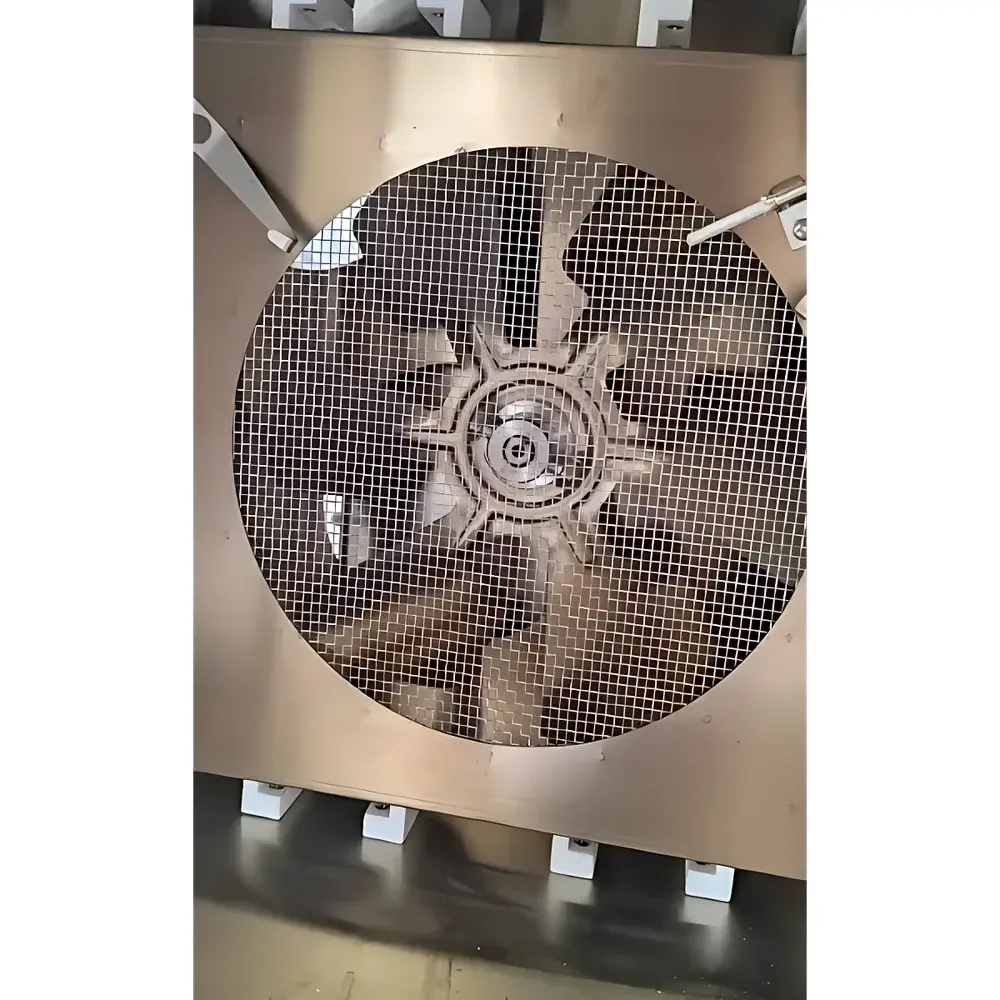
| Column Oven Cooling | Intelligent variable-frequency rear-door system enabling near-ambient operation |
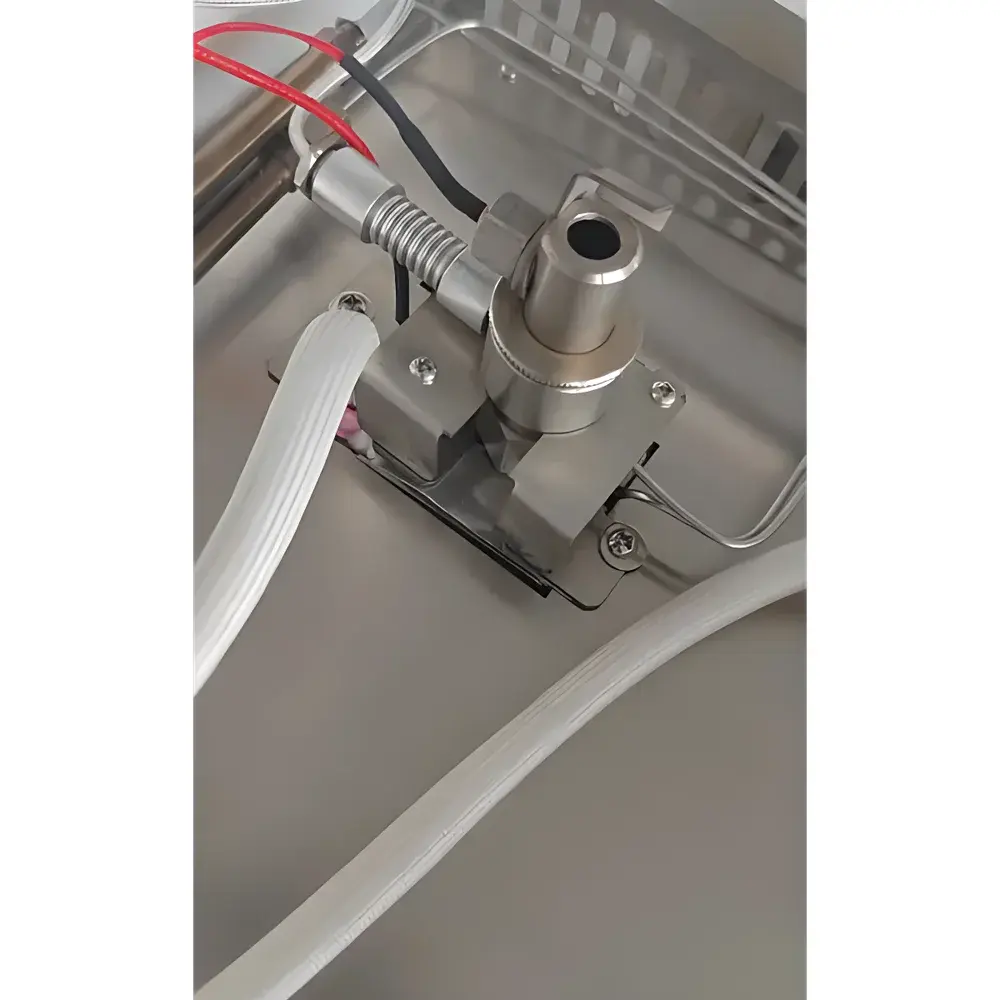
| Inlet Systems | Dual packed-column inlets + dedicated split/splitless capillary inlet with tail-purge |
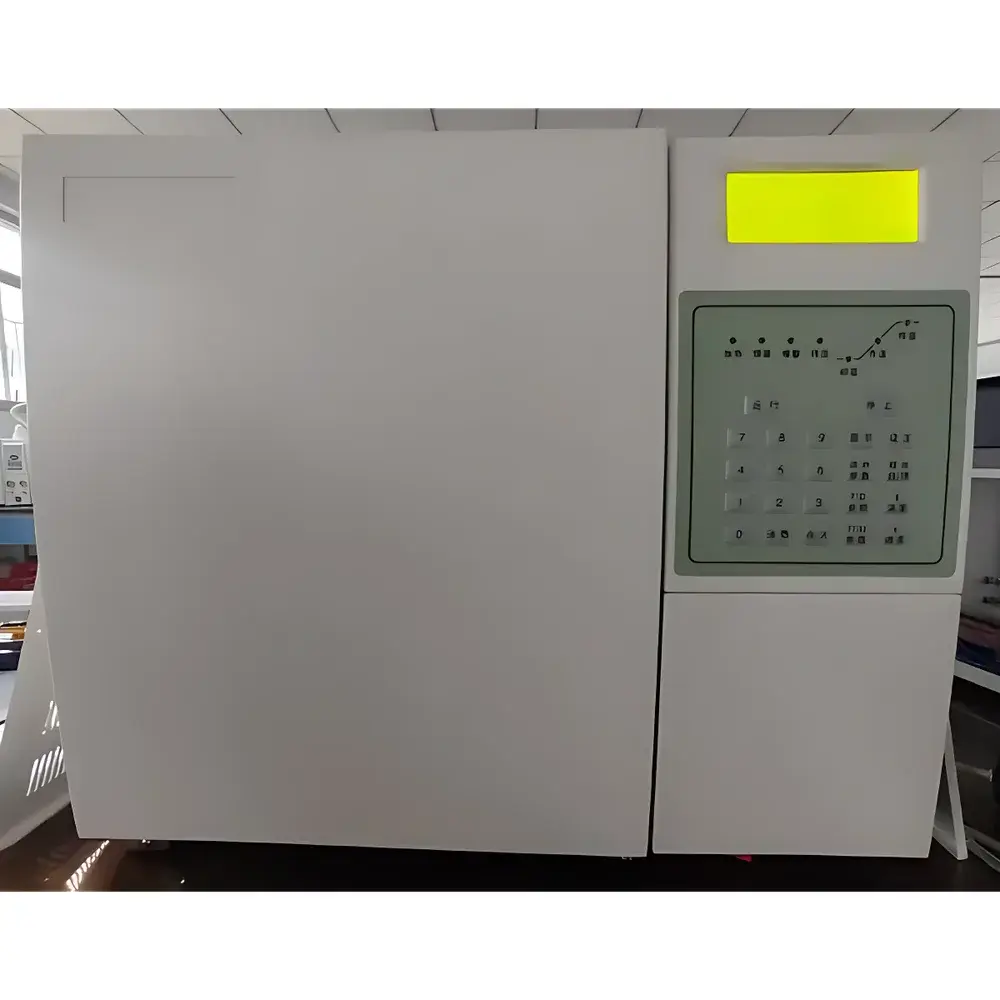
| Data System | Embedded microprocessor with LCD interface |
| Compliance | Designed to support GLP-compliant workflows |
Overview
The JP GC-2011 is a benchtop laboratory gas chromatograph engineered for reproducible, high-fidelity separation and quantification of volatile and semi-volatile organic compounds in regulated and research environments. It operates on the fundamental principle of differential partitioning between a mobile phase (carrier gas—typically helium, hydrogen, or nitrogen) and a stationary phase coated inside fused-silica capillary or packed columns. Separated analytes elute at characteristic retention times and are detected via flame ionization (FID), thermal conductivity (TCD), or optional electron capture (ECD), flame photometric (FPD), or nitrogen-phosphorus (NPD) detectors. Its architecture supports method development, routine QC, and compliance-driven analysis across pharmaceutical stability testing, pesticide residue screening in agrochemicals, impurity profiling in active pharmaceutical ingredients (APIs), and ethanol/water ratio determination in distilled spirits per AOAC and OIV protocols.
Key Features
- Microprocessor-controlled temperature management with dual-zone oven capability: column compartment (ambient +8°C to 420°C) and independently heated detector/injector zones.
- Five-stage programmable temperature ramping with ramp rate control from 1 to 30°C/min, enabling precise method optimization for complex matrices.
- Dual detection readiness: factory-integrated FID and TCD detectors—both featuring low-noise electronics (<0.02 mV), minimal drift (<0.1 mV/h), and validated sensitivity (FID: ≤1×10⁻¹¹ g/s benzene; TCD: ≥3000 mV·mL/mg benzene).
- Modular detector expansion: standardized electrical and gas interfaces allow field installation of ECD, FPD, or NPD without hardware modification.
- Dedicated capillary inlet with pressure-programmable split/splitless mode, integrated tail-purge, and compatibility with 0.1–0.53 mm ID columns—including megabore and porous-layer open-tubular (PLOT) formats.
- Intelligent rear-door cooling system utilizing variable-frequency motor control to achieve rapid column oven cooldown to ≤35°C—critical for high-throughput labs performing back-to-back injections.
- Robust fault management suite: real-time Chinese-language diagnostics for overtemperature, carrier gas failure, power interruption, and detector anomalies—each triggering automatic shutdown and persistent parameter retention.
- Embedded digital zero-baseline stabilization eliminates mechanical potentiometer drift, ensuring long-term baseline integrity during extended runs.
Sample Compatibility & Compliance
The GC-2011 accommodates liquid, gaseous, and headspace-derived samples across diverse sample introduction modalities—including direct injection, auto-sampler integration (via optional RS-232/USB interface), and thermal desorption units. It meets essential performance criteria outlined in USP for system suitability testing (SST), including resolution (Rs ≥ 2.0), tailing factor (Tf ≤ 2.0), and repeatability (RSD ≤ 1.0% for peak area). The instrument’s firmware architecture supports audit-trail-enabling data logging when paired with compliant third-party chromatography data systems (CDS), facilitating alignment with FDA 21 CFR Part 11 requirements for electronic records and signatures. Its design conforms to IEC 61010-1 safety standards and electromagnetic compatibility (EMC) directives applicable to laboratory instrumentation.
Software & Data Management
While the GC-2011 operates autonomously via its built-in 128×64 pixel Chinese LCD interface—supporting full method setup, real-time chromatogram display, and event-triggered logging—it is fully compatible with industry-standard CDS platforms including Chromeleon™, OpenLab CDS, and Empower™ via ASCII export or analog/digital output modes. All acquisition parameters, sequence logs, and calibration reports are timestamped and stored internally with non-volatile memory. Firmware supports GLP-compliant metadata tagging (analyst ID, instrument ID, method version, environmental conditions) and allows user-defined pass/fail criteria for automated SST evaluation. Raw data files adhere to ANDI/MSD format conventions for interoperability.
Applications
- Pharmaceutical QC: Residual solvent analysis (ICH Q3C), assay purity profiling, and extractables/leachables screening in packaging materials.
- Agricultural chemistry: Multi-residue pesticide analysis in soil, water, and crop matrices per EPA Method 8081B and EN 15662.
- Food & beverage: Ethanol concentration, congeners profiling, and flavor compound quantification in白酒 (baijiu), brandy, and fermented beverages.
- Environmental monitoring: VOC speciation in ambient air, wastewater, and landfill leachate using EPA TO-17 and Method 8260D protocols.
- Forensic toxicology: Blood alcohol content (BAC) determination and controlled substance confirmation in biological fluids.
- Academic research: Reaction kinetics monitoring, polymer degradation product identification, and chiral separations using specialized capillary columns.
FAQ
Is the GC-2011 compliant with 21 CFR Part 11 for electronic records?
The instrument itself does not include built-in electronic signature or audit trail functionality; however, its analog/digital outputs and ASCII data export enable seamless integration with validated CDS software that provides full Part 11 compliance.
Can the GC-2011 be used for method transfer from legacy Agilent or Shimadzu systems?
Yes—its universal column connections, adjustable pressure/flow control, and standard detector response characteristics facilitate robust method translation, especially for FID- and TCD-based assays.
What maintenance intervals are recommended for the FID jet and TCD filament?
Under typical usage (≤8 hrs/day), FID jets should be cleaned every 2–3 months; TCD filaments require inspection every 6 months and replacement only upon signal degradation confirmed by sensitivity verification.
Does the system support unattended overnight operation?
Yes—integrated power-failure recovery, temperature fault lockout, and auto-restart capability after brownout events ensure uninterrupted sequence execution.
Is remote monitoring or control possible?
Remote operation requires external CDS integration via RS-232 or USB-to-serial bridge; the onboard controller does not support Ethernet or Wi-Fi connectivity.




