
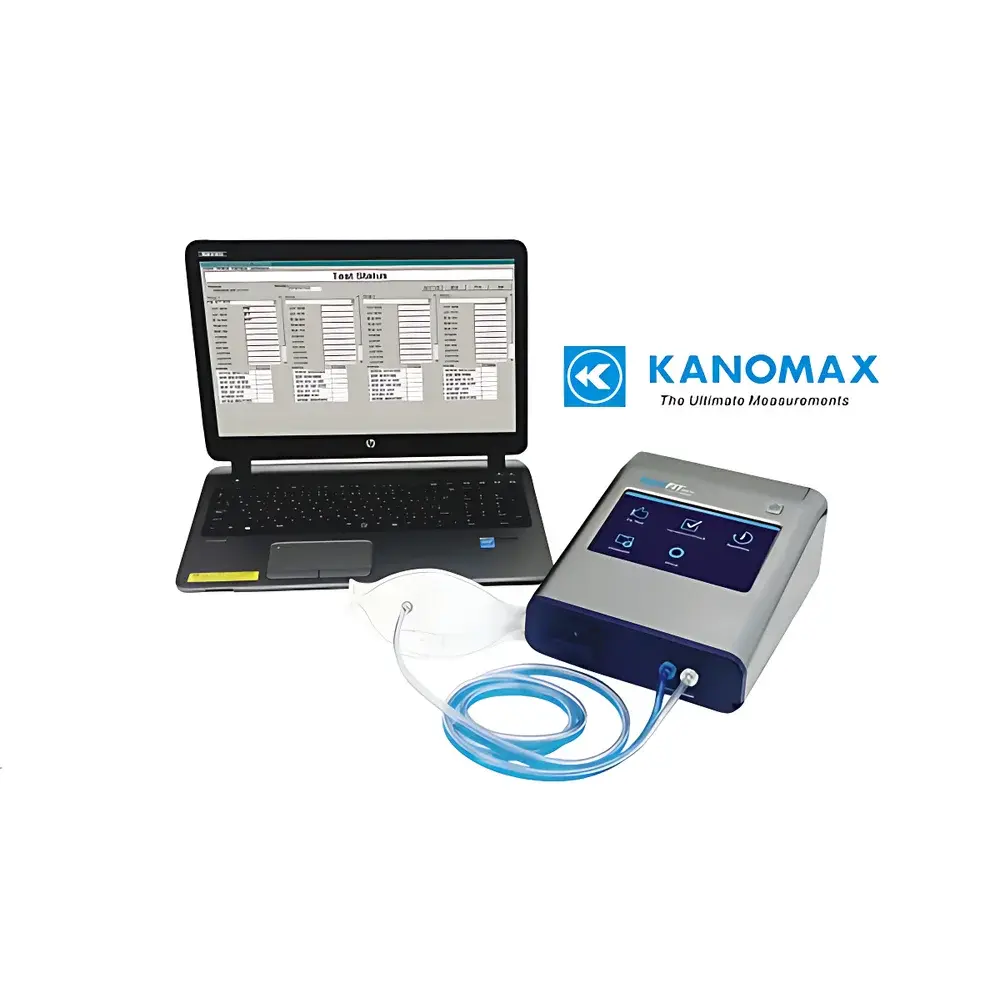
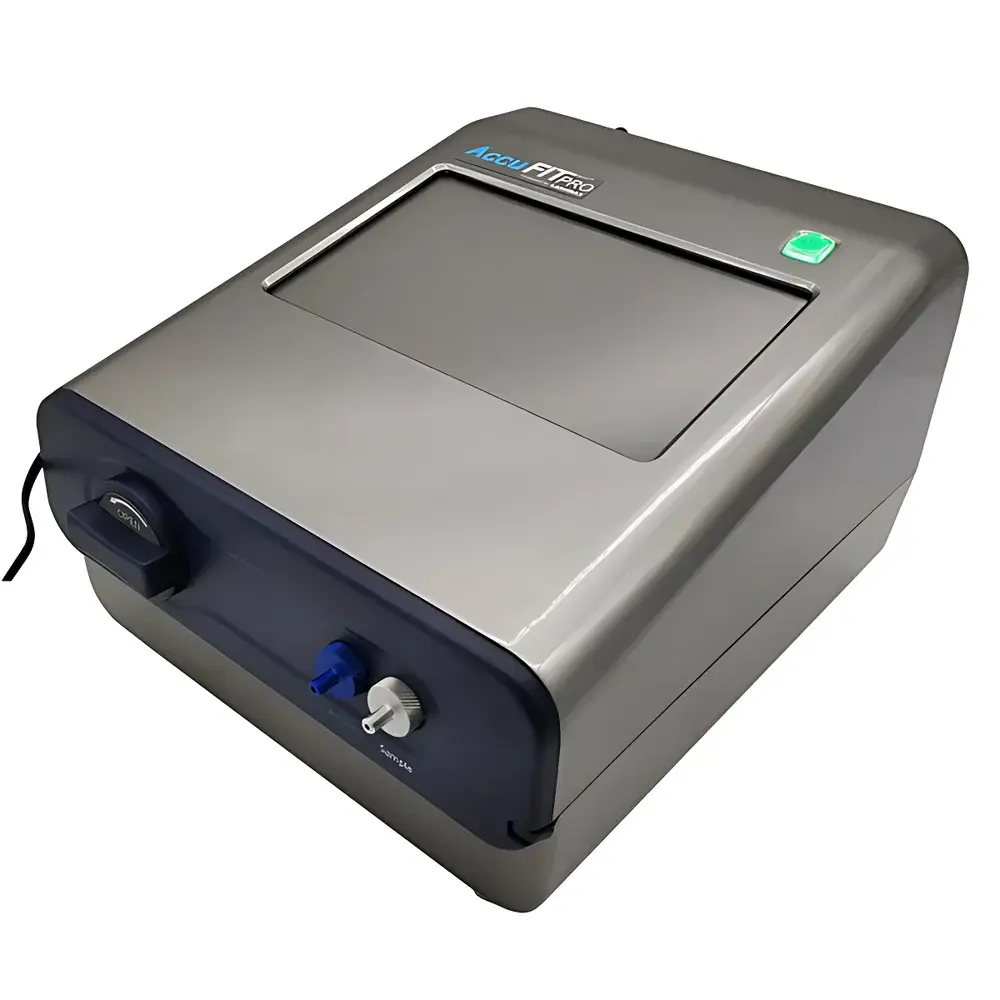
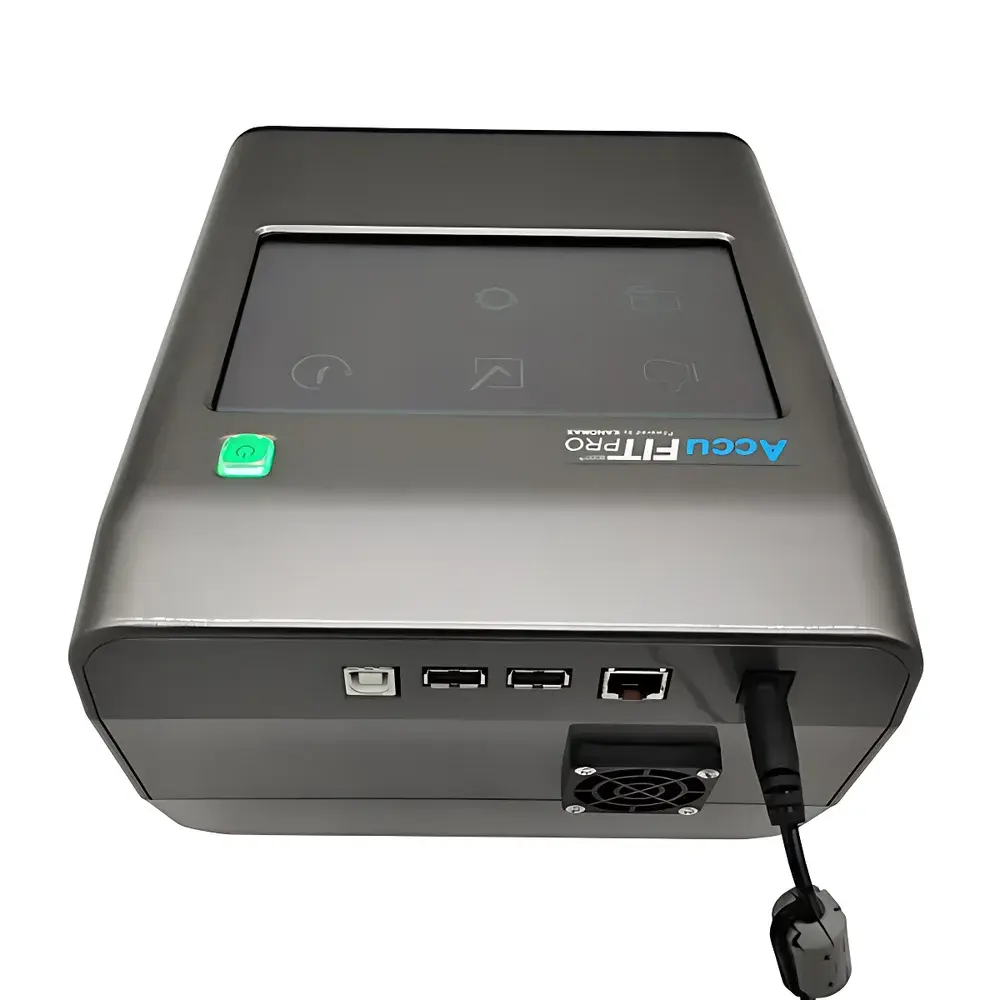
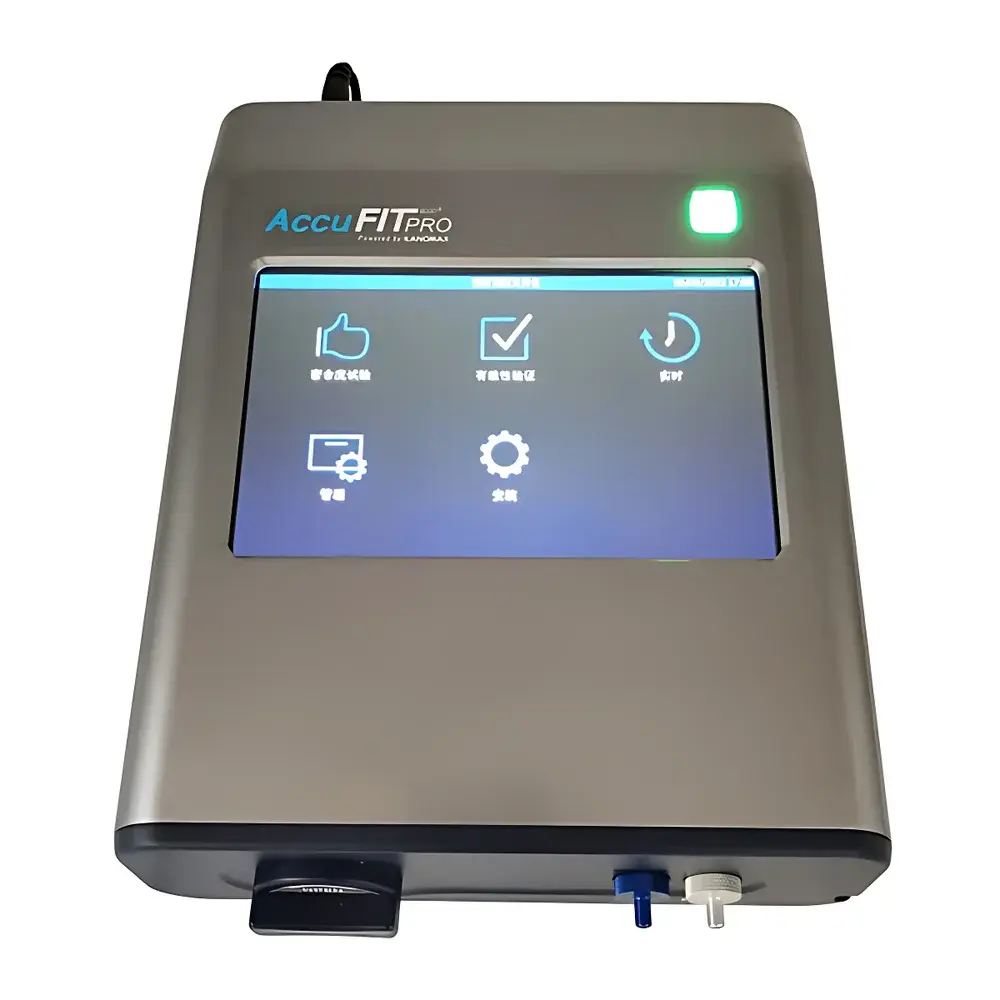
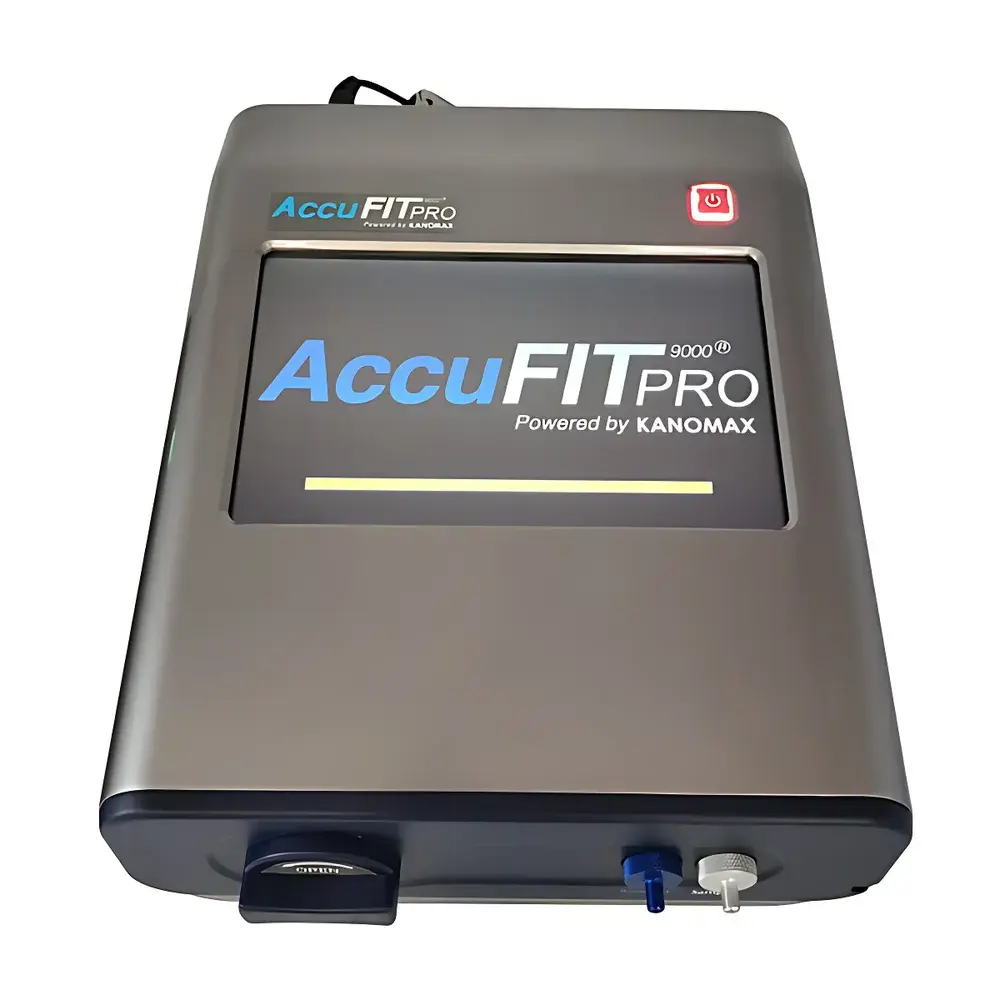
Kanomax 3000-0C / 3000-C1 Quantitative Fit Testing (QFT) System for Respirators
| Brand | Kanomax |
|---|---|
| Origin | Japan |
| Model | 3000-0C / 3000-C1 |
| Particle Size Range | 0.015–1.0 µm (3000-C1), 0.02–1.0 µm (3000-0C) |
| Concentration Range | 0–100,000 particles/cm³ |
| Sample Flow Rate | 100 cm³/min |
| Total Flow | 700 cm³/min |
| Fit Factor Calculation | Direct Cout/Cin ratio |
| Test Agent | ≥99.5% isopropanol or ethanol |
| Display | 7-inch full-color touchscreen |
| Languages | English, Japanese, Chinese, French, Spanish, Portuguese |
| Compliance Standards | OSHA 1910.134, CSA Z94.4, ANSI/AIHA Z88.10, HSE INDG479, GB 2626–2019, GB 19083–2010, GB/T 32610–2016 |
| Communication Interfaces | USB, Ethernet, Wi-Fi |
| Software | Windows 7/8/10 compatible |
| Operating Environment | 10–35 °C, 20–85% RH (non-condensing) |
| Dimensions (W×H×D) | 208×117×262 mm (3000-0C), 208×152×263 mm (3000-C1) |
| Weight | 2.3 kg (3000-0C), 3.1 kg (3000-C1) |
Overview
The Kanomax 3000-0C and 3000-C1 Quantitative Fit Testing (QFT) Systems are precision-engineered instruments designed to objectively assess the fit performance of respirators—including N95, KN95, P3, HEPA, half-face, full-face, powered air-purifying respirators (PAPR), and self-contained breathing apparatus (SCBA)—by measuring real-time particle penetration at the face seal interface. Utilizing Condensation Particle Counter (CPC) technology, these systems detect ultrafine aerosols in the size range of 0.015–1.0 µm (3000-C1) or 0.02–1.0 µm (3000-0C), enabling highly sensitive quantification of inward leakage during dynamic wearer movement. Unlike qualitative fit tests relying on irritant smoke or bitter-tasting agents—methods prone to subjective interpretation and poor reproducibility—the 3000 series delivers traceable, numerical fit factors (FF) based on the ratio of ambient particle concentration (Cout) to intramask concentration (Cin). This principle aligns with the fundamental requirement of ISO 16900-1:2019 and ASTM F1885–22 for quantitative respirator fit assessment and satisfies regulatory mandates under OSHA 1910.134 Appendix A, CSA Z94.4–22, and China’s GB 2626–2019 and GB 19083–2010, where a minimum total fit factor of 100 is required for medical-grade particulate filtering facepiece respirators.
Key Features
- Condensation Particle Counter (CPC)-based detection ensures high sensitivity and low background noise across the critical sub-100 nm aerosol spectrum, supporting robust measurement of leakage from respirator seal gaps.
- Dual-model configuration: 3000-0C for general-purpose QFT; 3000-C1 adds dedicated N95 mode with automated pass/fail evaluation per NIOSH criteria, plus DS2, DL2, RS2, and RL2 protocol presets aligned with international workplace standards.
- 7-inch full-color resistive touchscreen interface with intuitive icon-driven navigation and six-language support (English, Japanese, Chinese, French, Spanish, Portuguese) for global laboratory and field deployment.
- Integrated test agent delivery system using ≥99.5% isopropanol or ethanol—eliminating reliance on hazardous or regulated challenge agents such as sodium chloride or dioctyl phthalate (DOP).
- Modular sampling architecture: independent left-side ambient sampling and right-side intramask sampling ports enable simultaneous dual-channel real-time particle counting without cross-contamination.
- Flexible connectivity via USB 2.0, 10/100 Mbps Ethernet, and IEEE 802.11 b/g/n Wi-Fi—enabling centralized data acquisition, remote instrument monitoring, and networked multi-unit synchronization.
Sample Compatibility & Compliance
The 3000-0C and 3000-C1 accommodate a comprehensive range of respiratory protection devices, including disposable filtering facepieces (e.g., 3M™, Honeywell™, HSP™, Scott™, MSA™), reusable elastomeric half- and full-face respirators, chemical cartridge masks, PAPRs, and SCBAs. Each unit ships with standardized accessories—zero-count filter, sampling tubes, sealing caps, alcohol reagent kits, and calibrated touch pens—to ensure metrological consistency across test cycles. All hardware and firmware comply with electromagnetic compatibility (EMC) requirements per IEC 61326-1 and safety standards per IEC 61010-1. Data integrity is maintained through audit-trail-capable software that records operator ID, test date/time, environmental conditions (temperature/humidity), respirator model, subject ID, and raw particle counts—supporting GLP/GMP-aligned documentation and FDA 21 CFR Part 11 readiness when deployed with validated software configurations.
Software & Data Management
The included Windows-based QFT Manager software (compatible with Windows 7/8/10, .NET Framework 3.5) provides centralized control of up to four Kanomax 3000-series instruments simultaneously. It supports automated protocol execution, real-time graphical display of Cin/Cout trends, statistical summary generation (mean FF, standard deviation, pass/fail status per subject), and export to Microsoft Excel (.xlsx) for further analysis or regulatory submission. All test records include timestamps, operator credentials, and instrument serial numbers—ensuring full traceability. Data can be saved directly to internal memory or external USB drives; no cloud storage dependency is required, preserving data sovereignty in regulated environments. Optional CSV and PDF report templates facilitate integration into enterprise LIMS or occupational health management platforms.
Applications
These systems are routinely deployed in hospital infection control programs to verify surgical N95 fit prior to high-risk procedures; in pharmaceutical manufacturing for cleanroom respirator validation under ISO 14644-1; in industrial hygiene departments for routine respirator fit certification per OSHA-mandated annual retesting; and by national accreditation bodies conducting third-party conformity assessments against GB 2626–2019 and GB 19083–2010. Their portability (≤3.1 kg), battery-free AC operation (110–240 V, 50/60 Hz), and rapid warm-up time (<90 seconds) make them suitable for mobile occupational health units, fire department training centers, and emergency response staging areas. The ability to quantify leakage across multiple respirator types—including those used in pandemic response—supports evidence-based selection of appropriate respiratory protection in evolving exposure scenarios.
FAQ
What distinguishes quantitative fit testing (QFT) from qualitative fit testing (QLFT)?
QFT uses instrumental measurement of particle penetration to calculate a numeric fit factor (FF), whereas QLFT relies on human sensory perception (taste or smell) of challenge agents—introducing subjectivity and inter-operator variability.
Does the 3000-C1 support NIOSH-approved N95 certification protocols?
Yes—the built-in N95 mode applies the exact particle size distribution, sampling duration, and pass/fail thresholds defined in NIOSH STP-001 and OSHA 1910.134 Appendix A for quantitative respirator fit verification.
Can the system validate respirators compliant with GB 2626–2019 and GB 19083–2010?
Yes—both standards require a minimum total fit factor of 100 for medical-use filtering facepieces; the 3000 series delivers fully traceable, repeatable measurements meeting this criterion under controlled environmental conditions (10–35 °C, 20–85% RH).
Is calibration required before each use?
No—factory calibration is stable over time; however, daily zero-check using the supplied zero-count filter and periodic verification with reference aerosol generators (e.g., Palas® or TSI®) are recommended per ISO 16900-3:2022 guidance.
Can test data be integrated into an existing LIMS or EHS platform?
Yes—raw particle count logs and Excel-exported reports are structured for seamless ingestion; custom API integration is available upon request for enterprise-level deployment.







