
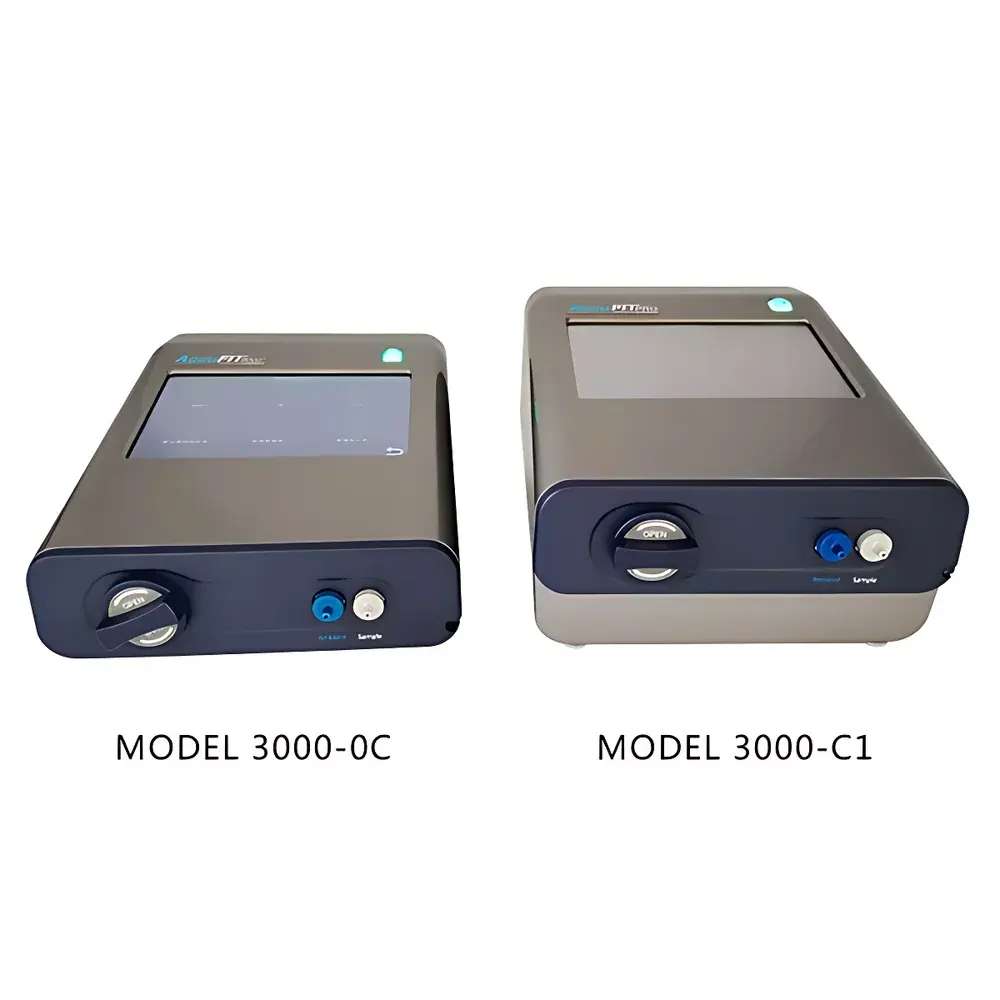
Kanomax 3000-0C / 3000-C1 Quantitative Fit Testing System for Respirators
| Brand | Kanomax |
|---|---|
| Origin | Japan |
| Model | 3000-0C / 3000-C1 |
| Particle Size Range | 0.02–1.0 µm (3000-0C), 0.015–1.0 µm (3000-C1) |
| Sample Flow Rate | 100 cm³/min |
| Total Flow Rate | 700 cm³/min |
| Concentration Range | 0–100,000 particles/cm³ |
| Fit Factor Calculation | Direct Cout/Cin ratio |
| Test Agent | ≥99.5% isopropanol or ethanol |
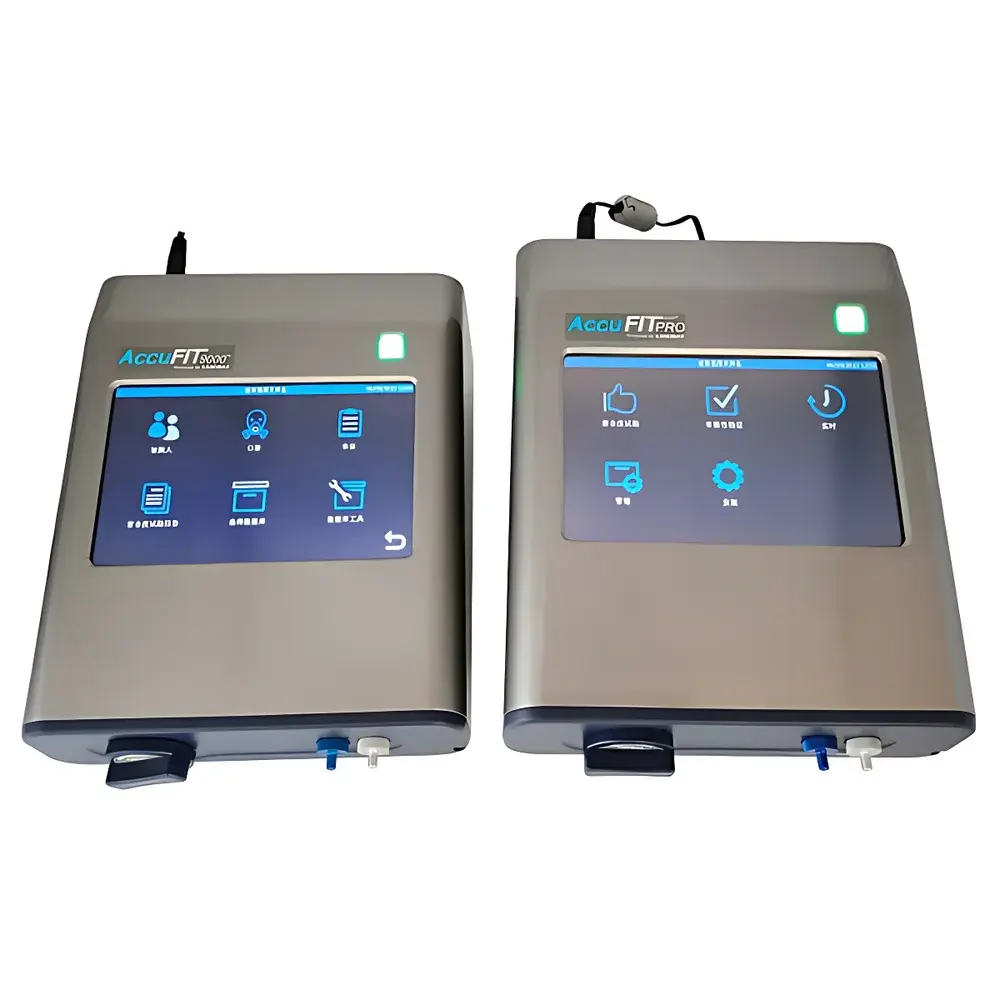
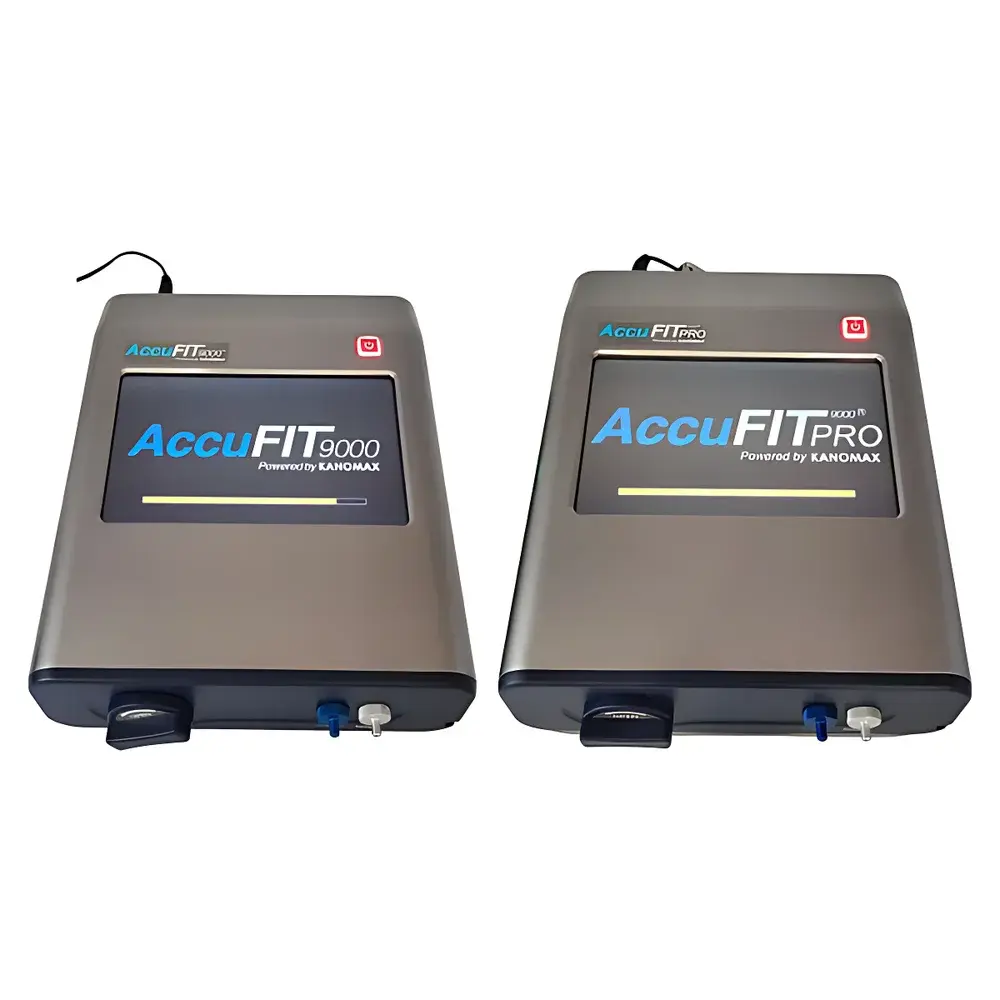
| Display | 7-inch full-color TFT touch screen |
| Languages | English, Japanese, Chinese, French, Spanish, Portuguese |
| Compliance Standards | OSHA 1910.134, CSA Z94.4, ANSI/AIHA Z88.10, HSE UK, GB 2626–2019, GB 19083–2010, GB/T 32610–2016 |
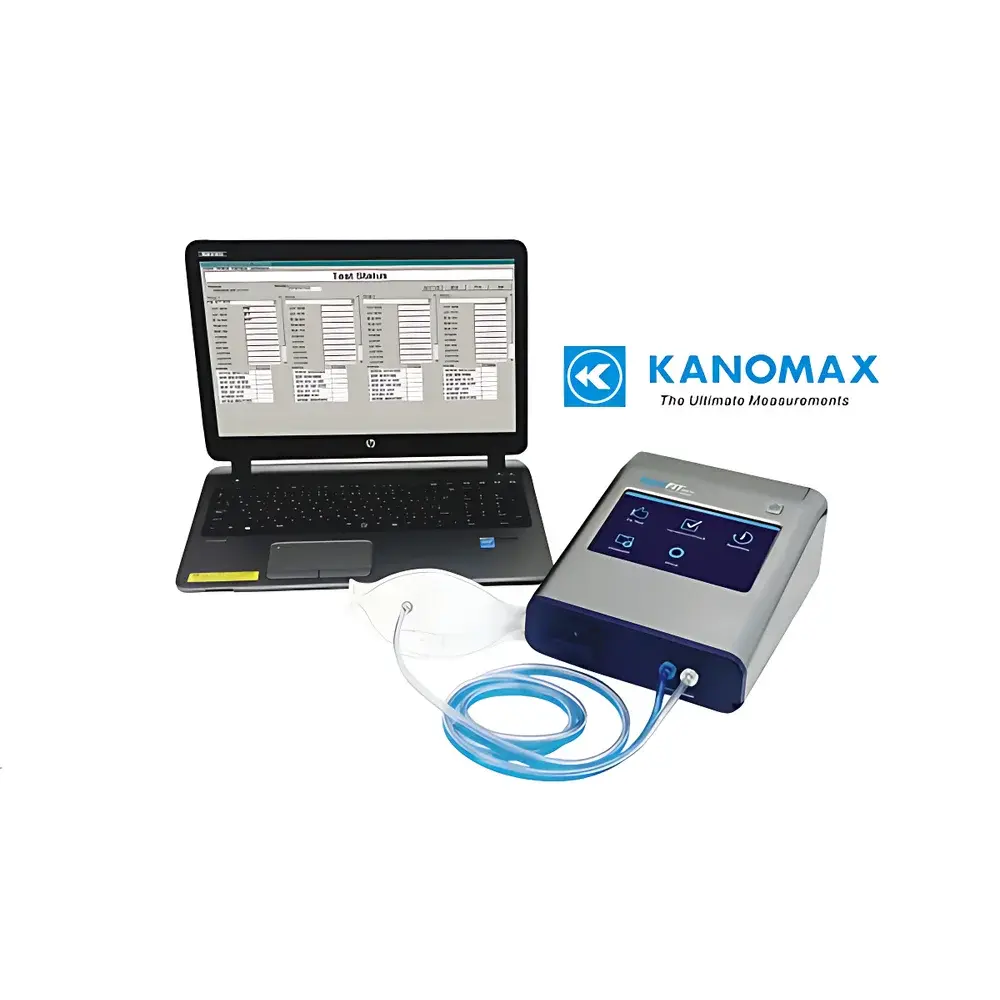
| Connectivity | USB, Ethernet, Wi-Fi |
| Software | Windows 7/8/10 compatible |
| Data Export | Microsoft Excel format |
| Operating Environment | 10–35 °C, 20–85% RH (non-condensing) |
| Dimensions (W×H×D) | 208×117×262 mm (3000-0C), 208×152×263 mm (3000-C1) |
| Weight | 2.3 kg (3000-0C), 3.1 kg (3000-C1) |
Overview
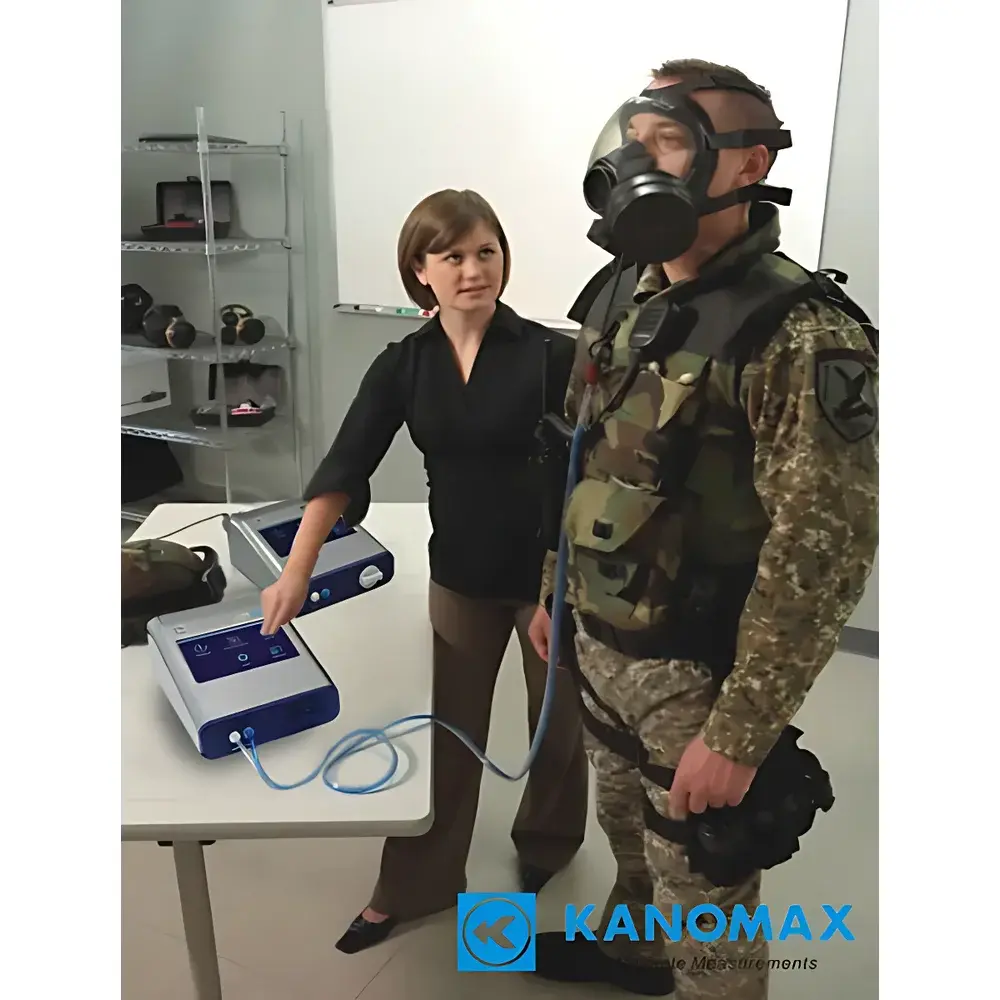
The Kanomax 3000-0C and 3000-C1 Quantitative Fit Testing Systems are precision-engineered instruments designed to objectively evaluate the facepiece-to-face seal integrity of respirators—including N95, KN95, P3, HEPA, half-mask, full-face, powered air-purifying respirators (PAPR), and self-contained breathing apparatus (SCBA). Unlike qualitative fit testing methods that rely on subjective sensory responses (e.g., saccharin or Bitrex® challenge agents), these systems employ the Condensation Particle Counter (CPC) principle to quantify ambient particle penetration in real time. By generating a controlled aerosol cloud of isopropanol or ethanol vapor—nucleated into ultrafine particles (0.015–1.0 µm)—the instrument measures the ratio of ambient particle concentration outside the respirator (Cout) to that inside the facepiece (Cin). This yields a quantitative fit factor (FF), defined as Cout/Cin, enabling compliance verification against internationally recognized occupational health standards.
Key Features
- True quantitative assessment based on CPC technology with high sensitivity across the 0.015–1.0 µm particle size range—covering the most penetrating particle size (MPPS) for mechanical filtration media.
- Dedicated N95 test mode (3000-C1 only) automates pass/fail determination per NIOSH 42 CFR Part 84 criteria, including minimum required fit factor ≥100 for tight-fitting N95 respirators.
- Multi-standard protocol library: preconfigured test sequences aligned with OSHA 1910.134 Appendix A, CSA Z94.4–18, ANSI/AIHA Z88.10–19, UK HSE INDG479, and Chinese national standards GB 2626–2019 (for particulate-filtering respirators) and GB 19083–2010 (for medical protective masks).
- 7-inch full-color resistive touch display with intuitive UI and six-language support (English, Japanese, Chinese, French, Spanish, Portuguese) for global deployment in multilingual workplaces.
- Flexible connectivity architecture: USB 2.0, 10/100BASE-T Ethernet, and optional Wi-Fi enable local operation or centralized networked control.
- Scalable software platform allows one Windows PC running Kanomax FitTest Manager v3.x to coordinate up to four 3000-series units concurrently—ideal for high-throughput occupational health clinics or industrial hygiene labs.
Sample Compatibility & Compliance
The system accommodates a broad spectrum of respiratory protection devices, including disposable filtering facepiece respirators (e.g., 3M™, Honeywell™, MSA™, Scott™, HSP™), reusable elastomeric half-masks and full-facepieces, chemical cartridge respirators, PAPRs, and SCBAs. Its modular sampling interface supports both external ambient sampling (left port) and internal facepiece sampling (right port) via standardized 4-mm ID tubing. All test protocols adhere strictly to regulatory definitions of “acceptable fit” — for example, GB 2626–2019 requires a minimum overall fit factor of 100 for KN95 respirators, while GB 19083–2010 mandates ≥100 for medical-grade masks under total inward leakage (TIL) evaluation. The instrument’s measurement uncertainty and repeatability meet ISO 16459:2016 requirements for quantitative fit test systems, ensuring audit readiness for GLP/GMP-aligned environments and third-party certification bodies.
Software & Data Management
Kanomax FitTest Manager is a validated Windows application compliant with FDA 21 CFR Part 11 requirements for electronic records and signatures when configured with user authentication, audit trail logging, and data integrity controls. Each test session generates timestamped, operator-identified reports in native Excel (.xlsx) format, including raw particle counts, calculated fit factors per exercise (e.g., normal breathing, deep breathing, head side-to-side, head up-and-down, talk, grimace), and pass/fail status per applicable standard. Data can be exported to LIMS or enterprise EHS platforms via CSV or direct ODBC connection. All results are stored locally on the host PC or optionally archived to encrypted USB drives—supporting traceability across multi-year occupational health surveillance programs.
Applications
These systems serve critical roles across healthcare, manufacturing, construction, emergency response, and regulatory testing laboratories. In hospitals, they verify surgical N95 and medical protective mask performance prior to high-risk aerosol-generating procedures. In semiconductor and pharmaceutical cleanroom operations, they validate respirator integrity against sub-100 nm process contaminants. Fire departments and hazardous materials response teams use them to certify SCBA and APR fit before field deployment. Independent testing labs leverage their metrological traceability to issue ISO/IEC 17025-compliant test reports for respirator manufacturers seeking CE marking or NIOSH certification renewal. Academic research groups apply them in ergonomics and anthropometric studies evaluating facial fit variability across diverse populations.
FAQ
What distinguishes quantitative fit testing (QNFT) from qualitative fit testing (QLFT)?
QNFT uses physical instrumentation to measure actual particle penetration, yielding a numeric fit factor. QLFT relies on human sensory detection of taste or smell stimuli, introducing subjectivity and higher false-negative risk.
Does the 3000-C1 support NIOSH-approved N95 respirator certification?
No—the 3000-C1 is intended for user-specific fit verification, not product-level NIOSH approval testing. It validates whether an individual achieves ≥100 fit factor when wearing a certified N95 respirator.
Can the system be integrated into an existing laboratory information management system (LIMS)?
Yes—via CSV export or ODBC-compatible database connectors, provided the LIMS supports structured import of Excel-formatted test metadata and results.
Is calibration traceable to national standards?
Yes—Kanomax provides factory calibration certificates traceable to NIST (USA) and NMIJ/AIST (Japan); annual recalibration is recommended per ISO/IEC 17025 Clause 6.5.
What maintenance is required for long-term reliability?
Routine cleaning of the sampling probe and internal optics with lint-free wipes and reagent-grade isopropanol; replacement of zero-count filters every 6 months or after 200 tests; annual CPC sensor verification by authorized service centers.
Related Products







