
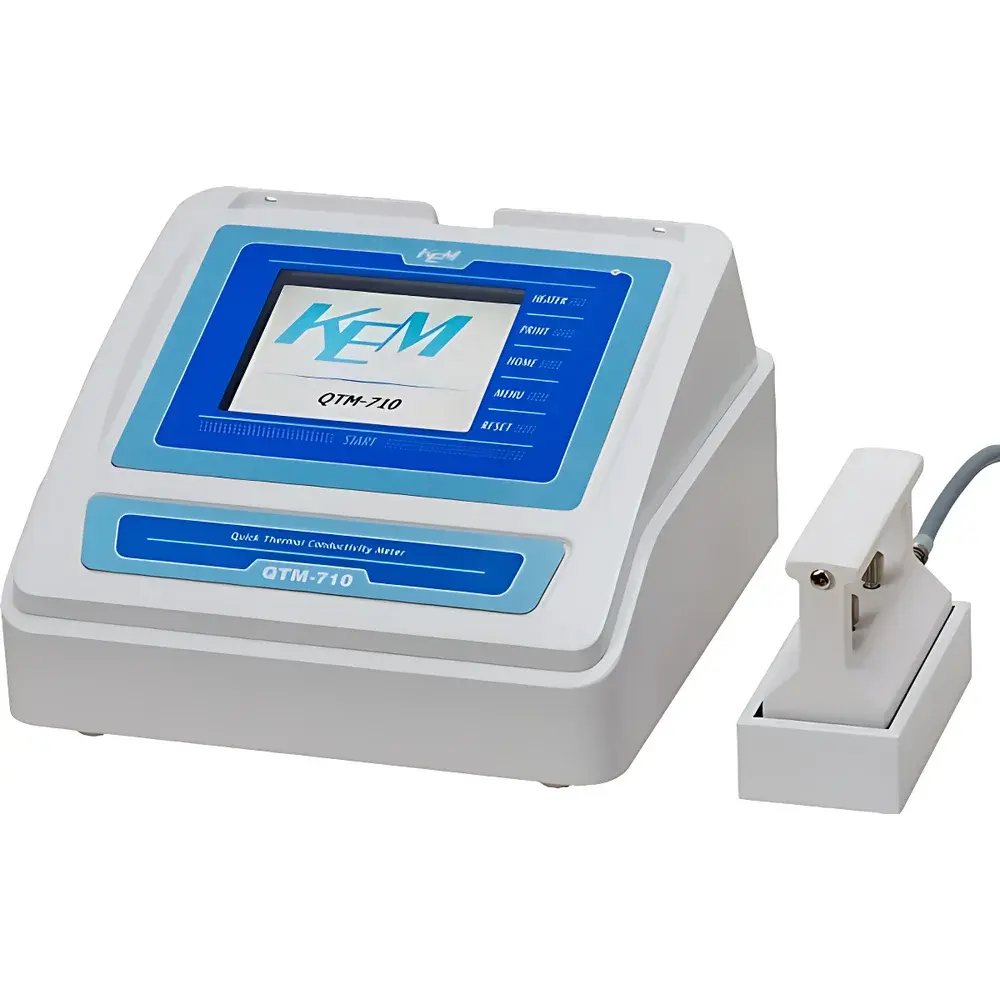
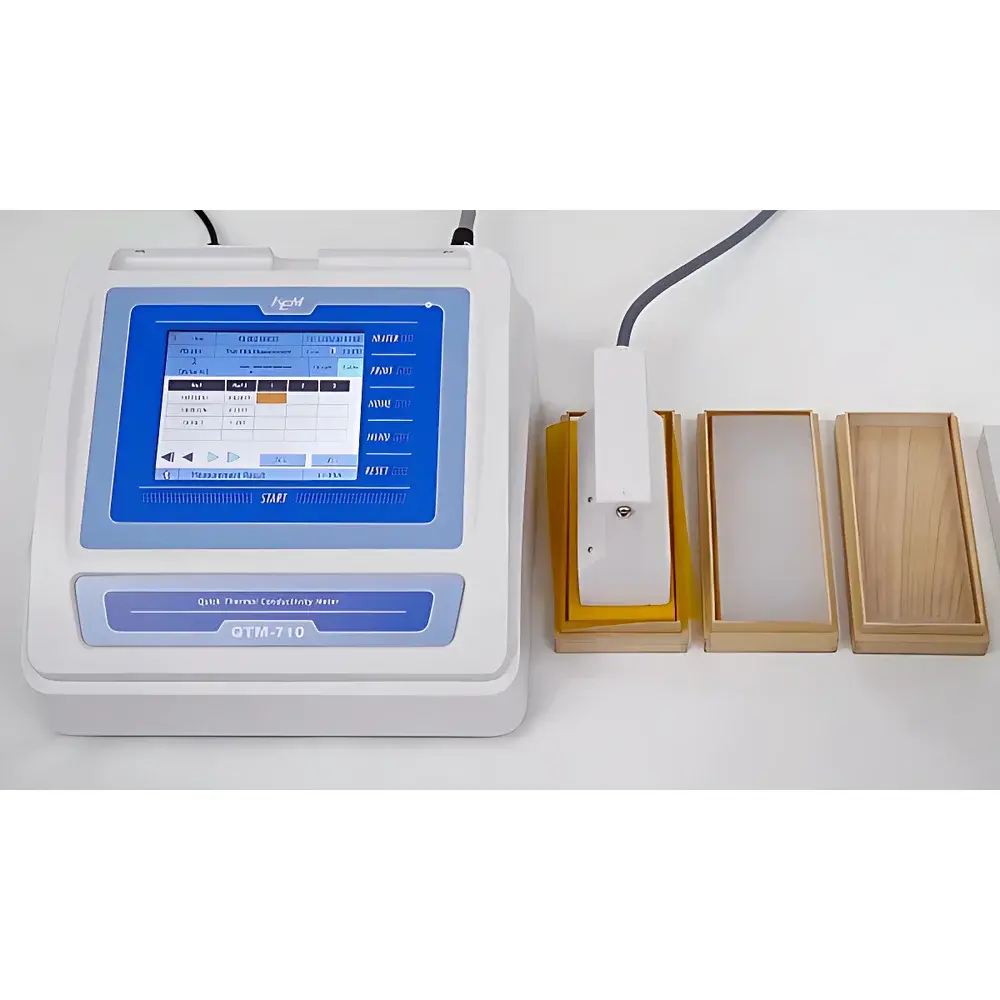
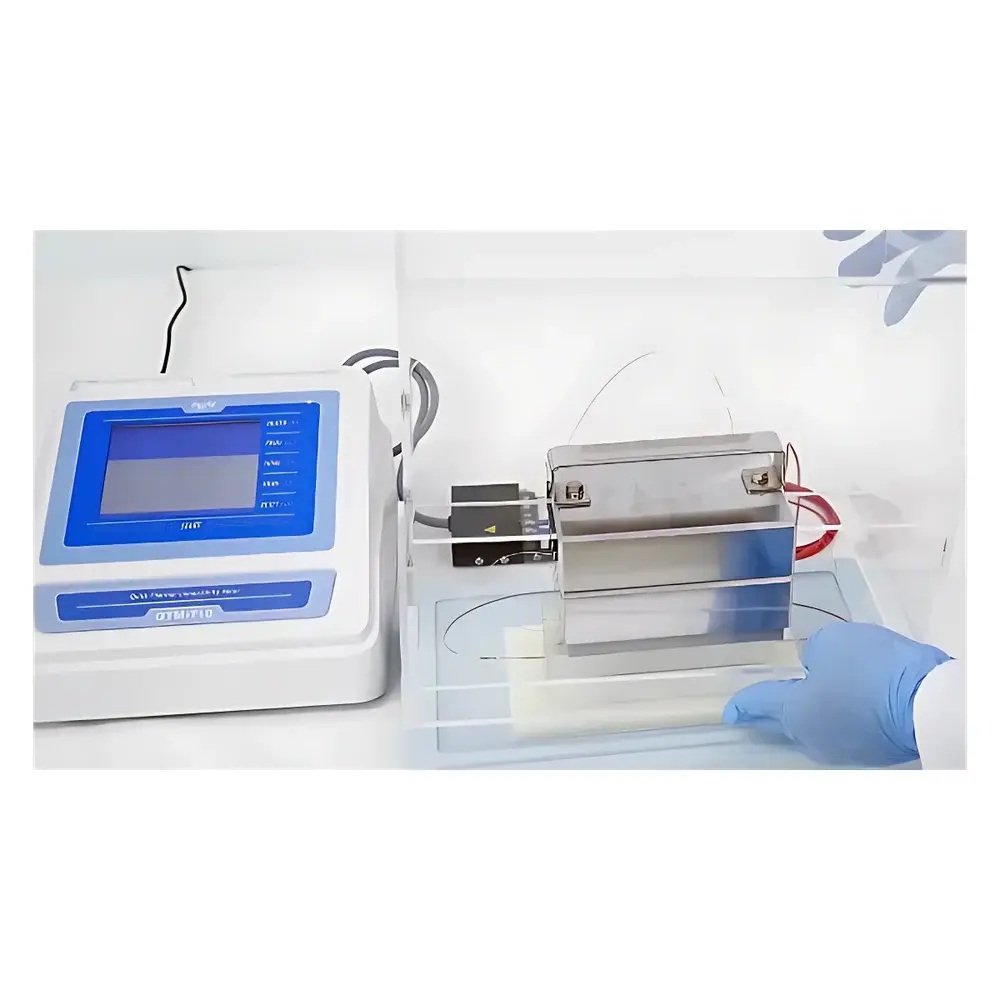
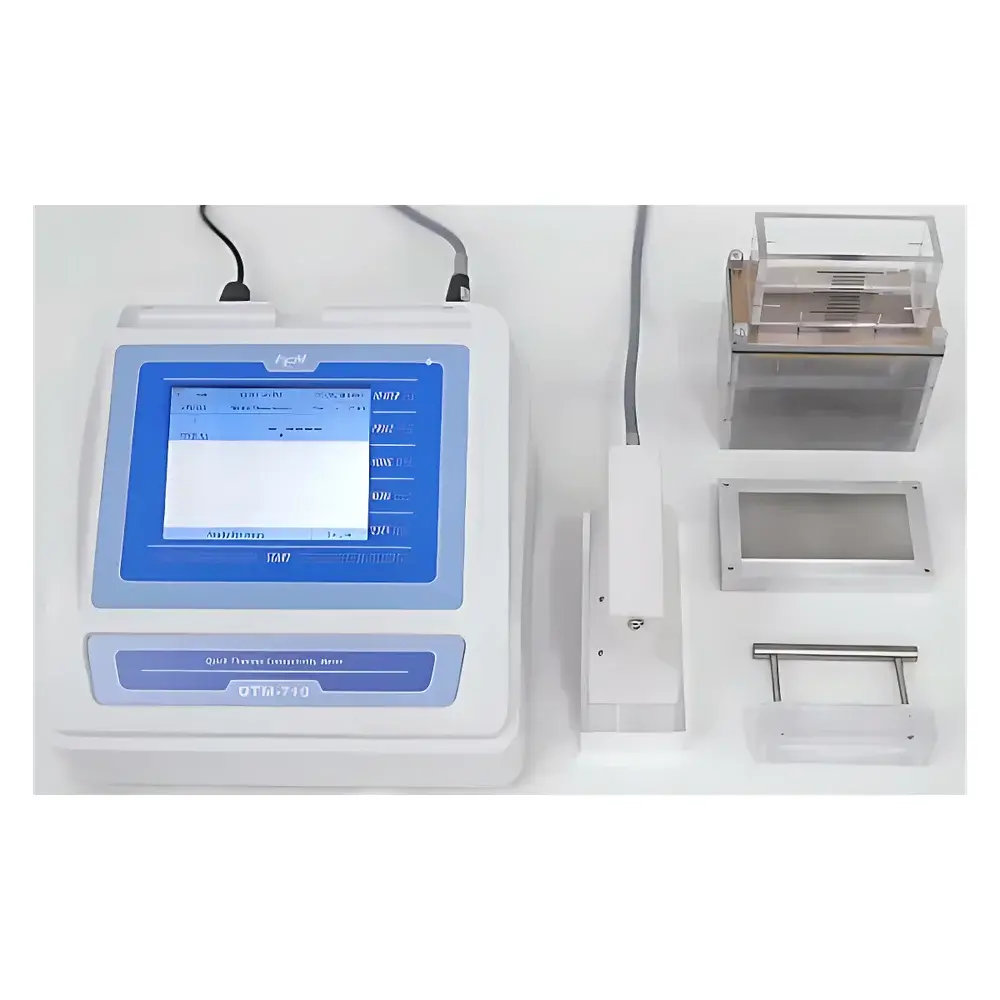
KEM QTM-710/QTM-700 Quick Thermal Conductivity Meter (Hot Wire Method)
| Brand | KEM (Kyoto Electronics Manufacturing) |
|---|---|
| Origin | Japan |
| Manufacturer Type | Original Equipment Manufacturer (OEM) |
| Product Category | Imported Instrument |
| Model | QTM-710 / QTM-700 |
| Measurement Principle | Transient Hot Wire Method |
| Sample Form | Solid (bulk or sheet), including thin films (QTM-710 only) |
| Thermal Conductivity Range | 0.03–12 W/(m·K) |
| Repeatability | ±3% |
| Accuracy | ±5% (vs. certified reference materials at 23 °C) |
| Dimensions (L×W×H) | 262 × 276 × 158 mm |
| Weight | ~4 kg |
| Measurement Time | 60 s per test |
| Display | 5.7-inch color touchscreen |
| Operating Environment | 5–35 °C, <85% RH |
| Power Supply | DC 24 V / AC 100–240 V, 50/60 Hz |
| Interface | 2 × RS-232C, 2 × USB |
| Data Export | CSV via USB flash drive |
| Compliance | ASTM D5470, ISO 22007-2, GB/T 10297-2015, GB/T 5990-2006, GB/T 42919.1-2023, JJF 2221-2025 |
Overview
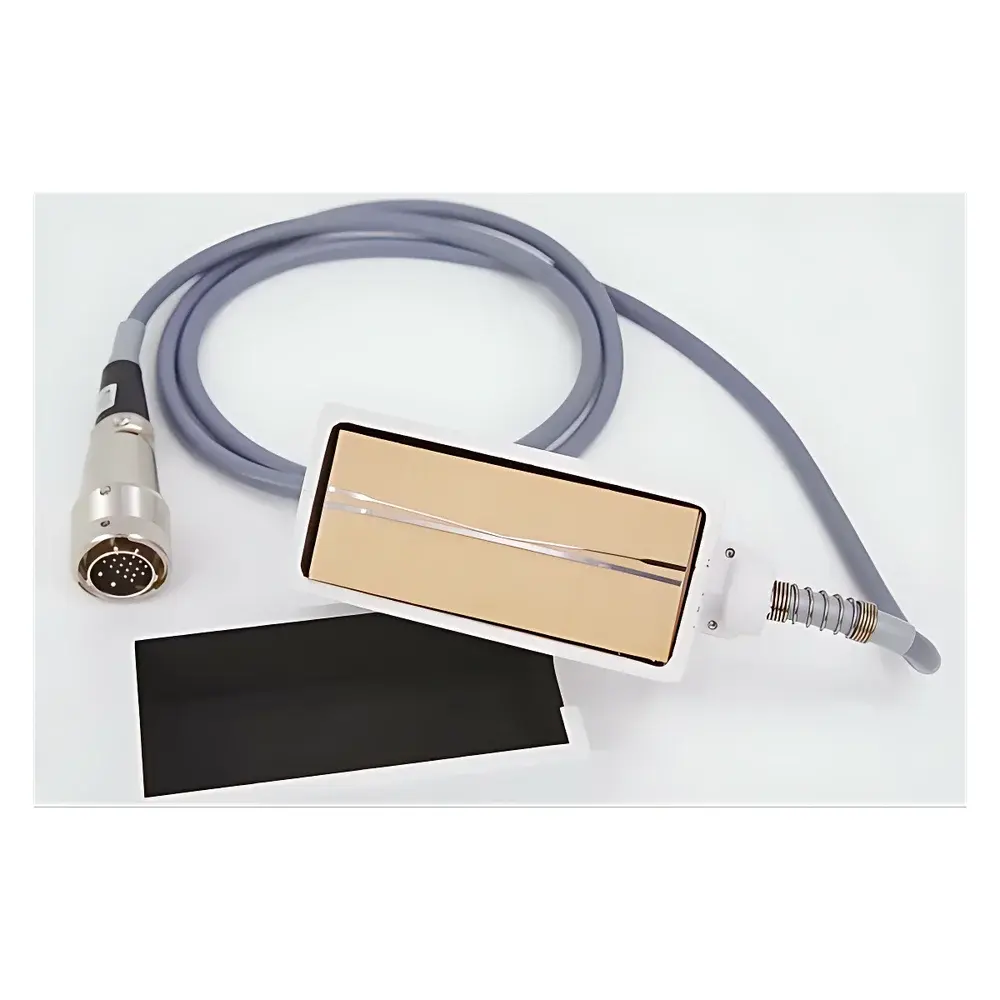
The KEM QTM-710 and QTM-700 Quick Thermal Conductivity Meters are benchtop transient hot wire (THW) analyzers engineered for rapid, non-destructive determination of thermal conductivity in homogeneous solid materials. Based on the well-established transient hot wire method—defined in ISO 22007-2 and ASTM D5470—the instruments measure thermal conductivity by introducing a controlled, constant-power Joule heating pulse into a thin linear heater (platinum–rhodium wire) embedded within the sample. The resulting temperature rise over time is recorded via an integrated chromel–alumel thermocouple, and thermal conductivity (λ) is calculated from the slope of the ln(t)–T curve during the early-time transient phase. This principle ensures high reproducibility and minimal dependence on absolute temperature calibration, making the QTM series particularly suitable for quality control laboratories, R&D facilities, and materials certification workflows where speed, consistency, and traceability are critical.
Key Features
- 60-second measurement cycle per sample—optimized for high-throughput screening without compromising metrological integrity.
- Dual-channel (QTM-700) or triple-channel (QTM-710) sensor connectivity enables sequential testing of multiple specimens with automated protocol sequencing.
- 5.7-inch full-color capacitive touchscreen interface supporting English, Japanese, and Chinese languages—designed for intuitive navigation, real-time temperature curve visualization, and automatic current optimization based on sample λ range.
- Integrated security architecture with user-level password protection and configurable access rights to prevent unauthorized parameter modification or data deletion.
- Built-in reference material validation routine using certified standard plates (e.g., quartz, polyethylene, zirconia)—ensuring daily system verification meets GLP audit requirements.
- Automated data export to USB storage in comma-separated values (CSV) format—compatible with LIMS integration and statistical process control (SPC) software.
- Modular probe design: PD-11N box-type sensor (standard), PD-13N moisture-resistant variant, PD-31N high-temperature probe (up to 500 °C), and QTM-PA1 powder cell accessory for granular or powdered samples.
Sample Compatibility & Compliance
The QTM-710/QTM-700 supports rigid, isotropic solids with minimal porosity and uniform density—including polymers, ceramics, composites, insulation foams, refractories, metals, and geological specimens. QTM-710 extends capability to thin films (≥0.5 mm thickness) using specialized mounting fixtures and correction algorithms. Sample dimensions follow standardized geometry requirements: ≥100 × 50 × t mm, where t/λ ≥ 1 mm·m/W (QTM-710) or ≥20 mm minimum thickness (QTM-700). All measurements comply with national and international standards including GB/T 10297-2015, GB/T 5990-2006, GB/T 42919.1-2023, and ASTM D5470. Instrument calibration traceability is maintained per JJF 2221-2025, and raw data files include timestamped metadata required for FDA 21 CFR Part 11–compliant environments.
Software & Data Management
Embedded firmware provides full control over heating current ramping, acquisition timing, baseline drift compensation, and outlier rejection. Each measurement session generates a timestamped record containing ambient temperature, applied power, raw thermocouple voltage vs. time, fitted ln(t)–T slope, computed λ value, uncertainty estimate, and pass/fail status against reference plate tolerance. Data files are stored internally and exportable via USB in ASCII CSV format—with column headers compliant with ISO/IEC 17025 reporting templates. Optional PC software (KEM ThermalSuite™) enables batch analysis, trend charting, multi-instrument fleet monitoring, and PDF report generation with digital signature support for GMP/GLP documentation.
Applications
- Quality assurance of thermal insulation materials (e.g., mineral wool, aerogels, vacuum panels) per ISO 8301 and ASTM C518.
- Routine verification of ceramic matrix composites used in aerospace thermal protection systems.
- Characterization of polymer-based heat spreaders and encapsulants in electronics packaging.
- Validation of refractory linings in metallurgical furnaces per ISO 8894-1.
- Thermal property screening of construction materials (concrete, gypsum board, cork) under GB/T 50538-2020 and EN 12667.
- Geotechnical assessment of rock core samples for geothermal reservoir modeling (DZ/T 0276.14-2015).
- Regulatory compliance testing for food-grade packaging materials under FDA 21 CFR 177.
FAQ
What is the fundamental difference between QTM-710 and QTM-700?
QTM-710 supports thin-film and low-thickness sheet measurements (≥0.5 mm) with enhanced thermal boundary correction algorithms and includes three certified reference plates; QTM-700 is optimized for bulk solids ≥20 mm thick and features dual-sensor input.
Can the instrument measure powders or pastes?
Yes—using the optional QTM-PA1 powder container accessory, which applies controlled compaction pressure and ensures uniform contact between the hot wire and particulate media, enabling valid THW analysis per ASTM D7896.
Is calibration traceable to NIST or other national metrology institutes?
All reference plates supplied with the instrument are certified by KEM’s ISO/IEC 17025-accredited calibration lab, with traceability documented to JCSS (Japan Calibration Service System), which maintains mutual recognition agreements with NIST, PTB, and NPL.
How is measurement uncertainty quantified?
Uncertainty budget includes contributions from reference material certificate uncertainty (k=2), thermocouple resolution (±0.1 °C), timer stability (±10 ms), power supply ripple (<0.2%), and geometric alignment error—aggregated per GUM (JCGM 100:2008) yielding typical expanded uncertainty (k=2) of ≤4.5% for λ = 0.1–5 W/(m·K).
Does the system support automated pass/fail judgment against specification limits?
Yes—user-defined upper/lower specification limits can be programmed per material grade; results display PASS/FAIL icons and trigger audible alerts, with audit-trail logging of all limit changes per 21 CFR Part 11 requirements.



