
KEM QTM-PA1 Powder & Granular Material Thermal Conductivity Analyzer
| Brand | KEM (Kyoto Electronics Manufacturing) |
|---|---|
| Origin | Japan |
| Manufacturer Type | Original Equipment Manufacturer (OEM) |
| Import Status | Imported |
| Model | QTM-PA1 |
| Measurement Principle | Transient Hot Wire Method |
| Dimensions (L×W×H) | 262 × 276 × 158 mm |
| Accuracy | ±5% |
| Thermal Conductivity Range | 0.03–12 W/m·K |
| Repeatability | ±3% |
| Operating Temperature Range | −10 to 200 °C |
| Standard Measurement Time | 60 s |
Overview
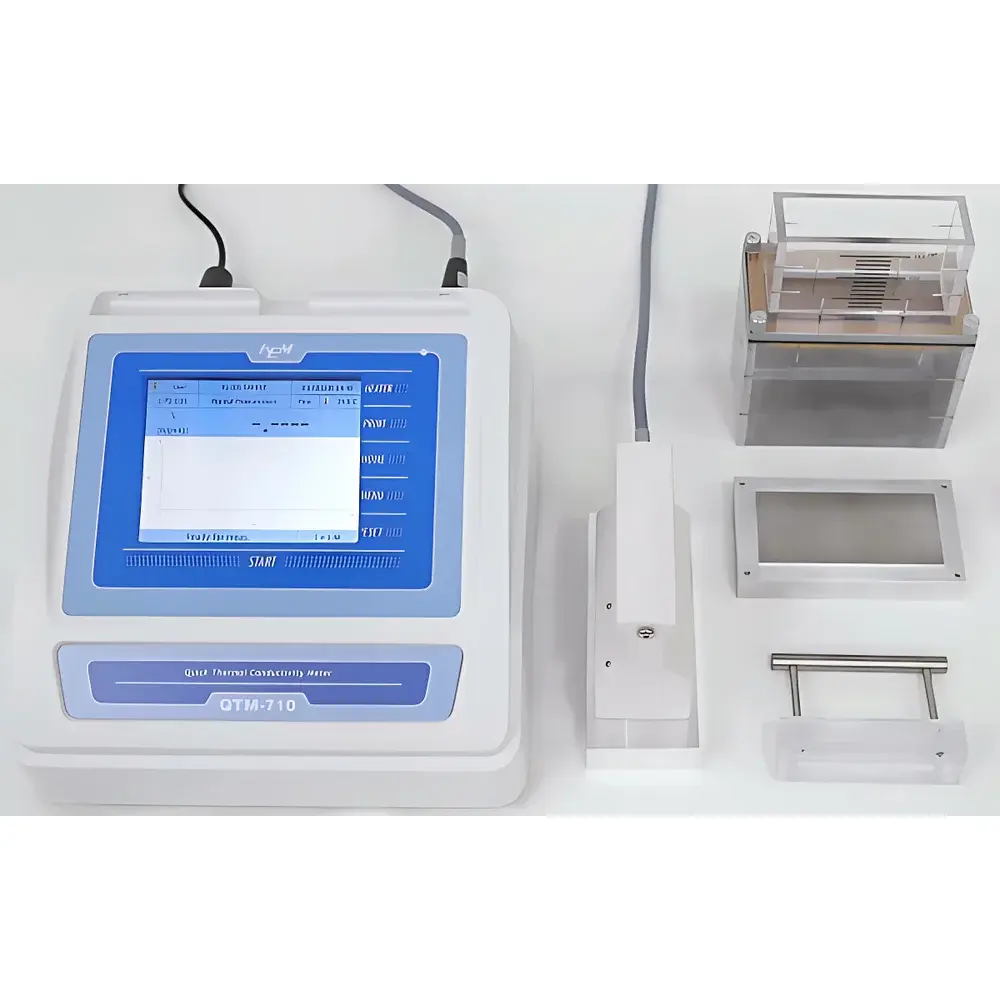
The KEM QTM-PA1 Powder & Granular Material Thermal Conductivity Analyzer is a dedicated, benchtop transient hot wire (THW) system engineered for the precise and rapid determination of thermal conductivity in loose, non-consolidated particulate media—including powders, granules, crushed minerals, catalysts, pharmaceutical excipients, battery electrode materials, and insulating fillers. Unlike steady-state methods requiring extended equilibration or complex sample preparation, the QTM-PA1 leverages the ASTM D5334-22 and ISO 22007-2 compliant transient hot wire principle: a thin, electrically heated platinum wire sensor (PD-11) is embedded within the sample; thermal diffusivity is derived from the time-dependent temperature rise response, and thermal conductivity is calculated using known volumetric heat capacity (typically determined via complementary DSC or literature values). This method ensures high sensitivity across low-to-moderate conductivity ranges (0.03–12 W/m·K), minimal contact resistance artifacts, and immunity to convective interference—critical for aerated or low-density powder beds.
Key Features
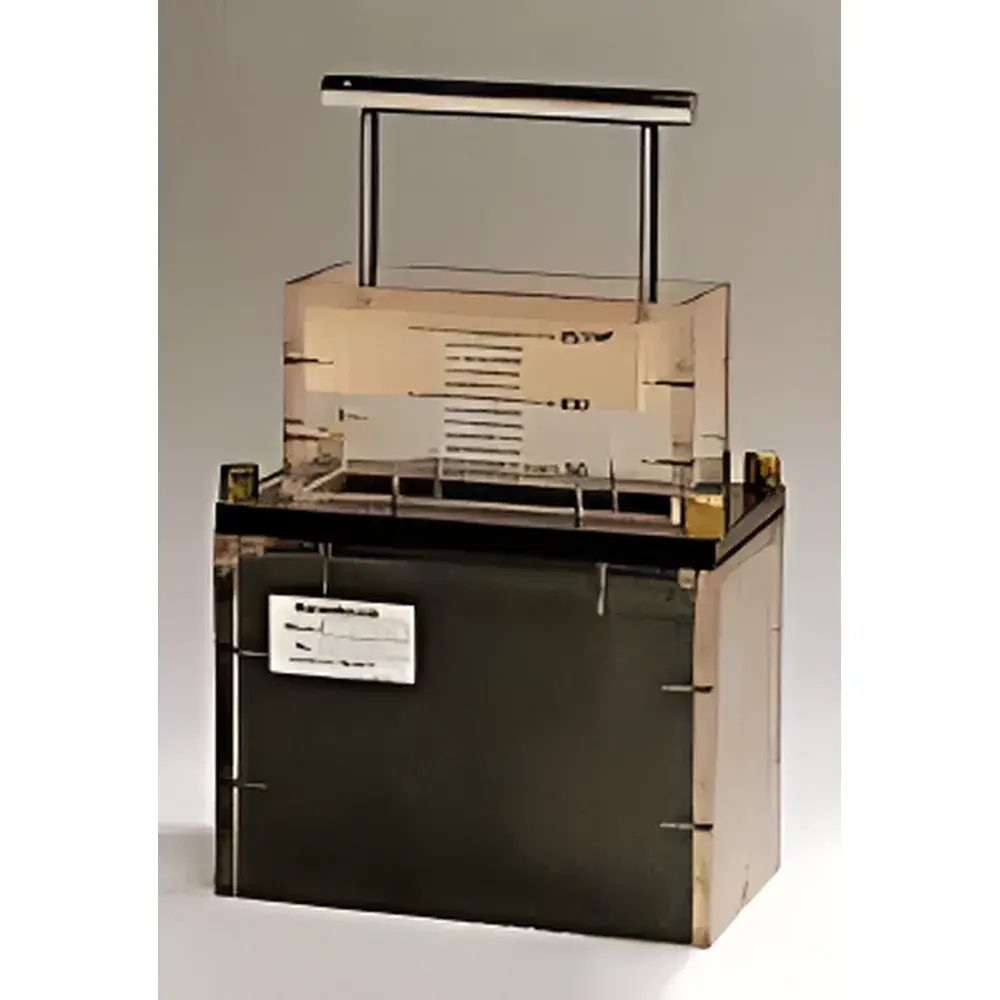
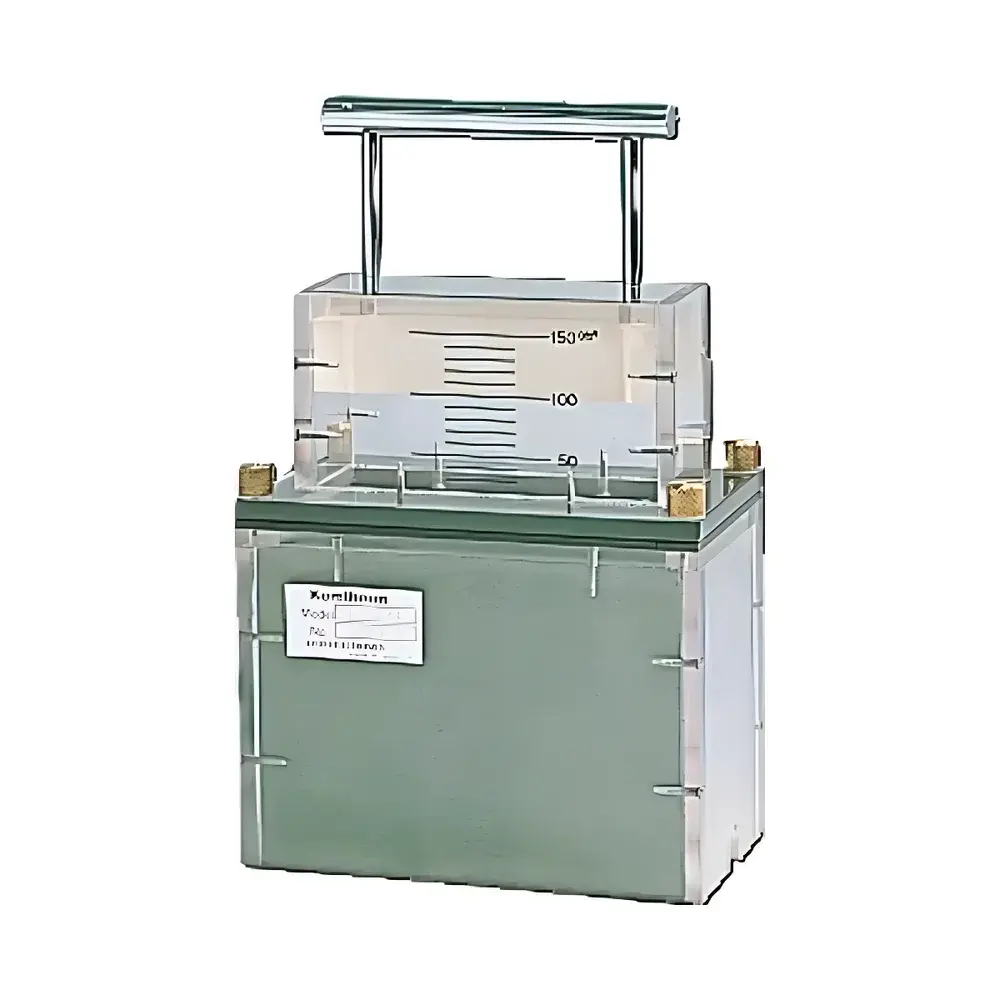
- Optimized powder measurement geometry: The QTM-PA1 housing is a purpose-designed, thermally insulated sample chamber (262 × 276 × 158 mm) with standardized internal volume and pressure-compensated lid sealing, enabling consistent packing density control and minimizing ambient thermal leakage.
- Integrated PD-11 transient hot wire sensor: A calibrated, dual-function platinum wire probe with built-in temperature compensation and real-time voltage/current monitoring for accurate Joule heating power delivery and thermometric response capture.
- Wide operational temperature range: −10 °C to +200 °C, supported by integrated Peltier-based temperature control and high-stability reference thermistors traceable to NIST standards.
- High reproducibility: ±3% repeatability under controlled packing conditions (e.g., standardized tapping protocol per ASTM D6393), verified across inter-laboratory round-robin studies on alumina, silica gel, and polymer composites.
- Rugged industrial architecture: All-metal enclosure, EMI-shielded electronics, and firmware with self-diagnostic routines ensure long-term stability in QC labs and production environments.
Sample Compatibility & Compliance
The QTM-PA1 accommodates dry, free-flowing, and moderately cohesive powders and granules with particle sizes ranging from sub-10 µm to 5 mm. Samples must be non-corrosive to platinum and electrically insulating (bulk resistivity >10⁶ Ω·m) to prevent current shunting. It supports compliance workflows aligned with ASTM D5334 (standard test method for thermal conductivity of soil and soft rock), ISO 22007-2 (plastics—determination of thermal conductivity), and USP (thermal analysis of pharmaceutical solids). Data acquisition meets GLP audit requirements with timestamped raw signal logging, operator ID tagging, and configurable electronic signatures.
Software & Data Management
Control and analysis are performed via KEM’s proprietary QTM Control Suite v3.2 (Windows 10/11 compatible), featuring automated measurement sequencing, real-time curve fitting using nonlinear least-squares regression of the log(ΔT)-log(t) plot, and automatic correction for radial heat loss per ISO 22007-2 Annex B. Export formats include CSV, PDF reports (with calibration certificate metadata), and XML for LIMS integration. The software supports 21 CFR Part 11-compliant user access levels, audit trail generation, and electronic record retention for regulated environments.
Applications
- Quality control of thermal interface materials (TIMs) and phase-change composites used in EV battery modules.
- R&D screening of ceramic powders (e.g., AlN, SiC) for high-power electronics packaging.
- Characterization of insulating aerogels, perlite, and expanded vermiculite in building material certification.
- Process development for pharmaceutical granulation—correlating binder content, compaction pressure, and bulk thermal transport.
- Geotechnical assessment of soil thermal resistivity for underground cable rating (IEC 60287-3-1).
FAQ
What sample mass and packing protocol are recommended for optimal accuracy?
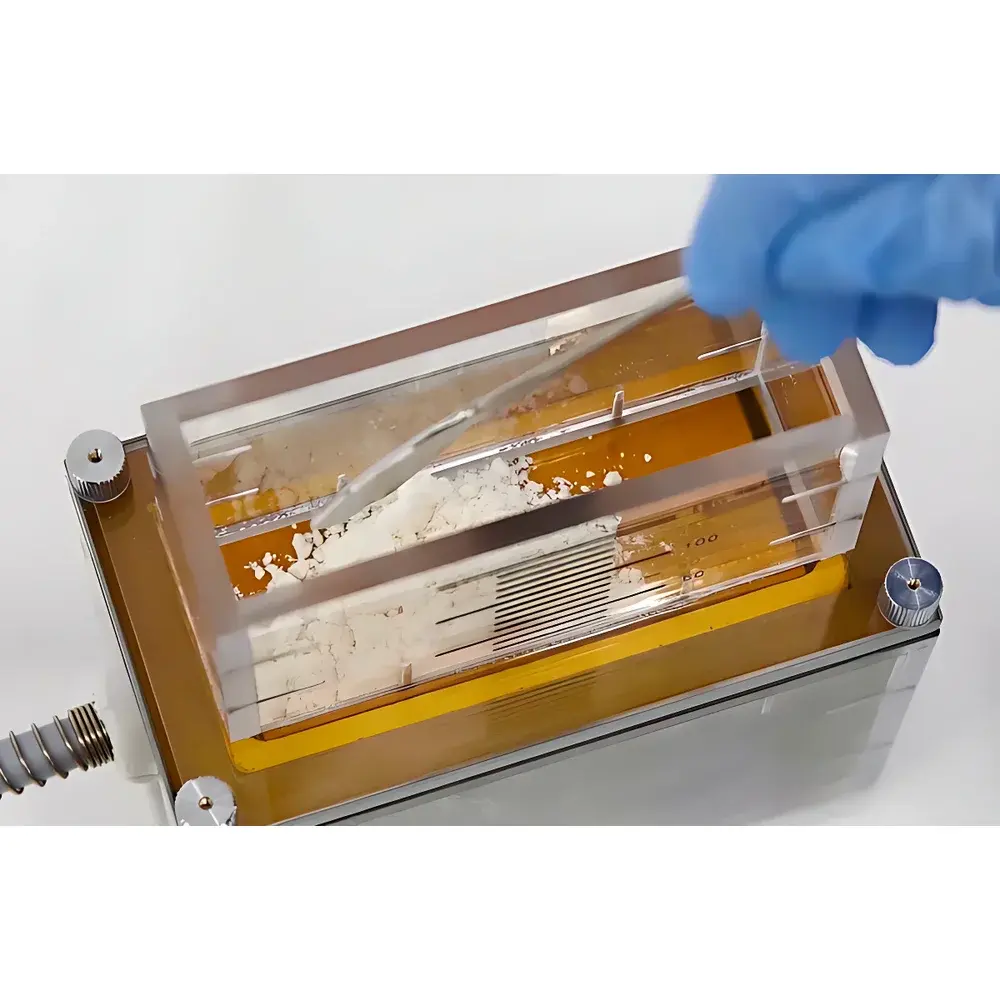
A minimum of 100 g is advised for statistical homogeneity; samples should be loaded in three equal increments with standardized mechanical tapping (ASTM D6393, 10 drops from 3 mm height) to achieve reproducible bulk density.
Can the QTM-PA1 measure moist or hygroscopic powders?
No—water content introduces latent heat effects and alters effective thermal diffusivity; samples must be dried to constant weight at ≤80 °C prior to measurement.
Is calibration traceable to national standards?
Yes—each PD-11 sensor is individually calibrated against certified reference materials (e.g., NIST SRM 1470a fused quartz) with full uncertainty budget documentation supplied with instrument shipment.
Does the system support automated temperature ramping during measurement?
Yes—the integrated Peltier stage enables stepwise isothermal measurements across the −10 to 200 °C range, with programmable dwell times and thermal equilibrium verification before each THW pulse.
How is contact resistance between the wire and powder mitigated?
The PD-11 sensor employs a symmetric dual-wire configuration and high-frequency AC excitation to minimize polarization effects; data analysis applies the “infinite line source” model with iterative correction for finite wire radius and boundary proximity.



