
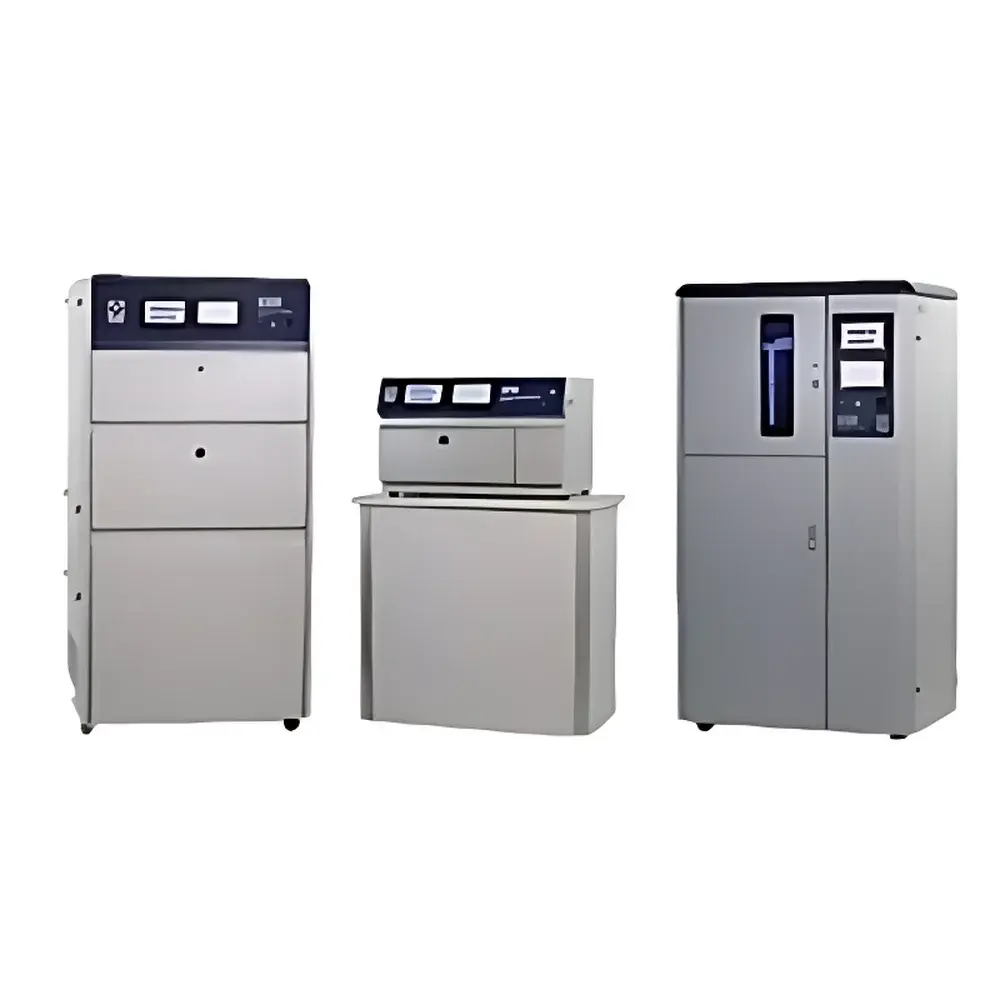
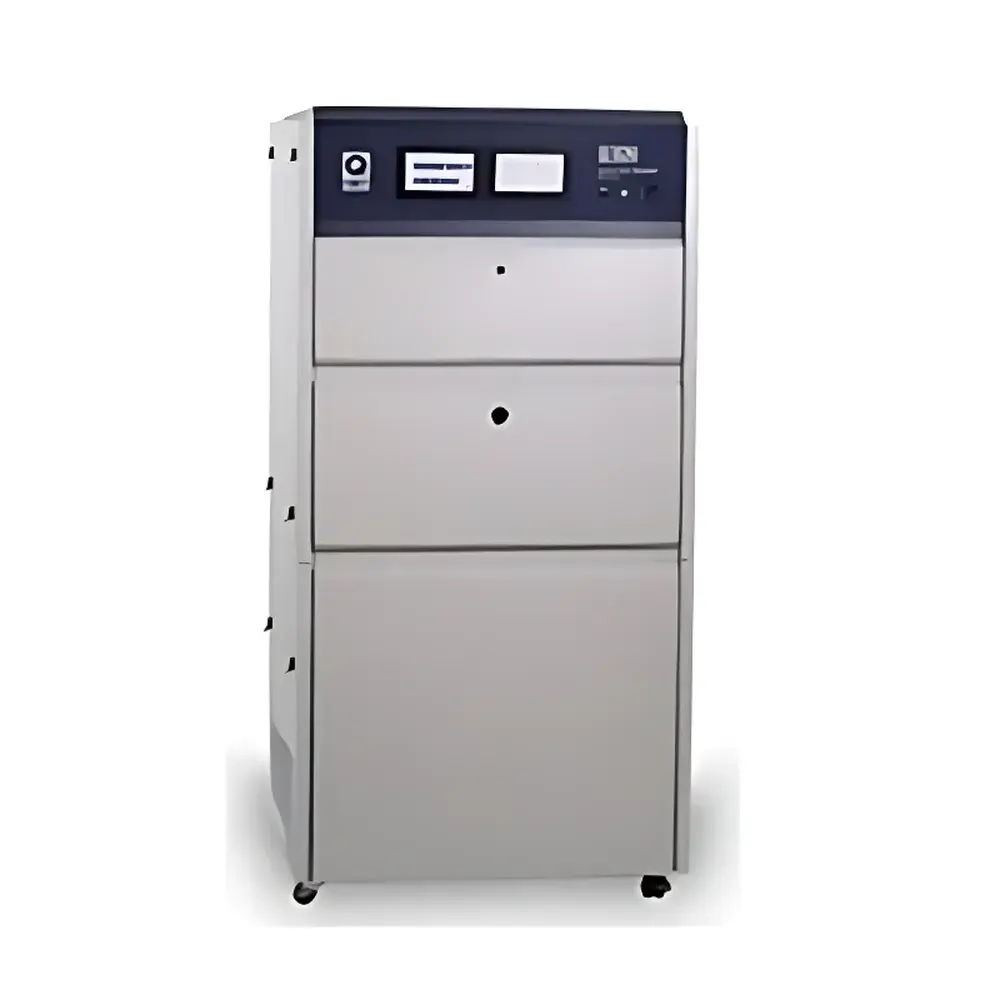
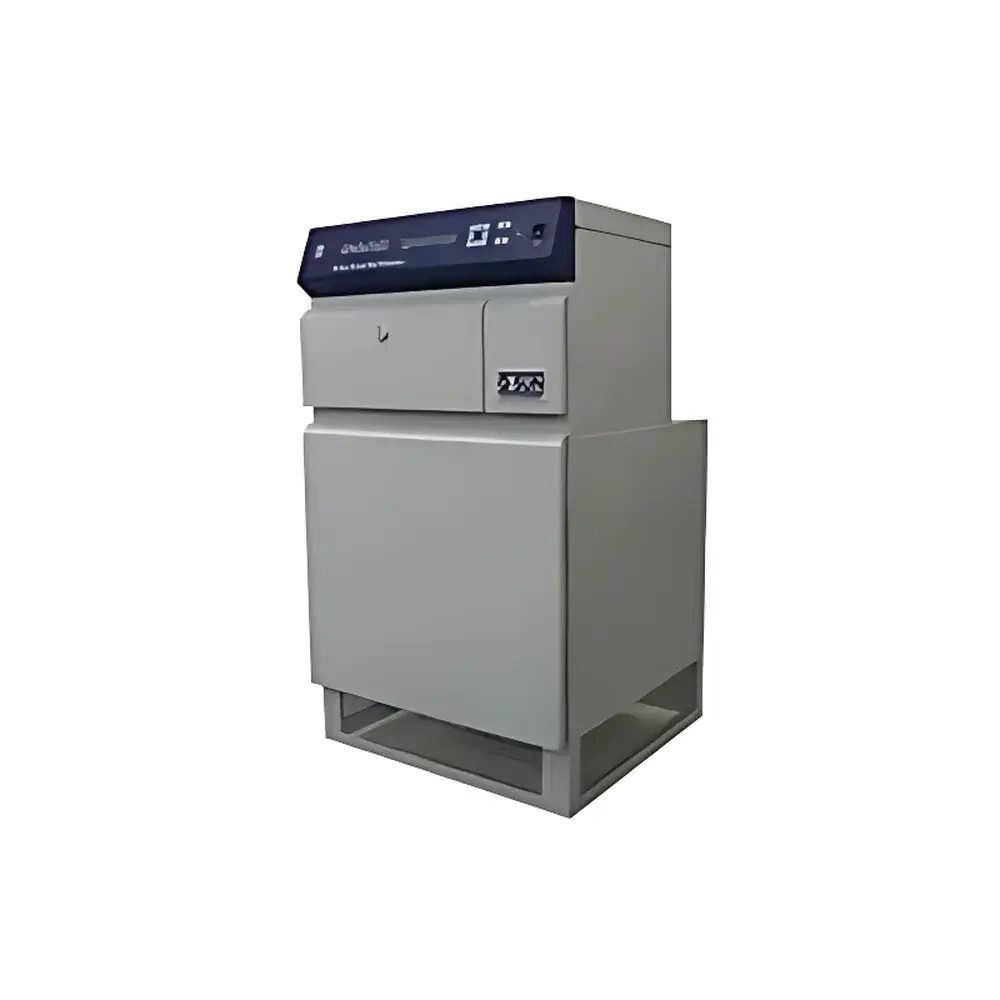
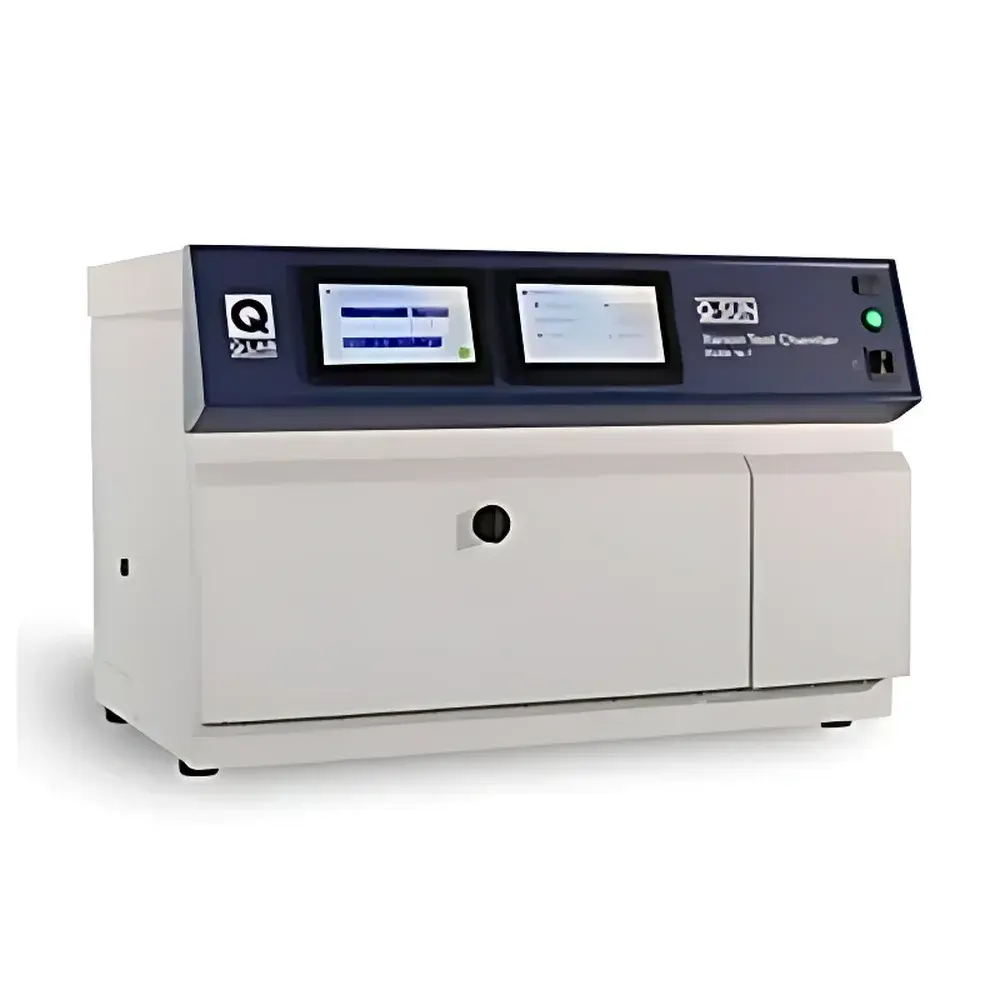
Q-LAB Q-SUN Xe-1 Xenon Arc Weathering Test Chamber
| Brand | Q-LAB |
|---|---|
| Origin | USA |
| Manufacturer Type | Authorized Distributor |
| Origin Category | Imported |
| Model | Q-SUN Xe-1 |
| Xenon Lamp Power | As specified in technical documentation |
| Irradiance Range | ≤1800 W/m² |
| Light Exposure Cycle | 1–9999 hours, continuously adjustable |
| Humidity Control Range | As specified in technical documentation |
Overview
The Q-LAB Q-SUN Xe-1 Xenon Arc Weathering Test Chamber is an entry-level, benchtop accelerated weathering instrument engineered for precision simulation of solar radiation-induced degradation mechanisms. It employs a single xenon arc lamp filtered to replicate the full-spectrum solar irradiance—spanning ultraviolet (UV), visible, and near-infrared (NIR) wavelengths—enabling controlled, reproducible exposure testing under standardized conditions. Unlike UV fluorescent or metal halide sources, xenon arc technology delivers spectral power distribution closely matching natural sunlight (CIE No. 85, ISO 4892-2, ASTM G155), making it the reference method for evaluating photostability, color fade, chalking, cracking, gloss loss, and embrittlement in polymeric, coated, and organic materials. The Xe-1’s compact footprint (251 mm × 457 mm sample tray) and simplified architecture support laboratories with limited space or intermittent testing requirements while maintaining compliance with international weathering standards.
Key Features
- Single xenon arc lamp system with long-life optical filters optimized for spectral fidelity across UV-A (315–400 nm), UV-B (280–315 nm), visible (400–700 nm), and NIR (700–1100 nm) bands
- Benchtop design with slide-out sample tray (251 mm × 457 mm / 9.88″ × 18″) enabling rapid specimen loading and unloading without tooling
- Integrated relative humidity control via precision-controlled water vapor injection, compliant with ISO 4892-2 humidity cycling protocols
- Optional water spray function using deionized water to simulate dew, rain, and thermal shock effects; programmable to operate during light or dark cycles
- Filter selection system supporting three standard optical filter configurations: Daylight Filter (Q/B), Window Glass Filter (Q/FS40), and Extended UV Filter (Q/UV)—each calibrated to match specific end-use environments per ASTM D7869, ISO 11341, and SAE J2527
- Robust chamber construction with stainless steel interior, quartz lamp envelope, and air-cooled lamp housing ensuring thermal stability and long-term irradiance repeatability
Sample Compatibility & Compliance
The Q-SUN Xe-1 accommodates flat, rigid specimens up to 13 mm thick on its horizontal tray, supporting standardized test panels (e.g., ASTM D6675, ISO 11341 coupons), coated substrates, textiles, automotive trim, and packaging films. Its exposure methodology aligns with globally recognized weathering standards including ASTM G155 (xenon-arc exposure), ISO 4892-2 (plastics—xenon arc methods), AATCC TM16 (textiles), SAE J2412/J2527 (automotive interiors/exterior), and Ford CETP 00.00-L-467. All operational parameters—including irradiance setpoint, temperature setpoint (black panel or chamber air), humidity setpoint, and spray timing—are traceable and auditable, supporting GLP and GMP-aligned quality systems. The instrument meets electrical safety requirements per UL 61010-1 and IEC 61010-1.
Software & Data Management
The Q-SUN Xe-1 operates via a dedicated microprocessor-based controller with intuitive menu navigation and password-protected parameter access. While it does not feature embedded PC-based software, all exposure profiles—including time, irradiance level, temperature, humidity, and spray sequence—are logged internally with timestamped records retained for ≥10,000 hours. Data export is supported via USB interface for integration into laboratory information management systems (LIMS). For users requiring enhanced traceability, optional Q-LAB’s SunTest™ Software (v5.x) enables remote monitoring, automated report generation, and compliance with FDA 21 CFR Part 11 through electronic signatures and audit trail functionality when paired with compatible controllers.
Applications
This instrument serves critical roles in R&D, quality assurance, and regulatory validation across industries where light- and climate-induced aging directly impact product performance and shelf life. Key application domains include: pigment and ink formulation stability assessment; automotive clear coat and primer durability evaluation; medical device polymer degradation profiling; cosmetic packaging UV resistance verification; architectural coating weathering qualification; aerospace composite matrix stability screening; and electronics encapsulant yellowing analysis. Its ability to isolate and modulate UV intensity, moisture cycling, and thermal load enables mechanistic studies of photo-oxidation pathways, hydrolytic cleavage, and synergistic degradation phenomena.
FAQ
What is the maximum irradiance output of the Q-SUN Xe-1?
The system is rated for irradiance up to 1800 W/m² total solar energy (290–2500 nm), with typical operational setpoints ranging from 0.35 to 1.10 W/m² @ 340 nm depending on filter configuration and calibration.
Does the Xe-1 support humidity control in all models?
Relative humidity control is available as a factory-installed option; base configurations may omit this feature—verify specification sheet prior to procurement.
Can the Q-SUN Xe-1 perform acid rain simulation?
No—the BAAT (BASF Accelerated Acid Test) protocol requires dual-spray capability and specialized chemical delivery hardware, which is exclusive to the Q-SUN Xe-3-HDS platform.
How often must the xenon lamp and filters be replaced?
Lamp lifetime is typically 1500–2000 hours under continuous operation; optical filters maintain spectral integrity for ≥5000 hours but require annual verification per Q-LAB Technical Bulletin TB-01.
Is calibration traceable to NIST standards?
Yes—Q-LAB provides factory calibration certificates traceable to NIST via accredited third-party radiometric laboratories, with optional on-site recalibration services available through authorized service partners.



