
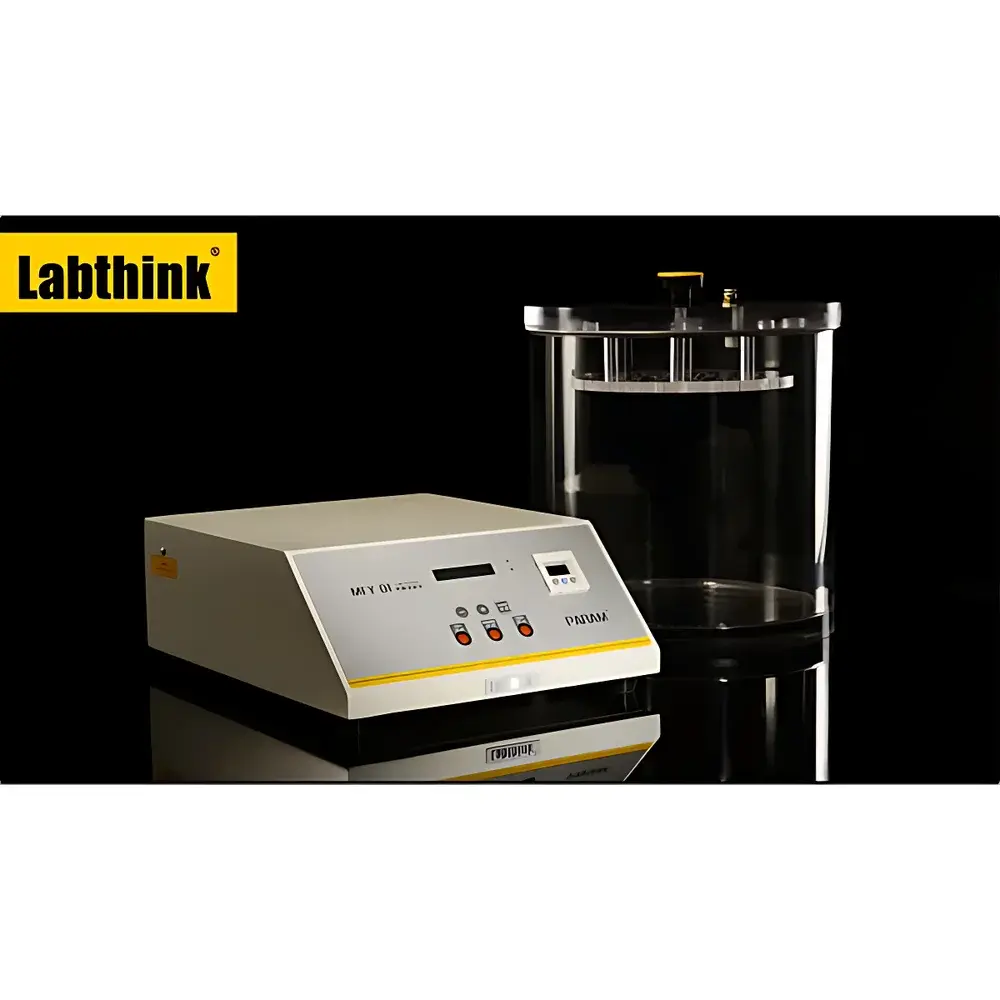
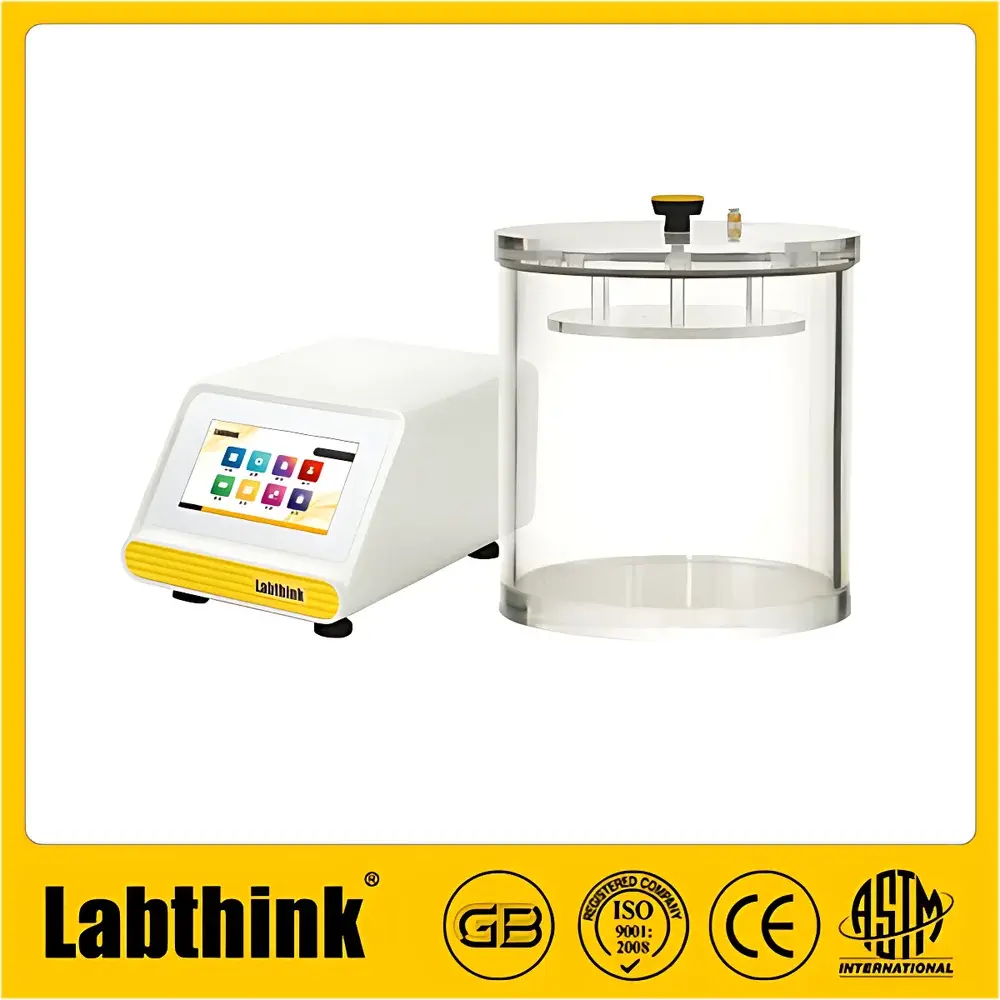
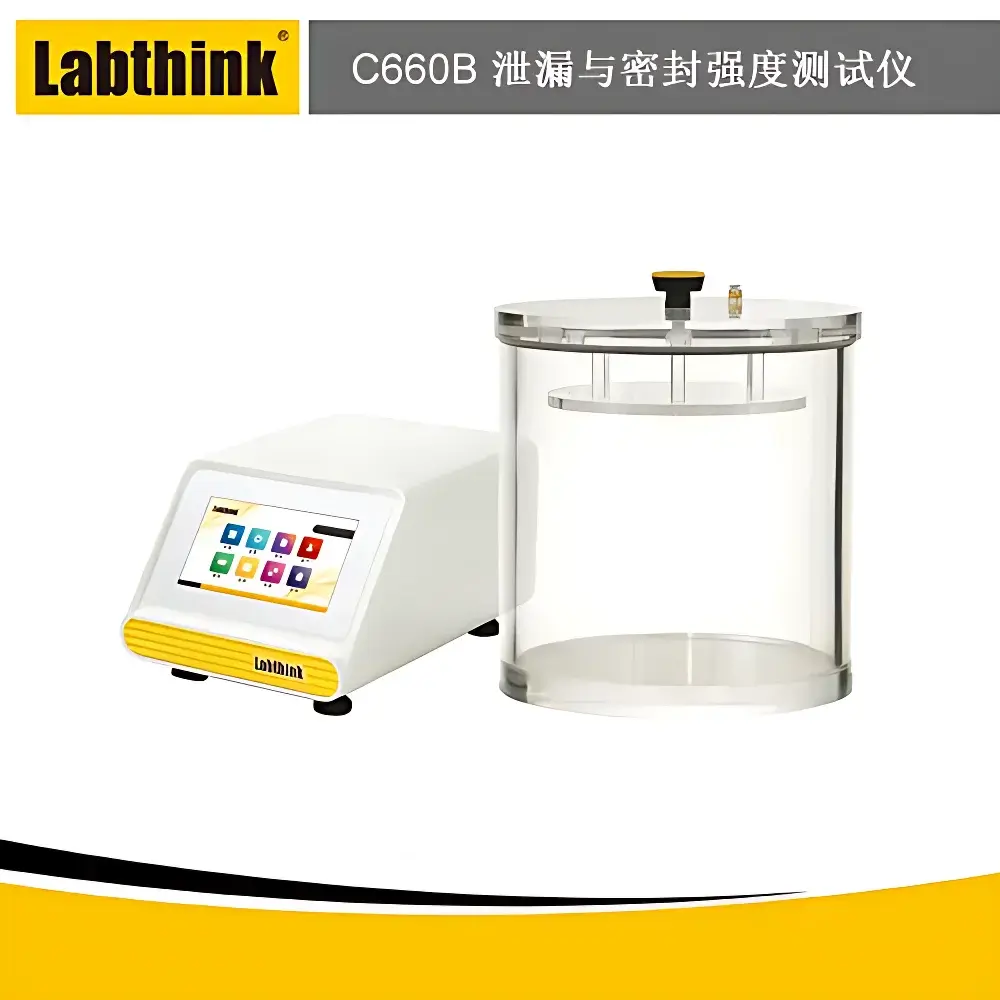
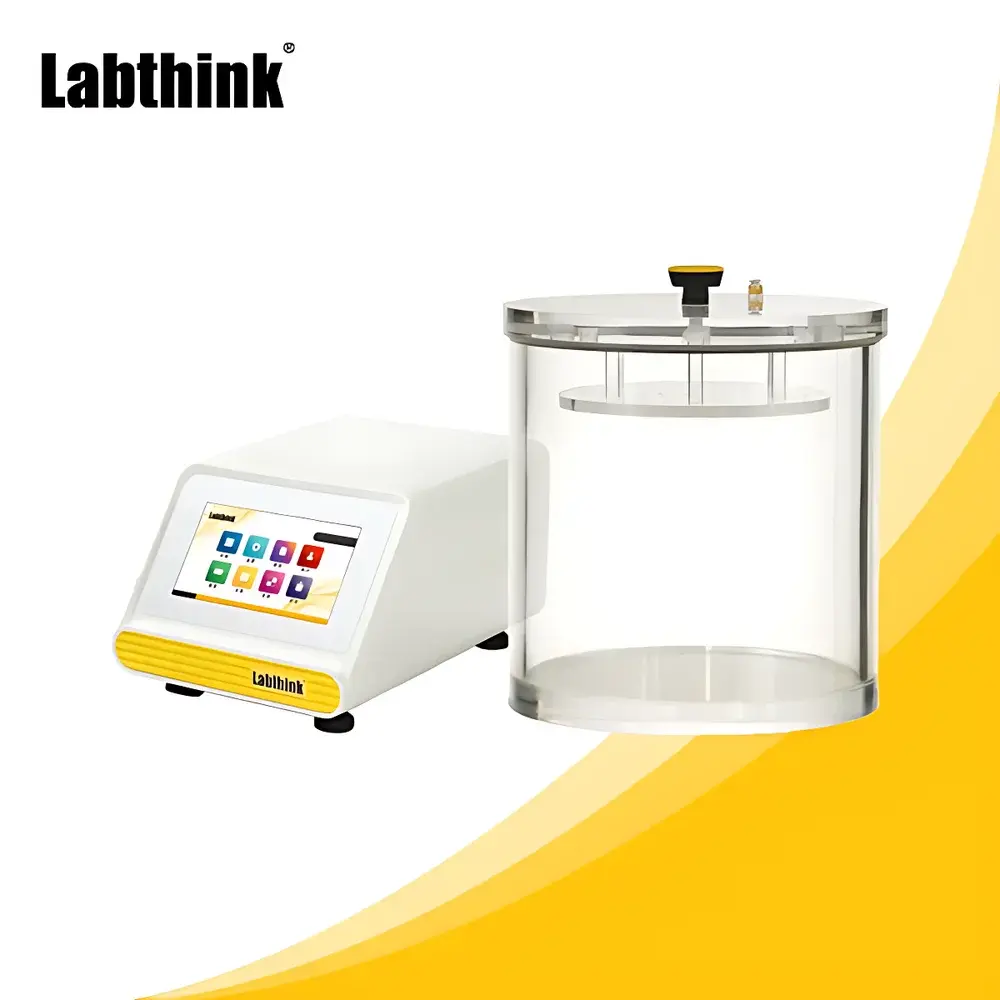
Labthink C660B Intelligent Vacuum Leak Tester for Package Integrity Testing
| Brand | Labthink |
|---|---|
| Origin | Shandong, China |
| Manufacturer Type | Manufacturer |
| Product Category | Domestic |
| Model | Labthink C660B |
| Price | Upon Request |
| Vacuum Range | 0 to −90 kPa (0 to −13 psi) |
| Vacuum Accuracy | ±0.25% FS |
| Vacuum Resolution | 0.1 kPa / 0.01 psi |
| Vacuum Hold Time | 0–9999 min 59 sec |
| Standard Vacuum Chamber Dimensions | Φ270 mm × 210 mm (H) |
| Power Supply | 220 VAC ±10%, 50 Hz or 120 VAC ±10%, 60 Hz |
| Net Weight | 6.5 kg (main unit), 9 kg (standard chamber) |
| Air Supply Requirement | 0.5–0.7 MPa (73–101 psi), external source via Ø6 mm polyurethane tubing |
Overview
The Labthink C660B Intelligent Vacuum Leak Tester is an ASTM D3078-22 and GB/T 15171-compliant instrument engineered for deterministic, non-destructive package integrity verification across regulated and industrial sectors. It operates on the principle of vacuum-induced differential pressure testing: a sealed test specimen—submerged in water within a calibrated vacuum chamber—is subjected to controlled negative pressure. Integrity is assessed by visual observation of air leakage (bubble evolution) or physical deformation (e.g., expansion and elastic recovery upon pressure release). This method provides objective, repeatable pass/fail outcomes without requiring tracer dyes or destructive sectioning, making it suitable for final packaging inspection in pharmaceutical, medical device, food, and consumer goods manufacturing environments.
Key Features
- Multi-Mode Vacuum Testing Protocol: Supports standardized vacuum hold, multi-step vacuum ramping, and dye-assisted (methylene blue) automation—enabling direct correlation with pharmacopeial methods while eliminating manual interpretation variability.
- Precision Vacuum Control: High-stability vacuum generation with ±0.25% full-scale accuracy and 0.1 kPa resolution ensures consistent test conditions across batches and shifts. Automatic pressure compensation maintains setpoint during extended hold periods.
- Real-Time Test Monitoring: Integrated graphical display plots vacuum profile versus time, allowing immediate assessment of leak rate trends, chamber sealing integrity, and specimen response dynamics.
- Intelligent Pass/Fail Classification: Built-in logic automatically tallies compliant and non-compliant units per test run, generating summary statistics without post-processing.
- Industrial Touch Interface: 7-inch capacitive touchscreen with IP65-rated front panel, bilingual (English/Chinese) navigation, user-configurable units (kPa/psi), and persistent memory for parameter presets and power-loss recovery.
- Data Governance Architecture: Local storage capacity for ≥1,200 test records; optional DataShield™ integration enables secure, audit-ready export to LIMS or MES systems. Complies with FDA 21 CFR Part 11 requirements when configured with GMP-compliant software modules and role-based access control.
Sample Compatibility & Compliance
The C660B accommodates rigid and semi-rigid primary and secondary packaging formats—including glass vials, plastic syringes, aluminum blister cards, pouches (foil-laminated, paper-plastic composites), tubes, trays, and sterilization containers. Its modular chamber design supports optional large-volume configurations (up to Φ460 mm × 330 mm H) for oversized medical kits or automotive components. All test protocols align with ISO 11607-2:2019 (packaging validation), USP (container closure integrity testing), and EU Annex 1 (sterile product manufacturing). The system meets GLP/GMP documentation standards when deployed with validated software, electronic signatures, and full audit trail functionality.
Software & Data Management
Embedded firmware supports automatic timestamped record generation including vacuum setpoint, dwell duration, observed failure mode (bubbling, swelling, collapse), operator ID, and environmental metadata. Data export options include USB mass storage (CSV), thermal printer output (optional), and network-enabled DataShield™ API for centralized data aggregation. When paired with Labthink’s validated PC software suite, users gain advanced reporting tools compliant with 21 CFR Part 11: electronic signature capture, change history tracking, and immutable record archiving. System calibration logs and maintenance events are retained separately to support regulatory inspections and internal quality audits.
Applications
- Pharmaceuticals: Sterile vial, ampoule, and pre-filled syringe container-closure integrity screening prior to release.
- Medical Devices: Validation of peel-sealed pouches, thermoformed trays, and implant packaging under simulated distribution stresses (e.g., post-drop or compression testing).
- Foods & Beverages: Detection of micro-leaks in retort pouches, vacuum-sealed trays, and laminated stand-up pouches affecting shelf life.
- Electronics: Hermeticity screening of moisture-sensitive component carriers and ESD-safe packaging.
- Automotive: Seal verification of fluid reservoirs, sensor housings, and connector assemblies exposed to vibration and thermal cycling.
- Consumer Goods: Quality assurance for cosmetic tubes, writing instrument cartridges, and hygiene product sachets.
FAQ
What vacuum levels does the C660B support, and how is accuracy verified?
The instrument delivers programmable vacuum from 0 to −90 kPa (−13 psi) with traceable accuracy of ±0.25% of full scale, confirmed via NIST-traceable pressure calibrators during factory certification and user-performed periodic verification.
Can the C660B be integrated into a fully automated production line?
Yes—via optional digital I/O signals and Modbus TCP protocol, enabling synchronization with PLC-controlled conveyors, reject mechanisms, and MES data ingestion pipelines.
Is operator training required to meet ISO 13485 or FDA expectations?
Labthink provides IQ/OQ documentation templates, SOP drafting support, and on-site qualification assistance to ensure alignment with ISO 13485:2016 clause 7.5.2 and FDA guidance on equipment validation.
How does the system handle different chamber sizes during test method transfer?
Chamber geometry is parameterized in the test method file; vacuum ramp rates and hold times are automatically adjusted to maintain equivalent stress profiles across configurations, preserving test equivalence per ASTM E2500.
What maintenance intervals are recommended for sustained compliance?
Daily visual inspection of O-rings and chamber seals; quarterly verification of vacuum pump oil and filter integrity; annual recalibration of pressure transducers using certified reference standards.




