
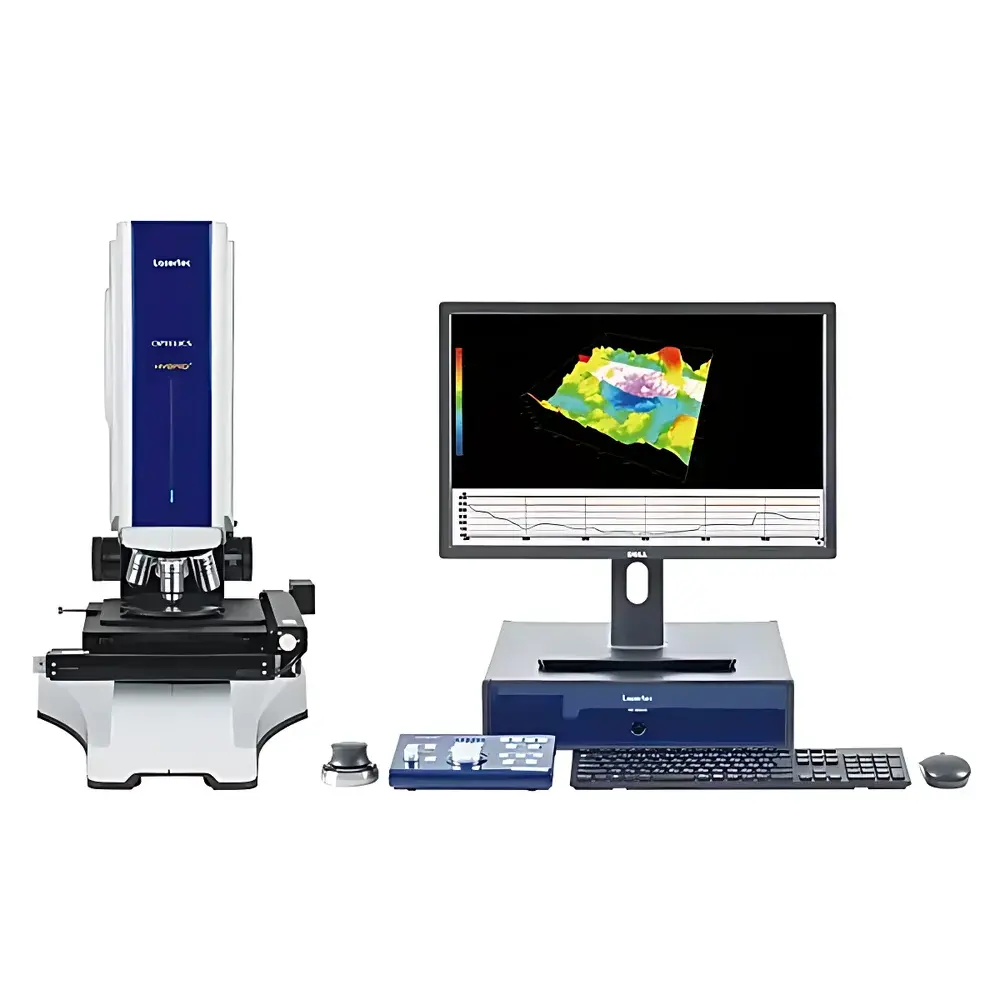
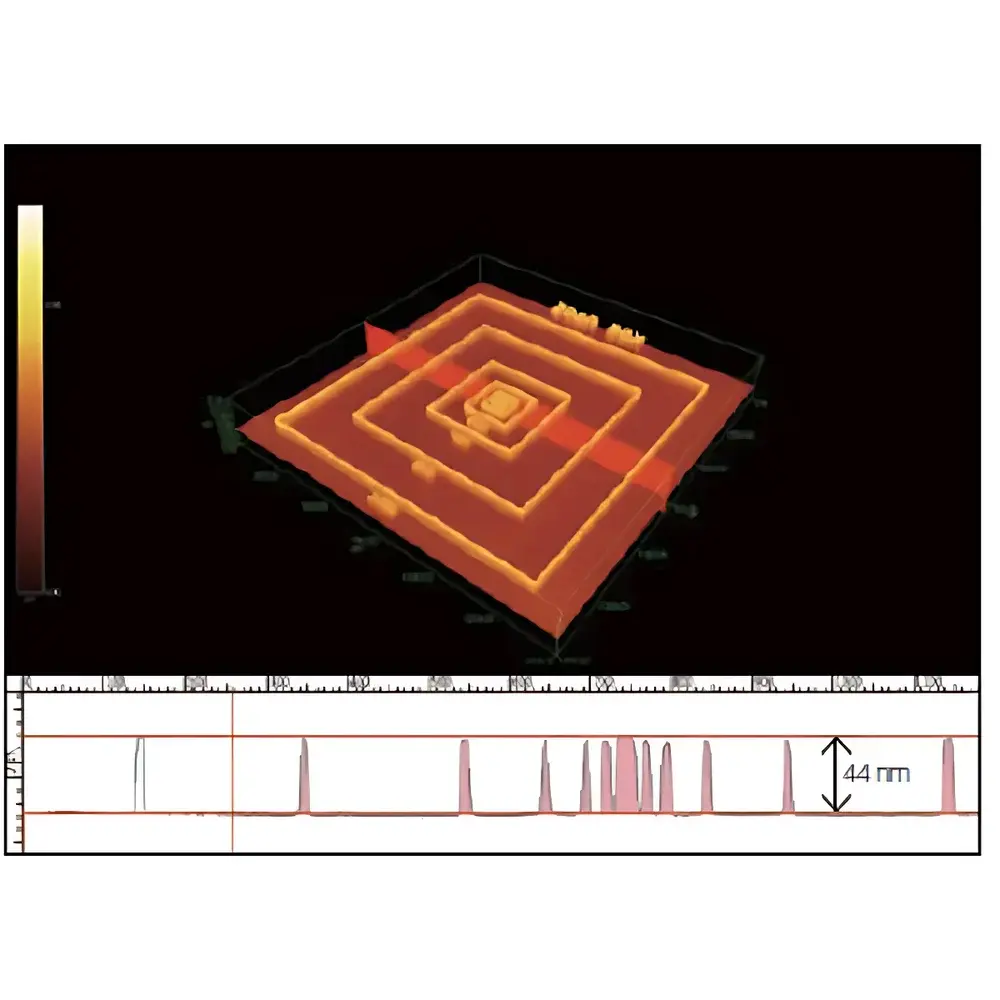
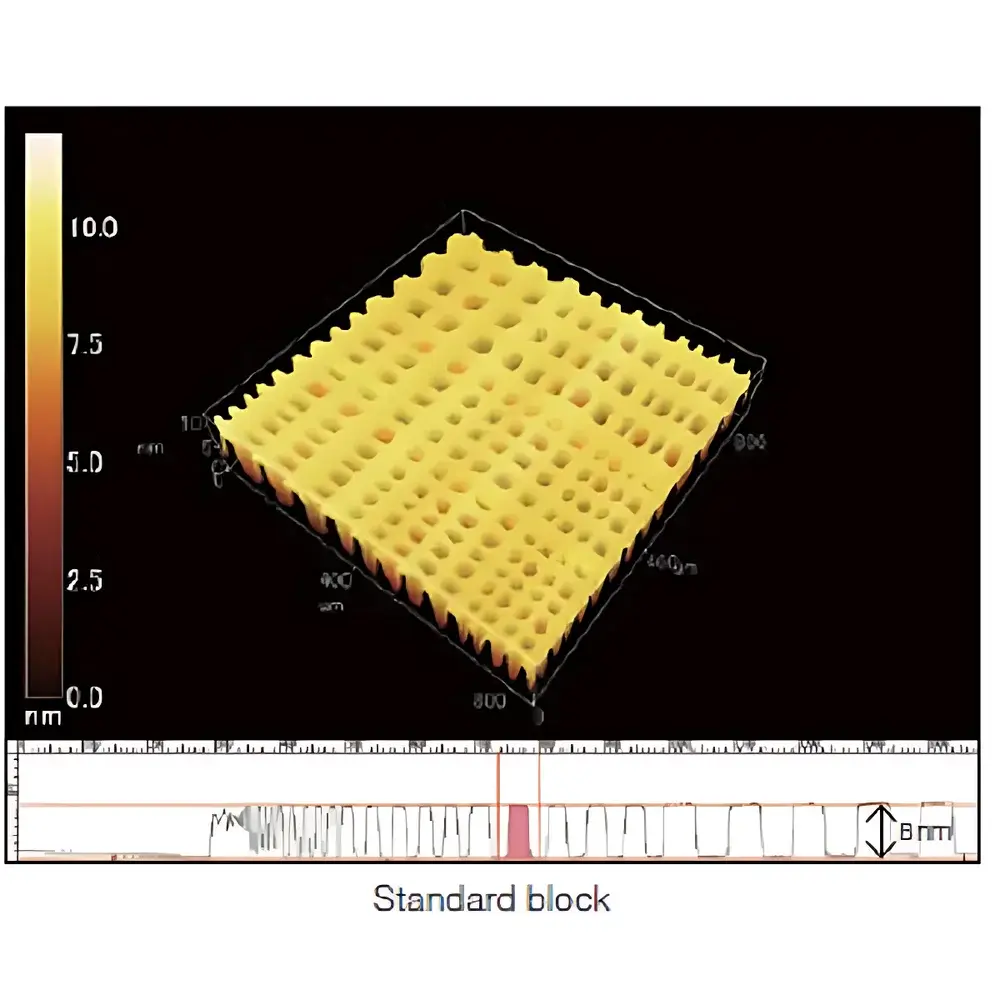
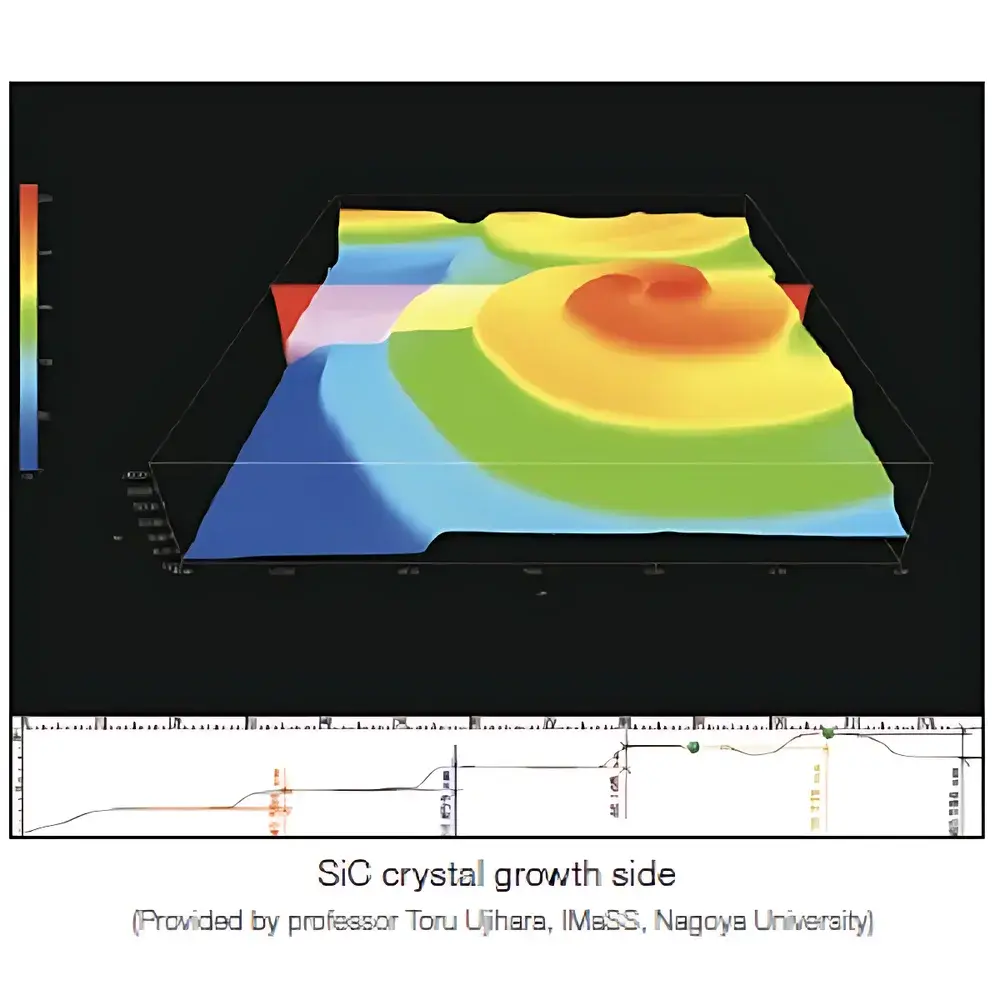
Lasertec HYBRID+ 3D Optical Laser Confocal Microscope
| Brand | Lasertec |
|---|---|
| Origin | Japan |
| Model | HYBRID+ |
| Instrument Type | Point-Scanning Confocal Microscope |
| Vertical Resolution | 0.05 nm |
| Laser Source | 405 nm semiconductor laser |
| LED Light Source | White LED & Xenon lamp |
| Scan Modes | White-light confocal, laser confocal, differential interference contrast (DIC), vertical white-light interferometry (VWLI), phase-shift interferometry (PSI), spectral reflectometric thin-film metrology |
| Scan Axes | XYZ |
| Objective Magnification Range | 1×–150× |
| Optical Platform | Hybrid dual-confocal architecture |
| Vibration-Isolation Table | 1200 × 900 mm dedicated anti-vibration platform |
| Compliance | ASTM E2927, ISO 25178-2, ISO 10110-7, JIS B 0601, USP <1059>, FDA 21 CFR Part 11 (software audit trail enabled) |
Overview
The Lasertec HYBRID+ is a high-precision, multi-modal 3D optical confocal microscope engineered for nanoscale surface topography, thin-film metrology, and sub-surface feature analysis in R&D and advanced manufacturing environments. It operates on a hybrid dual-optical-path architecture—integrating both laser confocal and white-light confocal principles—enabling simultaneous optimization of lateral resolution, axial sensitivity, and measurement speed. Unlike conventional single-mode systems, the HYBRID+ leverages synchronized optical path switching to execute six distinct measurement modalities within one unified platform: laser confocal imaging (405 nm), white-light confocal profiling, differential interference contrast (DIC), vertical white-light interferometry (VWLI), phase-shift interferometry (PSI), and spectral reflectometric thin-film thickness measurement. This convergence eliminates inter-instrument calibration drift, reduces cross-platform uncertainty, and supports traceable, repeatable measurements compliant with ISO 25178-2 (surface texture) and ASTM E2927 (optical profilometry). Its core measurement principle relies on optical sectioning via pinhole-based rejection of out-of-focus light, combined with precise Z-axis piezoelectric scanning and real-time intensity centroid detection for sub-nanometer vertical quantification.
Key Features
- Sub-nanometer axial resolution: 0.05 nm height repeatability verified per ISO 25178-6 under controlled environmental conditions (20 ± 0.5 °C, <40% RH)
- Hybrid optical architecture: Dual-path beam routing enables seamless switching between laser (405 nm) and broadband white-light illumination without mechanical reconfiguration
- Six integrated metrology modes: All operate from a single optical train—no hardware swapping or recalibration required
- High-speed acquisition: Frame rates up to 120 Hz in confocal mode; full-field VWLI acquisition in ≤3 seconds at 5× magnification
- Multi-wavelength spectral reflectometry: Six discrete wavelengths (400–700 nm) for modeling and extraction of single/multi-layer film thicknesses from 2 nm to 1 µm
- Dedicated vibration-isolation platform: 1200 × 900 mm granite base with active pneumatic damping, certified to ISO 10816-3 Class A stability requirements
- Objective flexibility: Motorized turret supporting 1×–150× objectives with automatic magnification recognition and parfocal alignment
Sample Compatibility & Compliance
The HYBRID+ accommodates opaque, transparent, reflective, semi-transparent, and multilayered samples—including silicon wafers, optical coatings, MEMS devices, biomedical implants, polished metals, and polymer films—without conductive coating or vacuum processing. Its non-contact, non-destructive methodology complies with ISO 10110-7 (optical component surface imperfections), JIS B 0601 (surface roughness), and ASTM F2733 (thin-film thickness on medical devices). Software modules support GLP/GMP workflows: LM Eye includes electronic signatures, user-level access control, full audit trails, and 21 CFR Part 11–compliant data integrity features. Measurement reports are exportable in PDF/A-2, CSV, and Metrology Markup Language (MML) formats for integration into LIMS and MES platforms.
Software & Data Management
LM Eye serves as the primary measurement and analysis interface, offering calibrated parameter extraction for surface roughness (Sa, Sq, Sz), step height, volume, slope, and film thickness distribution maps. LIBRA enables fully automated script-driven metrology sequences—including tile-based stitching, multi-site batch measurement, and pass/fail tolerance mapping—with configurable SOP templates. LM Inspect employs supervised machine learning models trained on >50,000 defect signatures to classify particles, scratches, pits, and coating non-uniformities with ≥98.7% precision (per internal validation per ISO/IEC 17025). All raw interferograms, confocal stacks, and spectral reflectance curves are stored with embedded metadata (timestamp, operator ID, environmental logs, calibration certificate IDs) in AES-256 encrypted project archives.
Applications
- Semiconductor process control: Trench depth, line edge roughness (LER), etch uniformity, and post-CMP wafer topology
- Optical thin-film characterization: Anti-reflective, dichroic, and filter stack thickness uniformity and dispersion analysis
- Biomedical device inspection: Surface texture of orthopedic implants, stent strut geometry, and hydrogel swelling kinetics
- MEMS/NEMS validation: Dynamic deformation mapping under thermal or electrostatic actuation
- Advanced packaging: Solder bump coplanarity, underfill void detection, and TSV (through-silicon via) profile analysis
- Materials science research: In-situ oxidation kinetics, grain boundary topography, and polymer phase separation morphology
FAQ
What is the difference between laser confocal and white-light confocal modes on the HYBRID+?
Laser confocal (405 nm) delivers superior lateral resolution (<120 nm) for high-magnification nanostructure imaging, while white-light confocal provides enhanced axial linearity and reduced chromatic aberration for broad-area quantitative profiling.
Can the system measure transparent multilayer films?
Yes—spectral reflectometry mode supports optical modeling of up to 5-layer stacks using Cauchy or Tauc-Lorentz dispersion models, with thickness uncertainty <±0.3 nm for SiO₂ on Si.
Is vibration isolation mandatory for achieving 0.05 nm vertical resolution?
Yes—specifications assume operation on the supplied 1200 × 900 mm active-damping platform; performance degrades beyond ±1 µm RMS floor vibration at 10–100 Hz.
Does LM Eye support custom algorithm development?
Yes—via Python 3.9 API with full access to raw intensity arrays, Z-stack metadata, and instrument control layer; compatible with SciPy, OpenCV, and scikit-image.
How is traceability maintained across measurement modes?
All modes share a common Z-axis encoder calibrated against NIST-traceable step-height standards; inter-mode correlation is validated annually per ISO/IEC 17025 accredited procedures.




