
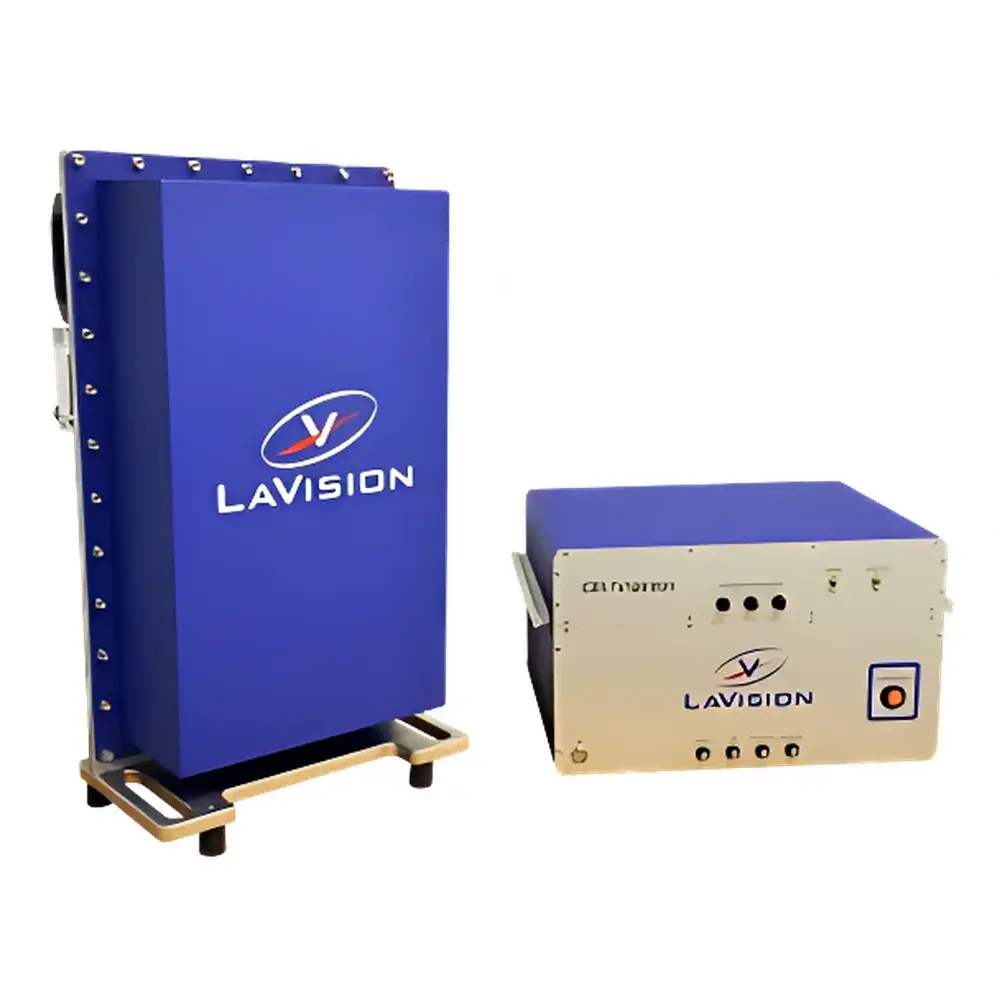
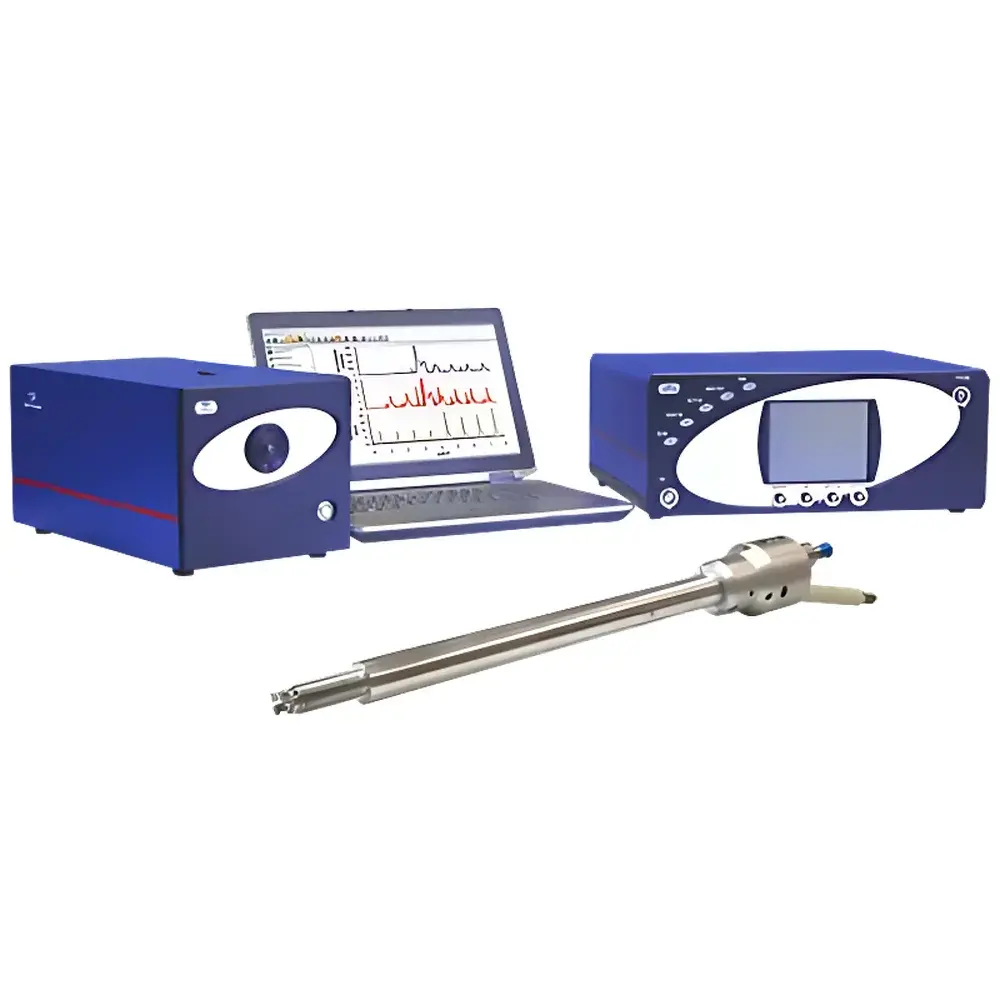
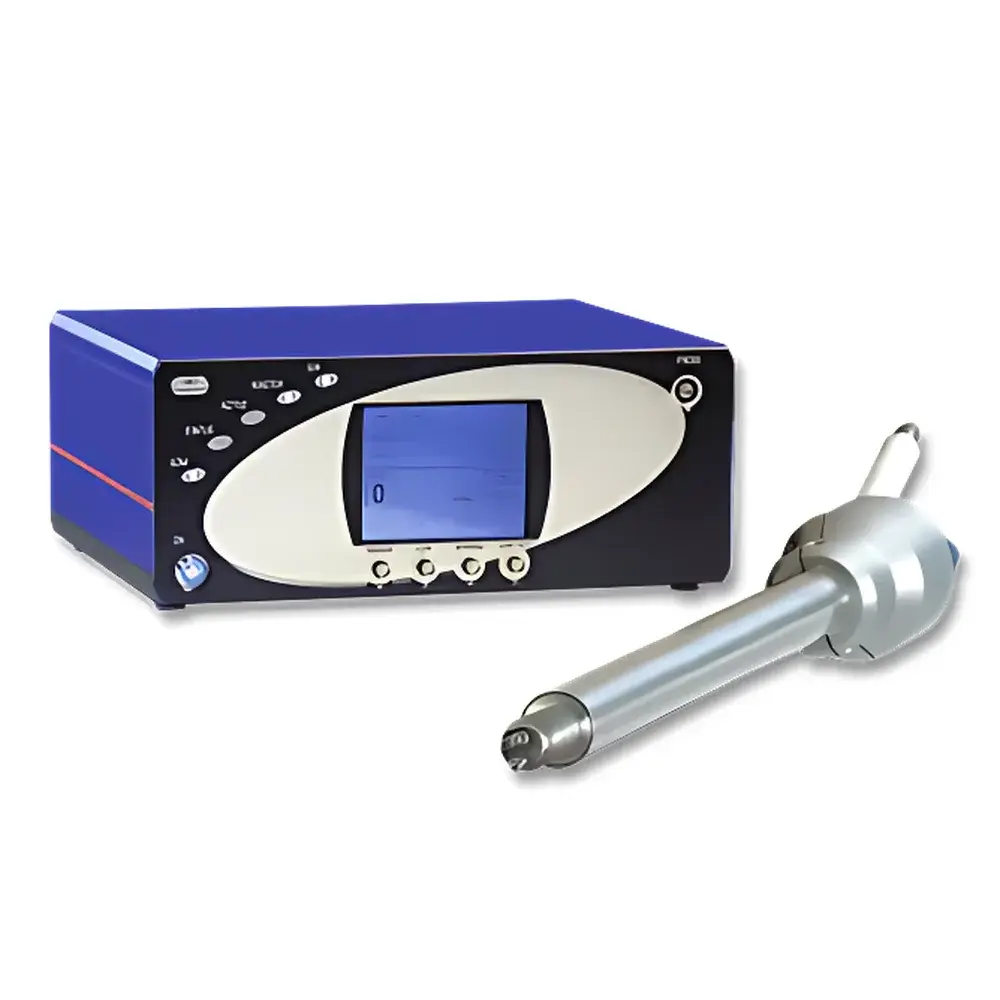
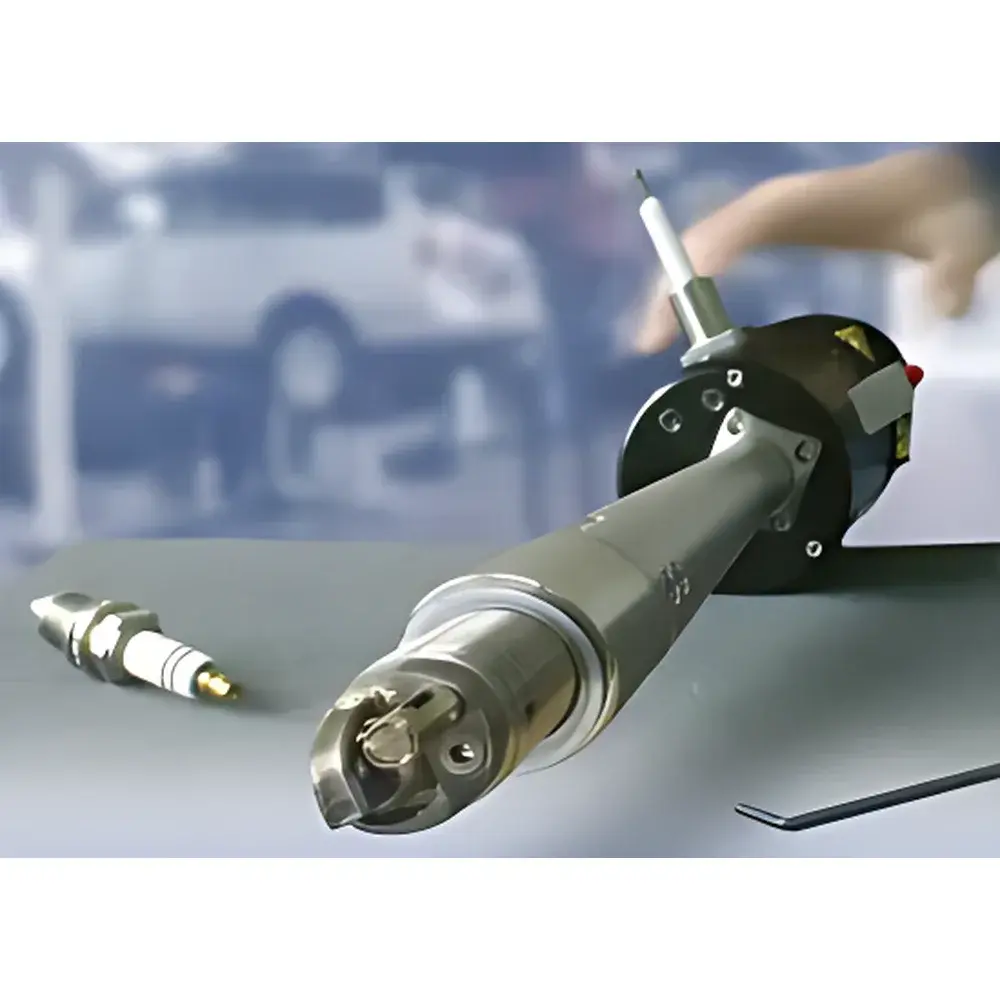
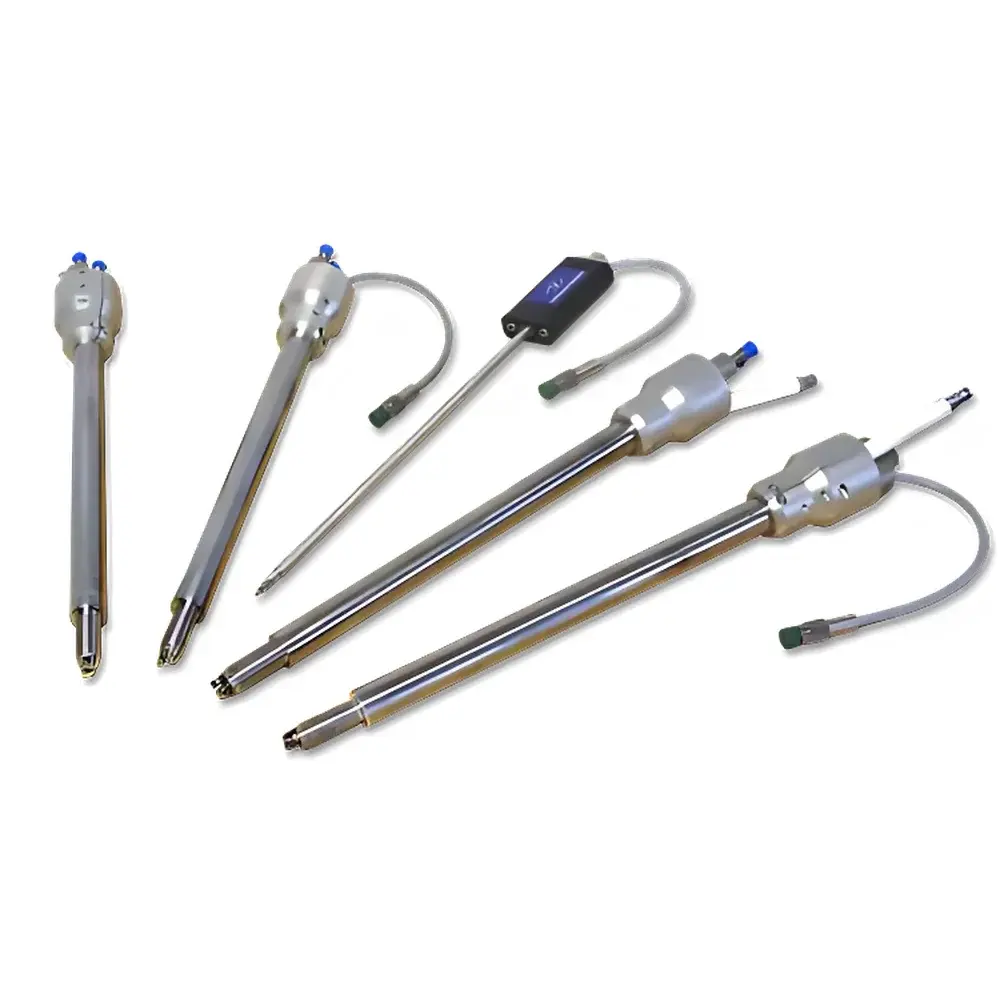
LaVision ICOS Internal Combustion Optical Sensor
| Brand | LaVision GmbH |
|---|---|
| Origin | Germany |
| Model | ICOS |
| Application | In-cylinder crank-angle-resolved optical sensing for air/fuel ratio, EGR rate, CO₂ concentration, gas temperature, and H₂O concentration |
| Probe Integration | Spark plug–, glow plug–, or M5-threaded mounting |
| Measurement Principle | Tunable Diode Laser Absorption Spectroscopy (TDLAS) with wavelength modulation spectroscopy (WMS) |
| Data Resolution | Crank-angle-resolved (≤0.1° CA), single-cycle capable |
| Response Time | <10 µs |
| Compatibility | Gasoline, Diesel, CNG, and multi-fuel engines |
| Certification Compliance | Designed for ISO 8178, ASTM D975/D3606, and EU Stage V R96-compliant test bed environments |
| Software Interface | Compatible with LaVision DaVis and third-party DAQ systems (e.g., NI VeriStand, dSPACE SCALEXIO) via TTL/encoder synchronization |
Overview
The LaVision ICOS (Internal Combustion Optical Sensor) is a high-speed, in-cylinder optical diagnostic system engineered for real-time, crank-angle-resolved measurement of critical combustion parameters directly within the combustion chamber. Based on Tunable Diode Laser Absorption Spectroscopy (TDLAS) with second-harmonic wavelength modulation spectroscopy (WMS-2f), ICOS enables non-intrusive, calibration-free quantification of multiple species and thermodynamic states—including air/fuel ratio (λ), CO₂ volume fraction, exhaust gas recirculation (EGR) rate, in-cylinder gas temperature, and water vapor concentration—without physical gas sampling or engine modification. The sensor head integrates seamlessly into standard spark plugs, glow plugs, or custom M5-threaded probes, enabling deployment in production-relevant engines operating under full load, transient conditions, and real-world fuel blends (gasoline, diesel, CNG, and synthetic fuels). Its sub-microsecond temporal response (<10 µs) and angular resolution down to 0.1° crank angle ensure fidelity in capturing cycle-to-cycle variability, knock onset, misfire events, and mixture stratification dynamics.
Key Features
- Direct in-cylinder optical access via OEM-compatible probe interfaces (M5 thread, spark plug shell, or glow plug housing)
- Multi-parameter simultaneous detection: λ, CO₂, EGR, Tgas, and H₂O using spectrally distinct near-infrared absorption lines (e.g., 1.39–1.65 µm range)
- Single-cycle resolved data acquisition synchronized to encoder signals with ≤0.1° crank angle precision
- No calibration drift: Absolute quantification based on fundamental spectroscopic line strengths and Beer–Lambert law modeling
- Robust architecture designed for harsh environments: IP67-rated electronics, vibration-resistant optical alignment, and thermal management for >150 °C cylinder head operation
- Modular system variants: ICOS (multi-species), ICOS-CNG (optimized for methane and λ), ICOS-Temperature (high-accuracy T + H₂O), and ICOS Probes (application-specific probe sets)
Sample Compatibility & Compliance
ICOS supports gasoline, diesel, compressed natural gas (CNG), liquefied petroleum gas (LPG), and oxygenated biofuels—including ethanol–gasoline blends (E10–E85) and hydrotreated vegetable oil (HVO). All configurations maintain compliance with international engine testing standards: ISO 8178 for non-road diesel engines, ASTM D975 (diesel) and D3606 (gasoline) fuel specification referencing, and EU Regulation (EU) 2016/1628 (Stage V) emission test protocols. The system’s optical path design avoids catalytic interference and satisfies GLP-aligned traceability requirements when paired with LaVision’s audit-ready DaVis software, supporting 21 CFR Part 11–compliant electronic records and signature workflows where required.
Software & Data Management
ICOS data acquisition is fully integrated into LaVision’s DaVis platform, offering synchronized visualization of optical signals alongside high-speed pressure traces, injector current profiles, and crankshaft encoder data. Raw absorbance spectra are processed in real time using proprietary WMS demodulation algorithms, with post-processing modules for cycle-resolved λ mapping, EGR mass balance validation, and thermodynamic state reconstruction. Export formats include HDF5, MATLAB (.mat), and ASAM MDF4 for compatibility with AVL PUMA, ETAS INCA, and GT-SUITE co-simulation environments. All raw spectral data and processing metadata are stored with timestamped provenance, enabling full reprocessing and audit trail generation per ISO/IEC 17025 laboratory accreditation requirements.
Applications
- Transient lambda and EGR control validation during WLTC and RDE driving cycles
- Mixture formation analysis in direct-injection CNG engines, including wall-wetting and stratification assessment
- Cycle-resolved combustion stability evaluation for low-temperature combustion (LTC) and HCCI regimes
- Fuel composition monitoring during dual-fuel and flexible-fuel operation
- Validation of CFD combustion models using spatially localized, time-resolved species and temperature data
- Development of model-based control strategies requiring in-cylinder feedback for closed-loop AFR or EGR actuation
FAQ
Can ICOS be installed on production engines without modifications?
Yes. ICOS uses standard mounting interfaces (e.g., M5-threaded probes or OEM spark plug adapters) and requires no cylinder head machining or combustion chamber alteration.
Does ICOS require periodic recalibration?
No. The system relies on first-principles spectroscopic modeling; zero-point and span verification are performed via reference gas cells only during initial commissioning or after major hardware service.
Is ICOS compatible with optical access through quartz windows?
While primarily designed for endoscopic probe integration, transmission-mode variants support cross-cylinder path-integrated measurements using matched emitter/detector pairs mounted on opposing cylinder bores.
How is synchronization achieved with engine test benches?
Via TTL-level crankshaft encoder signals and programmable trigger outputs, ensuring sub-degree phase alignment with pressure transducers and injector drivers across all engine speeds.
What level of technical support is provided for integration into existing DAQ ecosystems?
LaVision offers application engineering support, including NI VeriStand driver development, dSPACE ConfigurationDesk integration packages, and custom API wrappers for Python and LabVIEW-based control frameworks.



