
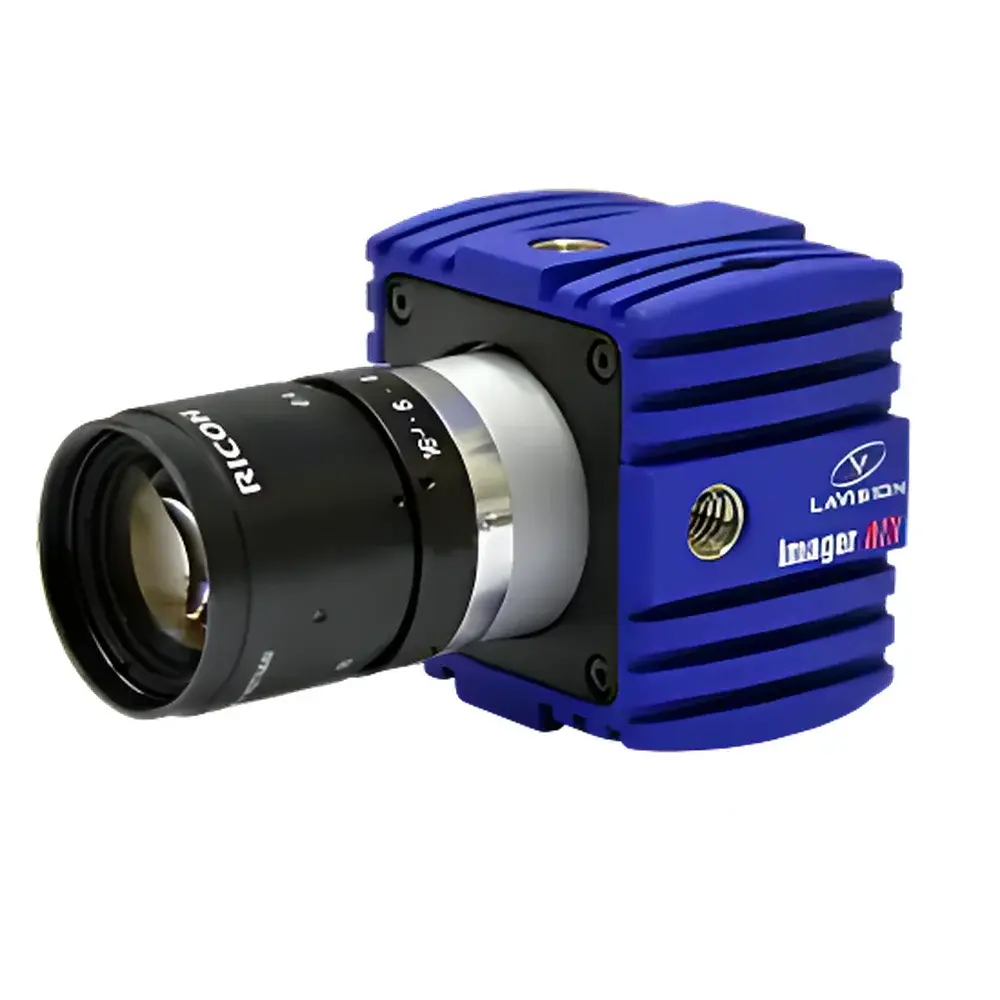
LaVision Imager Series PIV Cameras
| Brand | LaVision GmbH |
|---|---|
| Origin | Germany |
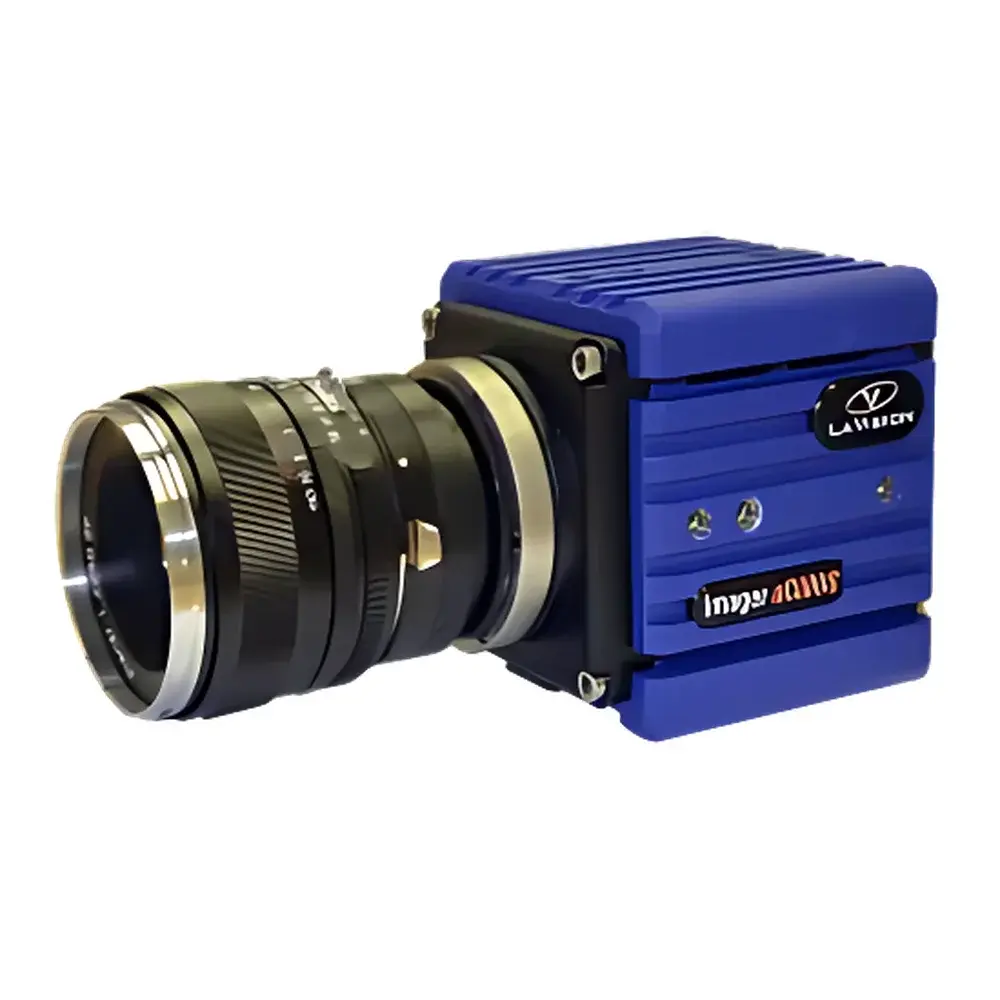
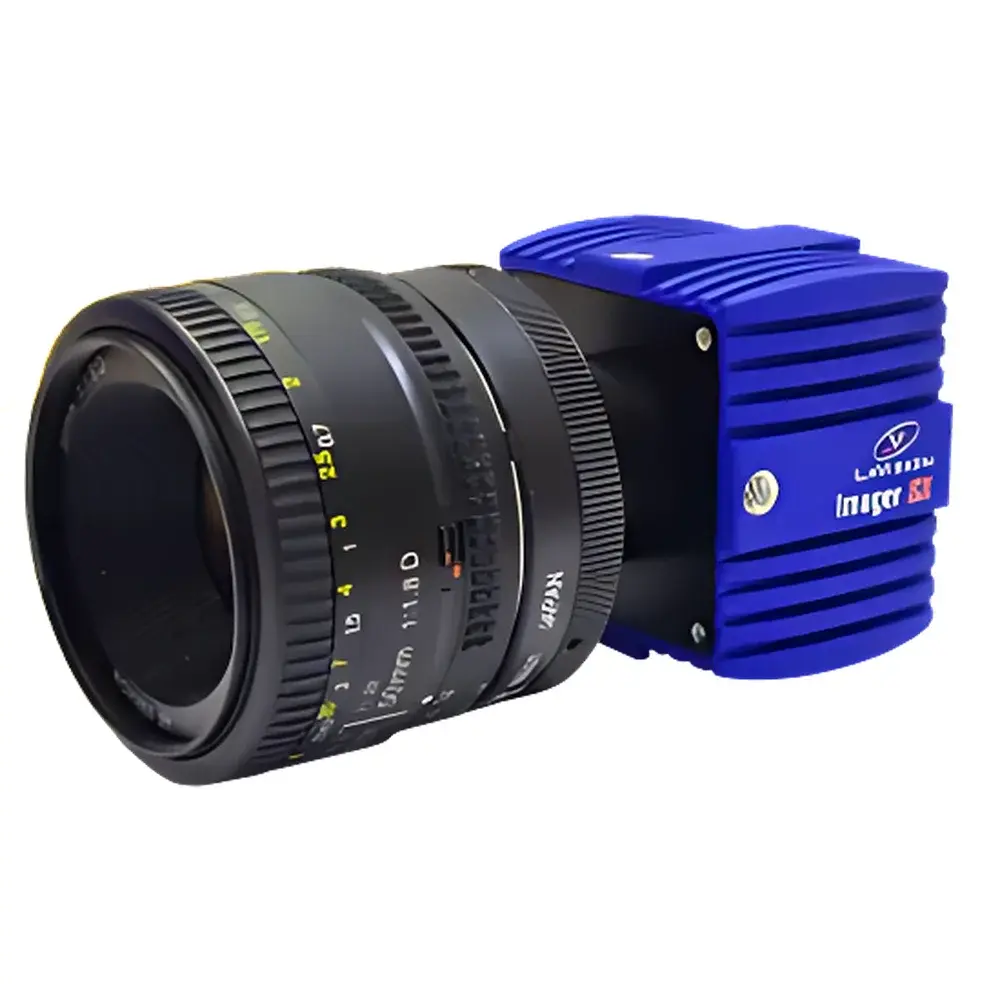
| Model | Imager sCMOS / Imager SX / Imager MX / Imager LX / MiniShaker Series |
| Effective Resolution | up to 29 MP (29 million pixels) |
| Pixel Size | 6.5 µm |
| Full-Resolution Frame Rate | 18–50 Hz (varies by model) |
| High-Speed Mode | up to 1 kHz (704 × 358 px) |
| Interframe Time | down to 0.3 µs |
| Sensor Type | scientific CMOS (sCMOS), progressive-scan CCD, or high-speed CMOS |
| Interface | CameraLink HS, Gigabit Ethernet |
| Compliance | Fully integrated with DaVis software for time-resolved PIV, double-frame acquisition, and μs-scale interframe timing |
Overview
LaVision Imager Series PIV Cameras are engineered for precision particle image velocimetry (PIV) in fundamental fluid dynamics research and industrial flow diagnostics. These cameras operate on the core principle of double-pulse laser illumination synchronized with ultra-short, precisely timed image acquisition—capturing two particle-seeded flow field images within a defined interframe interval (as low as 0.3 µs). The resulting displacement vectors are computed via cross-correlation analysis to reconstruct instantaneous 2D or stereo/3D velocity fields. Designed exclusively for quantitative flow visualization, the Imager platform delivers calibrated spatial resolution, temporal stability, and photon-limited sensitivity—critical for achieving high dynamic range and low uncertainty in velocity measurements across laminar, transitional, and turbulent regimes.
Key Features
- Modular architecture spanning five camera families—Imager sCMOS, SX, MX, LX, and MiniShaker—each optimized for distinct PIV performance priorities: resolution, frame rate, sensitivity, interframe timing, or optical access constraints.
- sCMOS-based Imager sCMOS features 5.5 MP resolution, <1.5 e⁻ read noise at 50 Hz full-frame, and CameraLink HS interface for deterministic, low-latency data transfer over distances up to 10 m.
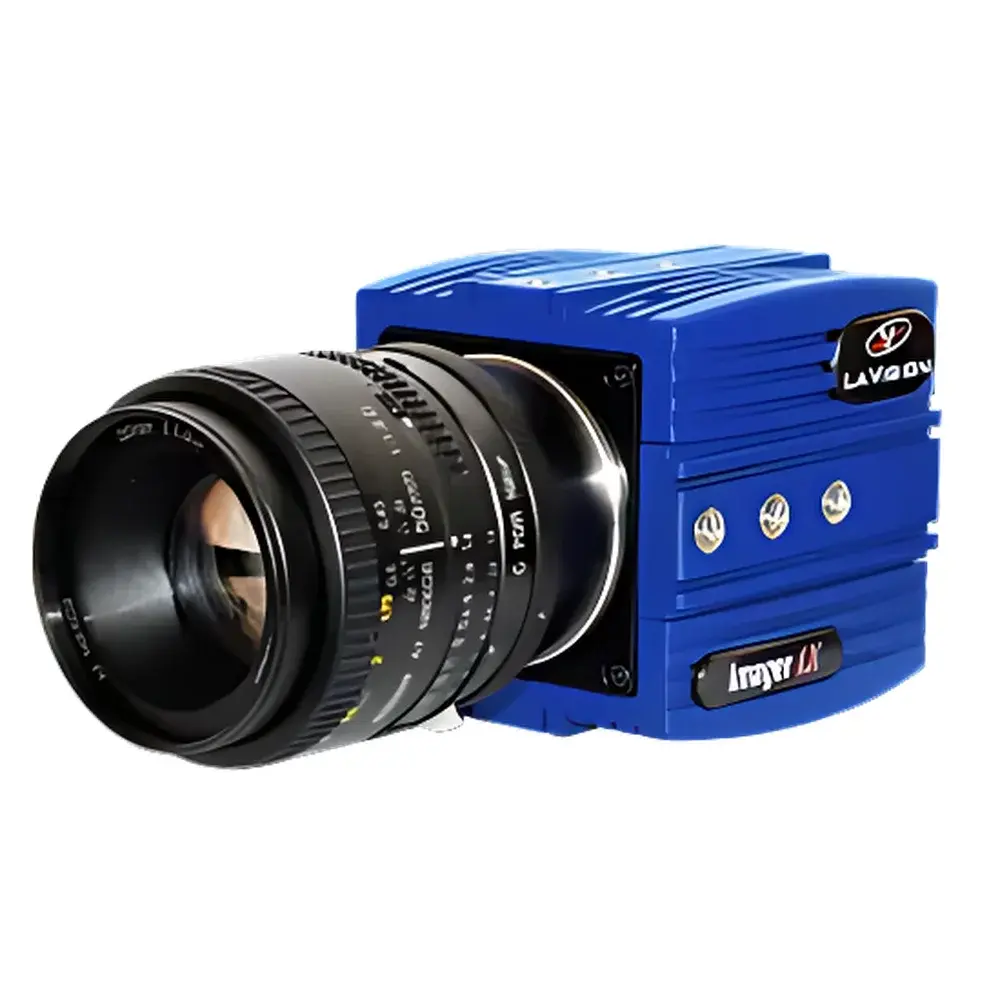
- Imager LX series offers true progressive-scan CCD sensors with 16 MP and 29 MP variants, 14-bit digitization, and sub-microsecond interframe capability—ideal for large-area, high-fidelity PIV in wind tunnels or combustion chambers.
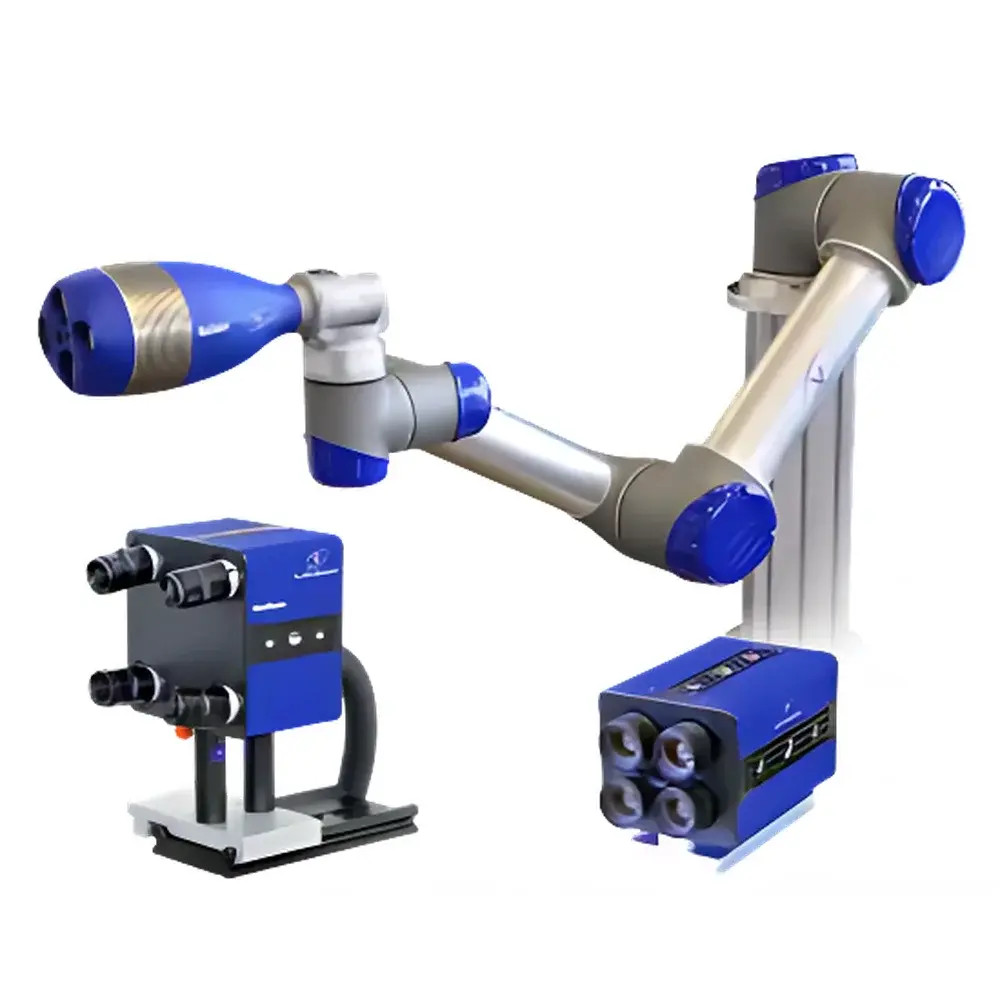
- MiniShaker family integrates four synchronized sensors in a rigid, compact housing for stereo and tomographic PIV (Tomo-PIV); available in TR (liquid/low-speed gas), 2M (mid-speed gas), Aero (aerodynamic housing + coaxial fiber coupling), and Underwater (pressure-rated, corrosion-resistant) configurations.
- All models support hardware-triggered double-frame exposure with programmable delay, enabling precise synchronization with Nd:YAG lasers and compatibility with multi-camera stereo or volumetric setups.
- Fully programmable ROI (region-of-interest) readout allows trade-offs between spatial resolution and frame rate without sacrificing image fidelity or timing accuracy.
Sample Compatibility & Compliance
The Imager Series is compatible with standard PIV tracer particles—including polystyrene, hollow glass, and titanium dioxide spheres (0.5–10 µm diameter)—and supports both planar and volumetric seeding strategies. Cameras meet CE marking requirements and are designed for integration into ISO/IEC 17025-accredited laboratories performing flow metrology. When used with DaVis software, systems support audit-trail logging, user-access control, and electronic signature functionality compliant with GLP and FDA 21 CFR Part 11 for regulated environments. No modifications are required for operation in Class 1000 cleanrooms or controlled humidity environments (operating range: 10–35 °C, non-condensing).
Software & Data Management
All Imager cameras are natively supported by LaVision’s DaVis 10.x software suite—a validated, modular platform for PIV experiment design, acquisition, real-time preprocessing, vector field computation, and post-processing. DaVis provides full hardware abstraction: automatic camera detection, synchronized multi-camera triggering, embedded calibration workflows (including self-calibration using target grids), and direct export to HDF5, ASCII, and Tecplot-compatible formats. Raw image data is streamed losslessly via CameraLink HS or GigE; metadata—including exposure time, gain, trigger delay, and lens parameters—is embedded in every frame header. Batch processing pipelines support automated quality assessment (e.g., signal-to-noise ratio, peak ratio, validation mask generation) and statistical ensemble averaging per ASTM D7701-21 for turbulence quantification.
Applications
- Aerodynamics: Boundary layer transition studies, wake characterization behind airfoils, and jet mixing in propulsion systems.
- Combustion: Flame-front velocity mapping, turbulent premixed flame propagation, and soot particle tracking in burner rigs.
- Biomedical flows: Hemodynamic analysis in vascular phantoms, intracranial aneurysm flow patterns, and microfluidic device validation.
- Environmental hydraulics: Sediment transport modeling in flumes, tidal turbine wake interactions, and river confluence dynamics.
- Industrial process optimization: Mixing efficiency in stirred tanks, spray atomization in injectors, and cavitation inception in hydraulic components.
FAQ
What is the minimum interframe time achievable with the Imager LX series?
The Imager LX supports interframe times down to 0.3 µs in double-frame mode, enabled by its fully programmable CCD architecture and high-speed shutter electronics.
Can Imager cameras be used for time-resolved PIV at kHz rates?
Yes—MiniShaker models achieve up to 1 kHz at reduced ROI (704 × 358 px), while Imager MX and HS-series cameras deliver kHz frame rates at higher resolutions using high-speed CMOS sensors.
Is DaVis software included with the camera purchase?
A full DaVis license—including acquisition, PIV processing, and advanced post-processing modules—is supplied with each Imager system and includes annual maintenance updates.
Are these cameras suitable for vacuum or high-pressure environments?
Standard models operate at ambient pressure; custom versions with vacuum-compatible housings or pressure-rated enclosures (e.g., MiniShaker Underwater, rated to 10 bar) are available upon request.
How is geometric calibration performed for stereo-PIV setups?
DaVis includes automated stereo calibration using asymmetric target patterns, with residual error reporting and iterative refinement tools traceable to NIST-traceable length standards.





