
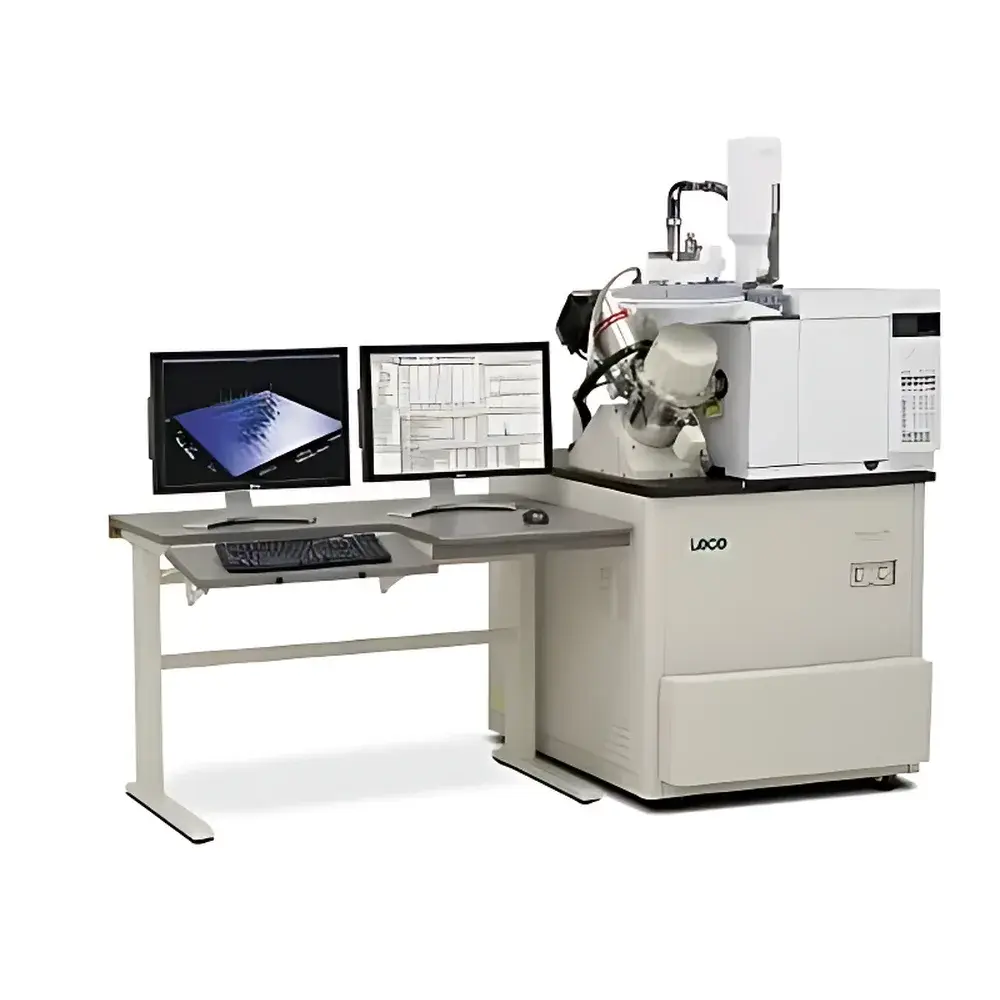
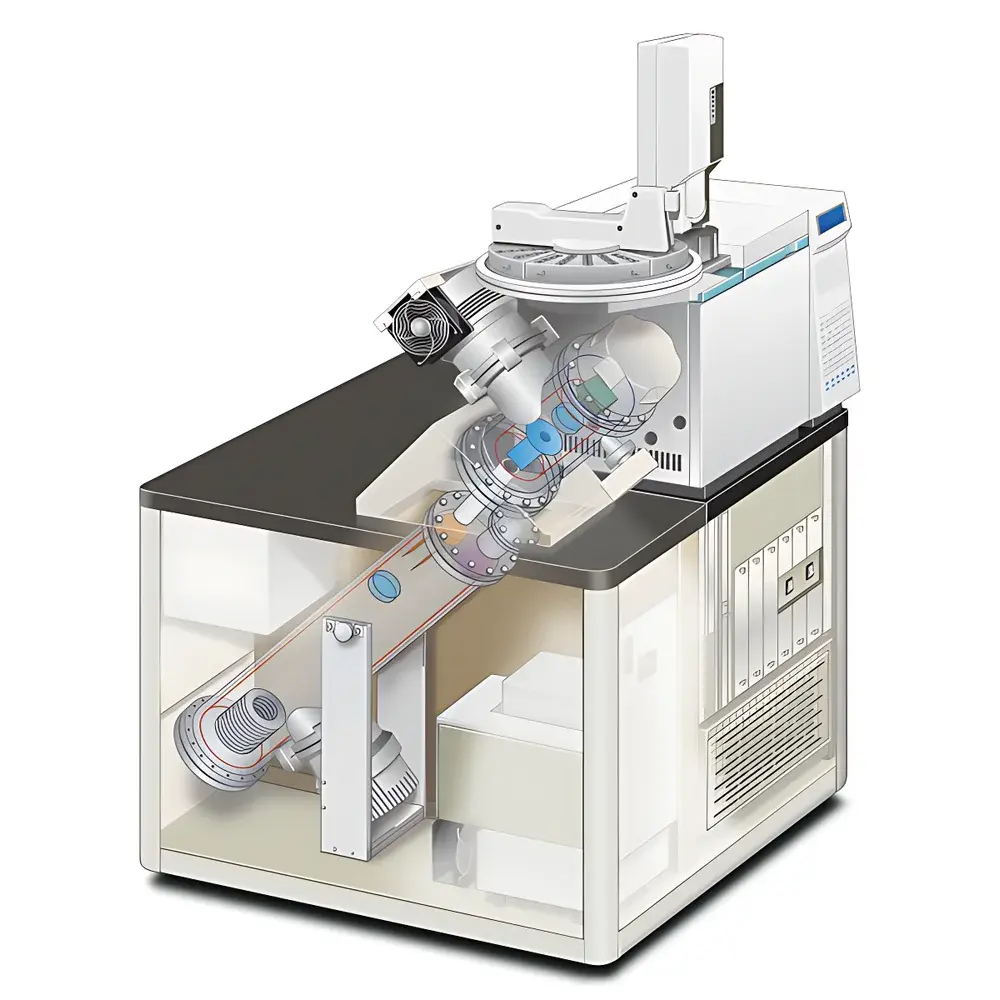
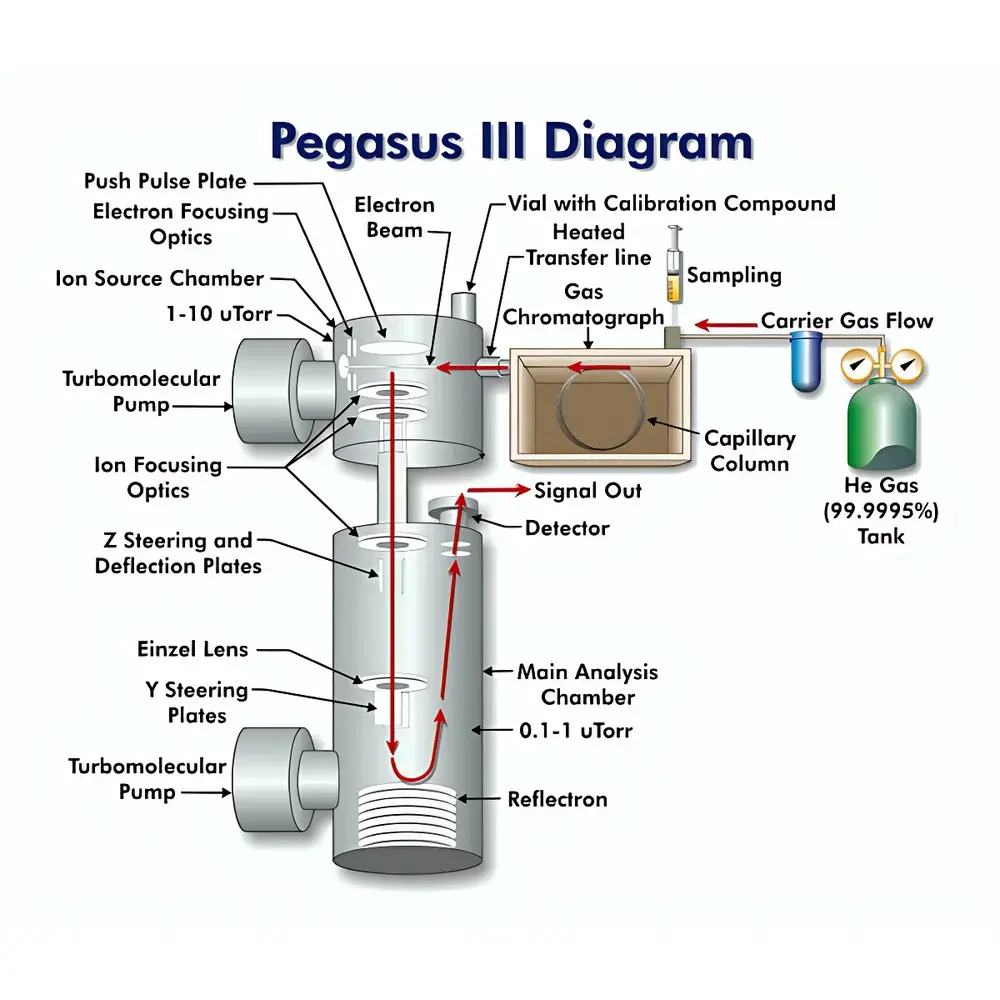
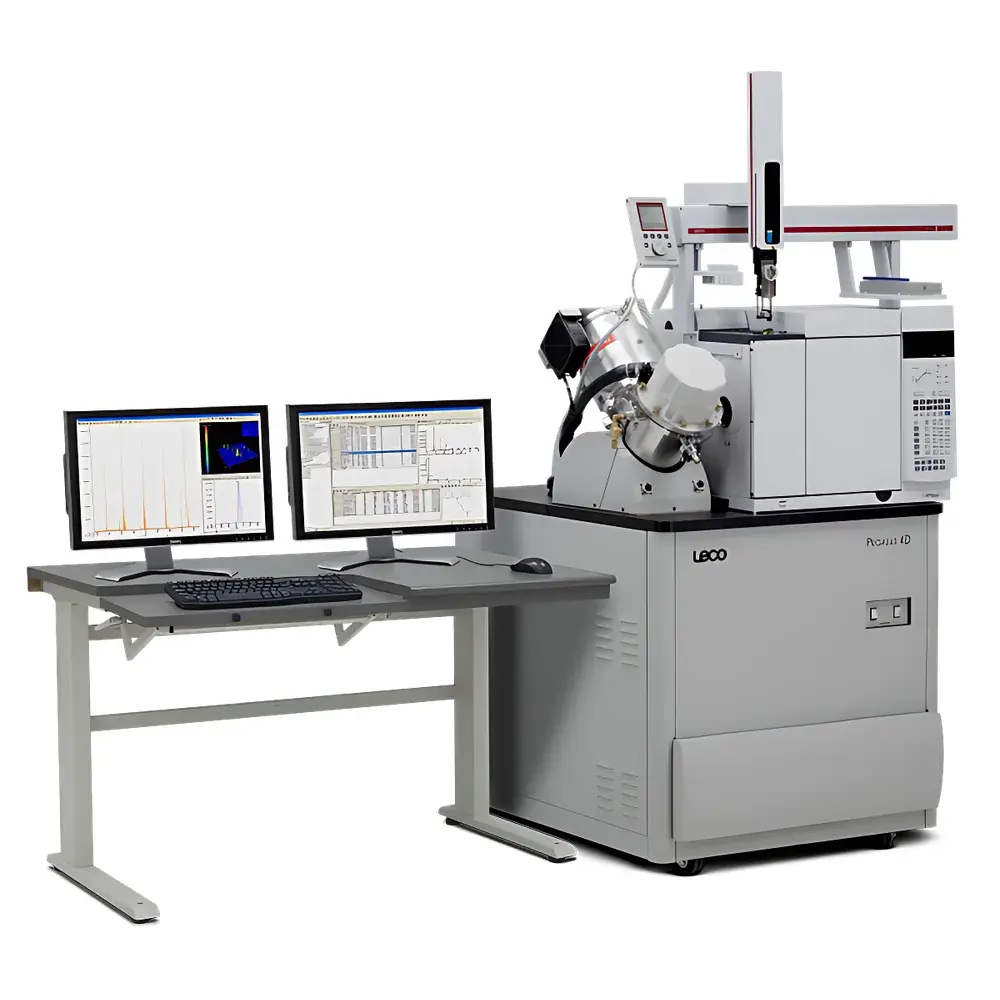
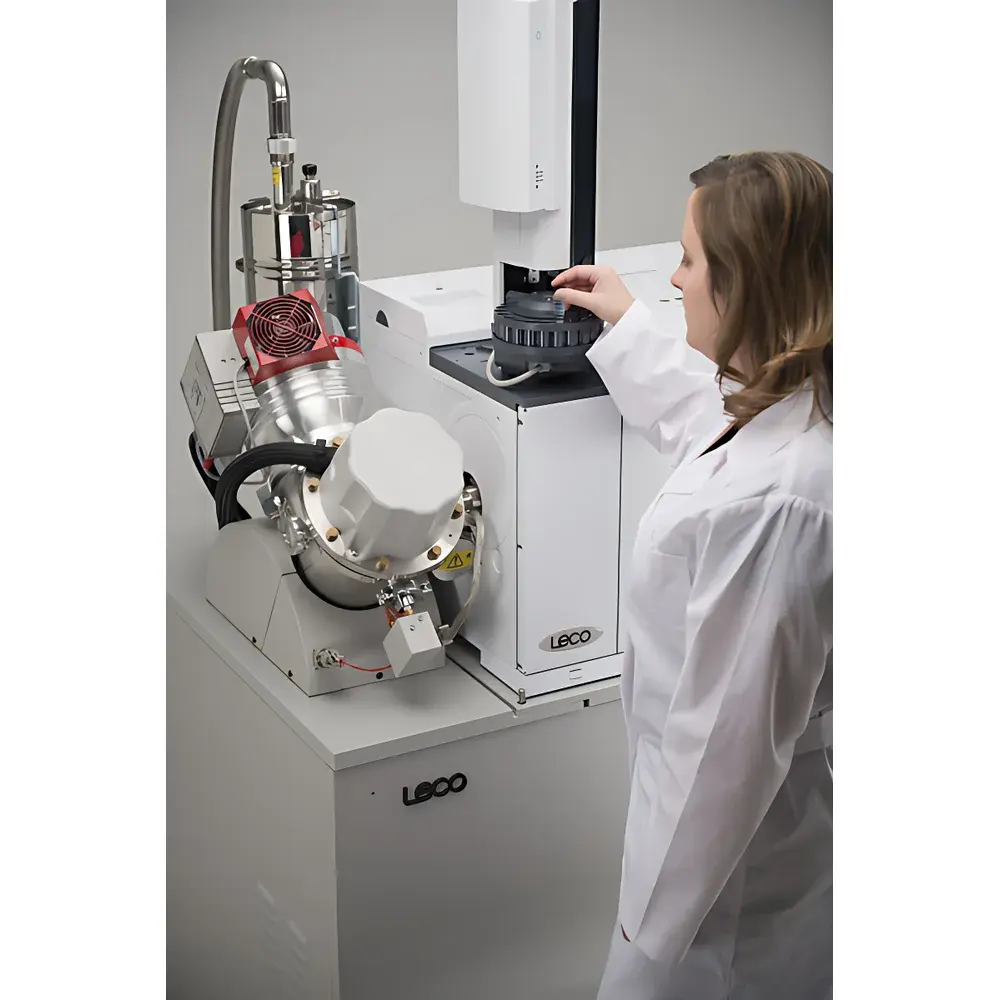
LECO Pegasus 4D Comprehensive Two-Dimensional Gas Chromatography Time-of-Flight Mass Spectrometer
| Brand | LECO |
|---|---|
| Origin | USA |
| Manufacturer | LECO Corporation |
| Instrument Type | GC×GC-TOFMS |
| Model | Pegasus 4D |
| Mass Range | 5–1000 m/z |
| Sensitivity | >100:1 S/N for 1 pg octafluoronaphthalene (OFN) under full-spectrum, high-speed acquisition |
| Acquisition Rate | 500 spectra/sec (5000 Hz) |
| Detector | Dual Microchannel Plate (MCP) Detector |
Overview
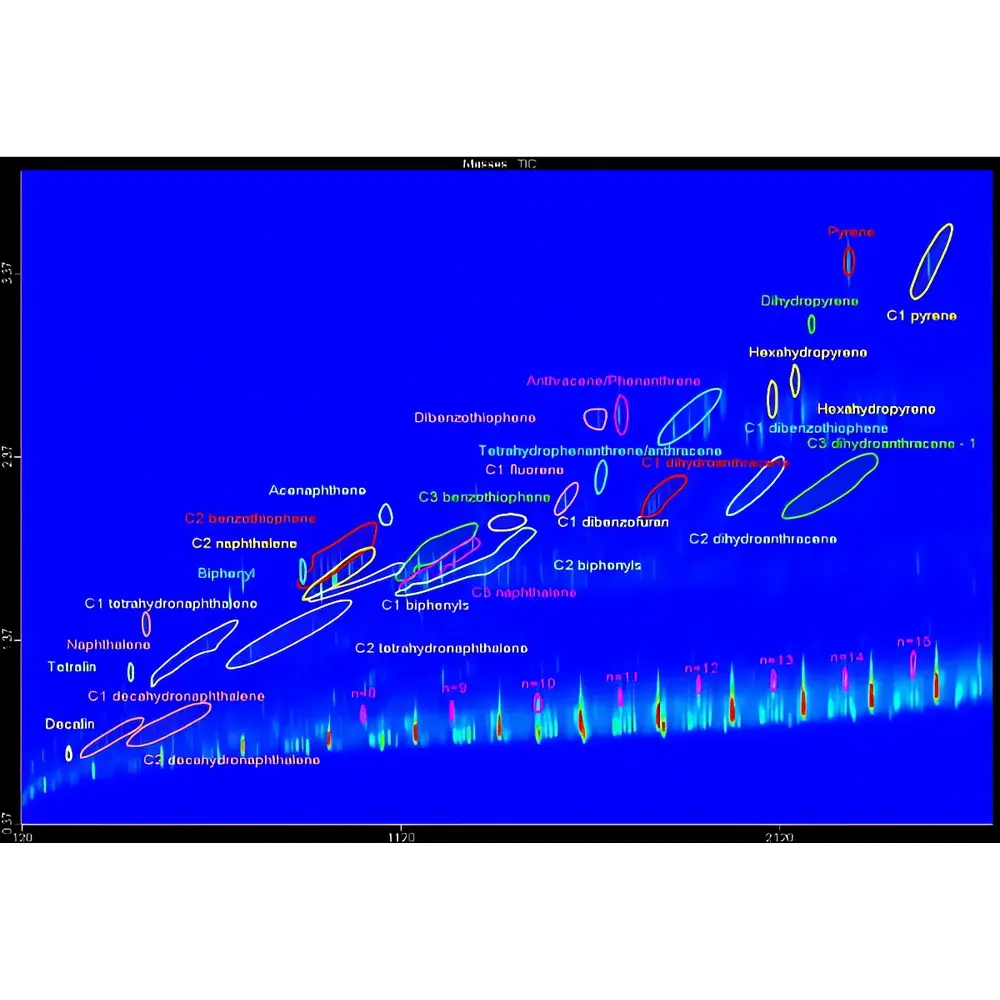
The LECO Pegasus 4D is the world’s first commercially available comprehensive two-dimensional gas chromatography time-of-flight mass spectrometer (GC×GC-TOFMS), engineered to address analytical challenges in ultra-complex matrices where conventional one-dimensional GC-MS reaches fundamental resolution and sensitivity limits. It integrates orthogonal separation—achieved via modulated GC×GC—with high-fidelity, high-speed TOFMS detection governed by physical time-of-flight principles. In GC×GC, analytes are sequentially separated across two independent columns with distinct stationary phase chemistries (e.g., non-polar × polar), enabling enhanced peak capacity (typically 10×–100× greater than 1D-GC), improved signal-to-noise ratio, and structured chromatographic patterns that correlate with compound class (e.g., alkanes, aromatics, oxygenates). Coupled with a TOF mass analyzer operating at 500 full-spectrum acquisitions per second and a dual MCP detector, the Pegasus 4D delivers untargeted, high-dynamic-range, full-scan data without sacrificing mass accuracy (<3 ppm RMS mass error), spectral integrity, or quantitative reproducibility. This architecture supports both discovery-driven workflows—such as untargeted metabolomics or environmental fingerprinting—and targeted confirmation of trace-level compounds in regulated environments.
Key Features
- Two modulator options: (1) Industry-standard dual-jet thermal modulator—digitally programmable cold/hot pulse timing, zero failure rate in field operation, optimized modulation efficiency across C2–C40 volatility range; (2) Consumable-free modulator for cost-sensitive or routine applications.
- GC×GC column configuration flexibility: Independent selection of 1D and 2D column chemistries (e.g., DB-5ms × BPX-50) to tailor separation selectivity by polarity, functional group, or boiling point.
- TOFMS acquisition at 500 spectra/sec with 5000-Hz ionization pulse frequency—enabling retention of narrow GC×GC peaks (FWHM < 100 ms) and complete spectral coverage without duty-cycle loss.
- Dual microchannel plate (MCP) detector delivering high gain stability, extended dynamic range (>5 orders), and low dark current—critical for quantitation in complex backgrounds.
- Integrated hardware synchronization: Precise timing alignment between modulation events, TOF extraction pulses, and data acquisition ensures phase coherence and eliminates spectral skew.
- ChromaTOF software platform: Single-interface control for instrument operation, real-time data processing, and post-run analysis—fully compliant with GLP/GMP documentation requirements including audit trail, electronic signatures, and 21 CFR Part 11–ready configuration.
Sample Compatibility & Compliance
The Pegasus 4D is validated for direct injection, split/splitless, and programmed temperature vaporization (PTV) inlet configurations, accommodating volatile and semi-volatile organic compounds (VOCs/SVOCs) from diverse sample types—including petrochemical distillates, biological extracts, food volatiles, environmental soil/water extracts, and botanical essential oils. Its GC×GC peak deconvolution capability enables robust analysis in matrices with extreme dynamic range (e.g., 106:1 concentration ratios), such as dioxin congeners in fly ash or trace pesticides in fortified fruit homogenates. The system meets ASTM D7213 (petroleum hydrocarbon typing), EPA Method 8270/8272 (semivolatiles), and ISO 17993 (food aroma profiling) data quality criteria when operated with certified reference materials and calibrated using NIST-traceable standards. Full audit trail logging, method version control, and raw-data immutability support FDA, EMA, and OECD regulatory submissions.
Software & Data Management
ChromaTOF v5.x serves as the unified software backbone—controlling all hardware modules while performing real-time peak detection, spectral deconvolution, library matching (NIST, Wiley, custom libraries), and quantitative calibration. Its Automated Peak Find™ algorithm detects chromatographic features down to sub-baseline noise levels using adaptive thresholding and retention time modeling. True Signal Deconvolution™ resolves co-eluting peaks with ≥0.01 s retention time difference, reconstructing clean mass spectra for accurate identification. Matrix Management™ handles batch-processing of unknown samples, dynamically subtracting background contributions and normalizing responses across heterogeneous sample sets. Statistical Compare™ implements ANOVA, PCA, and ROC-based biomarker discovery for metabolomics and exposomics studies. All processing workflows are scriptable, exportable, and fully traceable—supporting ISO/IEC 17025 laboratory accreditation requirements.
Applications
- Petroleum & fuels: Hydrocarbon class analysis (PIONA), biomarker profiling, additive degradation monitoring
- Environmental analysis: POPs (PCBs, PCDD/Fs, PBDEs), pesticide multiresidue screening, atmospheric VOC speciation
- Food & flavor: Authenticity verification, off-flavor tracing, Maillard reaction product mapping
- Pharmaceutical & natural products: Volatile impurity profiling, herbal essential oil chemotyping, stability-indicating assays
- Clinical & metabolomics: Urinary organic acid panels, breath biomarker discovery, lipidomic subclass separation
- Forensics & doping control: Broad-spectrum screening of stimulants, narcotics, and novel psychoactive substances (NPS)
FAQ
What distinguishes GC×GC-TOFMS from conventional GC-quad-MS or GC-trap-MS?
GC×GC provides orthogonal separation that increases peak capacity and reduces co-elution; TOFMS delivers full-spectrum, high-speed acquisition without sacrificing mass accuracy or dynamic range—enabling true untargeted analysis unlike SIM or MRM-limited scanning modes.
Is method transfer possible from existing 1D-GC-MS methods?
Yes—ChromaTOF includes method migration tools that auto-convert retention indices, optimize modulation parameters, and recommend 2D column pairings based on original 1D separation goals.
How does the system handle high-background samples like crude oil or sewage sludge?
Automated Matrix Management™ applies iterative background subtraction, retention time-aligned normalization, and isotopic pattern filtering to isolate low-abundance analytes within orders-of-magnitude dominant interferences.
Can the Pegasus 4D support regulated quantitative workflows?
Yes—when configured with internal standard calibration, QC check routines (blank, tune, calibration, retention index), and ChromaTOF’s 21 CFR Part 11–compliant audit trail, it meets ICH Q2(R2) validation requirements for bioanalytical and environmental quantitation.
What maintenance intervals are recommended for the thermal modulator and TOF detector?
The dual-jet modulator requires no consumables and operates maintenance-free for >10,000 injections; the MCP detector is rated for >2 years of continuous operation under typical lab usage—both supported by LECO’s global service network and predictive diagnostics firmware.






