
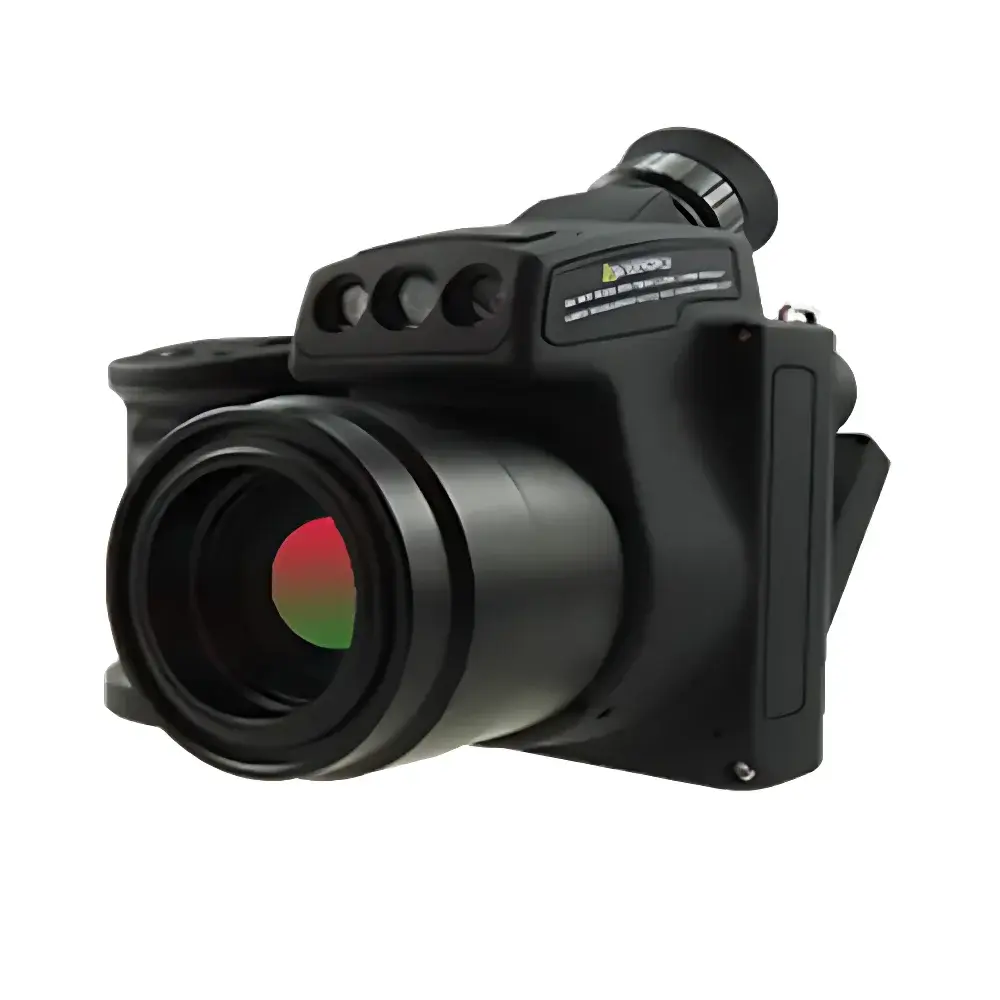
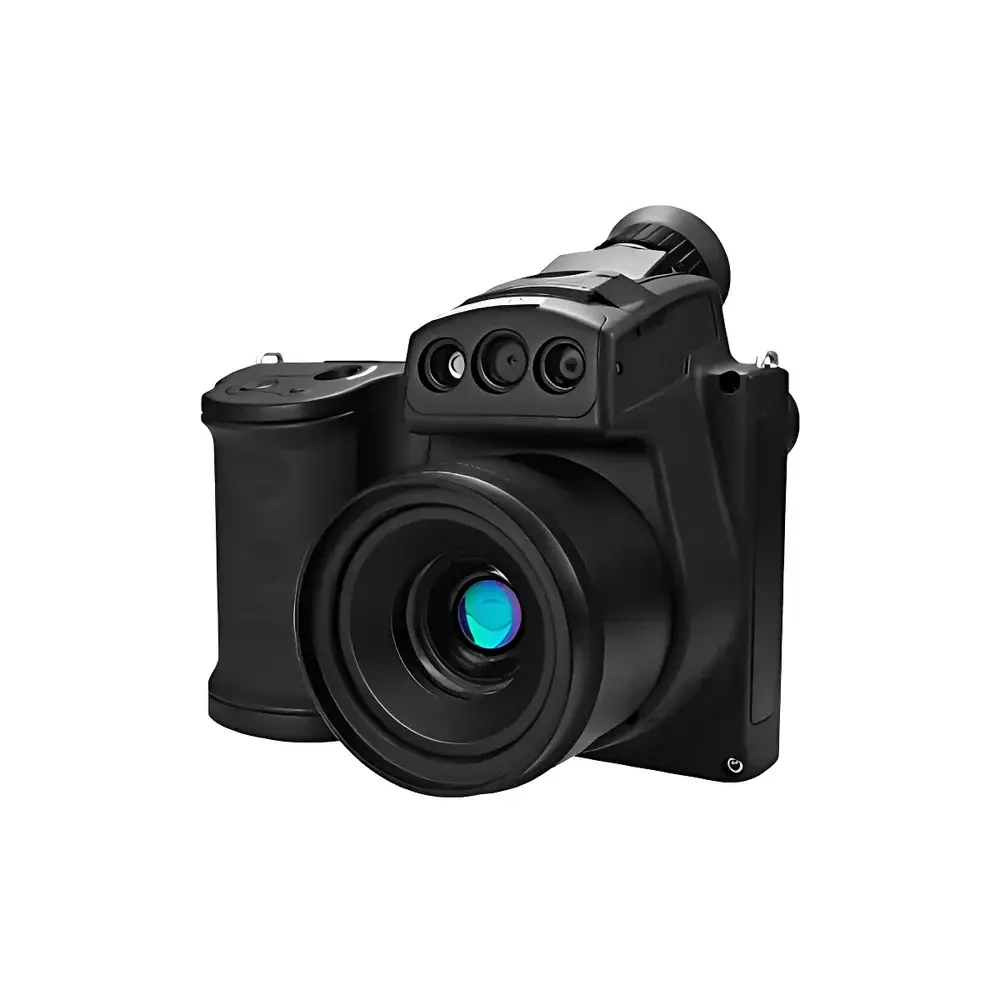
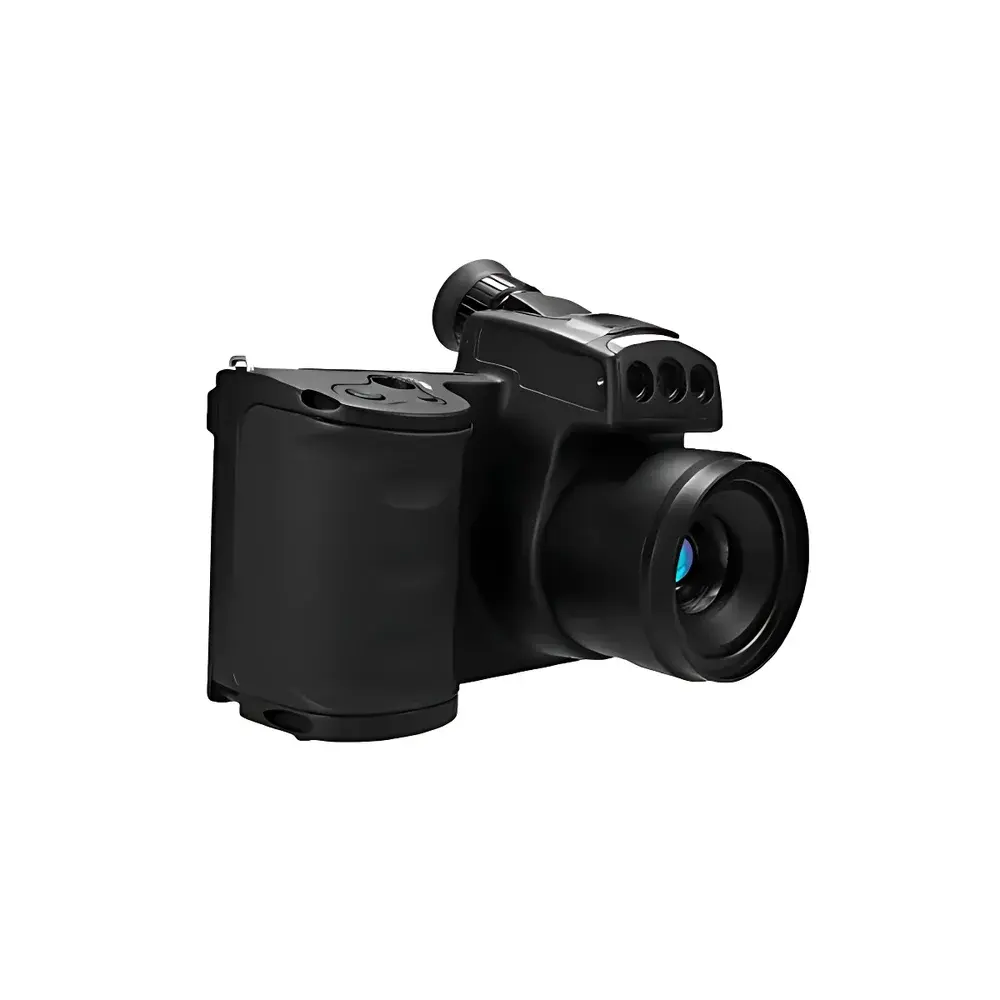
LESHI GIR310 Handheld Long-Wave Infrared Optical Gas Imaging Camera for SF₆ Leak Detection
| Brand | Leshi |
|---|---|
| Origin | Beijing, China |
| Manufacturer Type | Authorized Distributor |
| Country of Origin | China |
| Model | GIR310 |
| Cooling Type | Uncooled Microbolometer |
| Measurement Method | Non-contact Passive Imaging |
| Primary Function | Optical Gas Imaging (OGI) & Radiometric Thermography |
| Detector Type | VOx Microbolometer |
| Spectral Band | 8–12 µm (LWIR), with Interchangeable Gas-Specific Bandpass Filters |
| Thermal Sensitivity (NETD) | ≤0.1 °C @ 30 °C |
| IR Resolution | 384 × 288 pixels |
| Temperature Range | –20 °C to +650 °C |
| Accuracy | ±3 °C or ±3% of reading (whichever is greater) |
| Frame Rate | 50 Hz ±1 Hz |
| Display | High-resolution articulating LCD with dual-band fusion capability |
| Gas Targets | SF₆, CH₄, NH₃, CFCs/HCFCs/HFCs (R-134a, R-410A, etc.) |
Overview
The LESHI GIR310 is a handheld long-wave infrared (LWIR) optical gas imaging (OGI) camera engineered for real-time, non-contact visualization and localization of gaseous leaks—specifically optimized for sulfur hexafluoride (SF₆) in high-voltage electrical infrastructure. Unlike conventional point-sensor leak detectors, the GIR310 leverages passive infrared absorption contrast: SF₆ exhibits strong, characteristic absorption within the 10.5–10.7 µm spectral window under ambient thermal background conditions. By integrating a tunable bandpass filter wheel (standard configuration includes SF₆-optimized and broadband LWIR filters), the instrument enables rapid switching between gas-specific imaging mode and full radiometric thermography—without lens replacement or external calibration hardware. Its uncooled vanadium oxide (VOx) microbolometer detector delivers stable, low-drift performance across industrial operating temperatures (–10 °C to +50 °C ambient), making it suitable for substation patrols, GIS maintenance, and switchgear commissioning under variable environmental loads.
Key Features
- Single-instrument dual functionality: simultaneous SF₆-specific OGI and quantitative thermal mapping via selectable spectral filtering
- 384 × 288 VOx microbolometer with NETD ≤0.1 °C @ 30 °C—enabling detection of sub-millimeter SF₆ plumes at distances up to 15 m (dependent on concentration, wind speed, and background ΔT)
- 50 Hz frame rate with real-time motion-compensated image processing—critical for scanning moving components or transient leak events
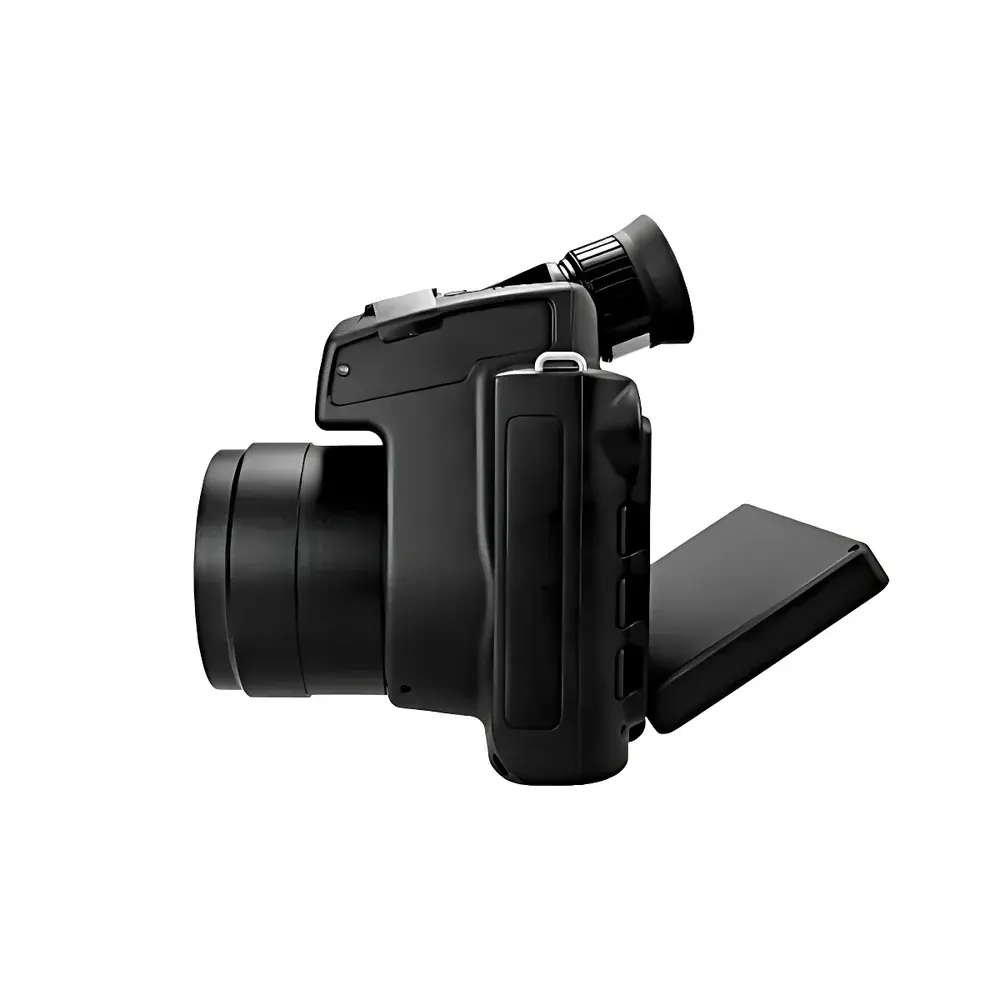
- Articulating high-brightness LCD display supporting dual-band fusion: overlaying gas plume contours onto calibrated thermal imagery for contextual leak source identification
- IP54-rated ruggedized housing with ergonomic grip and integrated laser pointer for precise spatial referencing during field inspections
- Onboard GPS tagging, voice annotation, and timestamped radiometric video export compliant with IEC 62495 and IEEE C37.122.3 documentation requirements
Sample Compatibility & Compliance
The GIR310 is validated for qualitative and semi-quantitative detection of SF₆ at concentrations ≥100 ppm·m (path-integrated) under typical outdoor substation conditions. It also supports regulatory-compliant inspection workflows per ISO 16000-22 (indoor air quality), ASTM D7520-20 (OGI method for halocarbon detection), and CIGRE TB 729 (SF₆ leak management in HV equipment). While not certified for SIL-rated safety functions, its output meets GLP-aligned data integrity standards: all radiometric images embed EXIF metadata (emissivity, humidity, distance, filter ID), and firmware enforces audit-trail logging for user actions and parameter changes—facilitating traceability during third-party audits or internal QA reviews.
Software & Data Management
The included LESHI OGI Studio desktop application supports post-acquisition analysis including plume trajectory estimation, comparative thermal baseline subtraction, and automated leak severity grading (per EPRI TR-102703 thresholds). Export formats include standard JPEG2000 (.jp2) with embedded radiometric data, CSV time-series logs, and MP4 video with synchronized thermal and gas-contrast layers. Software complies with FDA 21 CFR Part 11 requirements for electronic records: digital signatures, role-based access control, and immutable audit trails are enforced for report generation and calibration certificate archival.
Applications
- Preventive maintenance of gas-insulated switchgear (GIS), circuit breakers, and SF₆-filled transformers
- Commissioning verification and post-repair leak validation in accordance with IEC 62271-1 and DL/T 618-2011
- Environmental compliance monitoring for F-gas Regulation (EU No. 517/2014) reporting obligations
- Emergency response assessment following pressure vessel anomalies or valve failures
- Thermal health screening of busbars, connections, and insulators concurrent with gas survey operations
FAQ
Does the GIR310 provide quantitative concentration measurements (ppm/m)?
No—it delivers qualitative and semi-quantitative plume visualization based on absorption contrast. Quantification requires correlation with reference gas cells or complementary sniffer-probe validation per ASTM D7520 Annex A3.
Can the filter wheel be customized for other gases beyond SF₆?
Yes—optional bandpass filters are available for CH₄ (7.6–7.8 µm), NH₃ (10.3–10.6 µm), and common refrigerants (e.g., R-134a at 10.8–11.0 µm), subject to factory calibration and spectral verification.
Is the device compatible with enterprise asset management (EAM) platforms?
Yes—via RESTful API integration; thermal videos and metadata can be ingested into IBM Maximo, SAP PM, or Schneider EcoStruxure Asset Advisor using standardized JSON payloads.
What is the recommended recalibration interval?
Annual factory recalibration is advised; field verification using NIST-traceable blackbody sources (±0.5 °C uncertainty) is supported via built-in shutterless NUC routines.
Does the GIR310 meet ATEX or IECEx certification for use in hazardous areas?
No—it is rated for Zone 2 / Class I Div 2 environments only; intrinsic safety certification is not provided. Use in classified locations requires additional barrier systems or remote deployment protocols.




