
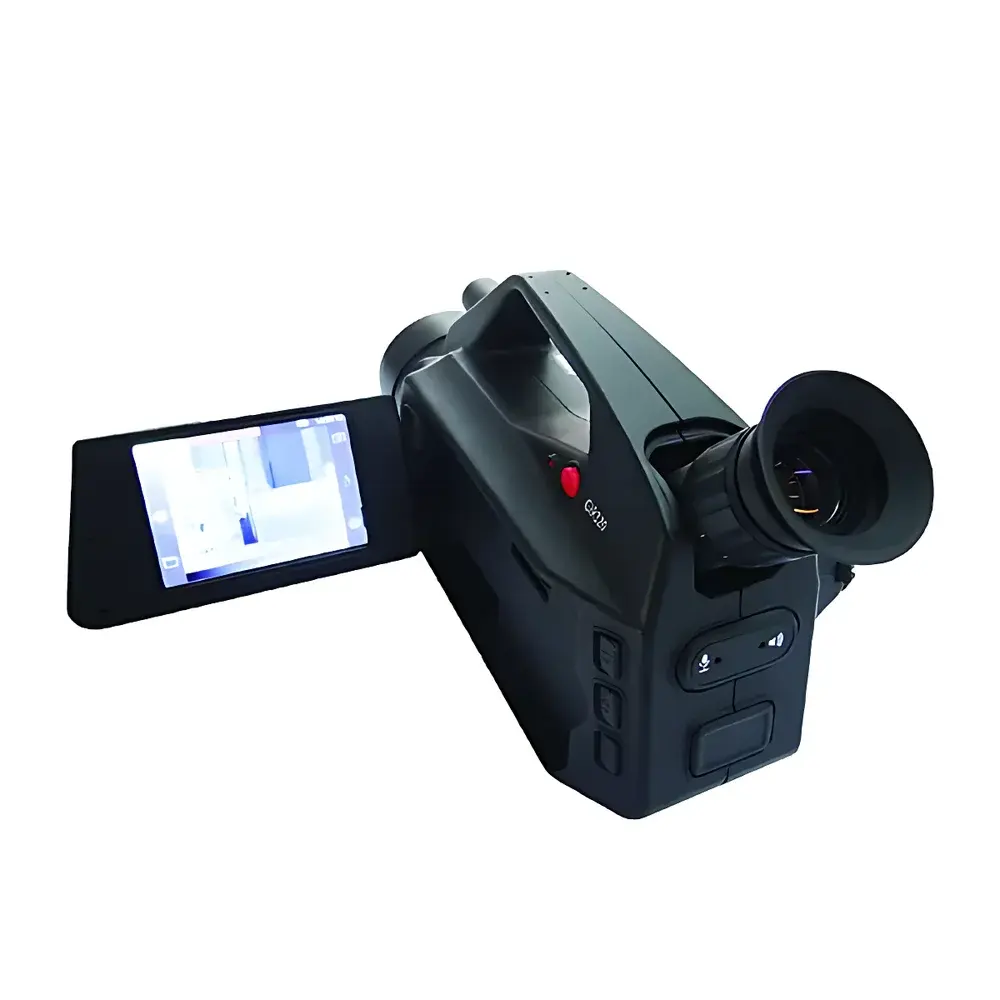
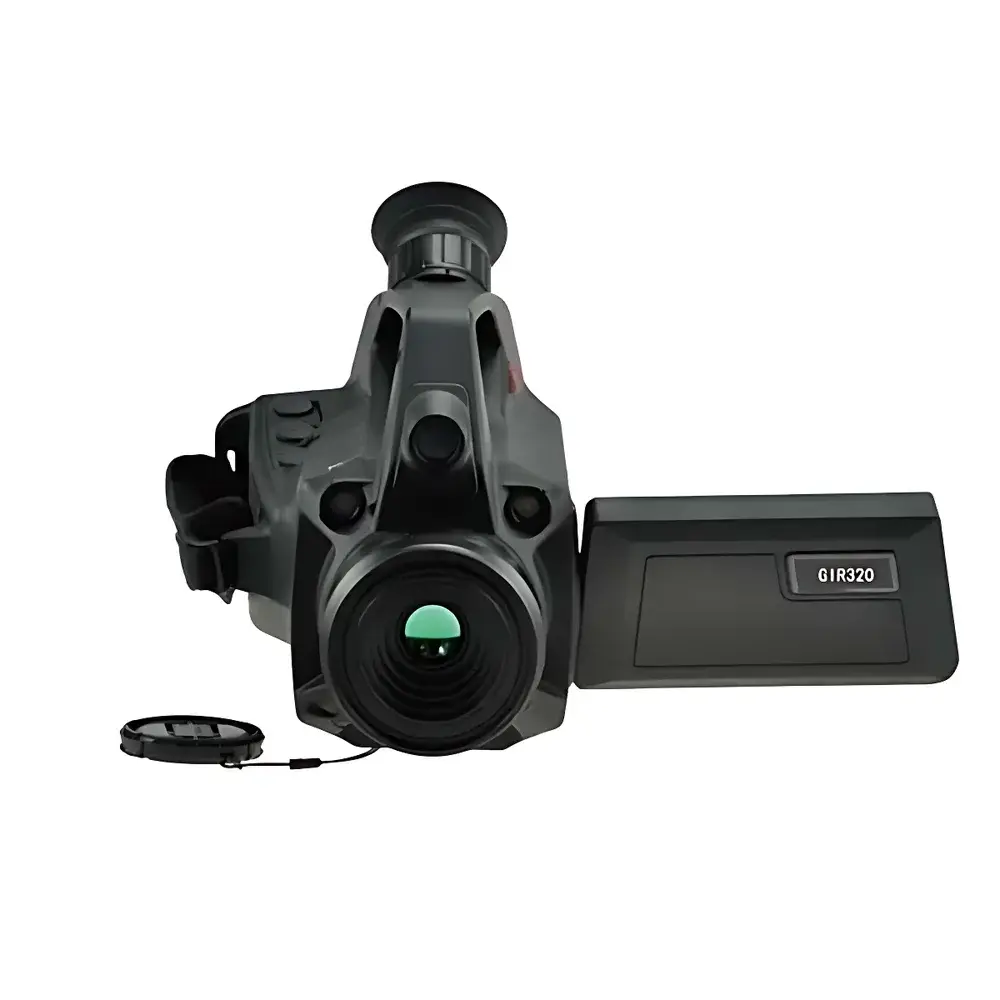
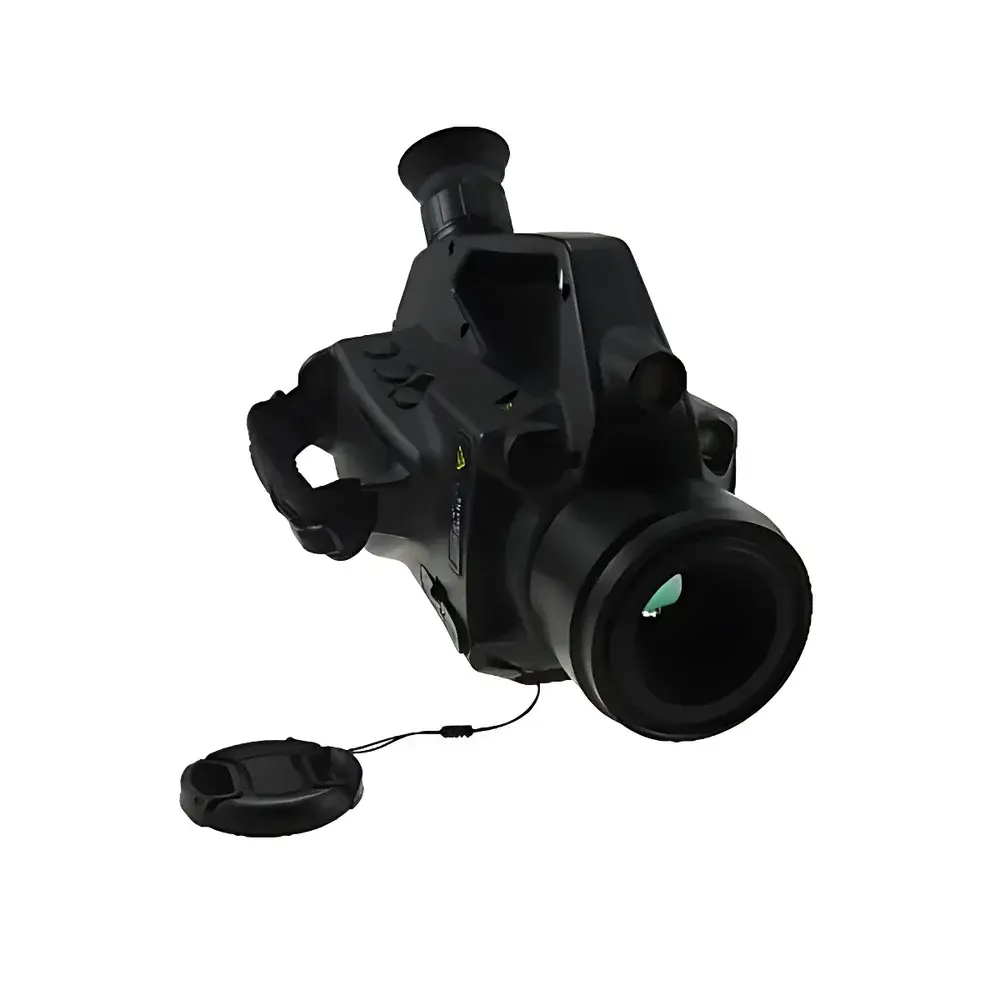
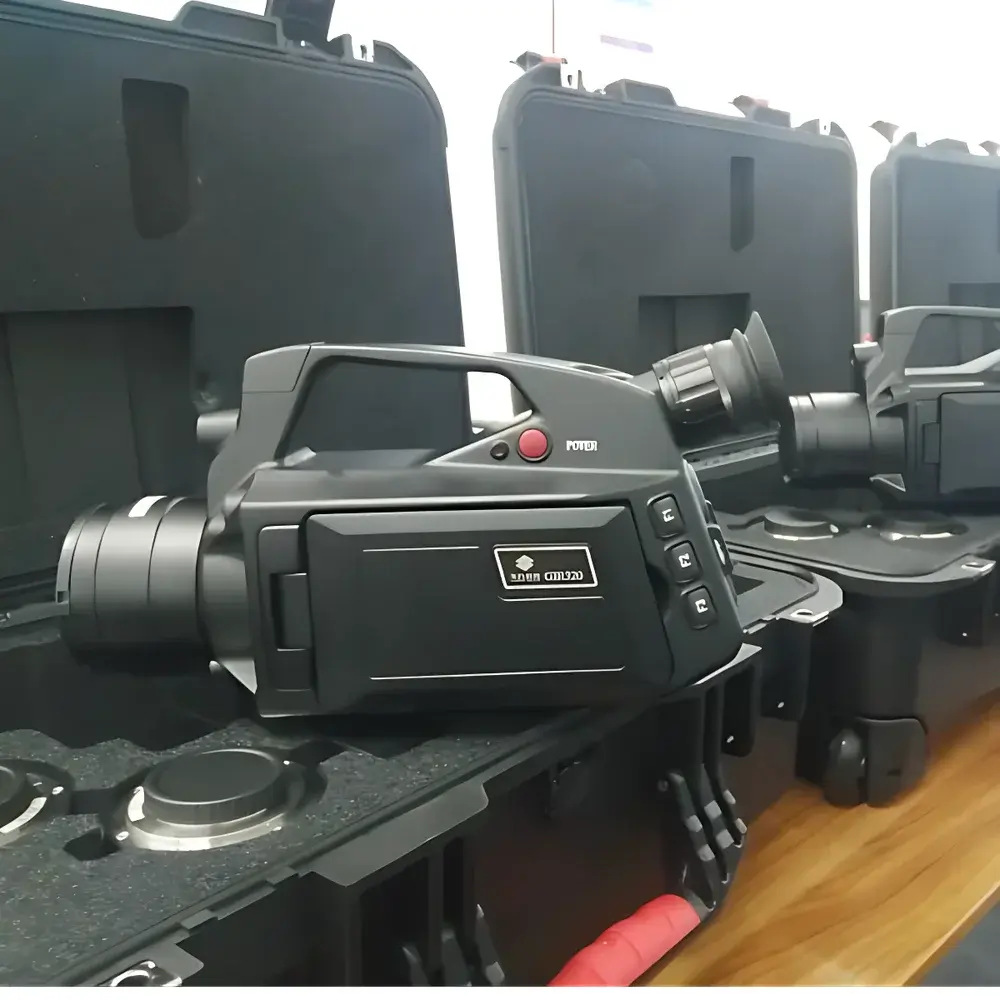
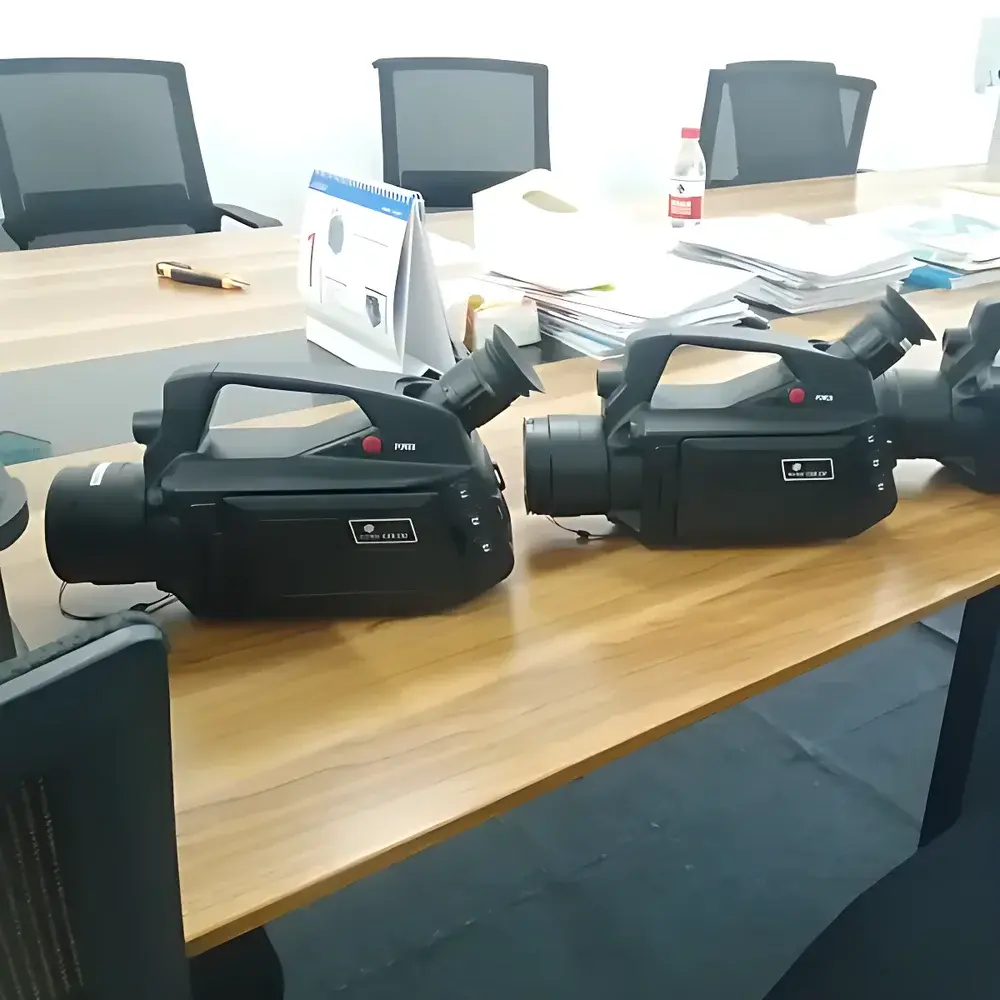
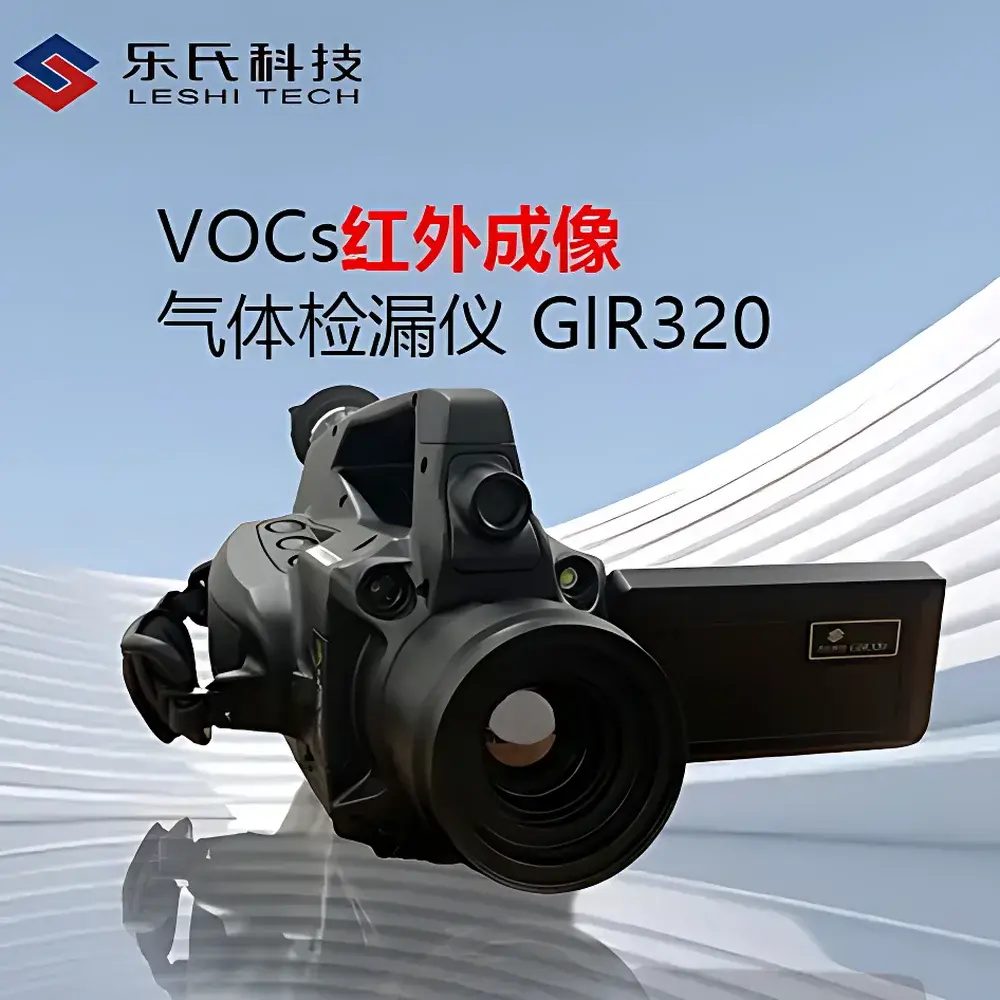
LESHI GIR320 Portable Optical Gas Imaging (OGI) Camera for VOC and Methane Leak Detection
| Brand | Leshi |
|---|---|
| Origin | Beijing, China |
| Manufacturer Type | Authorized Distributor |
| Country of Origin | China |
| Model | GIR320 |
| Detection Principle | Passive Mid-Wave Infrared (MWIR) Optical Gas Imaging (OGI) |
| Instrument Type | Portable |
| Configuration | Multi-gas VOC & hydrocarbon imaging detector |
| Sampling Method | Non-contact passive imaging |
| Temperature Range | −40 °C to 350 °C |
| Resolution | Adjustable spatial resolution (detector-limited) |
| Accuracy | Temperature-dependent radiometric calibration |
| Response Time | <60 s for transient plume detection |
Overview
The LESHI GIR320 is a portable, passive mid-wave infrared (MWIR) optical gas imaging (OGI) camera engineered for real-time, non-contact visualization and localization of volatile organic compounds (VOCs) and methane emissions. It operates on the physical principle of differential infrared absorption: gaseous hydrocarbons—including but not limited to methane, ethane, propane, benzene, toluene, xylene, and chlorinated solvents—exhibit characteristic vibrational-rotational absorption bands in the 3.2–3.4 µm MWIR spectral window. The GIR320 integrates a cooled indium antimonide (InSb) focal plane array detector with high thermal sensitivity (<30 mK NETD), enabling it to detect minute temperature differentials between background radiation and gas-phase absorption signatures. Unlike active laser-based or point-sensor methods, the GIR320 requires no external illumination, calibration gas, or physical sampling—making it ideal for rapid survey of large industrial perimeters, elevated piping, flanges, valves, and storage tanks from safe standoff distances up to 30 meters. Its passive OGI architecture complies with EPA OOOOa, OOOOb, and Method 21 verification protocols when used within defined operational constraints.
Key Features
- Passive MWIR optical gas imaging technology—no laser source, no consumables, no background gas purging required
- Cooled InSb detector (320 × 256 pixels) with adjustable spatial resolution optimized for hydrocarbon plume contrast enhancement
- Ergonomic magnesium-aluminum alloy housing: weight <2.8 kg, one-handed operation, intuitive button layout with glove-compatible tactile feedback
- Dual-display system: 4.3-inch high-brightness color LCD (1000 cd/m²) + rotatable electronic viewfinder (EVF) for glare-resistant field use
- Three operational imaging modes: Standard IR (radiometric thermal imaging), Gas Enhancement Mode (dynamic background subtraction + spectral contrast amplification), and Visible Light (for co-registered visual documentation)
- Instrument-certified intrinsic safety rating (IECEx/ATEX Zone 1, Class I Div 1) for hazardous area deployment
- Onboard image annotation, timestamping, GPS tagging, and customizable measurement palettes (ironbow, grayscale, high-contrast VOC)
- Internal storage: 64 GB SSD + hot-swappable dual battery system supporting >4.5 hours continuous operation
Sample Compatibility & Compliance
The GIR320 is validated for qualitative detection of over 400 VOCs and light hydrocarbons whose fundamental C–H stretch absorption falls within the 3.2–3.4 µm band—including alkanes, alkenes, aromatics, ketones, esters, and halogenated compounds. It does not provide quantitative concentration values (ppm·m) without ancillary calibration against known release rates (e.g., using EPA OTM-33A reference methodology). The instrument meets ISO 17025 traceability requirements for field instrumentation when operated under documented procedures. It supports audit-ready data export compliant with GLP and internal environmental management systems (EMS), including metadata-rich .seq and .jpg file formats compatible with third-party reporting platforms (e.g., LDAR Pro, EnviroTrak). While not FDA 21 CFR Part 11 certified as a standalone device, its raw image logs satisfy EPA OOOOa §63.1000 recordkeeping mandates for leak detection surveys.
Software & Data Management
The GIR320 ships with LESHI OGI Studio v3.2 desktop software for post-processing, report generation, and spectral signature correlation. Users may perform frame-by-frame plume trajectory analysis, generate annotated PDF inspection reports with embedded geotagged stills and video clips (.mp4, H.264 encoded), and export time-stamped CSV logs containing ambient temperature, humidity, wind speed (via optional Bluetooth anemometer pairing), and operator ID. All onboard recordings include embedded EXIF metadata: lens focal length, integration time, detector temperature, and firmware revision. Data integrity is preserved via SHA-256 hash generation per session file, ensuring tamper-evident chain-of-custody for regulatory submissions.
Applications
- Refinery and petrochemical facility LDAR (Leak Detection and Repair) programs per EPA 40 CFR Part 60/63
- Offshore platform fugitive emission screening during routine maintenance windows
- Biogas plant digester cover and flare stack integrity assessment
- Chemical manufacturing site valve, pump seal, and flange inspection
- Gas distribution utility pipeline corridor surveillance (compressor stations, metering skids)
- Environmental consulting firms conducting Tier 2/3 OGI audits for ESG reporting
- Power generation facilities monitoring turbine lube oil vapor leaks and transformer DGA byproduct emissions
FAQ
Does the GIR320 quantify gas concentration in ppm or %LEL?
No—the GIR320 is a qualitative imaging tool designed for leak localization and prioritization. Quantitative estimation requires supplementary modeling (e.g., OTM-33A) or integration with point sensors.
Can it detect CO₂ or SF₆?
No—its MWIR spectral response is optimized for C–H bond absorption. CO₂ (4.26 µm) and SF₆ (10.6 µm) fall outside its native detection band.
Is training required for regulatory compliance?
Yes—EPA OOOOa mandates documented operator competency. LESHI provides ASTM E2912-compliant OGI certification courses upon purchase.
What environmental conditions limit detection sensitivity?
Heavy rain, fog, or snow attenuates MWIR transmission; optimal performance occurs at relative humidity <80% and ambient temperatures between −10 °C and 40 °C.
How often must the detector be recalibrated?
Factory recalibration is recommended every 12 months or after 2,000 operating hours, whichever occurs first, to maintain radiometric accuracy and NETD specification.
Related Products







