
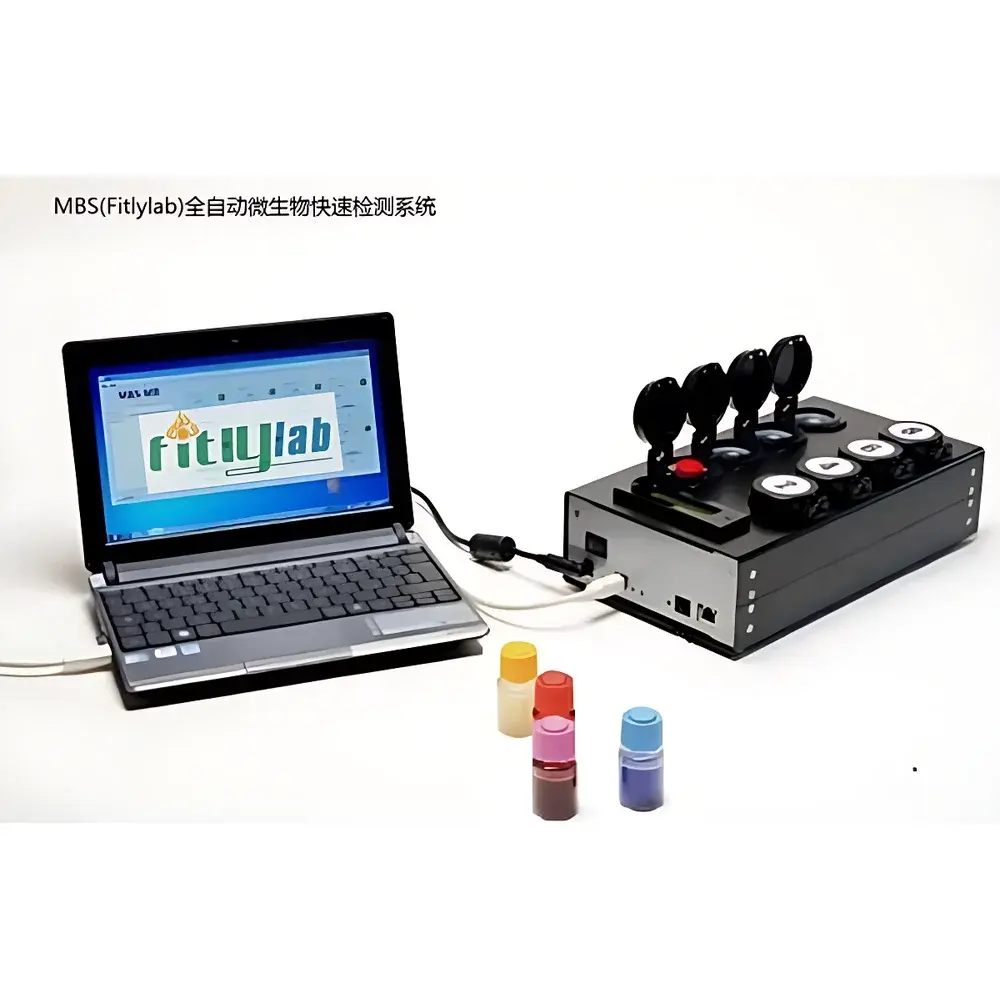
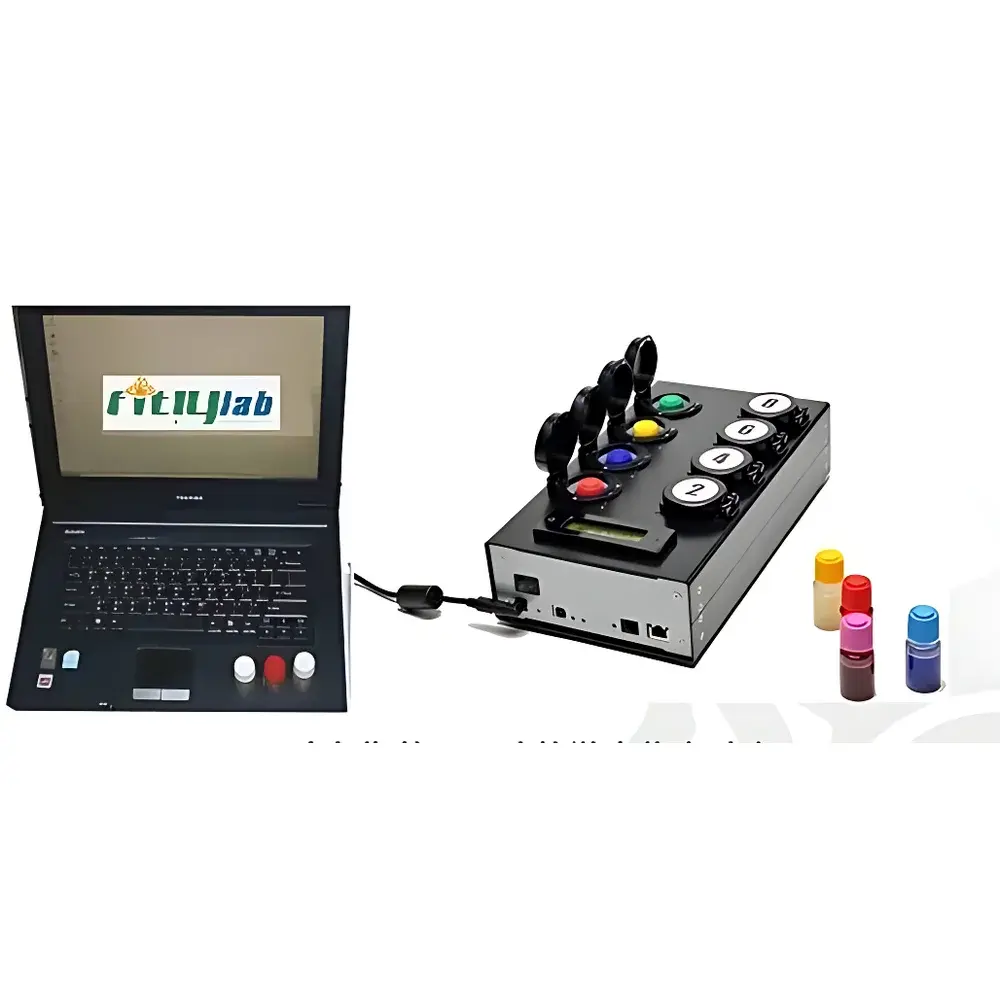
MBS Fitlylab-L05 Portable Automated Microbial Detection System for *Pseudomonas aeruginosa*
| Key | Brand: MBS.SRL |
|---|---|
| Origin | Italy |
| Type | Semi-Automatic Microbial Detection System |
| Throughput | 8 independent channels |
| Filter Cup Capacity | 11 mL |
| Filter Membrane Diameter | 47 mm |
| Detection Principle | Multi-modal (respirometric + enzymatic + immunogenic + nucleic acid–enhanced colorimetric assay) |
| Certified to ISO 16140 | 2003 (validation of alternative methods in food microbiology) and ISO/IEC 17025:2005 (general requirements for competence of testing and calibration laboratories) |
Overview
The MBS Fitlylab-L05 is a portable, semi-automated microbial detection system engineered for rapid, quantitative enumeration of Pseudomonas aeruginosa—a critical opportunistic pathogen regulated in water safety, food hygiene, pharmaceutical manufacturing, and clinical environmental monitoring. Unlike conventional culture-based methods requiring 24–72 hours, the Fitlylab-L05 leverages a proprietary multi-modal detection principle integrating respirometric metabolism, β-glucuronidase enzymatic activity, antigen recognition, and nucleic acid–enhanced signal amplification within a closed, single-use VL detection vial. The system measures real-time changes in redox-sensitive chromogenic substrates via simultaneous tri-wavelength photometric detection (450 nm, 540 nm, 630 nm), enabling precise kinetic profiling of color transition inflection points. This optical signature correlates directly with viable cell concentration (CFU/mL or CFU/g), delivering quantitative results in as little as 4–8 hours—with sensitivity down to 1 CFU per sample and specificity exceeding 99.999% against closely related Pseudomonas species and non-target flora.
Key Features
- Eight fully independent detection channels—each thermally regulated and programmable for customized incubation profiles (20–45 °C range), supporting concurrent analysis of heterogeneous samples (e.g., water, milk, swab eluates, homogenized tissue).
- Tri-wavelength photometric sensor array (blue, green, red) eliminates interference from turbidity, particulates, or background matrix absorbance—critical for raw food extracts, surface rinse fluids, and aerosol-collected condensates.
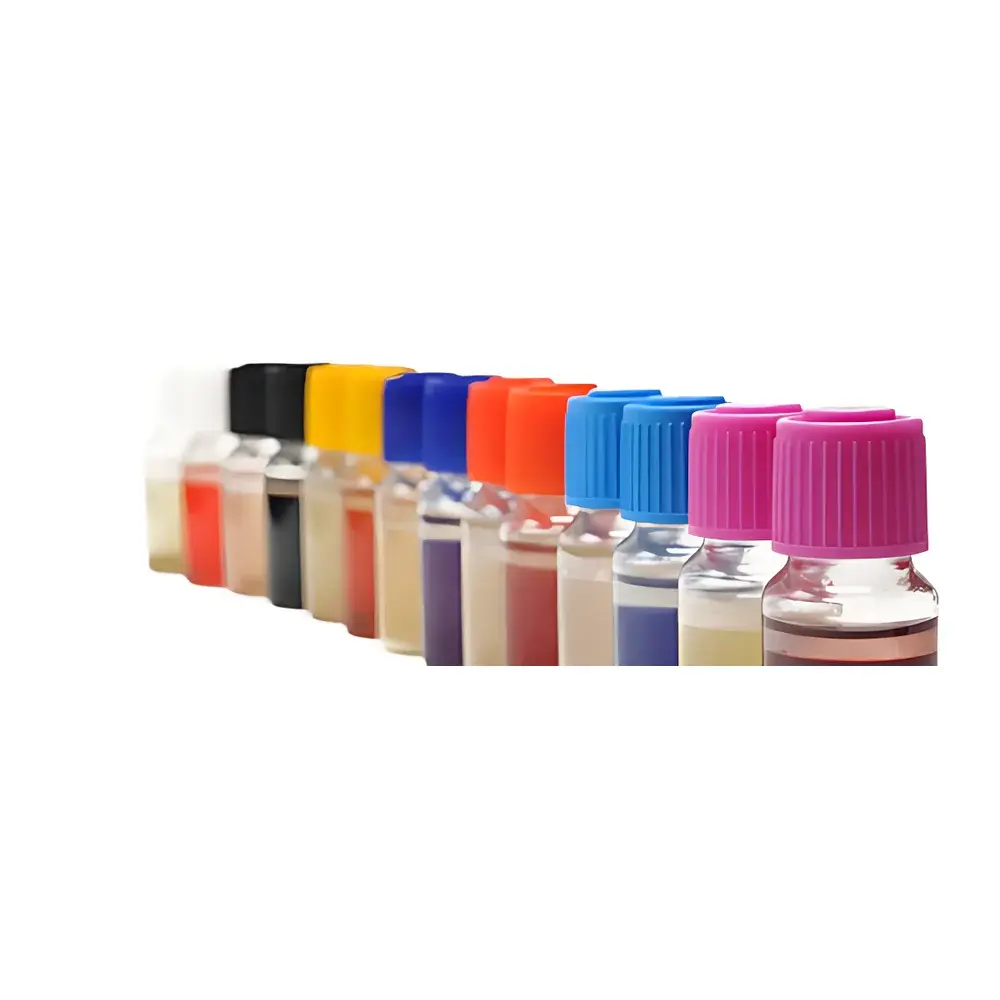
- VL detection vials integrate selective nutrients, metabolic inhibitors, and redox mediators optimized for P. aeruginosa growth and enzymatic expression; no pre-enrichment, centrifugation, or filtration required for most sample types.
- Automated data acquisition and reporting: instrument generates timestamped PDF reports compliant with GLP documentation standards—including raw kinetic curves, inflection time (Tinf), calculated CFU values, pass/fail flags based on user-defined acceptance criteria.
- Self-contained biosafety design: all reactions occur within sealed, autoclavable vials; post-assay vials undergo integrated UV-C sterilization prior to disposal, eliminating aerosol risk and meeting OSHA and EU Directive 2000/54/EC biosafety requirements.
- FDA 21 CFR Part 11–ready software architecture with audit trail, electronic signatures, and role-based access control—validated for use in GMP-regulated environments including pharmaceutical water system monitoring and cosmetic challenge testing.
Sample Compatibility & Compliance
The Fitlylab-L05 accepts liquid, solid, semi-solid, and surface-swab samples without extraction or dilution steps. Validated matrices include potable and recreational water (ISO 19458), pasteurized and raw milk (ISO 4833-1), meat homogenates (ISO 6887-1), fresh produce rinses (ISO 18593), and environmental swabs from stainless steel, plastic, and porous surfaces (ISO 18593 and ASTM E2967). All VL vials are certified to ISO 16140:2003 for equivalence validation against reference methods for P. aeruginosa. Internal validation reports from the National Light Industry Food Quality Supervision and Inspection Center (Nanjing) confirm method equivalence across ≥1000 inter-laboratory trials. The system meets ISO/IEC 17025:2005 requirements for measurement uncertainty estimation, traceability to NIST-traceable controls, and ongoing performance verification using certified reference materials (CRM-PA-01, LGC Standards).
Software & Data Management
Fitlylab Control Software (v5.2+, English/Chinese bilingual interface) provides full lifecycle data governance: automated calibration logging, QC charting (Levey-Jennings), batch-level trend analysis, and export to LIMS via ASTM E1384-compliant XML schema. All raw photometric time-series data are stored in encrypted SQLite databases with SHA-256 hashing. Audit trails record operator ID, parameter changes, report generation events, and instrument status—fully compliant with FDA 21 CFR Part 11 Subpart B and EU Annex 11 for computerized system validation. Remote diagnostics and firmware updates are supported over secure TLS 1.3 connections; no cloud storage of sensitive microbiological data.
Applications
- Water utilities: routine monitoring of distribution systems, cooling towers, and hospital plumbing per HTM 04-01 and USP .
- Food & beverage QA/QC: HACCP verification at critical control points (CCPs), shelf-life studies, and supplier qualification under BRCGS Issue 9 and IFS Food v7.
- Pharmaceutical manufacturing: compressed air and purified water bioburden trending per EU GMP Annex 1 and USP .
- Public health labs: rapid response screening during outbreak investigations (e.g., cystic fibrosis clinic environmental surveillance).
- Contract testing laboratories: accredited method delivery for ISO/IEC 17025 scope expansion in microbiological enumeration.
FAQ
What regulatory standards does the Fitlylab-L05 comply with?
The system and its VL vials are validated per ISO 16140:2003 for alternative method equivalence and meet ISO/IEC 17025:2005 requirements for testing laboratory competence. It supports compliance with USP , EP 2.6.13, and pharmacopoeial water testing protocols.
Can the instrument detect other microorganisms beyond P. aeruginosa?
Yes—the platform supports parallel detection of E. coli, Salmonella, Staphylococcus aureus, Listeria monocytogenes, total viable count (TVC), and coliforms using application-specific VL vial formulations—all sharing the same hardware and software infrastructure.
Is method validation required before implementation in a GMP lab?
While the system holds ISO 16140:2003 certification, site-specific operational qualification (OQ) and performance qualification (PQ) per ICH Q5D and EU Annex 15 are required to demonstrate fitness-for-purpose under actual process conditions.
How is sample carryover prevented between runs?
Each VL vial is single-use and internally sterilized post-analysis via integrated UV-C irradiation (254 nm, ≥40 mJ/cm²); the MBS-MR host employs positive-pressure HEPA-filtered airflow and disposable optical path components to eliminate cross-contamination.
What maintenance is required for long-term reliability?
Annual photometric calibration using NIST-traceable neutral density filters and quarterly verification with CRM-PA-01 reference standards are recommended. No consumable optics or fluidic lines require replacement—only VL vials and sterile swabs are recurring items.
Related Products




