
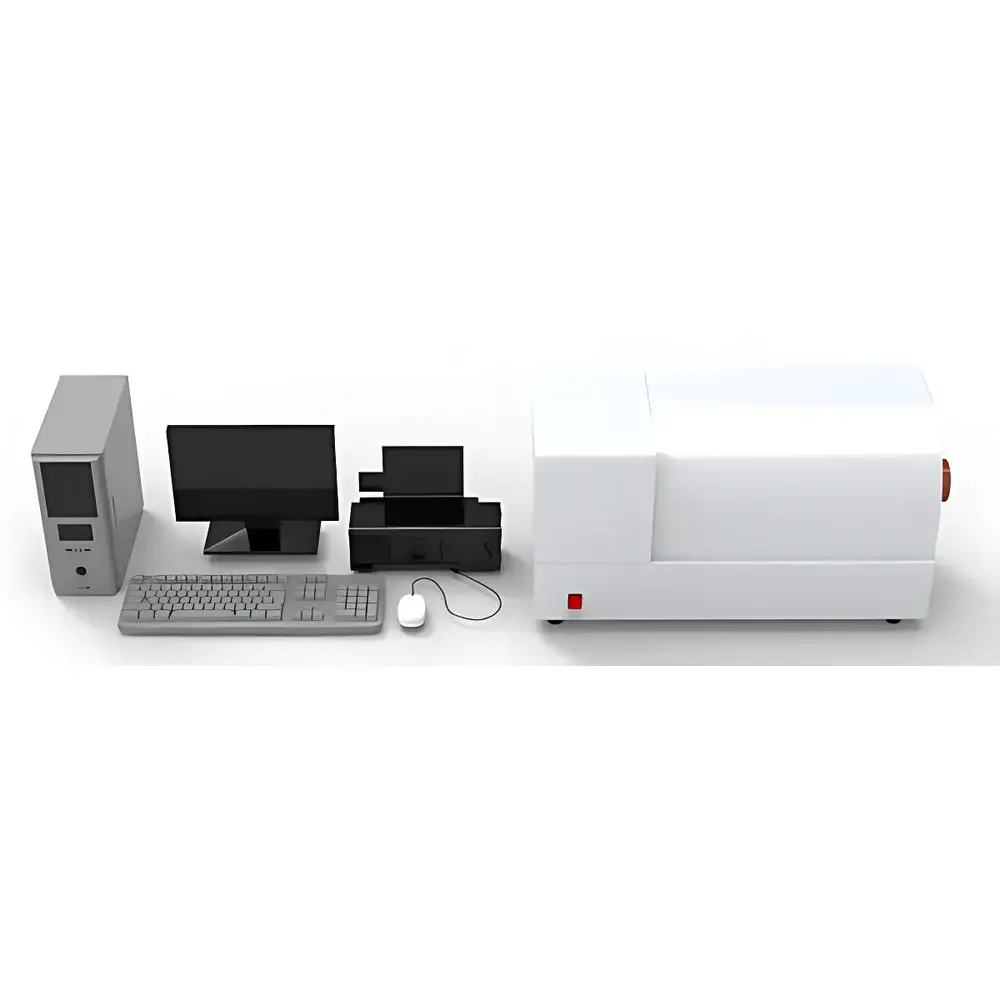
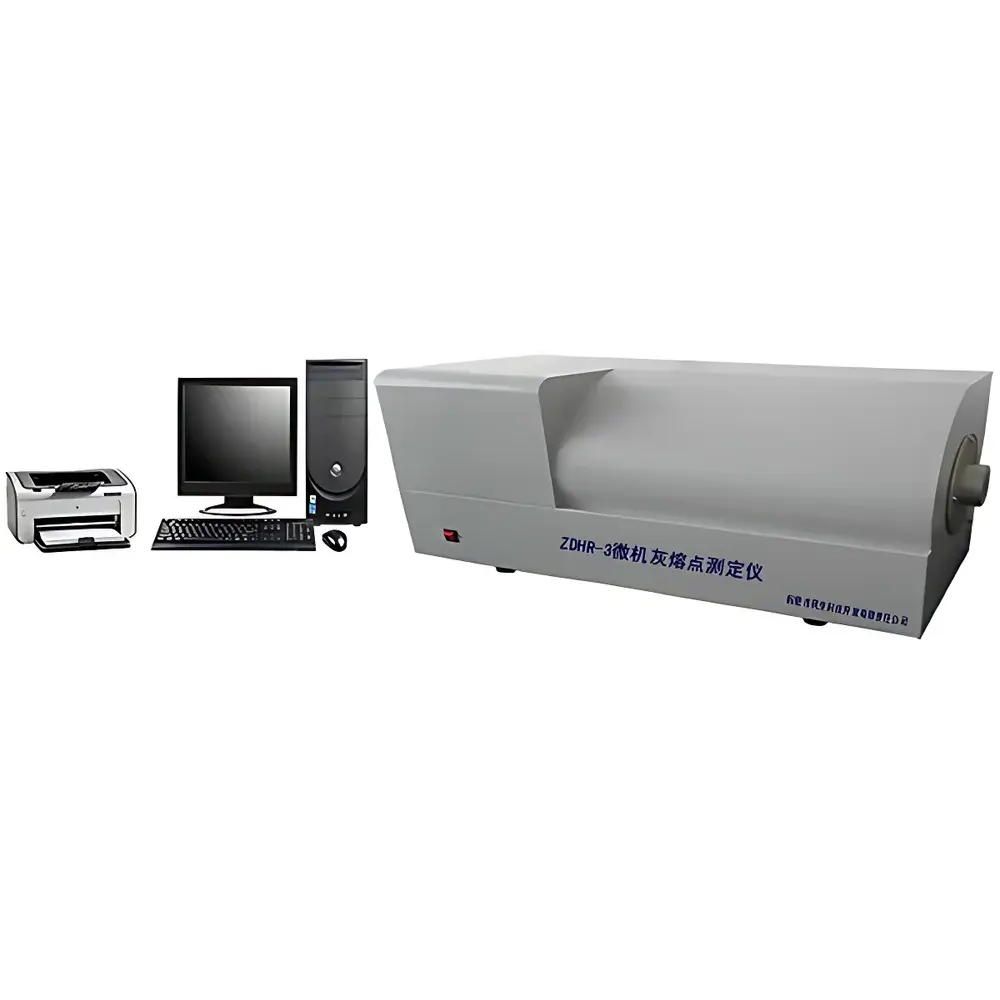
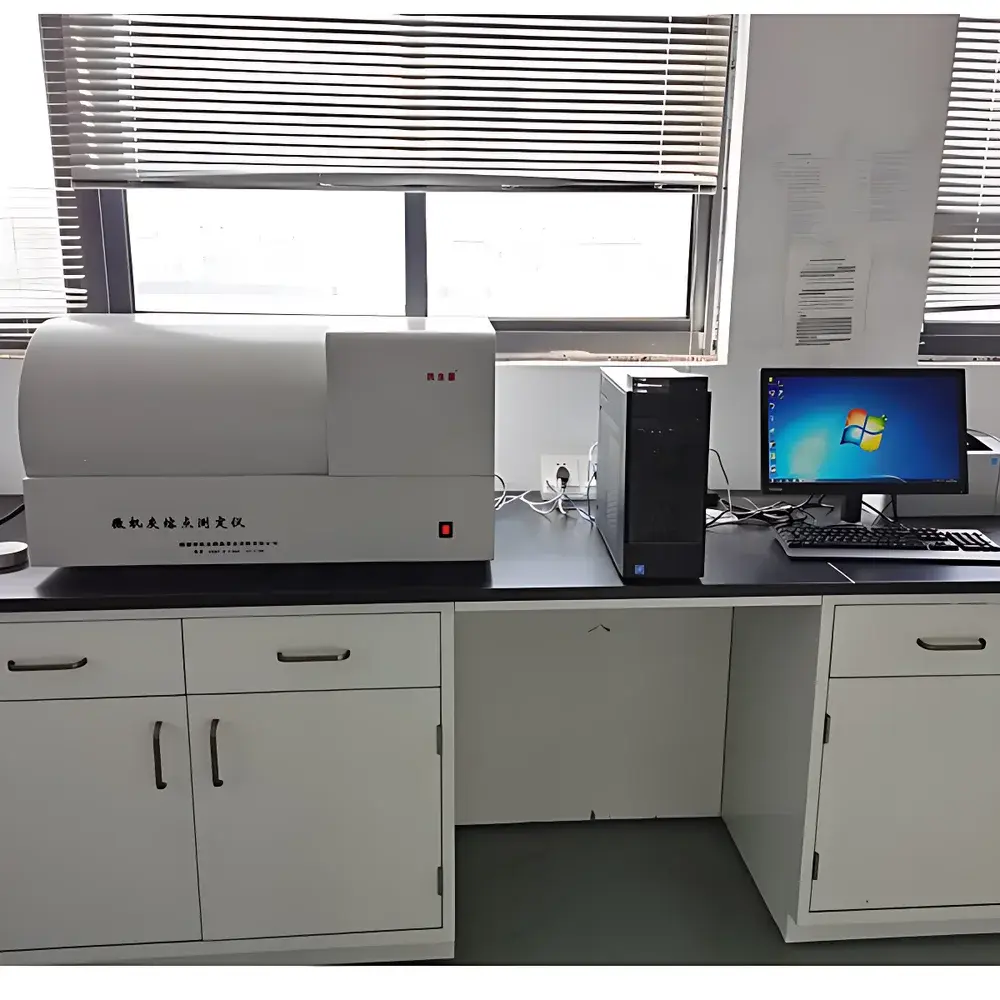
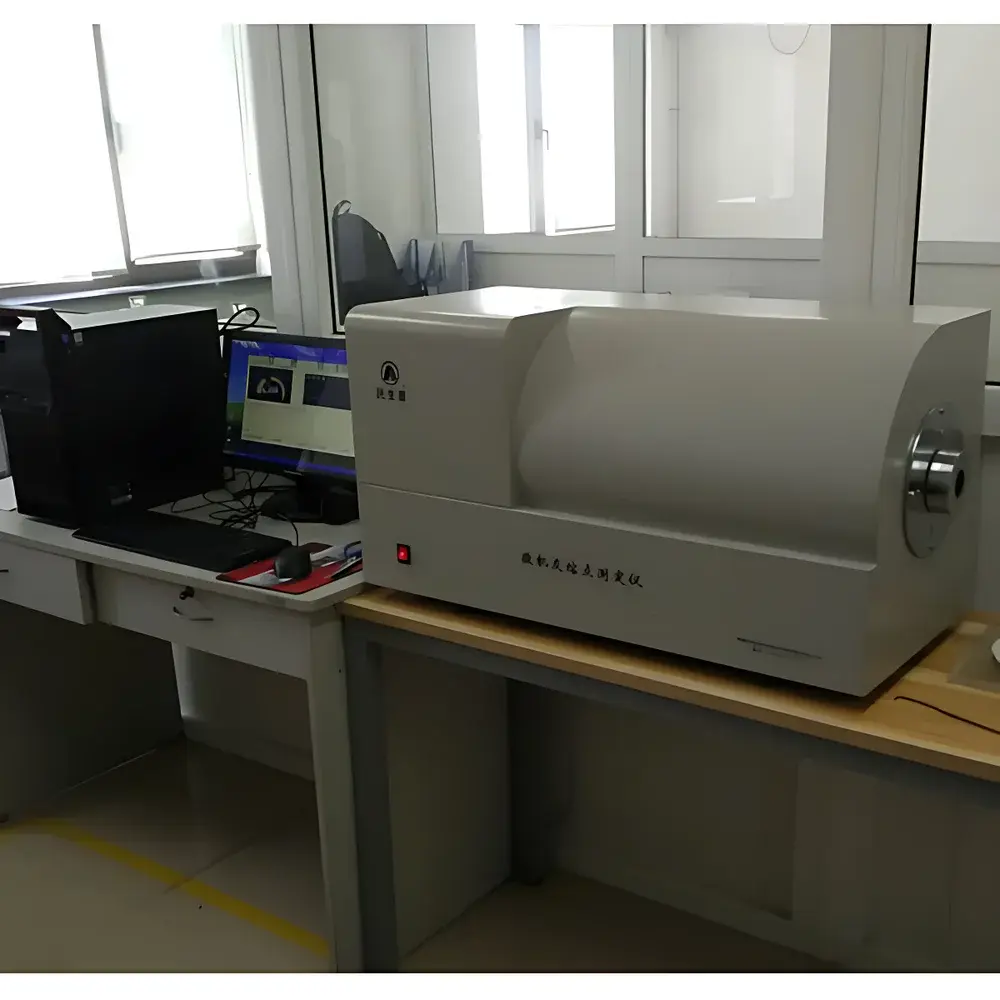
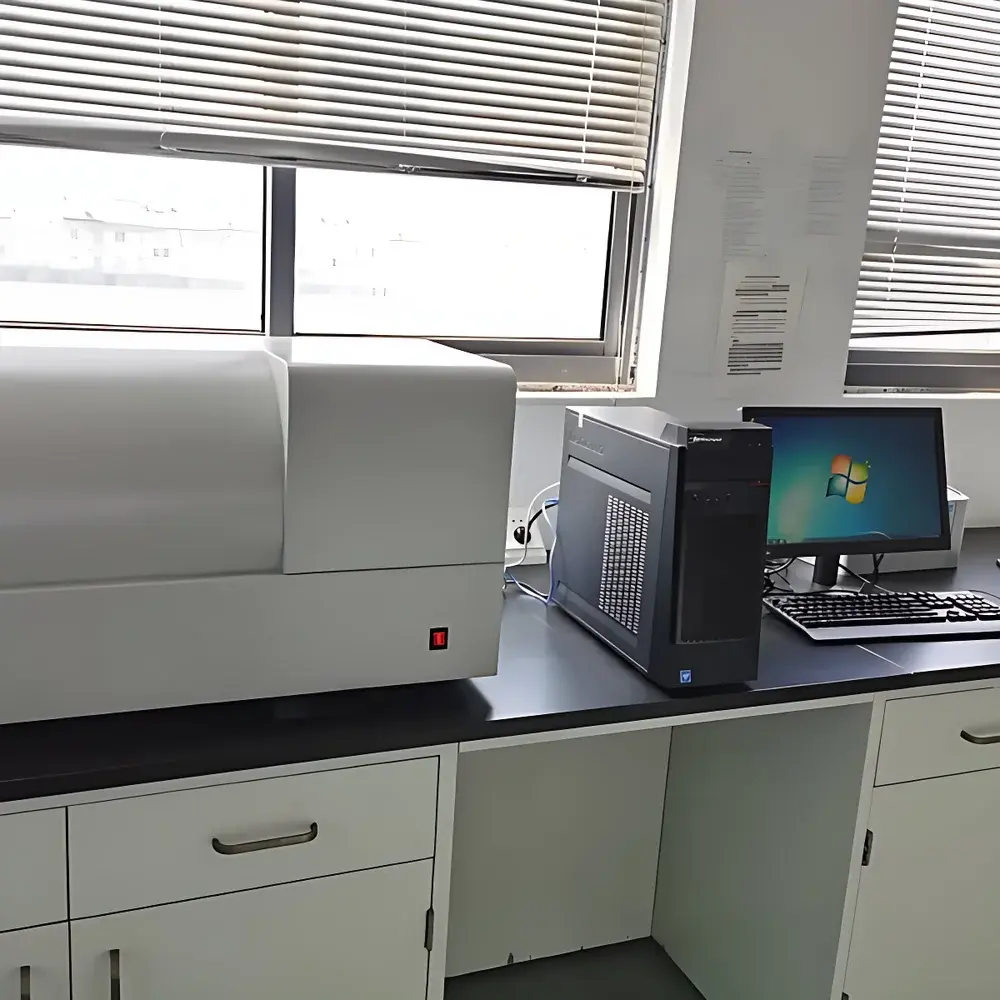
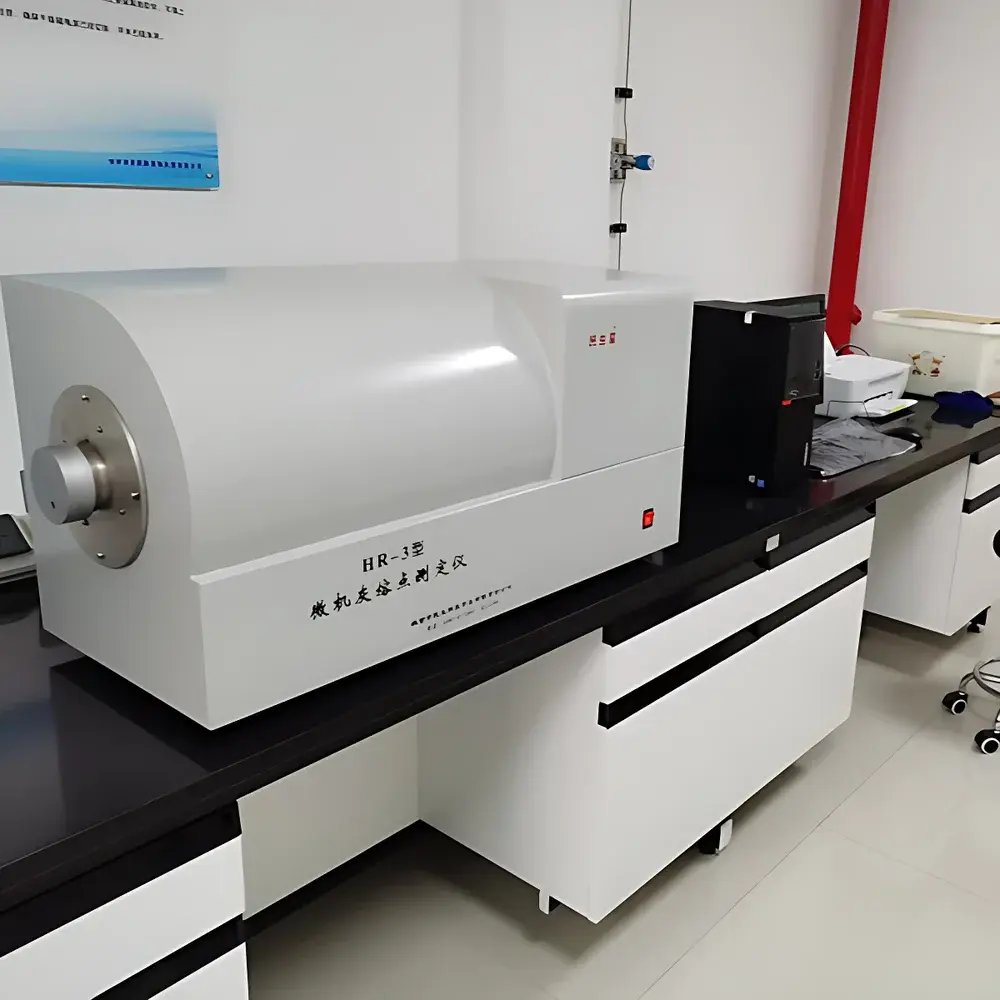
MingShen Science HR-3 Microcomputer-Based Ash Fusion Temperature Tester
| Brand | MingShen Science |
|---|---|
| Origin | Henan, China |
| Model | HR-3 |
| Furnace Type | Horizontal High-Temperature Furnace |
| Heating Element | Silicon Carbide (SiC) Tube |
| Max Temp | 1600 °C |
| Temp Resolution | 1 °C |
| Temp Accuracy | ≤0.2% FS |
| Thermocouple | Pt-Rh/Pt (Type S) |
| Controlled Ramp Rates | 15–20 °C/min up to 900 °C |
| Imaging System | CCD Camera with Real-Time Digital Capture |
| Image Storage Interval | 1 min ≥900 °C |
| Compliance | GB/T 219–2008 |
| Communication Interface | RS-232 (with optional USB adapter) |
| Software Platform | Windows XP or later |
| Dimensions (L×W×H) | 900×380×470 mm |
| Weight | 45 kg |
Overview
The MingShen Science HR-3 Microcomputer-Based Ash Fusion Temperature Tester is a precision laboratory instrument engineered for the standardized determination of ash fusion characteristics in coal and coke samples, in strict accordance with GB/T 219–2008 — “Method for Determination of Coal Ash Fusibility”. It employs a controlled horizontal high-temperature furnace with silicon carbide heating elements and a Pt-Rh/Pt (Type S) thermocouple for traceable temperature measurement up to 1600 °C. The system integrates real-time CCD-based digital imaging with synchronized thermal data acquisition, enabling objective, time-stamped documentation of four critical ash fusion temperatures: Deformation Temperature (DT), Softening Temperature (ST), Hemispherical Temperature (HT), and Flow Temperature (FT). Unlike manual observation methods, the HR-3 automates image capture at one-minute intervals above 900 °C, overlays temperature metadata onto each frame, and supports retrospective validation—ensuring full auditability and repeatability required under GLP-compliant coal quality laboratories.
Key Features
- Automated temperature ramp control compliant with GB/T 219–2008: 15–20 °C/min up to 900 °C, followed by precisely regulated 5±1 °C/min from 900 °C to 1500 °C
- High-resolution CCD imaging system with real-time display on Windows-based host PC; optical alignment optimized for unobstructed visualization of ash cones within the 30 mm isothermal zone
- Simultaneous acquisition and timestamped storage of thermal profiles and corresponding grayscale images—each frame annotated with absolute temperature and elapsed time
- Software-assisted identification of DT, ST, HT, and FT based on morphological criteria defined in GB/T 219–2008; manual override and correction permitted at any stage
- Graphical plotting of temperature vs. time curves with user-adjustable scaling and export to CSV or PDF formats
- Dual-mode operation: fully automated sequence execution or interactive step-by-step control for method development and troubleshooting
- RS-232 serial interface with optional USB-to-serial converter; compatible with Windows XP through Windows 11 (32/64-bit)
- Robust mechanical architecture: integrated horizontal furnace assembly with ceramic insulation, lightweight refractory support, and vibration-dampened base
Sample Compatibility & Compliance
The HR-3 is validated for use with pulverized coal ash and coke ash prepared per GB/T 219–2008 procedures—including ashing at 815±10 °C in air, pressing into standardized pyramidal cones (7 mm height, 2 mm base), and mounting on alumina trays. It supports both oxidizing and weakly reducing atmospheres via configurable gas management: oxidation mode uses ambient air circulation; weak reduction is achieved using graphite (5–6 g) in a gas-tight alumina tube or graphite (15–20 g) + anthracite (30–40 g) in a gas-permeable tube. All operational parameters—including furnace isotherm length (≥30 mm), temperature uniformity, ramp fidelity, and optical clarity above 900 °C—meet the four mandatory technical requirements stipulated in GB/T 219–2008. While not certified to ASTM D1857 or ISO 540, its measurement methodology is functionally equivalent and widely accepted for domestic coal trade, power plant feedstock qualification, and boiler slagging propensity assessment.
Software & Data Management
The proprietary Windows application provides full lifecycle data handling: acquisition, annotation, review, export, and archival. Each test generates a structured dataset containing raw thermal logs, calibrated temperature-time arrays, and lossless BMP/JPEG image sequences. Metadata fields include sample ID, operator name, date/time stamp, atmosphere type, and furnace calibration status. The software enforces data integrity via sequential file naming, immutable timestamps, and local storage path configuration. Audit trails record all user actions—including image re-evaluation, temperature re-assignment, and report generation—satisfying internal QA requirements. Export options include printable test reports with embedded images and temperature annotations, CSV files for statistical analysis in third-party tools (e.g., Excel, MATLAB), and batch-export modes for multi-sample comparative studies. No cloud upload or remote access functionality is implemented—data remains fully under local administrator control.
Applications
- Coal quality assurance in thermal power plants and coking facilities
- Prediction of slagging and fouling behavior in pulverized coal-fired boilers
- R&D evaluation of coal blending strategies to mitigate high-ash-melting-point issues
- Validation of ash conditioning additives (e.g., CaO, MgO, Fe₂O₃) in combustion optimization studies
- Supporting ISO 1928 and ASTM D3172 proximate analysis workflows where ash fusibility informs calorific value corrections
- Academic research on mineral transformation kinetics during coal ash sintering
FAQ
What standards does the HR-3 comply with?
The HR-3 is designed and verified to meet all technical requirements of GB/T 219–2008, including furnace isotherm length, ramp rate accuracy, atmosphere control capability, and optical visibility above 900 °C.
Can the system operate under inert or reducing atmospheres other than weakly reducing?
No—the HR-3 supports only oxidizing (air-flow) and weakly reducing (graphite/anthracite-mediated) conditions as specified in GB/T 219–2008. It lacks mass flow controllers or sealed gas manifolds for N₂/H₂ or CO/CO₂ mixtures.
Is the temperature calibration traceable to national standards?
Yes—calibration utilizes a certified Pt-Rh/Pt (Type S) thermocouple with documented NIST-traceable certificate; users are advised to perform annual verification using reference materials such as ZrO₂ or Al₂O₃ fixed points.
Does the software support FDA 21 CFR Part 11 compliance?
No—the current software version does not implement electronic signatures, audit trail encryption, or role-based access control required for Part 11. It is intended for non-regulated industrial QA environments.
What maintenance is required for the silicon carbide heating element?
Silicon carbide tubes require periodic visual inspection for surface cracking or warping; replacement is recommended after ~2000 h of cumulative operation at >1400 °C or upon observed deviation from programmed ramp rates.





