
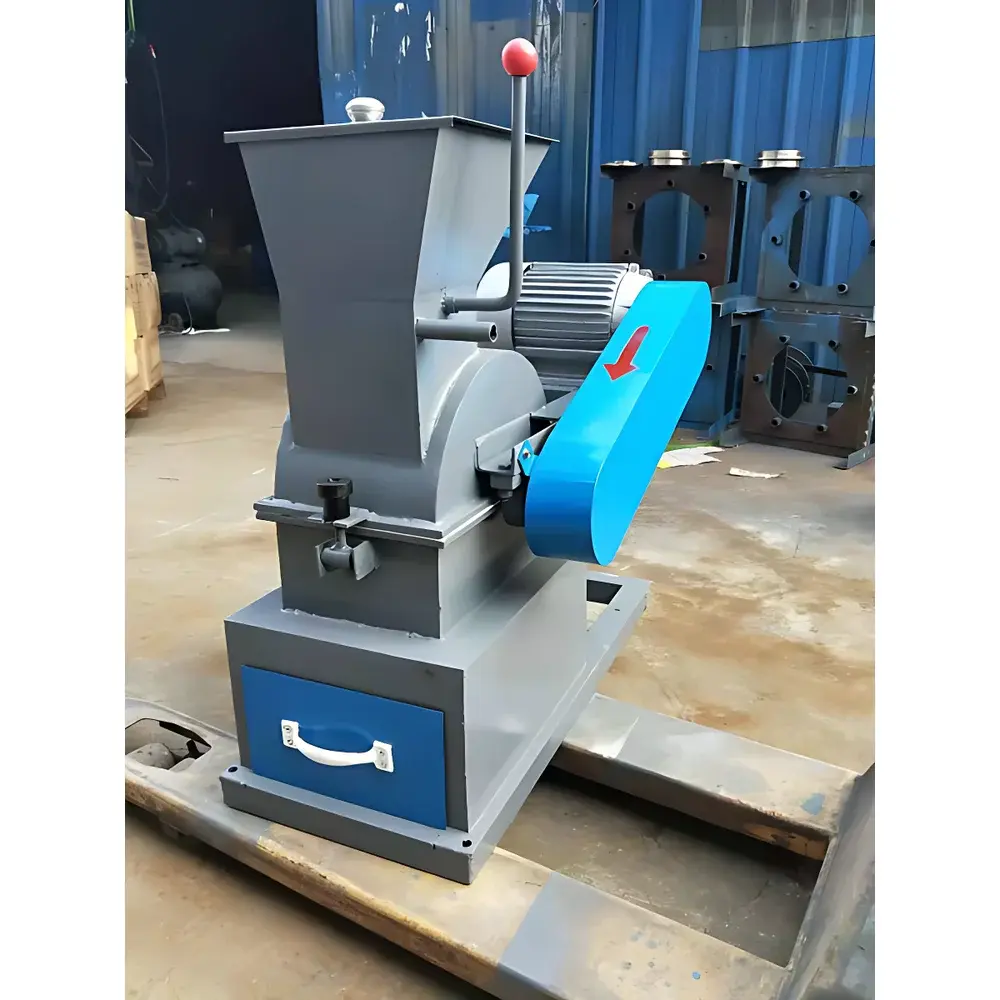
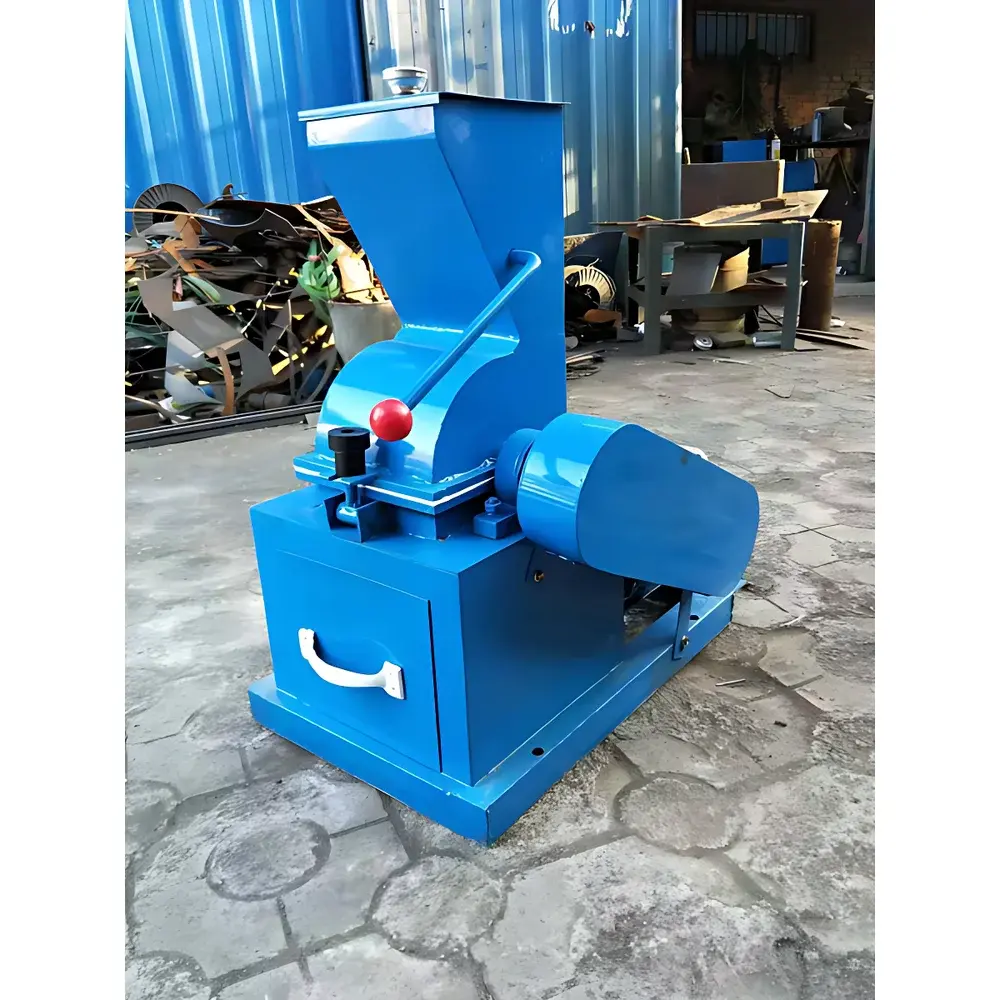
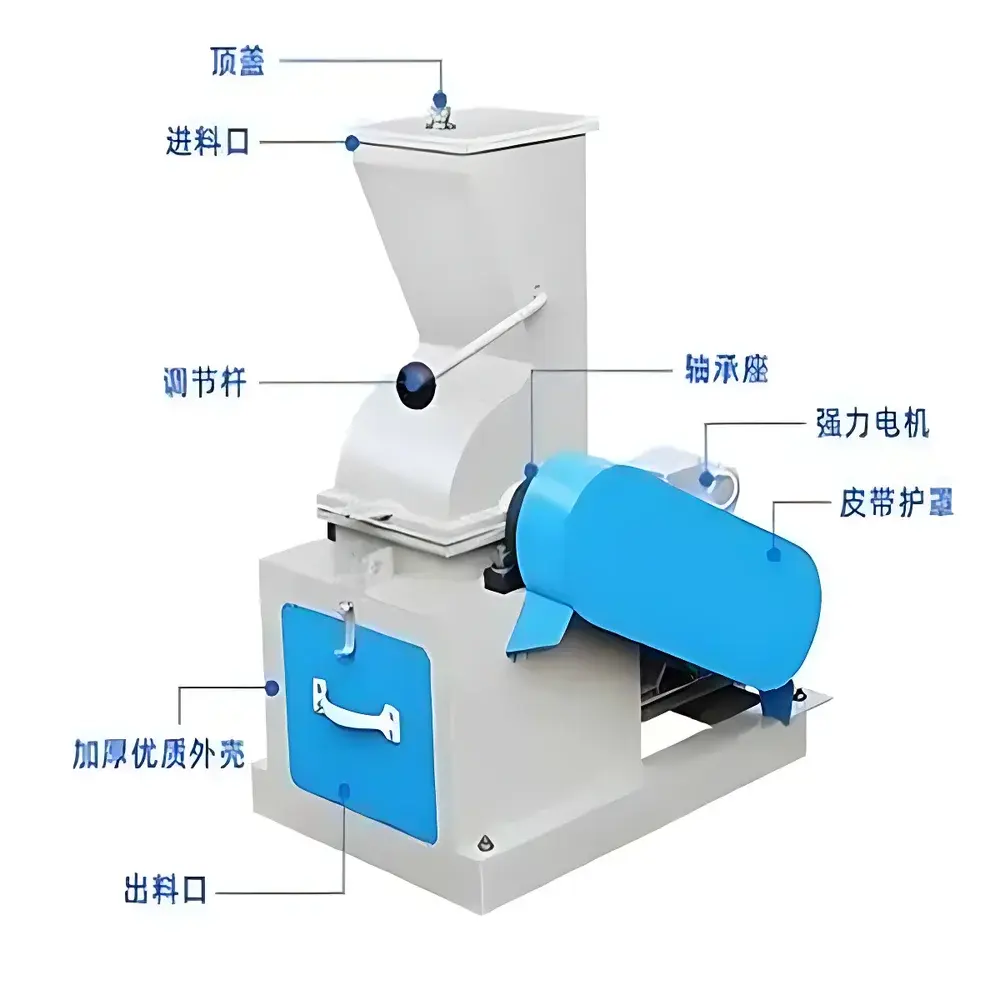
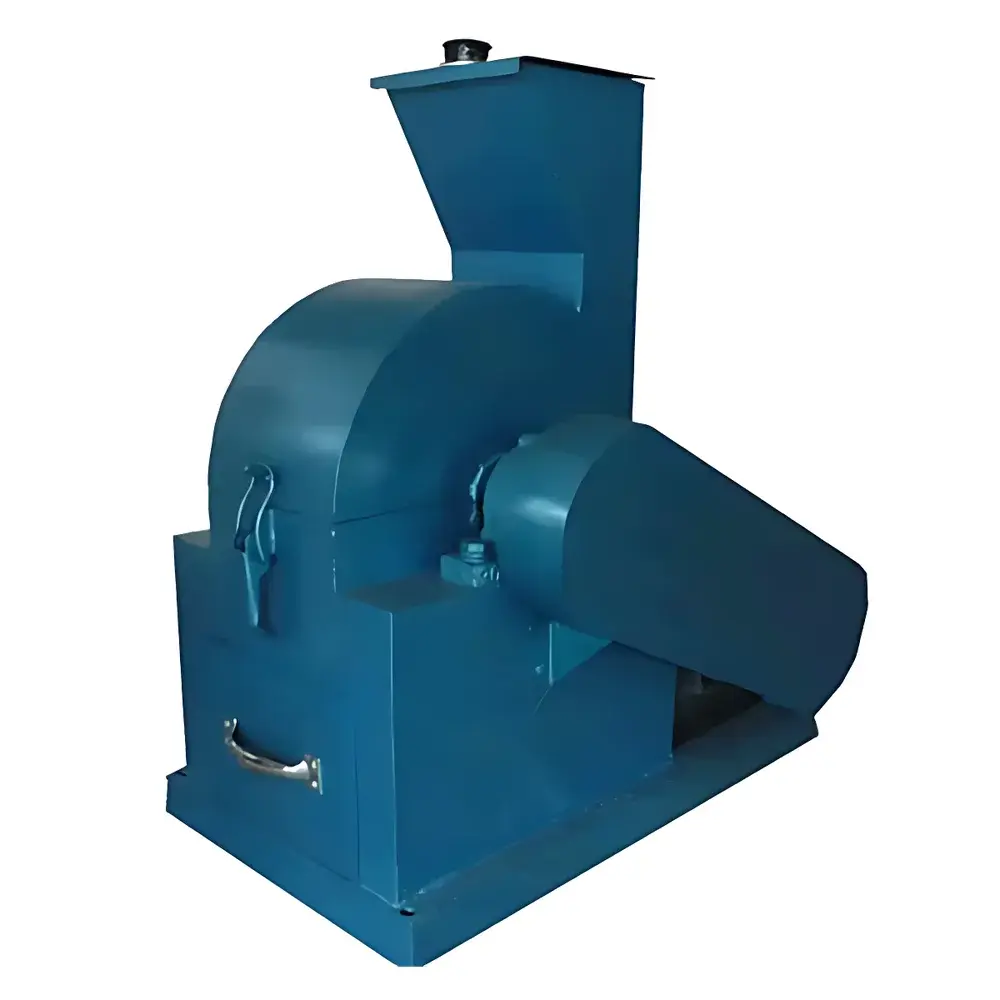
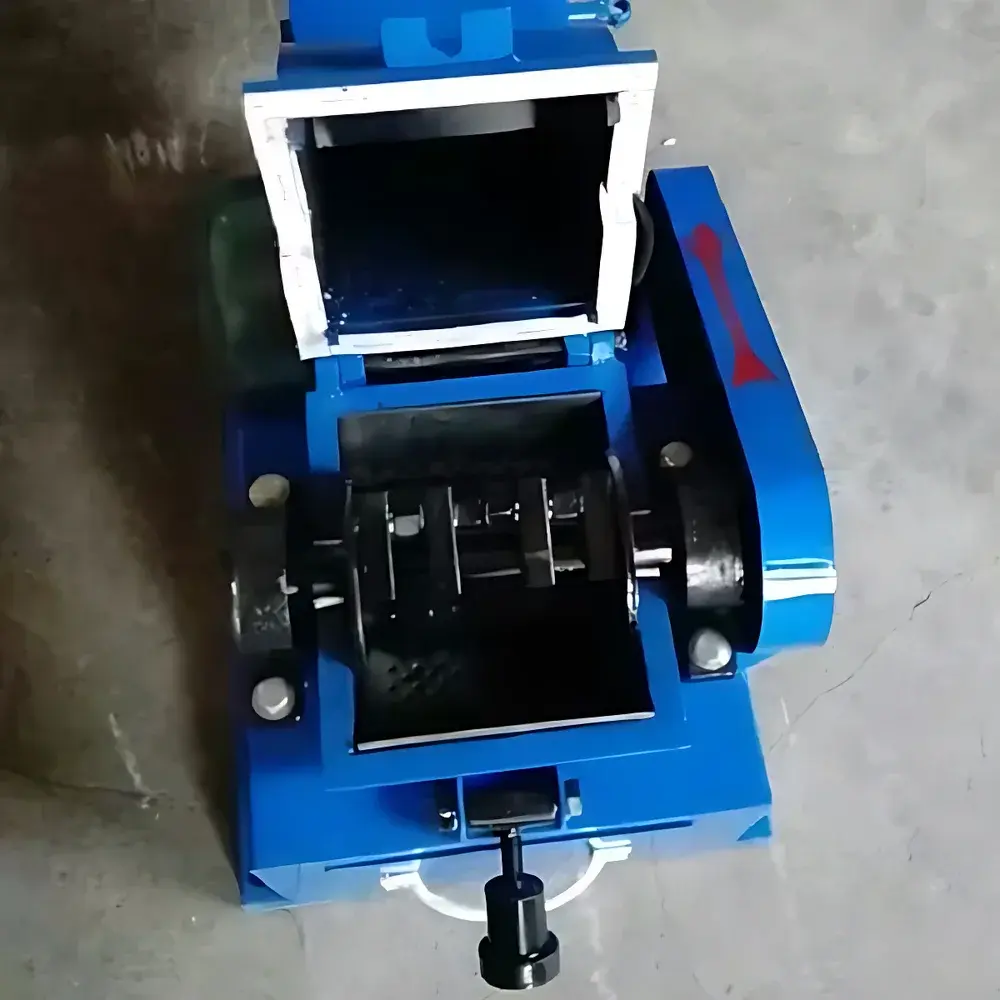
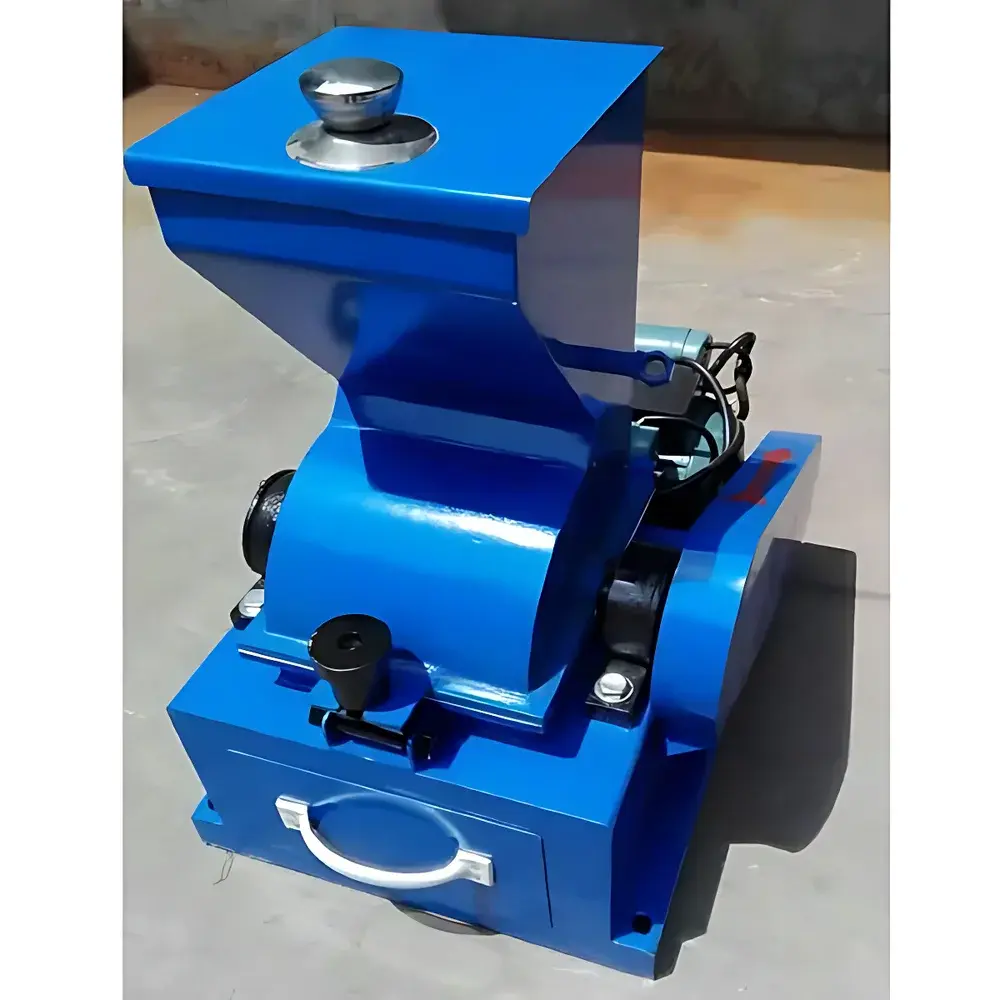
MingShen Science PCZ Series Sealed Hammer Crusher
| Brand | MingShen Science |
|---|---|
| Origin | Henan, China |
| Manufacturer Type | Authorized Distributor |
| Country of Origin | China |
| Model | PCZ |
| Instrument Type | Hammer Crusher |
| Sample Applicability | Hard, Brittle Materials (e.g., coal, coke, limestone, pyrite, shale) |
| Feed Size | ≤70 mm |
| Discharge Size | 1–6 mm (adjustable via interchangeable perforated screen plates) |
| Throughput Capacity | 0.2–0.5 T/h (PCS variant with 1/8 splitter) |
| Compliance | GB 474–2008 “Method for Preparation of Coal Sample” |
| Screen Options | Multiple aperture sizes (1 mm, 3 mm, 6 mm) fabricated from wear-resistant alloy steel |
| Rotor Speed | Fixed-speed induction motor drive (380 V, 3-phase, 50 Hz) |
| standard motor power | 1.5 kW (PCZ180×150/PCZ180×350), 4 kW (PCZ250×360) |
| Structural Design | Fully enclosed cast-iron housing with dust-tight sealing |
Overview
The MingShen Science PCZ Series Sealed Hammer Crusher is a laboratory- and quality-control-grade mechanical size-reduction instrument engineered for consistent, dust-free comminution of hard, brittle, non-fibrous materials. It operates on the principle of high-velocity impact fragmentation: a horizontally mounted rotor—equipped with hardened manganese steel hammers—rotates at fixed speed, delivering controlled kinetic energy to incoming feed material. Upon entry through the top hopper, samples are subjected to repeated hammer strikes within a fully enclosed chamber. Particles smaller than the selected screen aperture pass through the perforated grate and exit via gravity-fed discharge, while oversized fragments undergo further impact until reduced to specification. The sealed architecture eliminates airborne particulate release, ensuring operator safety and sample integrity—critical for analytical preparation in metallurgical, cement, coal testing, and geochemical laboratories. Unlike open-frame crushers, the PCZ series conforms to ISO 14644 cleanroom-compatible handling practices when operated in controlled environments and satisfies the physical sample preparation requirements stipulated in GB 474–2008 for coal analysis.
Key Features
- Fully enclosed cast-iron housing with gasketed access doors and zero-dust emission design—meets occupational hygiene standards for prolonged operator exposure
- Interchangeable wear-resistant screen plates (1 mm, 3 mm, 6 mm apertures) fabricated from high-strength alloy steel, enabling precise control over final particle size distribution
- Manganese steel hammer assembly mounted on replaceable rotor discs—optimized for abrasion resistance against high-hardness feedstock (e.g., coal gangue, calcined limestone)
- Fixed-speed induction motor drive (380 V, 3-phase, 50 Hz) with thermal overload protection—designed for continuous-duty cycle in QC/QA workflows
- Modular base-mounting system: compatible with both anchored concrete foundations (industrial use) and freestanding benchtop installation (lab-scale applications)
- Optional PCS variant integrates an ASTM E1972-compliant 1:8 mechanical sample splitter downstream of crushing—ensuring representative sub-sampling per ISO 13909 and GB/T 19494
Sample Compatibility & Compliance
The PCZ series accepts feed material with maximum particle dimensions up to 70 mm (PCZ250×360: up to 150 mm) and hardness values ≤ Mohs 6. It is validated for coal, coke, limestone, sulfur-bearing ores, shale, and other low-moisture (99.5%), and particle size fidelity. For regulatory traceability, the equipment supports GLP-aligned documentation: batch records include screen plate ID, feed mass, run duration, and ambient temperature/humidity logs. No electrical certification (e.g., CE, UL) is provided; users must verify local electrical code compliance prior to commissioning.
Software & Data Management
As a purely electromechanical instrument, the PCZ Series does not incorporate embedded firmware, touchscreen interface, or digital connectivity. Operational parameters—including feed rate, run time, and screen selection—are manually recorded per SOP. However, its deterministic mechanical behavior enables full integration into LIMS or ELN systems via external time-stamped log entries. When deployed alongside automated sample handling modules (e.g., robotic arms or vibratory feeders), the crusher’s repeatable throughput (±3% coefficient of variation across five consecutive 100 g batches) supports statistical process control (SPC) charting in Six Sigma-compliant QA frameworks. Audit trails for maintenance—including hammer replacement dates, grease application intervals (every 60 operating hours), and screen inspection reports—must be maintained manually in accordance with ISO/IEC 17025 Clause 6.4.3.
Applications
- Preparation of representative subsamples for proximate and ultimate coal analysis (ASTM D3172, D3176)
- Routine size reduction of geological core specimens prior to XRF or ICP-OES digestion
- Homogenization of cement clinker and raw meal for fineness testing (Blaine, sieve residue)
- Primary crushing of metallurgical assay samples (e.g., iron ore fines, zinc concentrates) before pulverization
- Controlled fragmentation of refractory aggregates for particle size distribution profiling (laser diffraction or sieve analysis)
FAQ
What safety certifications does the PCZ Series hold?
The unit carries no third-party electrical or explosion-proof certification (e.g., ATEX, UL 61010). It is intended for indoor use in ventilated laboratories or QC rooms meeting local OSHA/NIOSH ventilation guidelines.
Can the discharge particle size be adjusted during operation?
No—particle size is determined solely by the installed screen plate. Changing aperture requires full shutdown, disassembly of the rear access panel, and mechanical replacement per maintenance manual Section 4.2.
Is the PCS model’s 1/8 splitter adjustable for ratios other than 1:8?
No—the splitter mechanism is mechanically fixed at 1:8 division. Alternative ratios require external manual splitting or integration with programmable rotary dividers.
What maintenance schedule is recommended for continuous daily use?
Lubricate all grease points (main shaft bearings, hammer pivot pins) every 60 operating hours using NLGI #2 calcium-based grease. Inspect screen plates for deformation or clogging before each shift; replace if aperture deviation exceeds ±0.1 mm.
Does the crusher support automated feed control?
Not natively. Manual gate-controlled feeding is standard. Integration with variable-frequency vibratory feeders or loss-in-weight hoppers requires external PLC coordination and custom mounting brackets.



