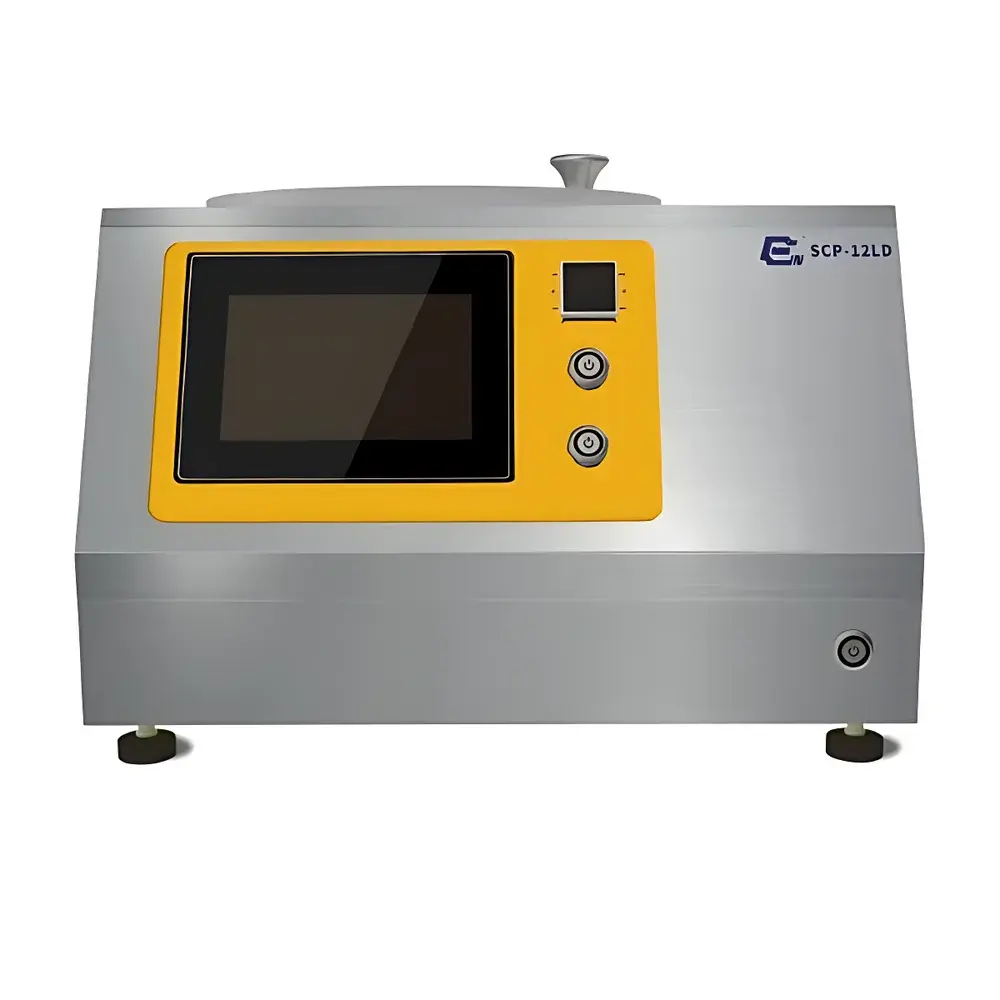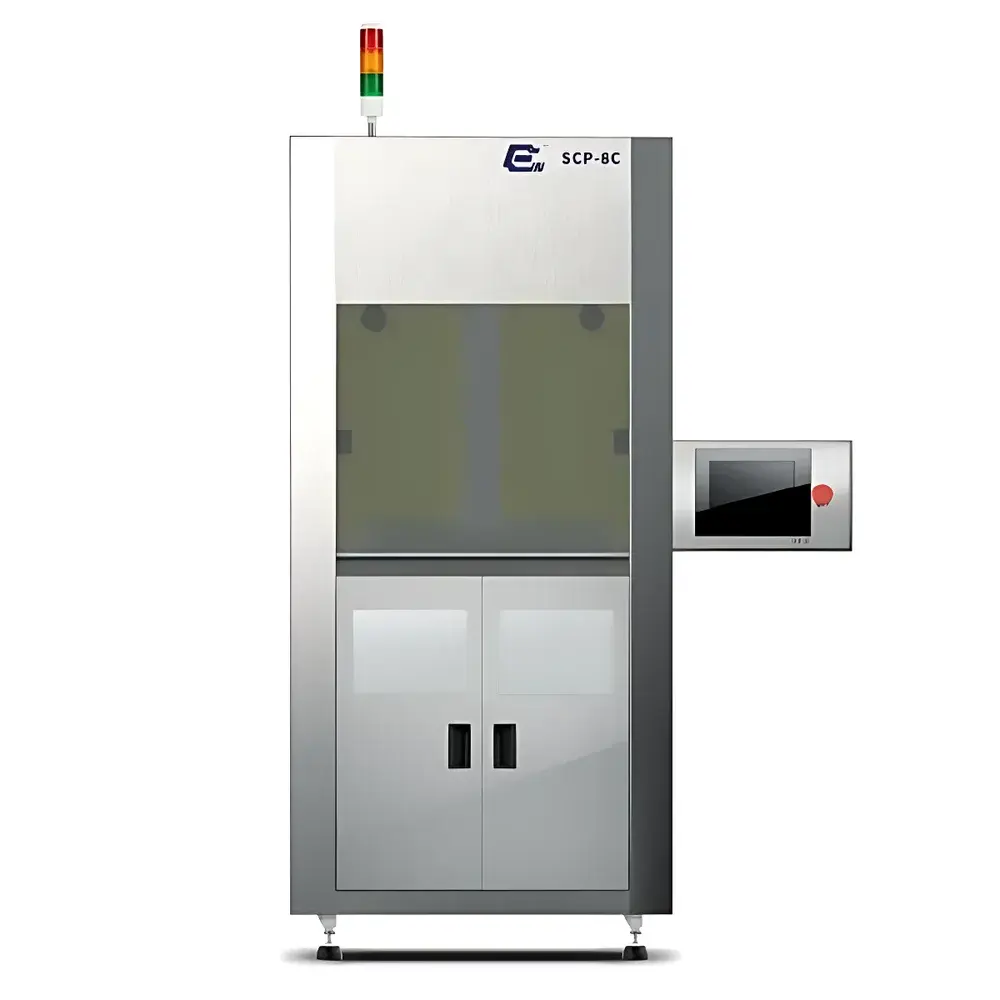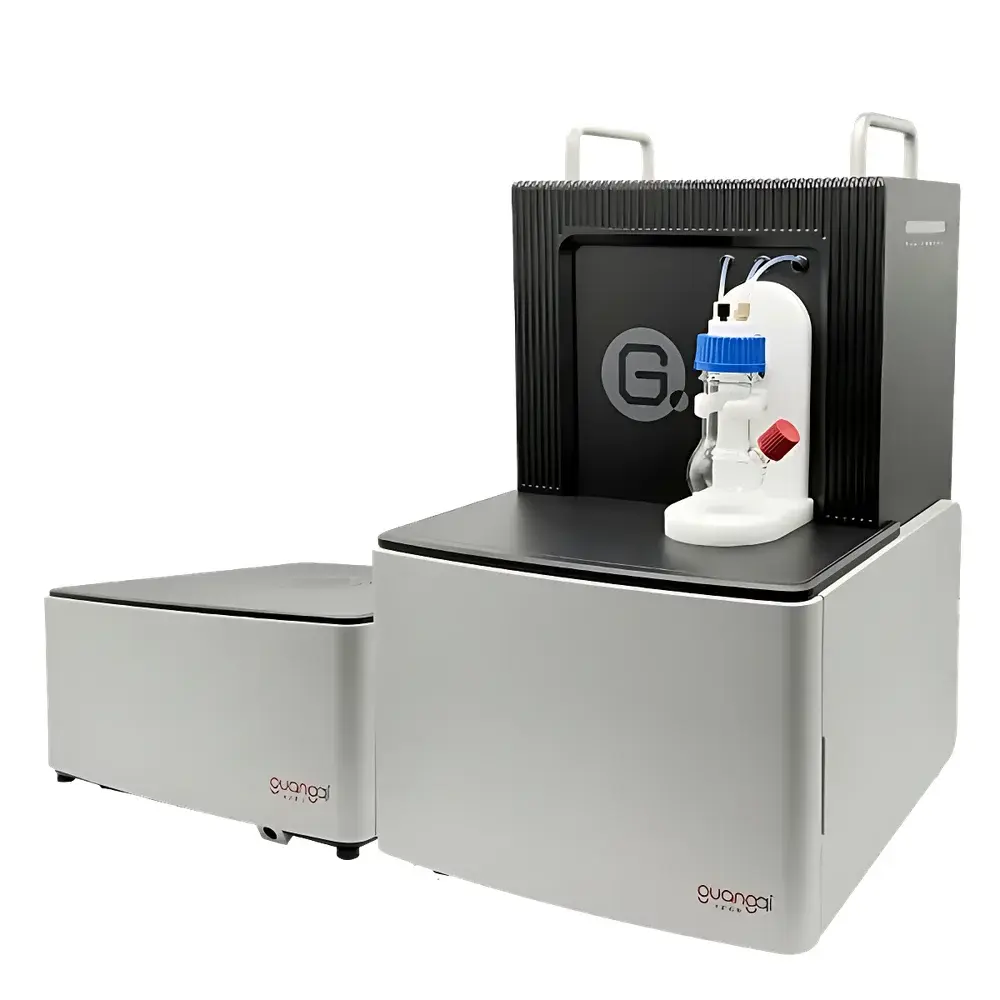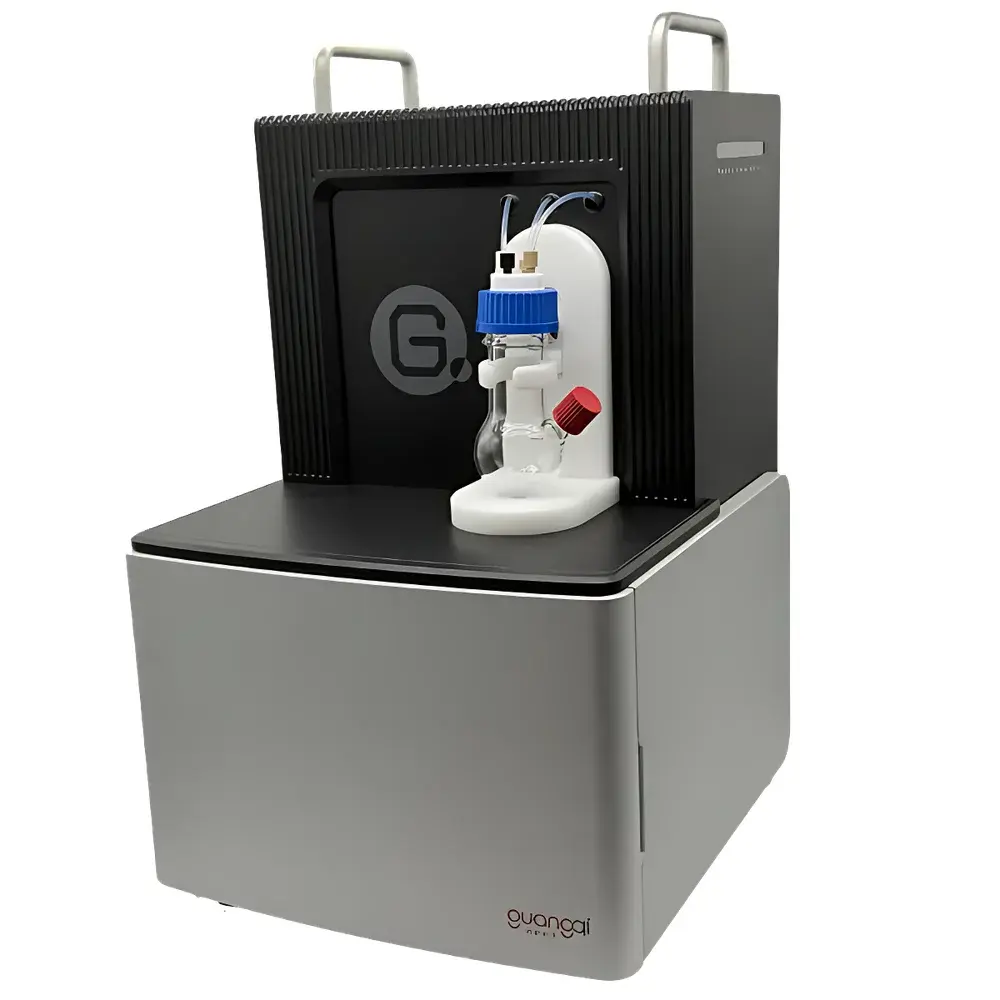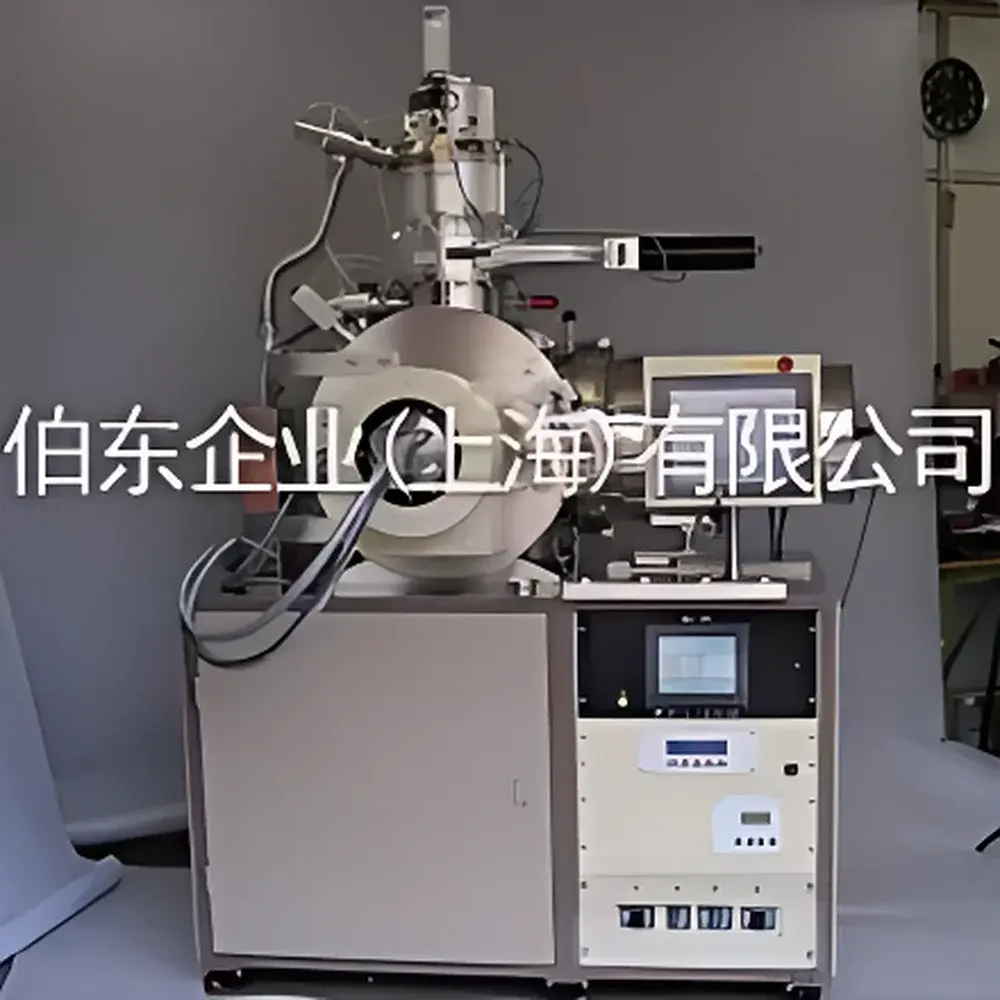
NS IBEX-8 Ion Beam Etcher (Imported by Pfeiffer Vacuum China / Distributed by Shanghai Bohong)
| Brand | NS (Nippon Seiko) |
|---|---|
| Origin | Japan |
| Model | NS-8 |
| Minimum Feature Size | ≤1 µm |
| Ion Beam Diameter | ≤1 mm |
| Acceleration Voltage Range | 0.5–2 kV |
| Substrate Capacity | 3″ wafers × 8 pcs or 4″ wafers × 6 pcs |
| Stage Cooling | Direct-contact liquid-cooled chuck (20 cm diameter) |
| Ion Source | Kaufman-type broad-beam ion source (OEM from Kimball Physics / original Kaufman design heritage) |
| Beam Tilt Adjustment | ±15° continuous RF-driven angular control |
| Substrate Motion | Dual-axis rotation (planetary motion: rotation + revolution) |
| Power Supply Compatibility | 200–240 VAC, 50/60 Hz (field-replaceable with domestic-standard AC input modules) |
Overview
The NS IBEX-8 Ion Beam Etcher is a compact, high-stability physical vapor etching system engineered for precision microfabrication in R&D laboratories and pilot-line semiconductor manufacturing environments. Utilizing broad-beam ion beam etching (IBE) based on the Kaufman discharge principle, the NS-8 generates a collimated, low-energy argon (or oxygen/nitrogen) ion flux through a thermionic cathode and multi-grid extraction assembly. Unlike reactive ion etching (RIE) or plasma-based systems, IBE operates in a purely physical sputtering regime—enabling anisotropic, material-independent removal with negligible chemical selectivity bias or substrate heating effects. This makes the NS-8 particularly suited for applications requiring atomic-level surface smoothing, maskless patterning of hard-to-etch materials (e.g., Pt, IrOx, SiC, diamond-like carbon), and fabrication of magnetic tunnel junctions (MTJs), GMR/TMR sensors, and thin-film MEMS structures where stoichiometric integrity and interface preservation are critical.
Key Features
- Kaufman-type ion source (OEM-specified, field-proven reliability) delivering stable beam current density ≥1 mA/cm² at 1 kV acceleration voltage, with long-term emission stability (<±1.5% drift over 8 h)
- Direct-contact liquid-cooled sample stage (20 cm diameter) enabling substrate temperature control from –40 °C to +80 °C during etching—critical for cryogenic processing of temperature-sensitive films and stress mitigation in multilayer stacks
- Programmable dual-axis substrate motion: simultaneous planetary rotation (revolution + spin) ensures uniform ion fluence distribution across full-wafer area, achieving <±2.5% etch rate non-uniformity (ERNU) on 4″ substrates
- Motorized beam tilt mechanism (±15° range, 0.1° resolution) allows controlled sidewall angle tuning—from vertical profiles (0°) to shallow-angle beveling (e.g., 7°–12°) for lift-off compatibility or facet engineering
- Modular power supply architecture: AC input module supports 200–240 VAC, 50/60 Hz operation; optional DC-link integration available for clean-room UPS compatibility
- Integrated base pressure <2×10⁻⁷ Torr (via turbomolecular pump + cryo-trap), with process pressure stability ±0.05 mTorr during sustained beam operation
Sample Compatibility & Compliance
The NS IBEX-8 accommodates standard semiconductor and research substrates including Si, GaAs, InP, quartz, sapphire, fused silica, and metallic foils (Ni, CoFeB, Ta, Ru). It supports mask-based and maskless configurations using metal (Cr, Ni), dielectric (SiO2, SiNx), or polymer (PMMA, HSQ) hard masks. The system conforms to ISO 14644-1 Class 5 cleanroom operational guidelines when installed with appropriate exhaust filtration (optional NH3/HF scrubber integration). All vacuum interlocks, emergency stop circuits, and high-voltage grounding paths comply with IEC 61000-6-2 (immunity) and IEC 61000-6-4 (emission) standards. Full audit trail logging—including recipe parameters, beam current/voltage timestamps, chamber pressure logs, and operator ID—is configurable to meet GLP/GMP documentation requirements per FDA 21 CFR Part 11 Annex 11.
Software & Data Management
Control is executed via NS’s proprietary IBEX-Studio v3.2 software suite running on embedded industrial PC (Windows 10 IoT LTSC). The GUI provides real-time monitoring of ion current, acceleration voltage, chamber pressure, stage temperature, and beam tilt position. Recipes support up to 99 process steps with conditional branching (e.g., “if pressure > X, pause beam and purge”). All operational data—including raw sensor outputs and alarm events—are logged in HDF5 format with SHA-256 checksum integrity verification. Export options include CSV (for statistical process control), XML (for MES integration), and PDF reports compliant with ISO/IEC 17025 calibration record templates. Remote diagnostics and firmware updates are supported over TLS 1.2-secured Ethernet connection.
Applications
- Atomic-layer smoothing of optical coatings and laser cavity mirrors (RMS roughness <0.15 nm after 30 min IBE)
- Maskless definition of spintronic device arrays (STT-MRAM test chips, spin-valve pillars)
- Edge isolation and trench formation in high-frequency GaN HEMTs and SiC power devices
- Surface activation and cleaning of bonding interfaces prior to direct wafer bonding (e.g., SOI, glass-fused Si)
- Pre-deposition substrate conditioning for epitaxial growth (MBE, MOCVD) to eliminate native oxide residues
- Failure analysis cross-sectioning of 3D NAND and advanced packaging interconnects (TSVs, microbumps)
FAQ
What vacuum level is required for stable ion beam operation?
Base pressure must reach ≤2×10⁻⁷ Torr prior to ignition; operating pressure during etching is maintained between 0.5–2.0 mTorr using active pressure regulation.
Can the NS-8 perform reactive ion beam etching (RIBE)?
Yes—by introducing reactive gases (e.g., Cl2, BCl3, CHF3) into the ion source chamber or downstream region, selective etch enhancement can be achieved while retaining directional control.
Is remote service and calibration support available outside Japan?
NS provides certified field service engineers in APAC and EMEA regions; annual calibration and performance validation kits (including Faraday cup calibration standards and reference SiO2 etch rate wafers) are supplied with traceable NIST-traceable certificates.
How is endpoint detection implemented?
Optional quartz crystal microbalance (QCM) or optical emission spectroscopy (OES) modules can be integrated; real-time etch rate feedback is also derivable from secondary electron yield monitoring via the built-in Faraday cup array.
Does the system support automated cassette-to-cassette loading?
The NS-8 is configured as a manual load-lock platform; however, it is fully compatible with third-party front-end modules (FEMs) meeting SEMI E15.1 mechanical interface standards for future semi-automated integration.