
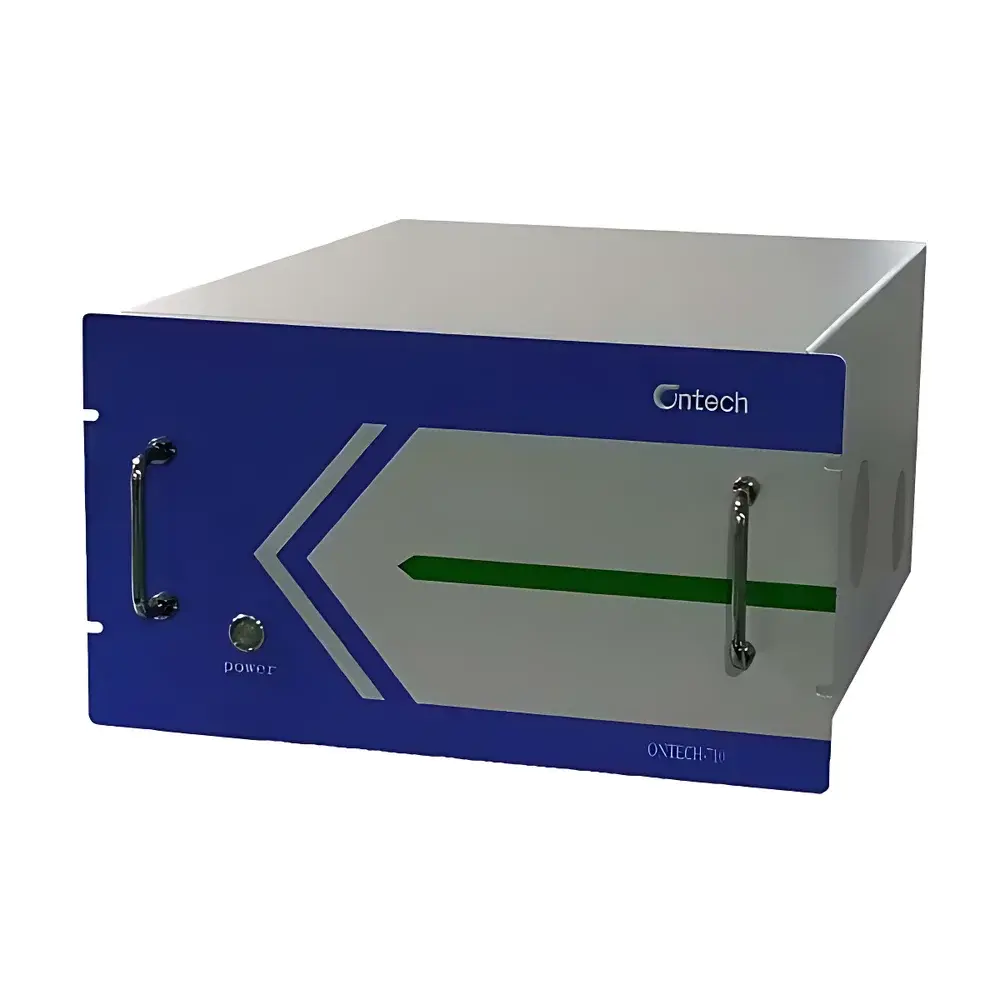
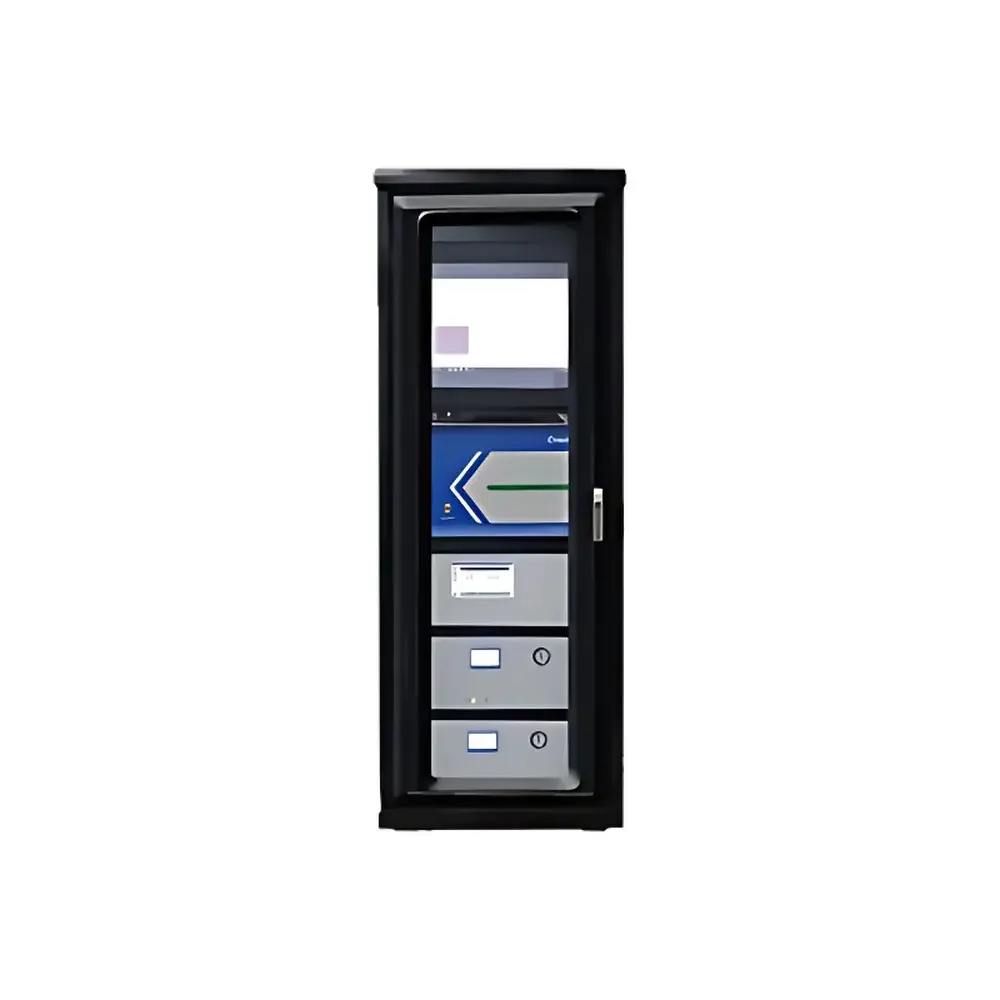
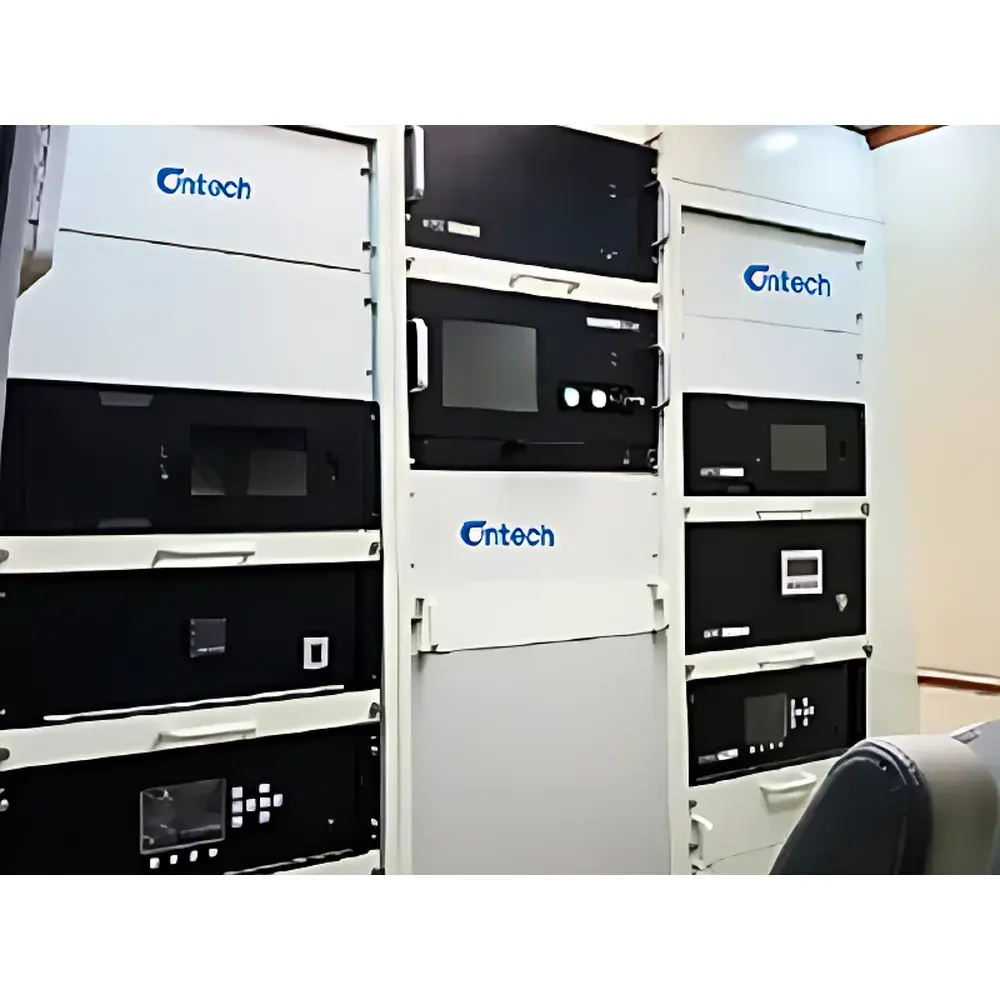
Ontech710 Online Gas Chromatograph for Volatile Organic Compounds (VOCs) Monitoring at Fixed Pollution Sources
| Brand | Ontech |
|---|---|
| Origin | Guangdong, China |
| Manufacturer Type | Authorized Distributor |
| Country of Origin | China |
| Model | Ontech710 |
| Price Range | USD 42,000 – 70,000 |
| Instrument Type | Online Gas Chromatograph |
| Application Field | Petrochemical Industry |
Overview
The Ontech710 Online Gas Chromatograph is a purpose-built analytical system engineered for continuous, unattended monitoring of volatile organic compounds (VOCs) in ambient and stack emissions from fixed pollution sources. It operates on the principle of gas chromatography with flame ionization detection (GC-FID), optionally configurable with photoionization detection (PID) or mass spectrometry (MS) interfaces for enhanced compound identification. Designed specifically for regulatory compliance in industrial environments, the system delivers real-time quantification of total hydrocarbons (THC), methane (CH₄), non-methane hydrocarbons (NMHC), BTEX (benzene, toluene, ethylbenzene, xylene), and site-specific target VOCs—including chlorinated, oxygenated, and sulfur-containing species—across concentration ranges from sub-ppbv to ppmv levels. Its architecture integrates sample conditioning, cryogenic preconcentration, thermal desorption, and high-resolution capillary column separation into a single compact platform, enabling trace-level detection with robust reproducibility under fluctuating ambient conditions.
Key Features
- Integrated dual-stage cryogenic trap system with programmable cooling down to −40 °C, enabling efficient water vapor removal and analyte enrichment prior to injection
- High-precision mass flow controller (MFC) with ±1% full-scale accuracy for consistent sample introduction and calibration gas delivery
- Automated thermal desorption module with rapid heating rates (>40 °C/s) and precise temperature ramp control to minimize breakthrough and carryover
- Modular GC oven with ±0.1 °C temperature stability and programmable multi-step temperature gradients for optimized separation of complex VOC mixtures
- Self-diagnostic firmware with real-time status monitoring, fault logging, and remote alerting via SNMP or Modbus TCP protocols
- Low-maintenance design featuring long-life FID detector, inertized flow paths, and sealed column compartments to ensure >12 months of uninterrupted operation without routine intervention
Sample Compatibility & Compliance
The Ontech710 is validated for direct analysis of ambient air, ducted exhaust streams, and fence-line sampling points without dilution or derivatization. It complies with Chinese national standards HJ 604–2017 (determination of THC, CH₄, and NMHC by direct-injection GC), HJ 1010–2018 (technical specifications for continuous VOC monitoring systems), and HJ 212–2017 (data transmission protocol for environmental monitoring systems). The instrument supports audit-ready data integrity through time-stamped raw chromatograms, calibrated response factors, and metadata tagging aligned with GLP principles. While not certified to ISO/IEC 17025 or EPA Method TO-15/TO-17 out-of-the-box, its hardware architecture and data handling framework are compatible with third-party validation packages required for international regulatory submissions.
Software & Data Management
The Ontech710 is operated via OntechControl™ v3.x—a Windows-based SCADA-grade software suite supporting multi-user role-based access control (RBAC), electronic signatures, and 21 CFR Part 11-compliant audit trails. All chromatographic data—including baseline-corrected peak areas, retention time shifts, system suitability parameters (e.g., resolution, tailing factor), and diagnostic logs—are stored in encrypted SQLite databases with automatic daily backup and configurable retention policies. Data export adheres to HJ 212–2017 XML schema for seamless integration with provincial and national environmental monitoring platforms (e.g., CNEMC’s national VOCs network). Remote configuration, method scheduling, and firmware updates are supported over secure TLS 1.2 connections.
Applications
- Continuous fence-line monitoring of NMHC and BTEX emissions from petrochemical refineries, olefin plants, and synthetic rubber facilities
- Real-time source apportionment studies using temporal VOC profiles coupled with meteorological and process data
- Occupational exposure assessment in chemical manufacturing zones per GBZ/T 160 series standards
- Compliance verification for local VOC emission permits requiring hourly averaged concentration reporting
- Early-warning detection of abnormal process vent releases through deviation analysis of baseline VOC fingerprints
- Support for environmental impact assessments (EIA) and post-construction monitoring programs mandated under China’s “Blue Sky Defense Campaign”
FAQ
What is the typical detection limit for benzene using the Ontech710 with FID detection?
Benzene detection limits are method-dependent; under standard HJ 1010–2018 operating conditions (30-min sampling cycle, 1-L air volume), the system achieves ≤0.5 ppbv for benzene with FID, verified via repeated blank and spiked air matrix testing.
Can the Ontech710 be integrated with existing DCS or PLC systems?
Yes—the instrument provides native Modbus TCP and OPC UA server interfaces, allowing bidirectional communication with industrial control systems for alarm forwarding, setpoint synchronization, and operational status sharing.
Is on-site calibration required after installation?
Initial calibration must be performed using certified NIST-traceable standard gases (e.g., TO-14A or custom blends) prior to commissioning; subsequent recalibration intervals are defined by local regulatory requirements but typically range from 7 to 30 days depending on application criticality and matrix complexity.
Does the system support simultaneous analysis of methane and non-methane hydrocarbons?
Yes—using a dual-column switching configuration with backflush capability, the Ontech710 separates methane from C₂–C₁₀ hydrocarbons in a single run, fully satisfying HJ 604–2017 methodology requirements.
What maintenance tasks are required during routine operation?
Scheduled maintenance includes quarterly replacement of inlet particulate filters, semi-annual inspection of trap adsorbent beds, annual FID jet cleaning, and biannual verification of MFC linearity—documented in the onboard maintenance log with automated reminders.
Related Products





