
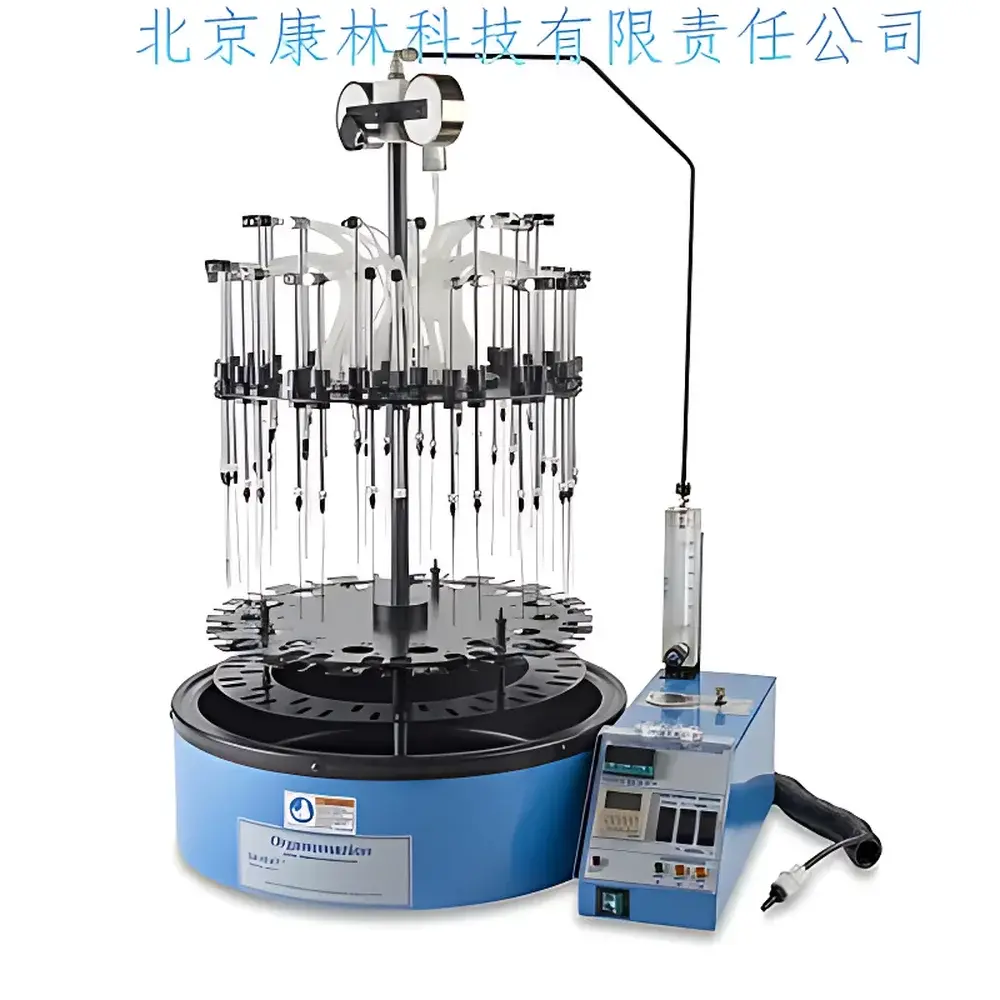
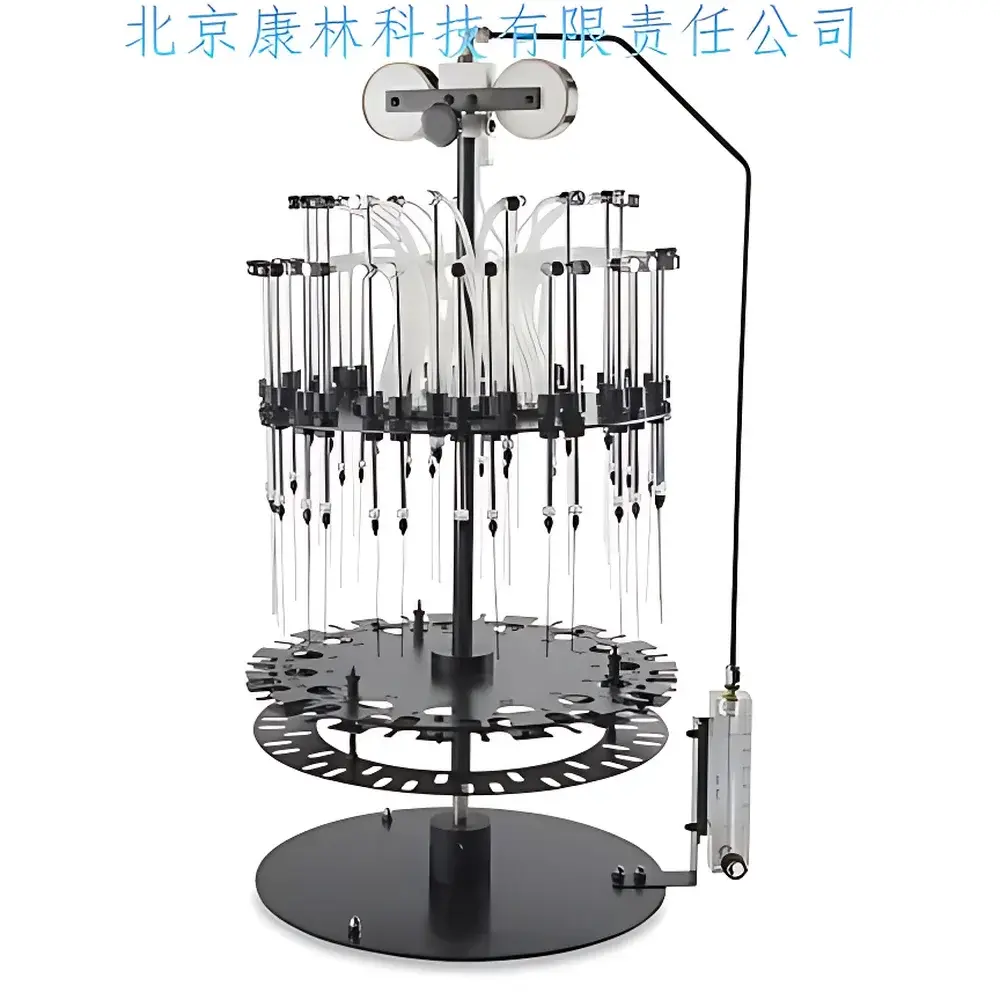
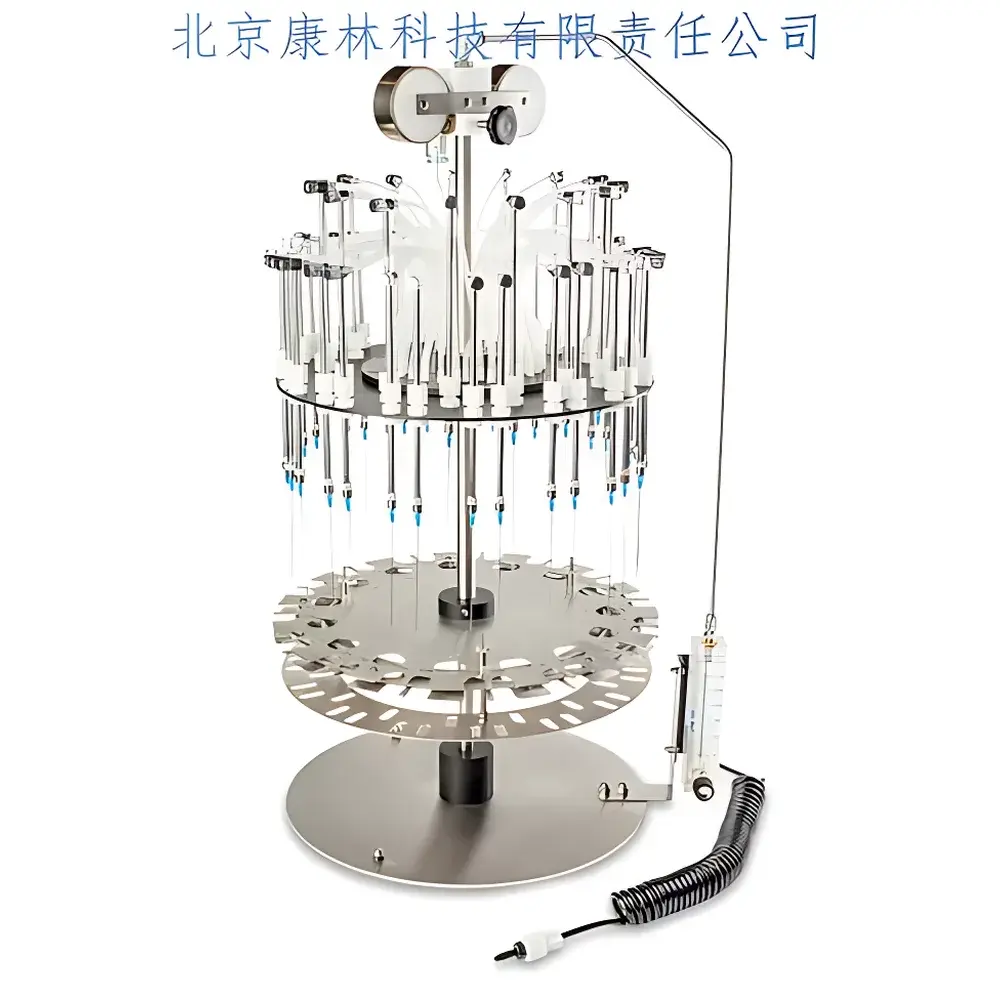
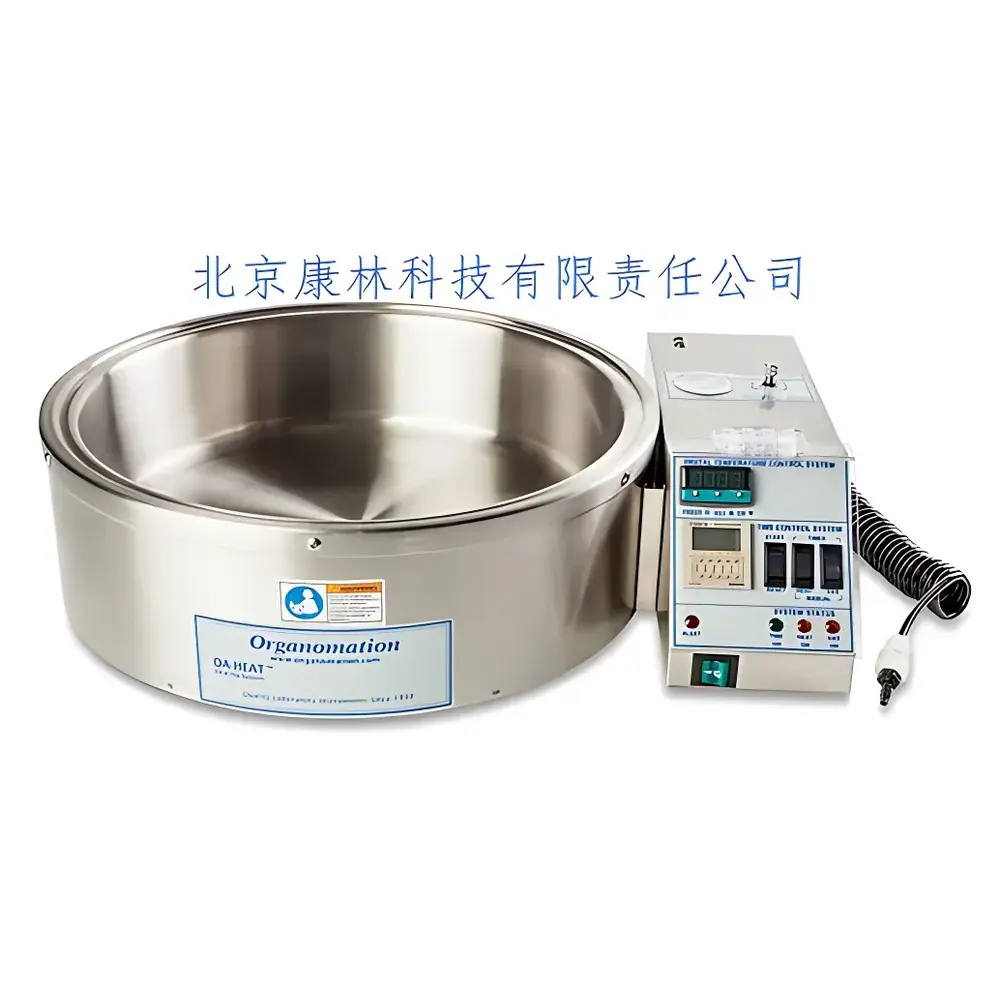
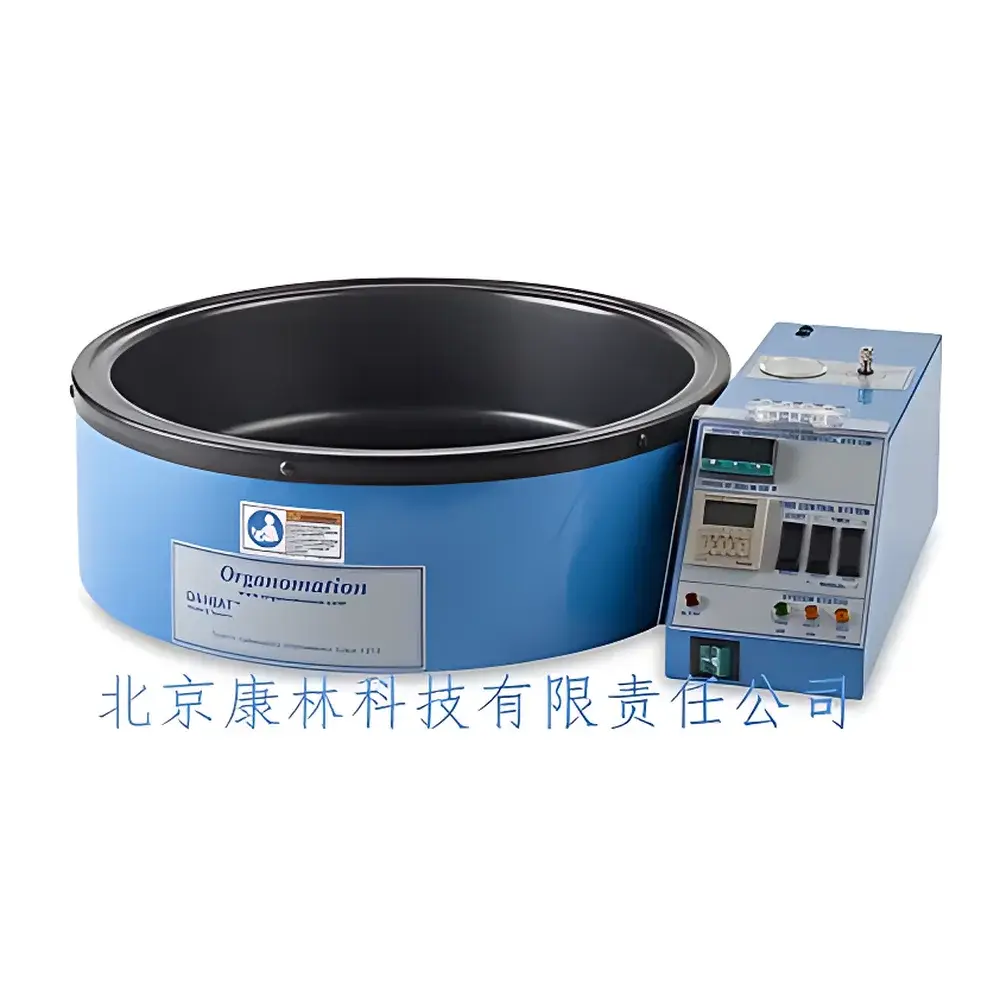
Organomation N-EVAP 45-Position Nitrogen Evaporator
| Brand | Organomation |
|---|---|
| Origin | USA |
| Model | N-EVAP 45-Position |
| Heating Method | Water Bath |
| Temperature Range | Ambient to 90 °C |
| Temperature Stability | ±0.5 °C |
| Tube Outer Diameter Range | 10–19 mm |
| Tube Inner Diameter Range | 10–29 mm |
| Gas Flow Rate | 0–30 LPM |
| Sample Capacity | 45 positions |
| Heating Power | 1400 W |
Overview
The Organomation N-EVAP 45-Position Nitrogen Evaporator is an engineered solution for controlled, parallel solvent removal in analytical sample preparation workflows. It operates on the principle of inert gas (typically nitrogen) displacement combined with precise water-bath heating to accelerate evaporation while minimizing analyte degradation, oxidation, or thermal decomposition. Designed for laboratories performing LC, GC, GC-MS, and LC-MS sample cleanup and concentration, the system delivers reproducible, low-variability concentration across all 45 sample positions. Its water-bath architecture ensures uniform thermal distribution—critical for volatile or thermally labile compounds—while eliminating hot spots associated with dry-block heaters. The unit complies with standard laboratory safety practices for use in fume hoods and integrates seamlessly into regulated environments where traceability and process consistency are required.
Key Features
- 45-position circular rotating sample manifold enabling full frontal access and ergonomic operation within confined fume hood spaces
- Digital electronic temperature control with LED display, maintaining setpoint accuracy within ±0.5 °C across ambient to 90 °C range
- Stainless steel construction throughout—including gas manifolds, needle guides, and bath housing—for compatibility with organic solvents and optional acid-resistant coating variants
- Individual stainless steel 4-inch, 19-gauge needles per position, field-replaceable and precisely aligned over tube openings
- Independent needle valve control at each port, allowing differential gas flow optimization per sample based on volatility, volume, or matrix complexity
- Integrated rotameter with needle valve for total system gas flow regulation (0–30 LPM), calibrated for nitrogen at standard conditions
- Low gas consumption design: ~330 mL/min per position at typical operating settings, reducing nitrogen cylinder usage and operational cost
- Robust support structure with concentric coil spring lift mechanism for smooth, tool-free elevation and lowering of the sample holder
- Water bath dimensions: 40.6 cm (ID) × 11.4 cm (depth); external heater footprint: 61 × 48 × 15 cm (W×D×H)
- 1400 W high-efficiency heating element with rapid thermal recovery and stable equilibrium performance
Sample Compatibility & Compliance
The N-EVAP 45 accommodates a broad range of container formats including round-bottom test tubes (10–19 mm OD / 10–29 mm ID), conical centrifuge tubes, and small-volume vials (1–50 mL capacity). Its modular needle alignment system supports variable tube heights and diameters without adapter kits. All wetted materials meet USP Class VI and ASTM F708 standards for biocompatibility and chemical resistance. While not intrinsically certified for GMP/GLP environments, the instrument’s design supports compliance with FDA 21 CFR Part 11 when paired with validated SOPs and electronic log systems—particularly regarding temperature logging, gas flow verification, and maintenance records. It is routinely deployed in laboratories adhering to ISO/IEC 17025, USP , and ASTM D5291 methodologies for residual solvent analysis and extractables profiling.
Software & Data Management
The N-EVAP 45 is a stand-alone analog-digital hybrid instrument with no embedded firmware or network interface. Temperature setpoint and real-time bath reading are displayed via front-panel LED. For audit-ready documentation, users integrate external calibrated data loggers (e.g., Omega OM-DAQPRO-5300 or Testo 176 T4) connected to PT100 probes immersed in the bath. These devices record timestamped temperature profiles at user-defined intervals (e.g., every 30 seconds), generating CSV or PDF reports compliant with GLP requirements. Optional third-party SCADA interfaces can map gas pressure transducers and flow meters to centralized LIMS platforms for automated batch-level metadata capture.
Applications
- Concentration of environmental extracts (e.g., EPA Methods 508, 525, 8082) prior to GC-ECD or GC-MS analysis
- Preparative cleanup of pharmaceutical formulations under ICH Q5C stability protocols
- Reduction of solvent volume in forensic toxicology samples before derivatization and LC-MS/MS quantitation
- High-throughput drying of lipidomics and metabolomics fractions isolated via SPE or LLE
- Residual solvent removal from polymer leachates per USP and Ph. Eur. 2.4.24
- Standardized evaporation in food safety labs performing pesticide multiresidue analysis (AOAC 2007.01)
FAQ
Can the N-EVAP 45 be used with compressed air instead of nitrogen?
Yes—though nitrogen is preferred for oxygen-sensitive analytes, the system accepts clean, oil-free compressed air within the specified inlet pressure range (30–150 psig). Filter regulators are strongly recommended to prevent moisture or particulate contamination.
Is the water bath resistant to strong acids such as concentrated HNO₃ or HF?
The standard stainless steel bath is corrosion-resistant to most organic solvents and dilute mineral acids. For aggressive acid applications, specify the optional acid-resistant epoxy-coated version at time of order.
What maintenance is required to ensure long-term temperature accuracy?
Annual calibration of the integrated temperature sensor against a NIST-traceable reference thermometer is recommended. Bath fluid should be replaced every 6 months or sooner if discoloration or precipitate formation occurs.
Does Organomation provide IQ/OQ documentation support?
Yes—factory-issued Installation Qualification (IQ) templates and Operational Qualification (OQ) test protocols are available upon request, supporting user-executed validation under GxP frameworks.
Can the unit be operated outside a fume hood?
No—it must be installed in a certified chemical fume hood with minimum face velocity of 0.5 m/s, as solvent vapors generated during evaporation require active exhaust management per OSHA 1910.1200 and local EH&S regulations.



