
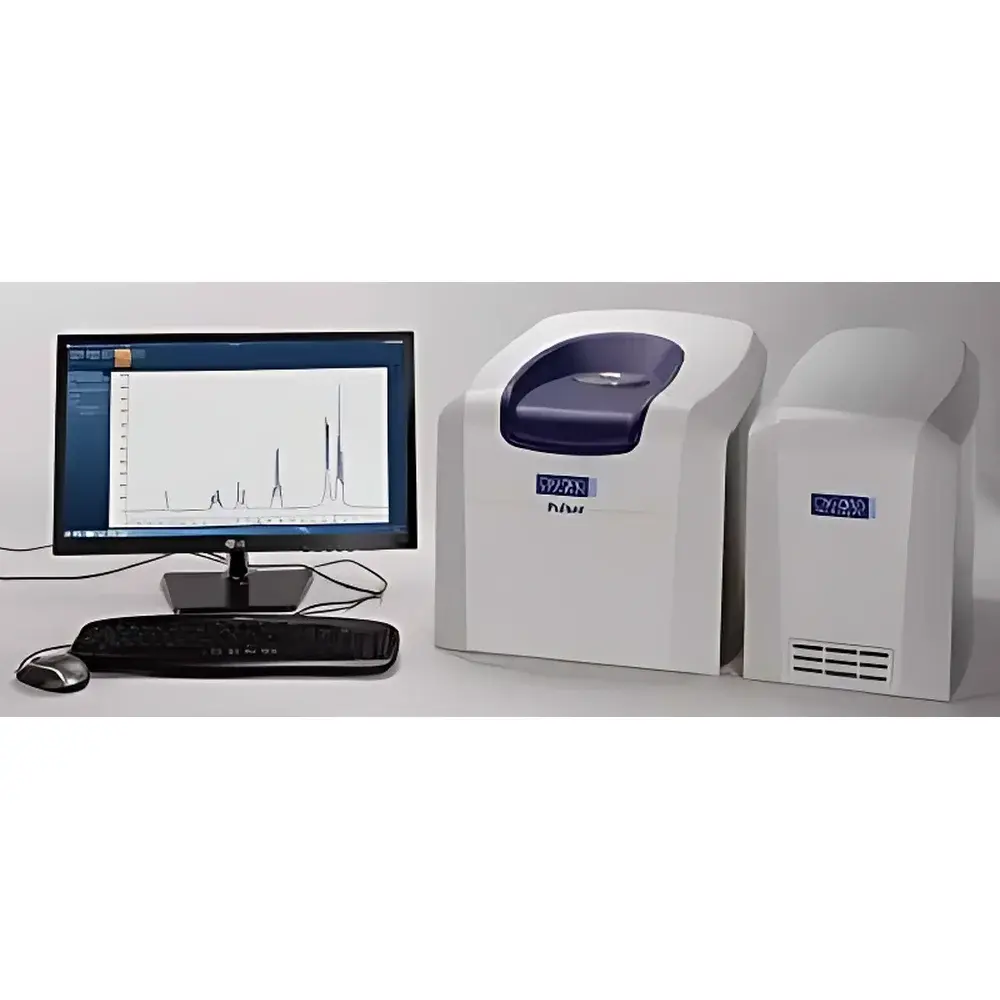
Oxford Instruments PULSAR-60 Benchtop High-Resolution NMR Spectrometer
| Brand | Oxford Instruments |
|---|---|
| Origin | United Kingdom |
| Model | PULSAR-60 |
| Instrument Type | Low-Field NMR Analyzer |
| Sample Compatibility | Solid and Liquid Samples |
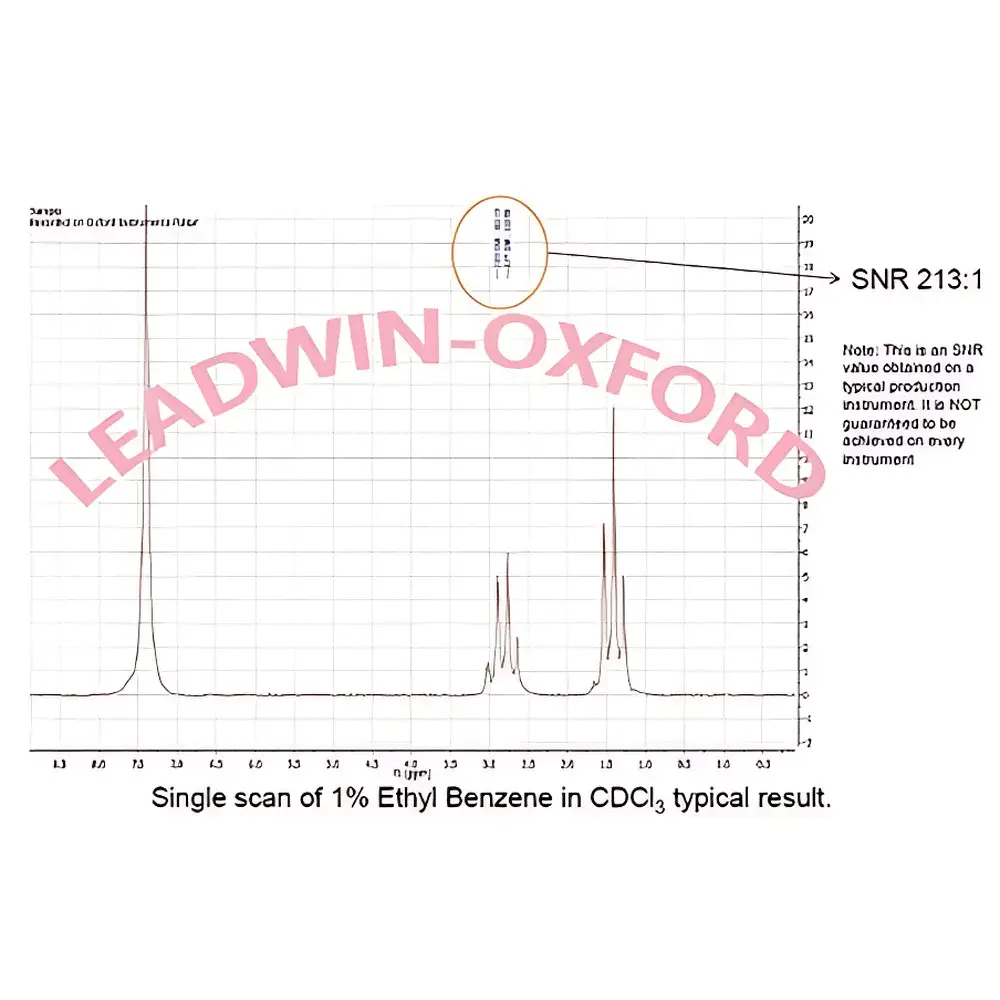
| Sensitivity | SNR ≥ 100:1 at 2.6 ppm for 1% ethylbenzene (single scan) |
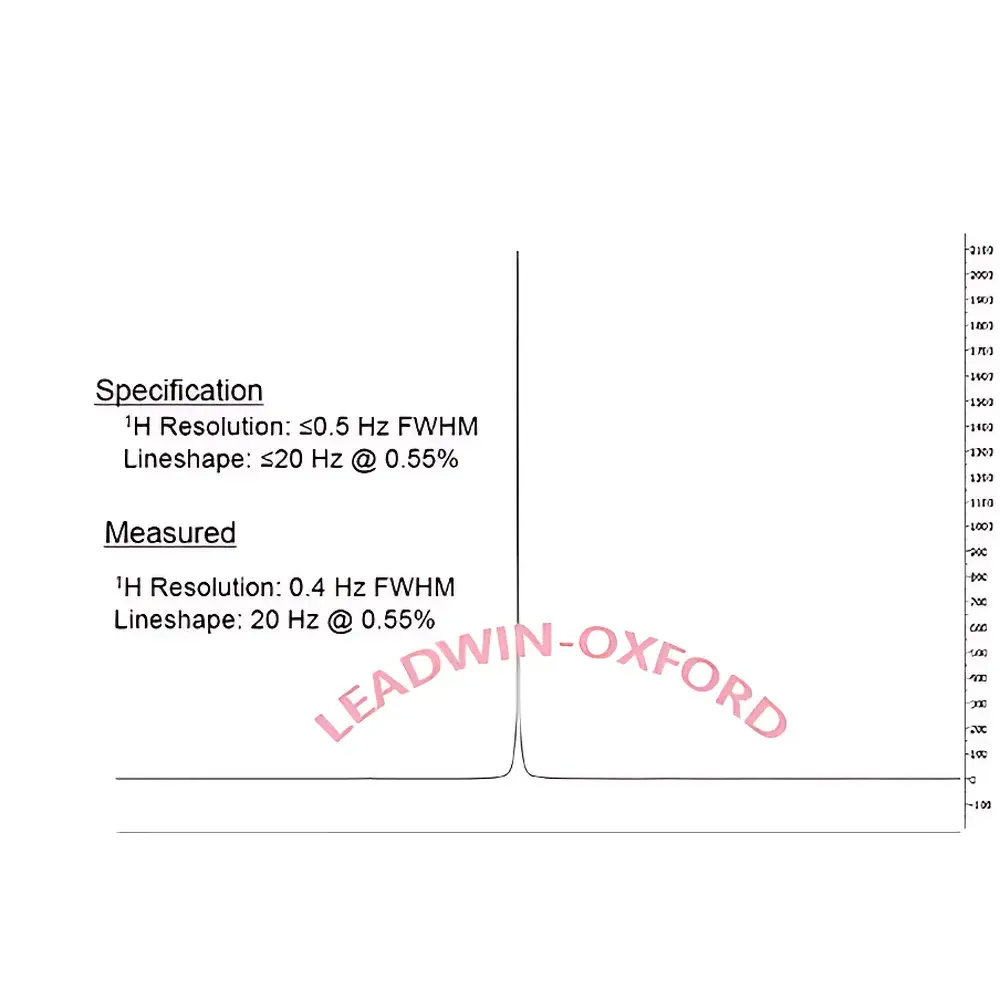
| Resolution | 0.5 Hz (0.0083 ppm) |
| Operating Frequency | 60 MHz (1.4 T permanent magnet) |
| Sample Tube | Standard 5 mm OD NMR tube |
| Cryogen-Free Operation | Yes (permanent magnet, no liquid nitrogen or helium required) |
Overview
The Oxford Instruments PULSAR-60 is a compact, cryogen-free benchtop nuclear magnetic resonance (NMR) spectrometer engineered for high-resolution ¹H NMR analysis in academic, pharmaceutical, and industrial quality control laboratories. Unlike conventional superconducting NMR systems, the PULSAR-60 employs a precisely stabilized, high-homogeneity permanent magnet operating at 1.4 tesla (60 MHz for ¹H), eliminating dependency on liquid cryogens, compressed air, or external cooling infrastructure. Its design leverages advanced shimming architecture—including 20 independent shim coils—to achieve a linewidth of ≤0.5 Hz (0.0083 ppm) under routine operating conditions, enabling spectral resolution comparable to early-generation 200 MHz superconducting instruments for routine structural verification and quantitative analysis. The system is optimized for standard 5 mm NMR tubes and deuterated solvents, ensuring full method compatibility with high-field NMR workflows and facilitating seamless data correlation across instrument platforms.
Key Features
- Cryogen-free operation: Permanent magnet system requires only AC power—no liquid nitrogen, liquid helium, or auxiliary gas supplies.
- High field homogeneity: Integrated 20-channel active shimming enables reproducible <0.5 Hz linewidth without manual tuning.
- Standardized sample handling: Fully compatible with 5 mm outer-diameter NMR tubes and common deuterated solvents (e.g., CDCl₃, DMSO-d₆), supporting direct method transfer from high-field systems.
- Robust architecture: Vibration-isolated magnet housing and temperature-stabilized probe ensure long-term signal stability and measurement repeatability.
- Low total cost of ownership: Minimal maintenance requirements, no cryogen replenishment, and reduced facility infrastructure demands significantly lower operational expenditure over instrument lifetime.
- Intuitive hardware interface: Plug-and-play connectivity via Ethernet; all RF and gradient subsystems are fully integrated and factory-aligned.
Sample Compatibility & Compliance
The PULSAR-60 supports both liquid and semi-solid samples in standard 5 mm NMR tubes, including organic synthesis products, polymer solutions, pharmaceutical intermediates, and petroleum fractions. It complies with ISO/IEC 17025 general requirements for competence of testing and calibration laboratories, and its digital acquisition architecture supports audit-ready data provenance per FDA 21 CFR Part 11 when deployed with validated software configurations. While not intended for clinical diagnostics, the system meets ASTM E2998–15 standards for performance verification of benchtop NMR spectrometers used in chemical identity confirmation and purity assessment. Routine calibration uses standardized reference compounds (e.g., 0.1% ethylbenzene in CDCl₃), traceable to NIST SRM 1999a.
Software & Data Management
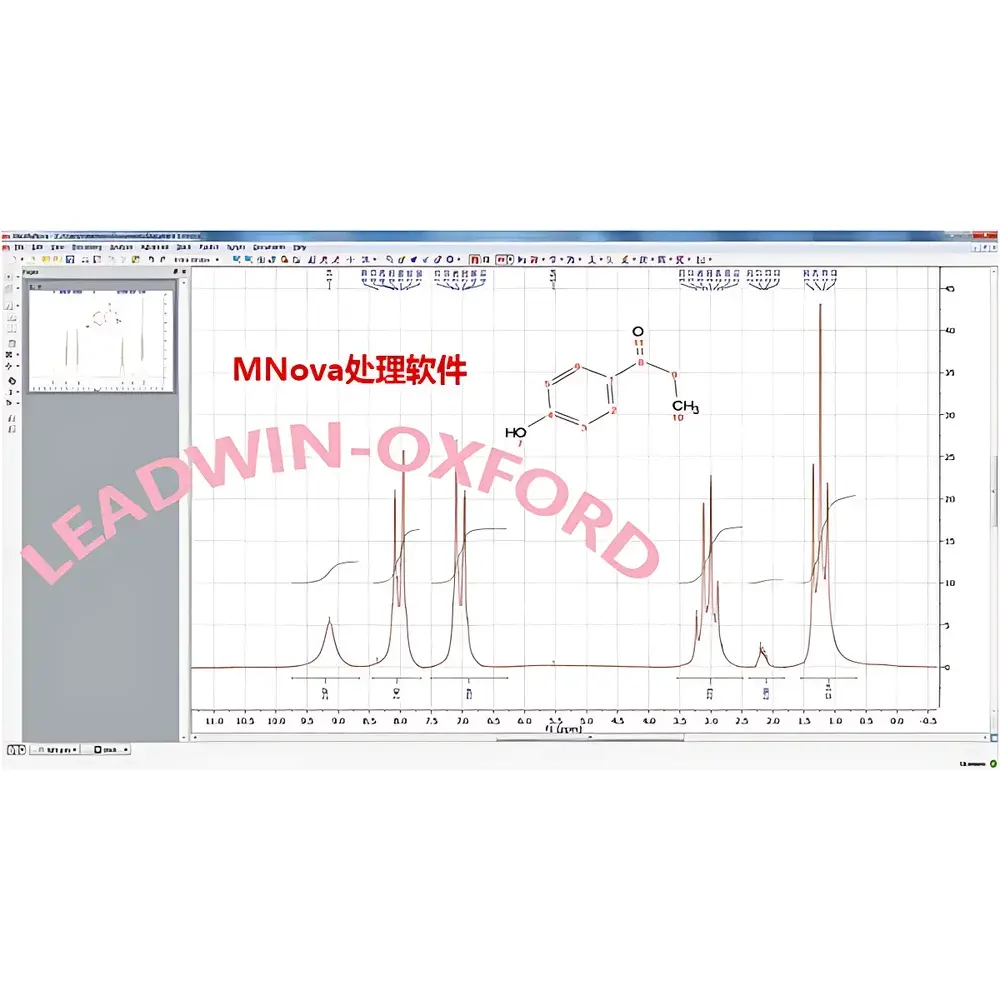
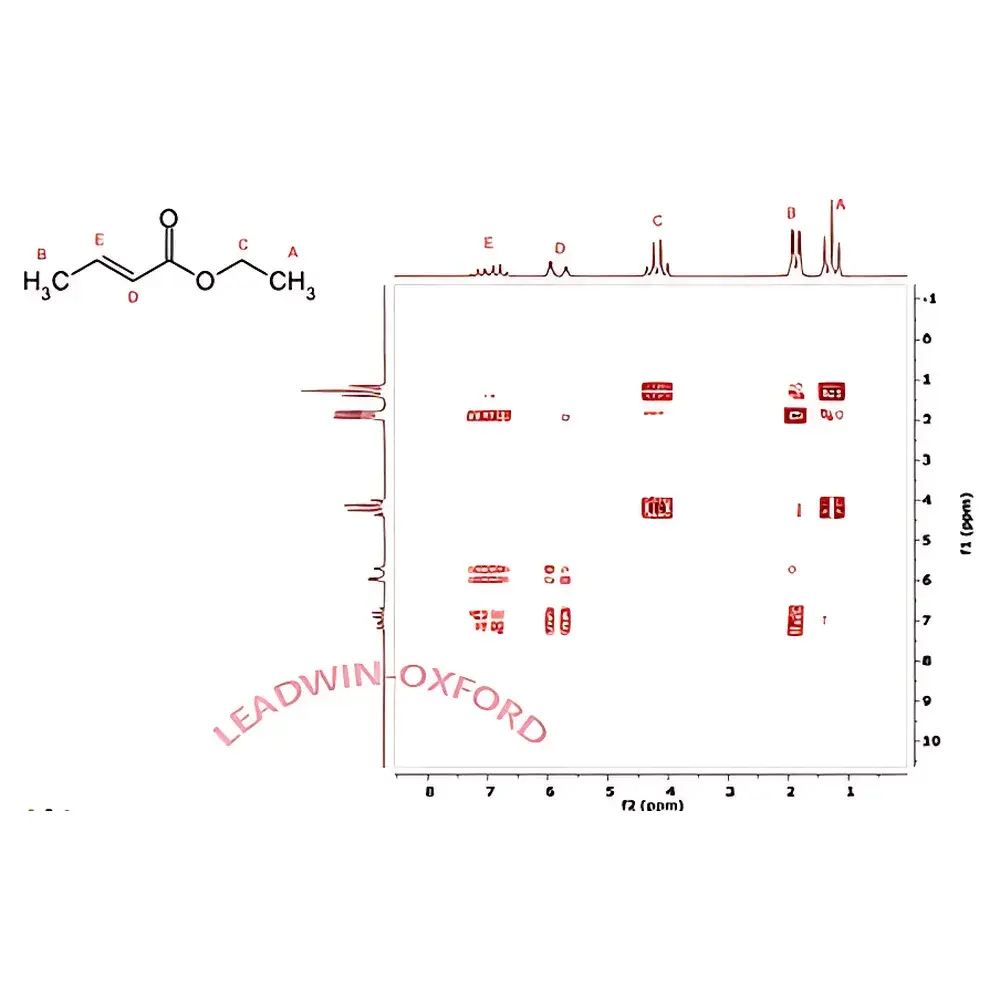
The PULSAR-60 operates with Oxford Instruments’ proprietary TopSpin-based software suite (v4.2+), providing full pulse sequence programming, phase cycling, and multidimensional experiment support (including ¹H–¹H COSY and ¹H–¹³C HSQC with inverse detection). All raw FID data are stored in Bruker-format fid files with embedded metadata (acquisition time, shim settings, temperature logs, operator ID). Software includes built-in tools for automated peak integration, quantitative ratio calculation, and batch processing of QA/QC sample sets. Audit trail functionality records all parameter modifications, processing steps, and user actions—fully compliant with GLP and GMP documentation requirements. Data export supports CSV, JCAMP-DX, and MestReNova-compatible formats for third-party analysis and LIMS integration.
Applications
- Academic teaching and research: Routine ¹H NMR characterization of synthetic organic compounds and polymers in undergraduate and graduate thesis work.
- Pharmaceutical development: Identity confirmation and purity assessment of active pharmaceutical ingredients (APIs) and synthetic intermediates during route scouting and process optimization.
- Polymer science: End-group analysis, copolymer composition determination, and solvent interaction studies in solution-state NMR.
- Petrochemical QA/QC: Quantitative analysis of hydrocarbon composition (e.g., paraffin/olefin/aromatic ratios) and moisture content in refined fuels and lubricants.
- Method bridging: Complementary use alongside high-field NMR systems—same sample preparation, identical referencing (TMS), and consistent reporting formats—enabling cross-platform validation and accelerated screening workflows.
FAQ
Is the PULSAR-60 suitable for quantitative NMR (qNMR)?
Yes—the system delivers high linearity and precision for qNMR applications when calibrated using certified reference standards and validated internal/external quantification protocols.
Does it support ¹³C or other nuclei beyond ¹H?
The base configuration is optimized for ¹H detection; optional broadband probe modules enable ¹⁹F, ³¹P, and ¹³C observation, though sensitivity for low-gamma nuclei remains limited relative to high-field systems.
What is the typical temperature range for sample measurements?
The probe operates at ambient temperature (20–25 °C) with ±0.5 °C stability; variable-temperature capability is not included in the standard configuration.
Can raw data be processed externally using third-party software?
Yes—FID files are natively compatible with Mnova, ACD/Labs, and TopSpin; all metadata are preserved in the file header for traceability.
Is service and technical support available globally?
Oxford Instruments provides direct engineering support through regional service centers in North America, EMEA, and APAC, with remote diagnostics and on-site intervention options under extended warranty or service agreements.




