
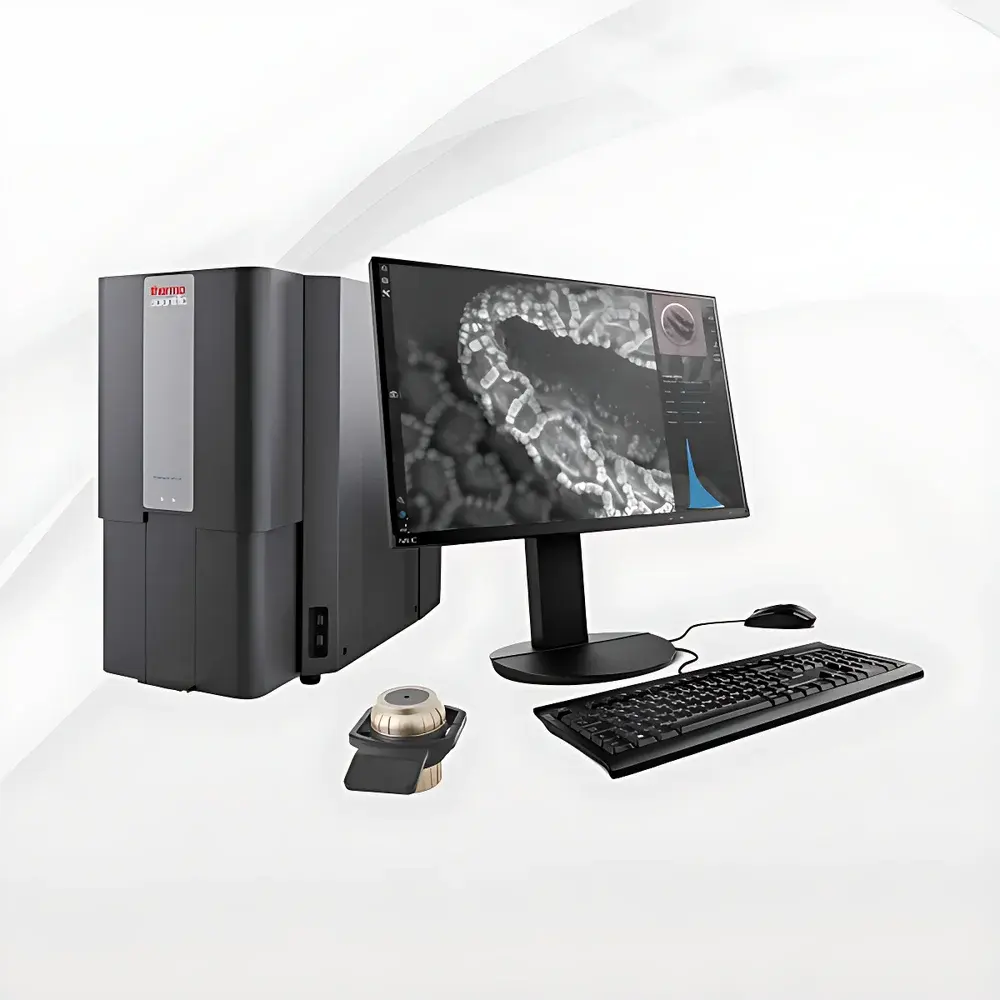
Phenom ProX_2 Desktop Scanning Electron Microscope for Battery Materials Characterization
| Brand | Phenom |
|---|---|
| Origin | Netherlands |
| Manufacturer Type | Original Equipment Manufacturer (OEM) |
| Import Status | Imported |
| Model | Phenom ProX_2 |
| Instrument Type | Benchtop SEM |
| Electron Source | Cerium Hexaboride (CeB₆) |
| Secondary Electron Resolution | ≤6 nm |
| Maximum Magnification | 350,000× |
| Accelerating Voltage Range | 4.8–20.5 kV |
| Backscattered Electron Resolution | ≤6 nm |
Overview
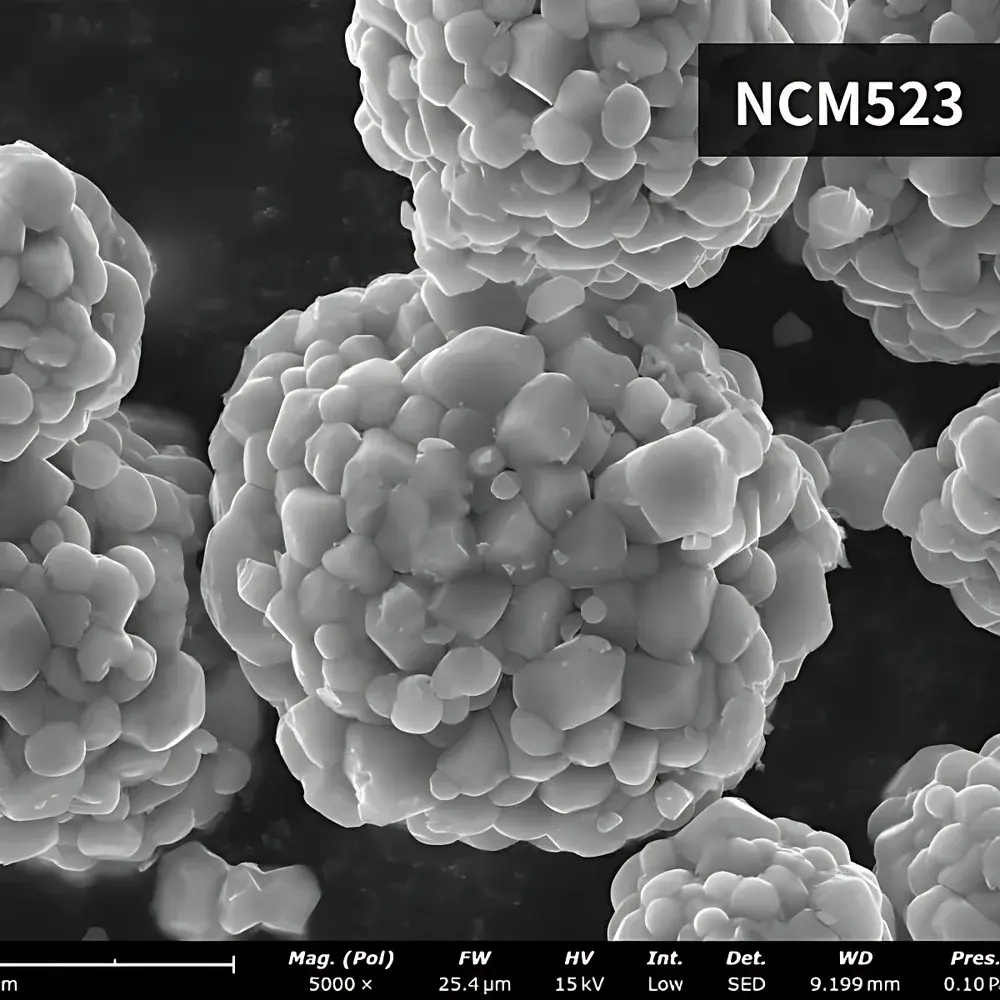
The Phenom ProX_2 is a high-performance benchtop scanning electron microscope (SEM) engineered specifically for rapid, high-fidelity characterization of battery materials in R&D, quality control, and failure analysis laboratories. Operating on the principle of electron-sample interaction—where a focused beam of electrons scans across the specimen surface to generate secondary electron (SE), backscattered electron (BSE), and characteristic X-ray signals—the ProX_2 delivers nanoscale morphological imaging and quantitative elemental composition analysis without requiring ultra-high vacuum or dedicated infrastructure. Its CeB₆ thermionic electron source ensures stable beam current, extended lifetime (>1500 h), and superior signal-to-noise ratio compared to tungsten filaments—critical for consistent imaging of beam-sensitive cathode particles (e.g., NMC811, LFP), anode composites (Si/C hybrids), and solid electrolyte interfaces (SEI). Designed for integration into battery material development workflows, the system supports real-time correlation between microstructure, phase distribution, and elemental stoichiometry—enabling accelerated optimization of electrode slurry homogeneity, coating uniformity, and degradation mechanism studies.
Key Features
- Benchtop architecture with integrated vacuum system: Achieves operational vacuum in <15 seconds via turbomolecular pumping—eliminating need for external roughing pumps or facility vacuum lines.
- Dual-detector imaging: Simultaneous acquisition of SE and BSE signals enables topographic contrast (SE) and atomic number contrast (BSE) for distinguishing Li-rich phases, carbon black networks, and metallic current collector features.
- Integrated energy-dispersive X-ray spectroscopy (EDS): Fully embedded silicon drift detector (SDD) with optimized geometry for high-count-rate acquisition; supports point, line, and area mapping of key battery elements (Li, Ni, Co, Mn, Fe, P, F, O).
- Next-generation Phenom software platform: Intuitive touch-enabled interface with one-click auto-focus, stigmation, and brightness/contrast optimization—reducing operator dependency and training time.
- Automated measurement suite: Enables batch processing of particle size distribution (PSD), aspect ratio, circularity, and agglomerate counting directly from SEM images—exportable as CSV or PDF reports compliant with internal QA documentation standards.
- Robust mechanical design: Vibration-damped optical column and electromagnetic shielding ensure stable imaging even in non-dedicated lab environments (e.g., shared QC floors, pilot production labs).
Sample Compatibility & Compliance
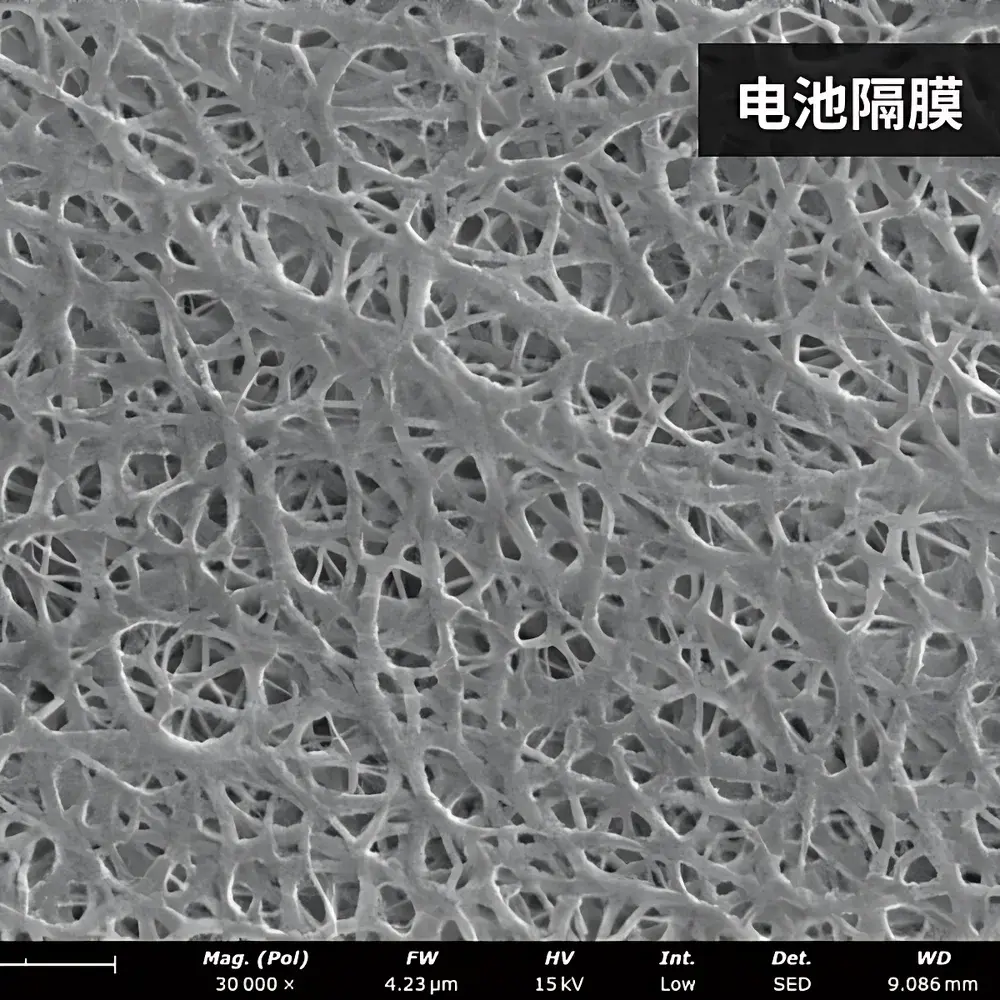
The Phenom ProX_2 accommodates a broad range of battery-relevant specimens—including uncoated cathode powders (NMC, LFP), cross-sectioned electrodes (embedded in epoxy resin), separator membranes, and cycled anode foils—without mandatory conductive coating, thanks to low-kV imaging capability (down to 4.8 kV) and charge compensation algorithms. All hardware and software modules comply with ISO/IEC 17025 requirements for testing laboratories, and the EDS data acquisition workflow supports audit trails aligned with GLP and GMP documentation practices. While direct lithium quantification remains challenging due to its low X-ray yield, the system facilitates semi-quantitative assessment of relative Li distribution via correlated BSE/EDS mapping—validated against reference standards traceable to NIST SRM materials.
Software & Data Management
Phenom’s proprietary software includes full support for ASTM E1558 (Standard Guide for SEM Imaging of Particulate Materials) and ISO 16700 (Quantitative Elemental Microanalysis by EDS). Raw image and spectrum files are stored in vendor-neutral formats (TIFF, .spc) with embedded metadata (accelerating voltage, working distance, dwell time, detector type). The reporting module generates customizable templates adhering to internal SOPs, including automatic inclusion of scale bars, measurement annotations, and statistical summaries. For regulated environments, optional 21 CFR Part 11-compliant user access control, electronic signatures, and immutable audit logs are available via licensed software extension.
Applications
- Characterization of high-nickel cathode morphology evolution during cycling (crack initiation, surface reconstruction)
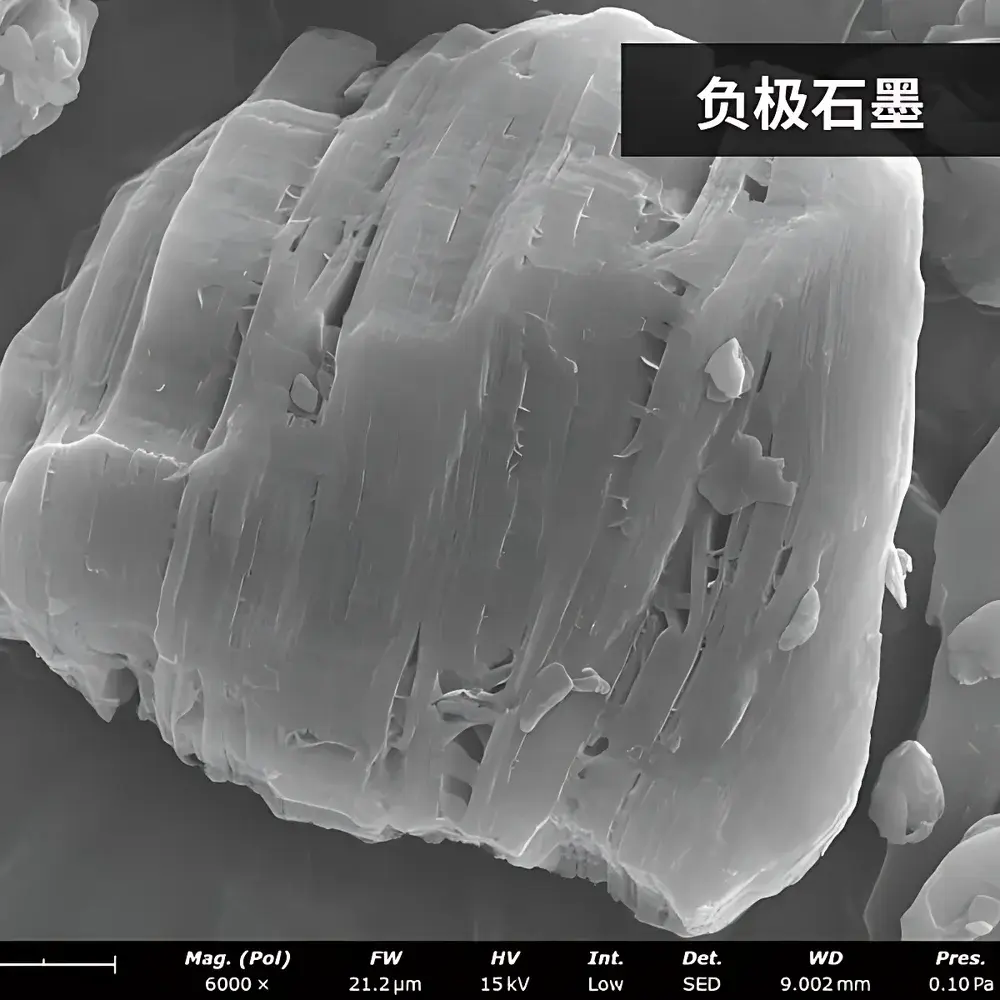
- Quantitative analysis of silicon nanoparticle dispersion in graphite composite anodes
- SEI layer thickness and compositional heterogeneity mapping on lithiated graphite
- Defect identification in ceramic-coated separators (pinholes, agglomerates, thickness variation)
- Elemental segregation analysis at grain boundaries in solid-state electrolytes (e.g., LLZO, LATP)
- Batch-to-batch consistency verification of precursor powders per ISO 13322-2 (Particle Size Analysis – Electron Microscopy)
FAQ
Can the Phenom ProX_2 perform lithium quantification?
Lithium detection is limited by its low fluorescence yield and absorption in standard EDS detectors; however, relative Li distribution can be inferred indirectly through stoichiometric correlations with transition metals (e.g., Ni/Mn/Co ratios) and oxygen mapping.
Is conductive coating required for battery electrode samples?
Not routinely—low-voltage imaging (≤5 kV) combined with charge compensation allows direct observation of uncoated, insulating materials such as LFP or PVDF binders.
How does the ProX_2 compare to floor-standing SEMs for battery analysis?
While lacking sub-nm resolution of field-emission SEMs, the ProX_2 delivers statistically robust, high-throughput data for routine QC and process monitoring—with significantly lower cost of ownership, footprint, and operational complexity.
What sample preparation methods are recommended for cross-sectional battery analysis?
Focused ion beam (FIB) milling remains optimal for artifact-free interfaces; however, ultramicrotomy and dimpling followed by low-angle Ar⁺ ion polishing are viable alternatives compatible with ProX_2’s resolution capabilities.
Does the system support automated particle analysis for cathode powder batches?
Yes—via the built-in ParticleMetric module, which applies ISO-compliant segmentation algorithms to classify and measure >10,000 particles per image, with configurable filters for shape, size, and intensity thresholds.






