
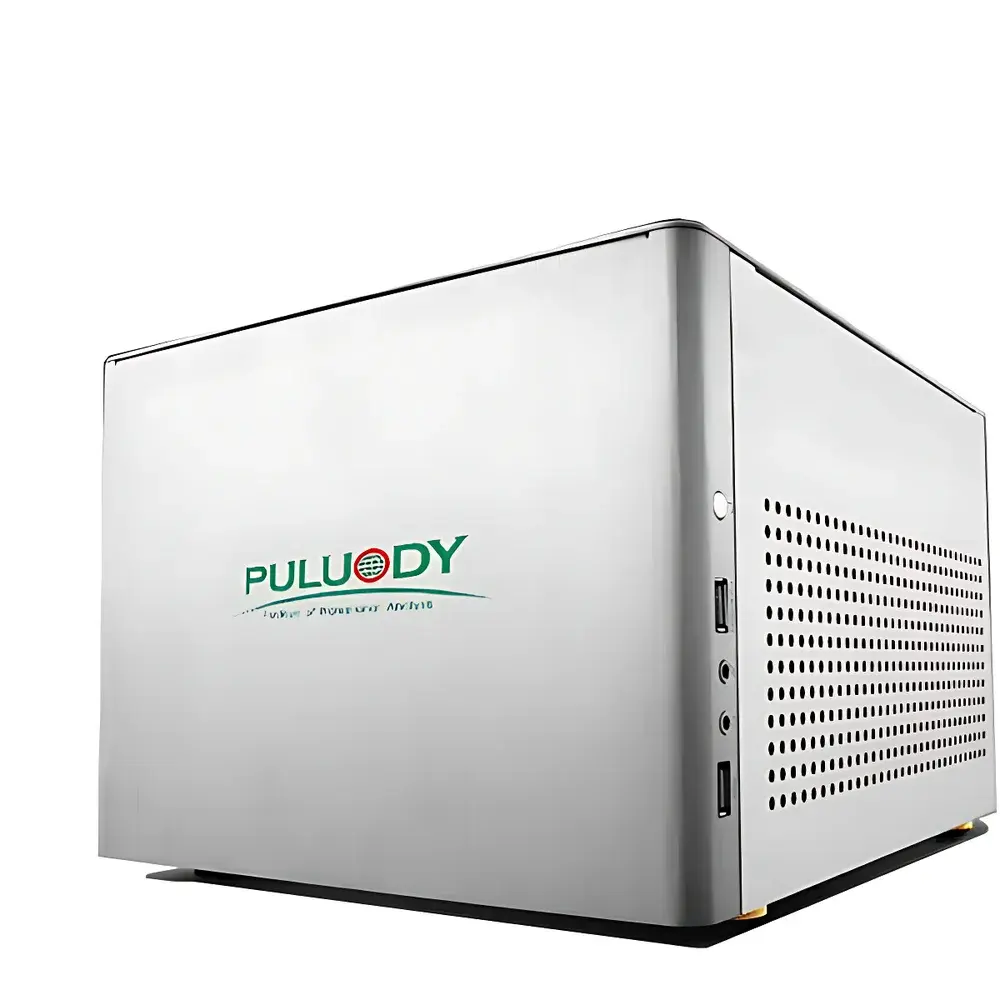
PULUODY PMT-2CD Dual-Laser Narrow-Beam Liquid Particle Counter for In-Line and Off-Line Lithium-Ion Battery Slurry Monitoring
| Brand | PULUODY |
|---|---|
| Origin | Shaanxi, China |
| Manufacturer Type | Authorized Distributor |
| Country of Origin | China |
| Model | PMT-2CD |
| Price | USD 75,000 (FOB) |
| Detection Range | 1–450 µm |
| Calibration Standard | ISO 21501-4 / JJG 1061 / NIST-Traceable Latex Spheres |
| Sensor Generation | 8th-Generation Dual-Laser Narrow-Beam Optical Sensor |
| Flow Control | Precision Piston Pump + Electromagnetic Flow Regulation |
| Accuracy | ±3% typical |
| Sampling Precision | <±1% |
| Coincidence Limit | ≤2.5% error at 1000 particles/mL |
| Output | 4–20 mA analog signal with customizable particle concentration alarm threshold |
| Data Interface | iPad-compatible wireless acquisition system |
| Software | V8.3 Integrated Analysis & Calibration Software (PC + Standalone Touchscreen Mode) |
| Compliance | Designed to support ISO 14644-1 cleanroom monitoring, USP <788> and <789>, ASTM F3231, and GLP/GMP-aligned audit trail requirements |
Overview
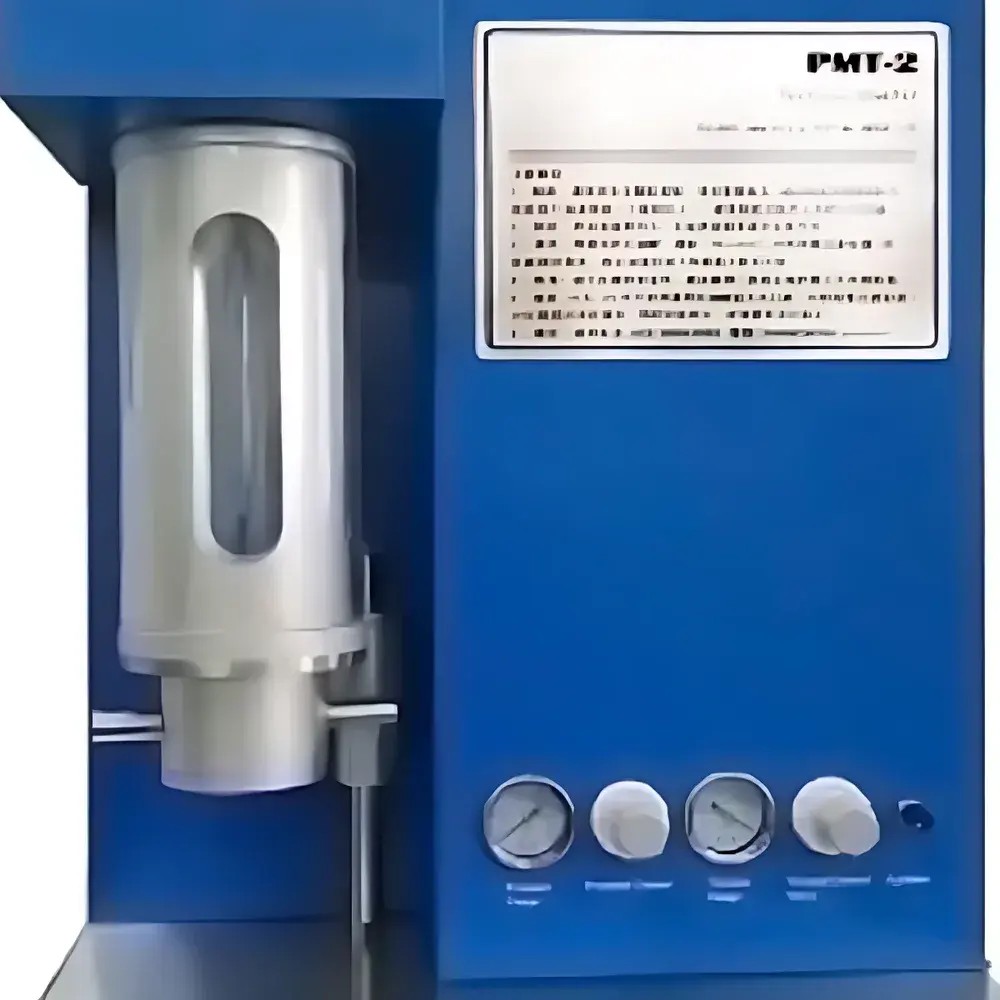
The PULUODY PMT-2CD is an advanced dual-laser narrow-beam liquid particle counter engineered specifically for high-sensitivity particulate contamination monitoring in lithium-ion battery electrode slurry manufacturing processes. It operates on the principle of light obscuration (LO) combined with dual-wavelength laser scattering discrimination—enabling reliable detection and sizing of insoluble particles across a broad dynamic range (1–450 µm) in conductive, viscous, and optically heterogeneous slurries. Unlike conventional single-beam instruments, the eighth-generation optical sensor employs two spatially separated, collimated laser sources with narrow beam profiles (<0.3 mm diameter), minimizing Mie scattering interference and improving resolution for sub-5 µm particles critical in cathode/anode slurry quality control. The system supports both in-line process integration—via pressurized flow cells and sanitary fittings—and off-line laboratory analysis using calibrated syringe-based sampling. Its architecture meets functional safety requirements for continuous operation in Class 100–Class 1000 cleanrooms and is routinely deployed upstream of coating, drying, and calendering stations to prevent defect propagation.
Key Features
- 8th-generation dual-laser narrow-beam optical sensor with real-time pulse-height discrimination for improved size resolution and reduced coincidence error
- Integrated precision piston pump and electromagnetic flow regulator delivering stable, repeatable volumetric sampling at rates from 5–60 mL/min (adjustable)
- Touchscreen HMI with 10.1″ color LCD and optional wireless keyboard/mouse interface for flexible local operation
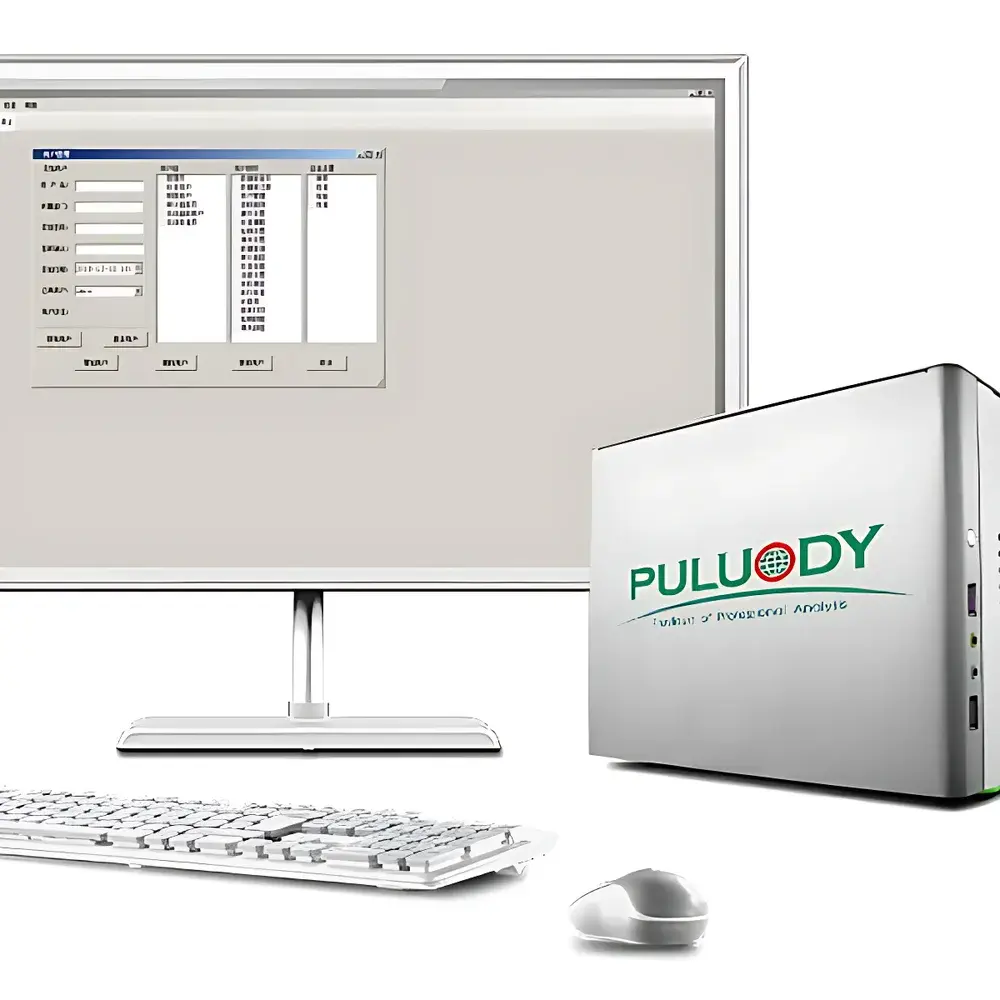
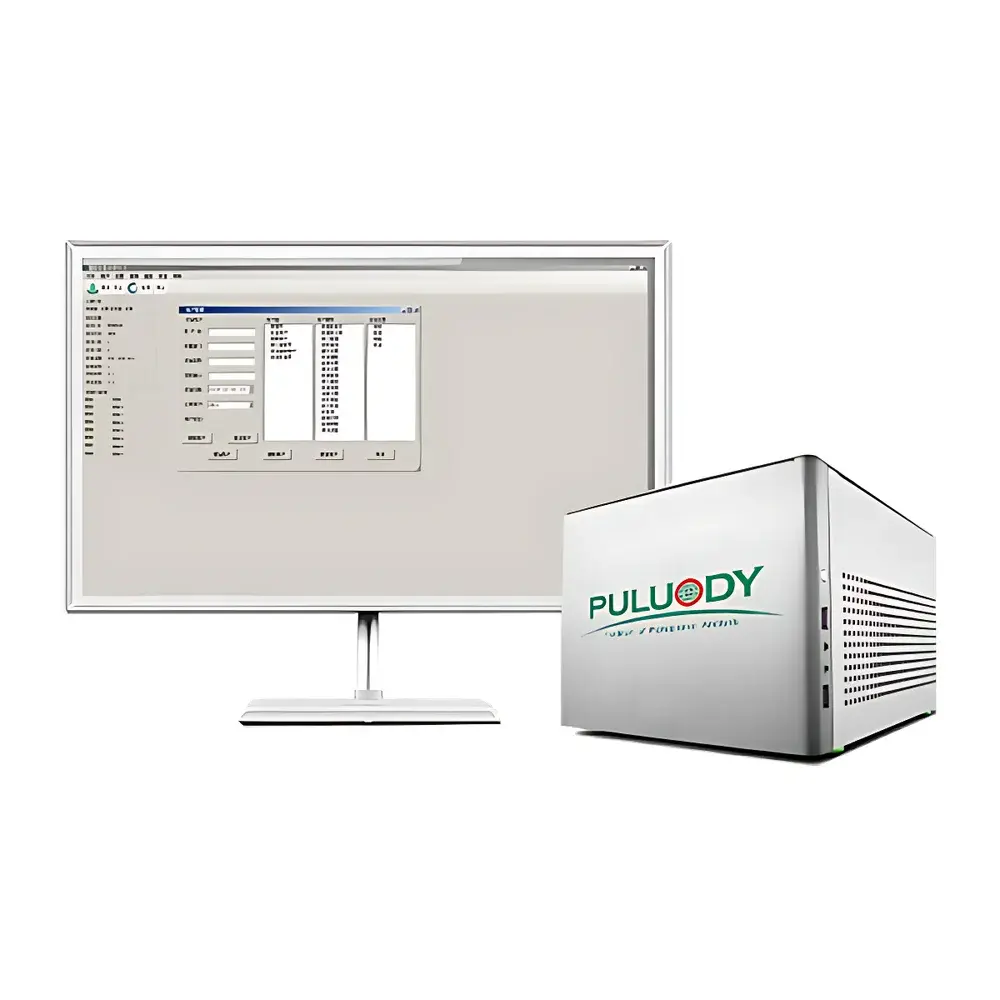
- V8.3 software suite supporting dual-mode operation: standalone touchscreen calibration & analysis, and PC-hosted advanced reporting with export to CSV, PDF, and XML formats
- Configurable detection thresholds—including user-defined channels (e.g., 1–100 µm or 4–70 µm(c)) and ISO 4406/ISO 11171-compliant coding
- 4–20 mA analog output with programmable alarm logic for integration into DCS/SCADA systems; optional Ethernet/IP or Modbus TCP communication module available
- Compliance-ready design with full audit trail logging, electronic signature support (21 CFR Part 11 optional), and traceable calibration against NIST-traceable latex standards per ISO 21501-4
Sample Compatibility & Compliance
The PMT-2CD is validated for use with aqueous and non-aqueous battery slurry formulations—including NMP-based cathode slurries (LiNiMnCoO₂, LiFePO₄), water-based anode slurries (graphite/SiOx/CMC/SBR), and low-viscosity solvents such as DMF and THF. It accommodates suspended solids up to 30 vol% and dynamic viscosity up to 15,000 cP when configured with heated flow path options. All wetted materials comply with USP Class VI biocompatibility and ASTM F2024 chemical resistance standards. Regulatory alignment includes support for ISO 14644-1 cleanroom classification, USP and subvisible particle testing protocols, ASTM F3231-21 for lithium battery electrolyte purity assessment, and IEC 62660-1 electrical performance qualification frameworks. Documentation packages include IQ/OQ templates, calibration certificates traceable to national metrology institutes, and GMP-compliant validation support files.
Software & Data Management
The V8.3 software platform separates analytical measurement functions from calibration management—a deliberate architectural choice to eliminate cross-contamination of reference data during routine operation. Each session logs operator ID, timestamp, environmental conditions (temperature/pressure), and raw pulse histograms. Reporting modules generate ISO 4406:2017 particle count codes, cumulative/differential distribution plots, trend charts with statistical process control (SPC) limits, and deviation alerts triggered by user-defined thresholds. Data integrity safeguards include encrypted local storage, automatic backup to network drives, role-based access control (RBAC), and configurable retention policies aligned with 21 CFR Part 11 Annex 11 requirements. Optional cloud synchronization enables remote fleet monitoring across multiple production lines.
Applications
Primary deployment contexts include real-time slurry homogeneity verification prior to slot-die coating; post-mixing contamination screening for metallic wear debris from dispersers and mills; QC release testing of recycled NMP solvent; and root-cause analysis of coating defects (e.g., pinholes, agglomerate streaks). Secondary applications span semiconductor CMP slurry monitoring, ultra-pure water loop surveillance in photovoltaic wafer fabrication, and nanoparticle dispersion stability assessment in conductive ink development. The instrument’s modular hardware design permits rapid reconfiguration for alternative matrices—including polymer melts (with heated cell option), pharmaceutical suspensions, and fuel additives—without recalibration.
FAQ
Can the PMT-2CD measure particles in undiluted cathode slurry with 65% solid content?
Yes—when equipped with the high-viscosity flow cell and temperature-controlled sample path (optional), it supports direct analysis of slurries up to 70 vol% solids and 20,000 cP viscosity.
Does the system meet FDA requirements for electronic records and signatures?
The V8.3 software offers an optional 21 CFR Part 11 compliance package including audit trail encryption, electronic signatures, and permission-level controls.
How often does the sensor require recalibration?
Annual calibration is recommended per ISO/IEC 17025 guidelines; however, daily verification using certified reference latex suspensions (e.g., 10 µm NIST SRM 1963) is standard practice in GMP environments.
Is offline mode compatible with portable power sources for field use?
Yes—the unit operates on universal AC input (100–265 V, 50/60 Hz) and can be powered via industrial-grade DC-AC inverters for mobile lab deployments.
What particle counting standards does the software support out-of-the-box?
ISO 4406:2017, NAS 1638, SAE AS4059F, and custom binning schemes defined per internal QC specifications.



