
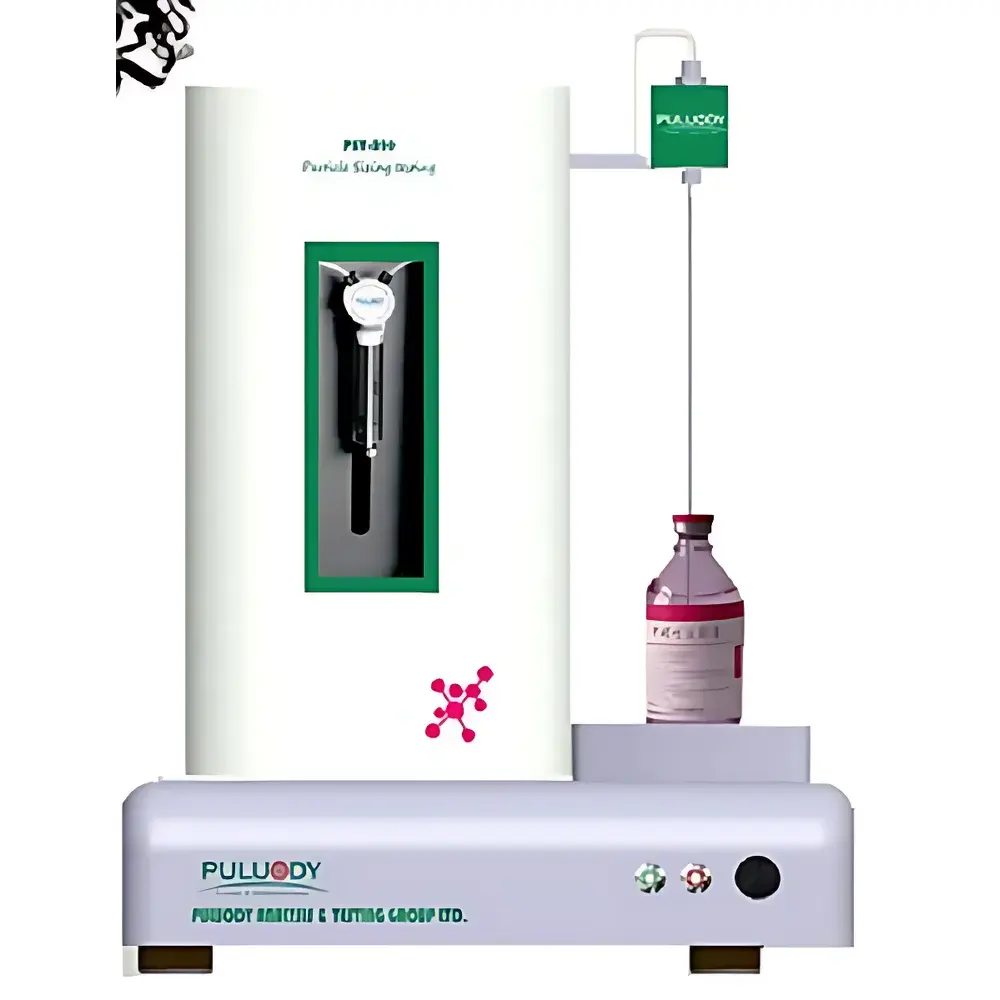
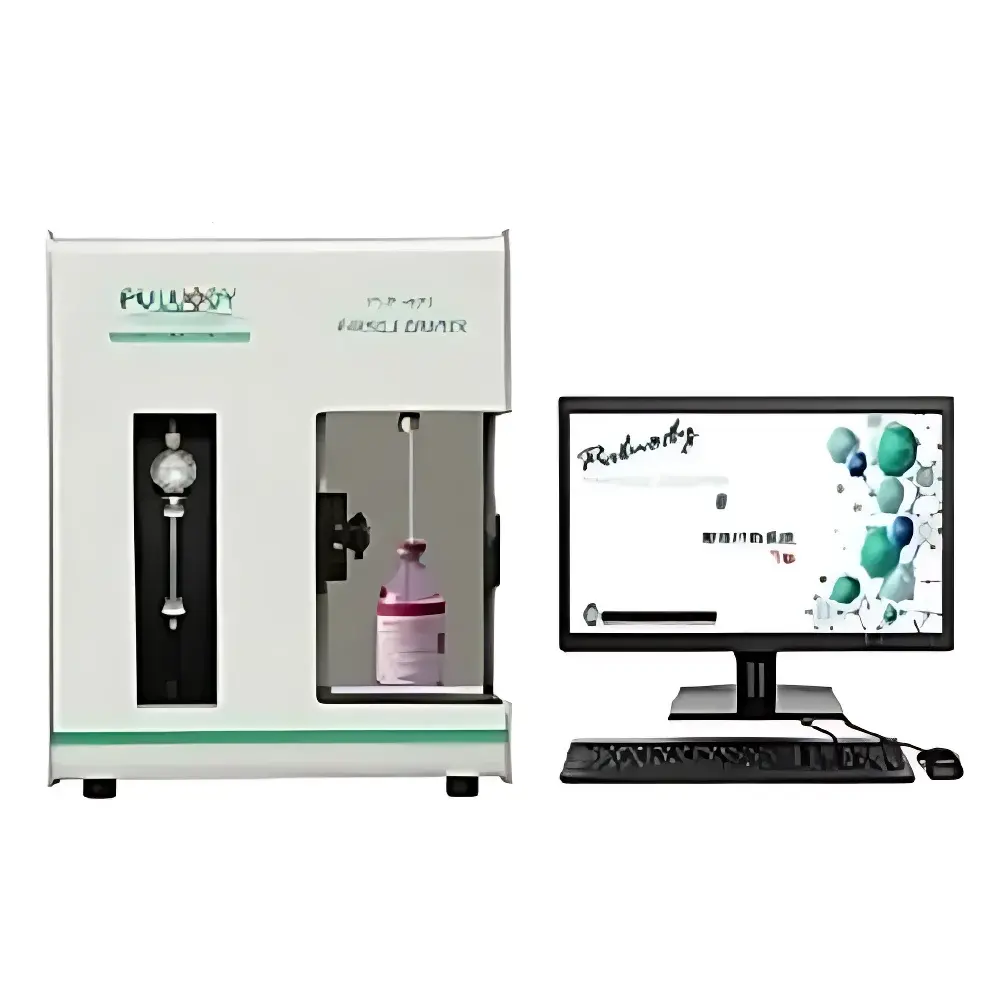
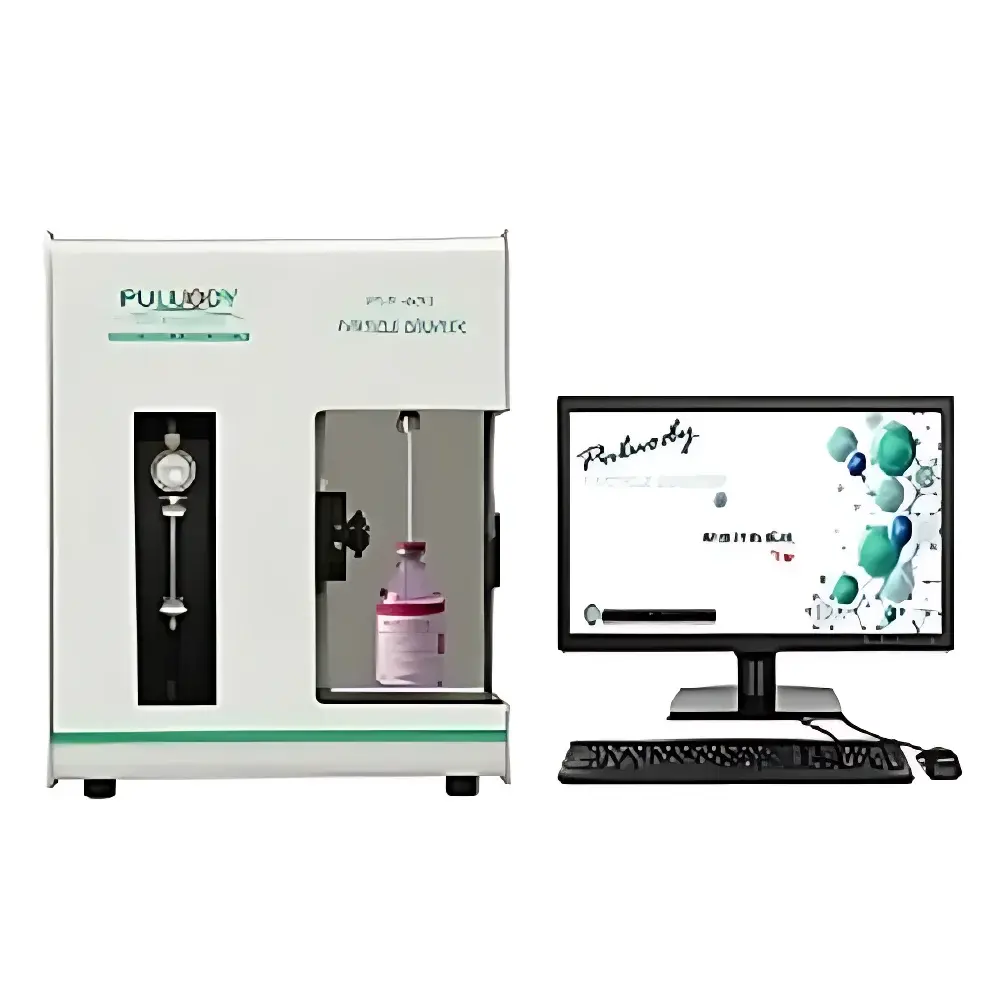
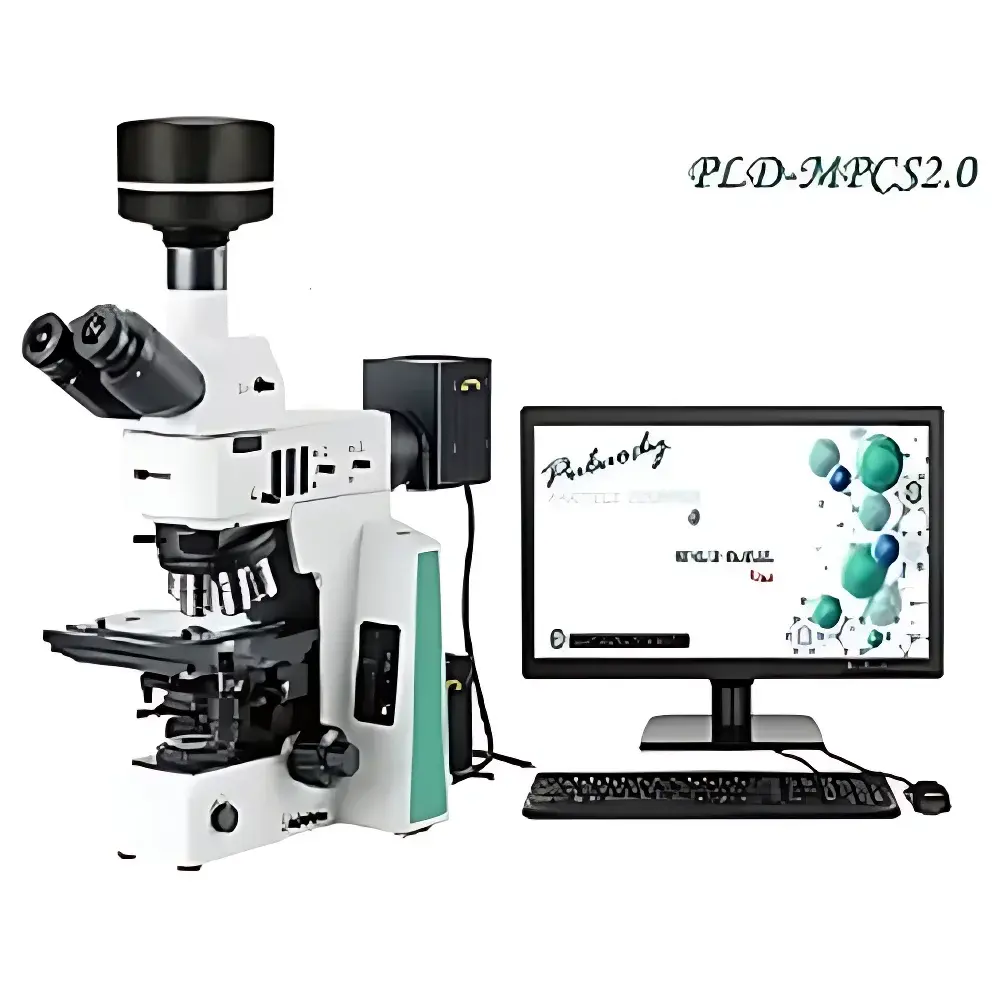
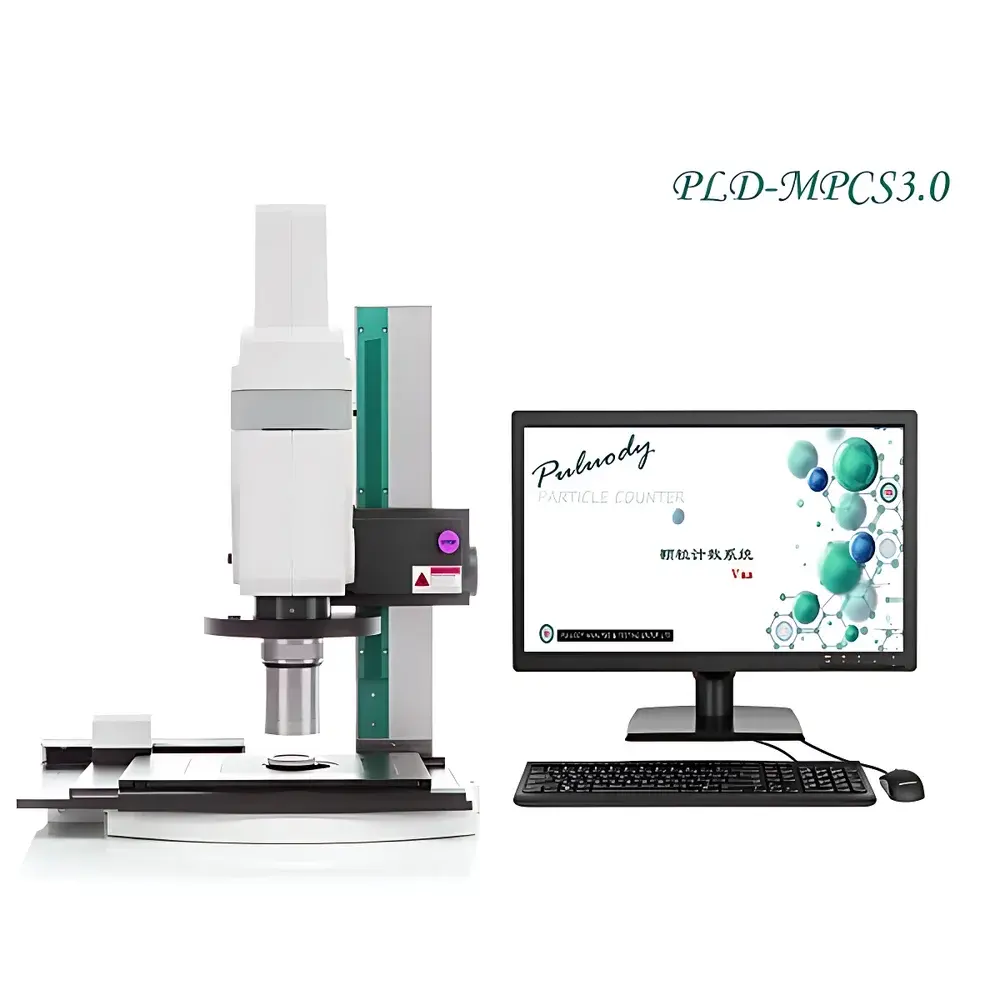
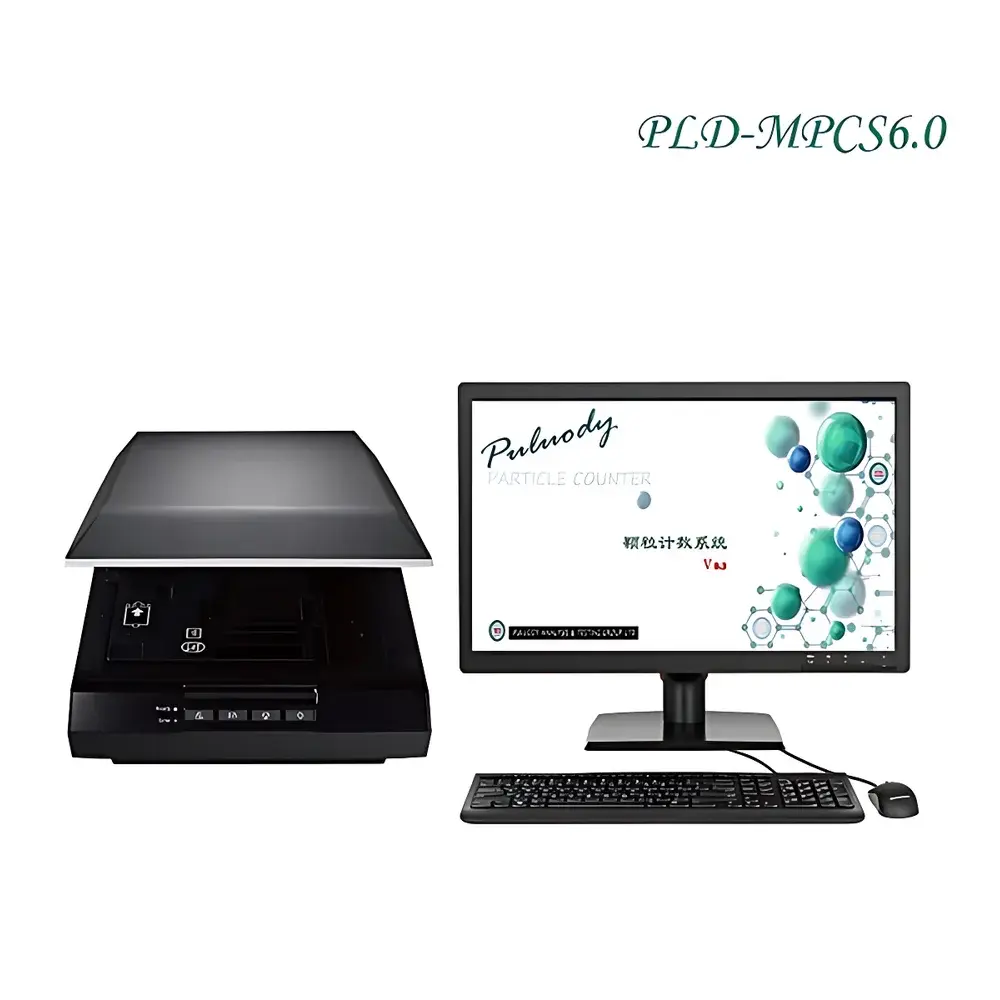
PULUODY PST-890 Advanced Liquid Particle Counter with 1024-Channel High-Resolution Laser Detection
| Brand | PULUODY |
|---|---|
| Origin | Shaanxi, China |
| Model | PST-890 |
| Dispersion Method | Wet Dispersion |
| Instrument Type | Laboratory Laser Particle Counter |
| Measurement Range | 1–500 µm (0.03–3000 µm optional) |
| Repeatability | ≤2.5% coincidence error at 1000 particles/mL |
| Measurement Time | 60 seconds |
Overview
The PULUODY PST-890 is a high-precision, laboratory-grade liquid particle counter engineered for regulatory-compliant particulate analysis in critical quality control environments. It employs an eighth-generation dual-laser, narrow-beam optical sensing architecture—developed and refined by PULUODY’s UK-based R&D team—to deliver robust detection of insoluble particles across a broad dynamic range. The instrument operates on the light obscuration (LO) principle, where particles suspended in a flowing liquid stream interrupt a collimated laser beam; the magnitude of signal attenuation correlates directly to particle cross-sectional area, enabling accurate sizing and counting in real time. Designed specifically for pharmaceutical, biotechnology, semiconductor, and ultra-pure water applications, the PST-890 meets the stringent requirements of USP , , , EP 10.0, JP 17, ChP 2020 Appendix 0903, ISO 21501-4, and ISO 11171. Its architecture supports both routine batch testing and method validation workflows under GLP/GMP conditions.
Key Features
- Eighth-generation dual-laser narrow-beam sensor with enhanced signal-to-noise ratio and reduced optical scattering artifacts
- 1024 programmable size channels (0.01 µm resolution), configurable into user-defined bin sets (e.g., 4, 16, 64, or 128 bins) per test method
- Dual-precision fluidic control: high-accuracy metering piston pump + ultra-stable electromagnetic flow regulation (±1% volumetric accuracy)
- Full compliance with FDA 21 CFR Part 11: five-tier electronic user permissions, audit trail with immutable timestamps, electronic signatures, and encrypted data backup/recovery
- Integrated V8.9 analytical software with automated pass/fail reporting against >510 international standards—including NAS 1638, ISO 4406, SAE AS4059, YBB 00272004-2015, and GB/T 11446.9
- Temperature-controlled flow path (0–80 °C) and ambient operating range (−15–50 °C) for stability across diverse sample matrices
- Modular calibration support: traceable to NIST-traceable latex standards, ISO 21501-4 reference materials, or JJG 1061 national metrology verification
Sample Compatibility & Compliance
The PST-890 is validated for use with low-viscosity aqueous and organic liquids, including parenteral drug products (e.g., lipid emulsions, sterile powders reconstituted in WFI, ophthalmic solutions), vaccine suspensions, CMP slurries, electronic-grade ultrapure water (UPW), and cleaning agents. Its wet-dispersion module eliminates air entrainment and sedimentation bias, ensuring representative sampling from syringes, vials, IV bags, and inline process streams. All measurement protocols align with pharmacopoeial requirements for filter integrity verification (e.g., terminal sterilizing filter challenge testing), particulate contamination monitoring (e.g., ISO 14644 cleanroom fluids), and component wear assessment (e.g., pump diaphragms, tubing, valves). Calibration and verification documentation satisfies ISO/IEC 17025 accreditation criteria when performed by authorized third-party metrology institutes—including China National Institute of Metrology (CNIM) Northwest Center and CALIBRATION STATION No. 116 (State Administration of Science, Technology and Industry for National Defense).
Software & Data Management
The embedded V8.9 software suite provides full lifecycle data governance. Raw pulse data, histogram distributions, cumulative counts, and differential size-frequency plots are stored in vendor-neutral .csv and .xml formats. Audit trails record every operator action—including parameter changes, report generation, calibration events, and user logins—with SHA-256 hashing for tamper evidence. Data export options include PDF reports with embedded digital signatures, Excel-compatible summaries, and LIMS-ready HL7 or ASTM E1384 interfaces. Software modules support custom threshold definition (e.g., ≥10 µm and ≥25 µm per USP ), automatic dilution factor compensation, and statistical process control (SPC) charting for trending over time. All firmware and software updates undergo formal change control and version-locking per ICH Q9/Q10 principles.
Applications
- Pharmaceutical QC: Quantification of subvisible particles in injectables, lyophilized products, and container-closure systems per ChP, USP, EP, and JP monographs
- Medical device evaluation: Filter efficiency testing of infusion sets, syringe filters, and IV administration sets (GB 8368, ISO 8536-4)
- Water purity assurance: Monitoring of UPW in semiconductor fabs (SEMI F63), biopharma water-for-injection loops, and dialysis fluid preparation
- Materials science: Characterization of nanoparticle dispersions (e.g., quantum dots, metal oxides), inkjet inks, and polishing slurries
- Industrial hygiene: Cleanliness validation of hydraulic fluids, lubricants, and aerospace fuels per ISO 4406 and NAS 1638
- Regulatory submission support: Generation of raw datasets and summary reports compliant with FDA eCTD Module 3 and EMA Annex 1 requirements
FAQ
Does the PST-890 comply with FDA 21 CFR Part 11 for electronic records and signatures?
Yes—the system implements role-based access control, cryptographic audit trails, electronic signature capture, and data immutability features required for regulated environments.
Can the instrument be calibrated to ISO 21501-4 using NIST-traceable standards?
Yes—calibration is supported using certified polystyrene latex (PSL) spheres or equivalent reference materials traceable to national metrology institutes.
What is the minimum detectable particle size, and how is resolution verified?
The base configuration resolves particles down to 1 µm; extended-range models support 0.03 µm detection. Resolution is verified per ISO 21501-4 Annex B using multi-modal PSL standards.
Is the software compatible with LIMS integration and automated reporting?
Yes—V8.9 supports ASTM E1384, HL7, and custom API-based data export for seamless LIMS and MES connectivity.
How does the system handle high-concentration samples to avoid coincidence error?
The dual-flow control architecture enables precise dilution and adjustable flow rates (5–150 mL/min), while the 2.5% coincidence limit at 1000 particles/mL is validated per ISO 21501-4 Clause 7.3.



