
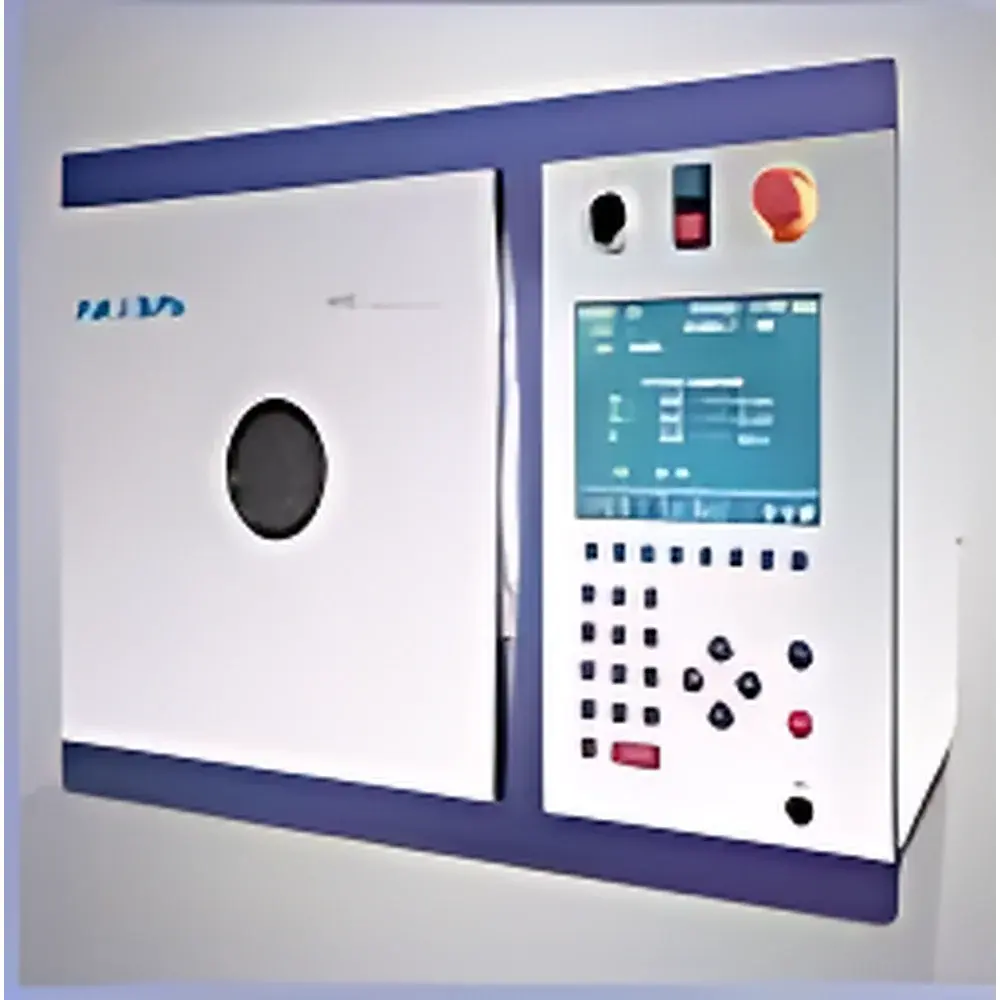
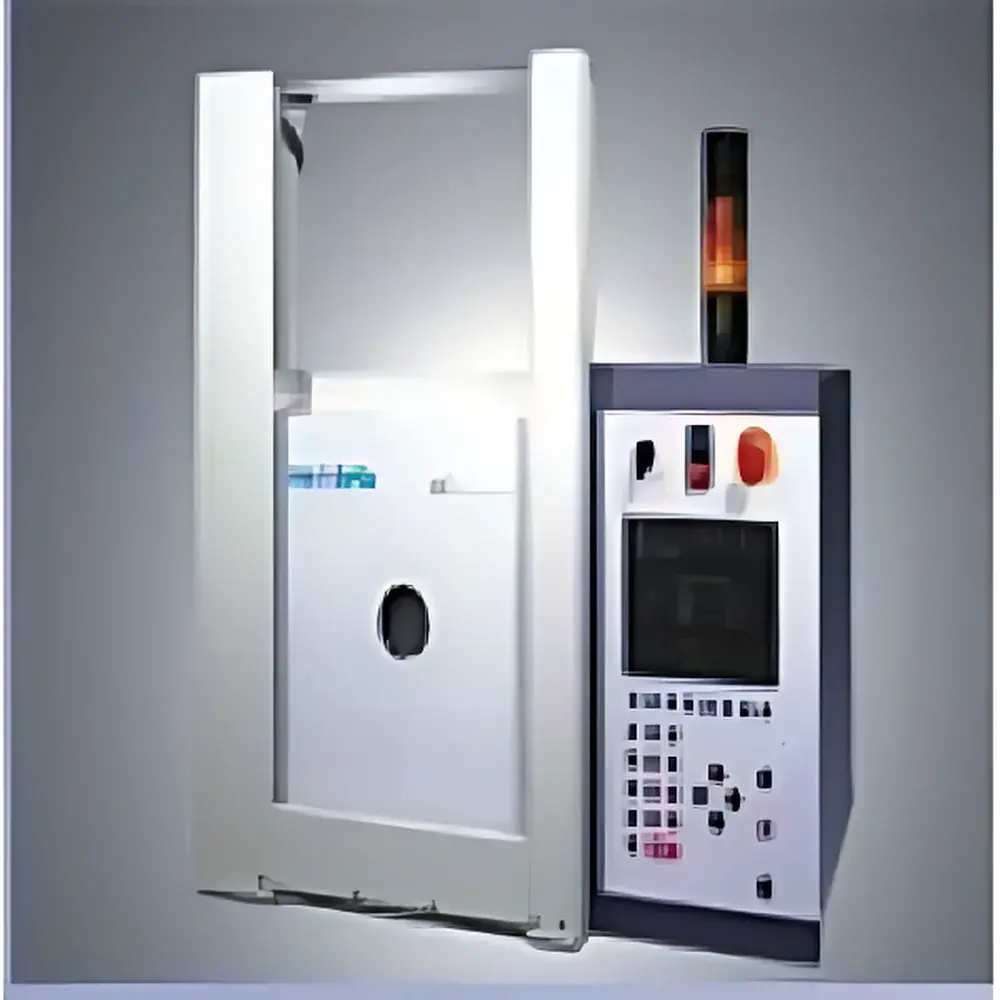
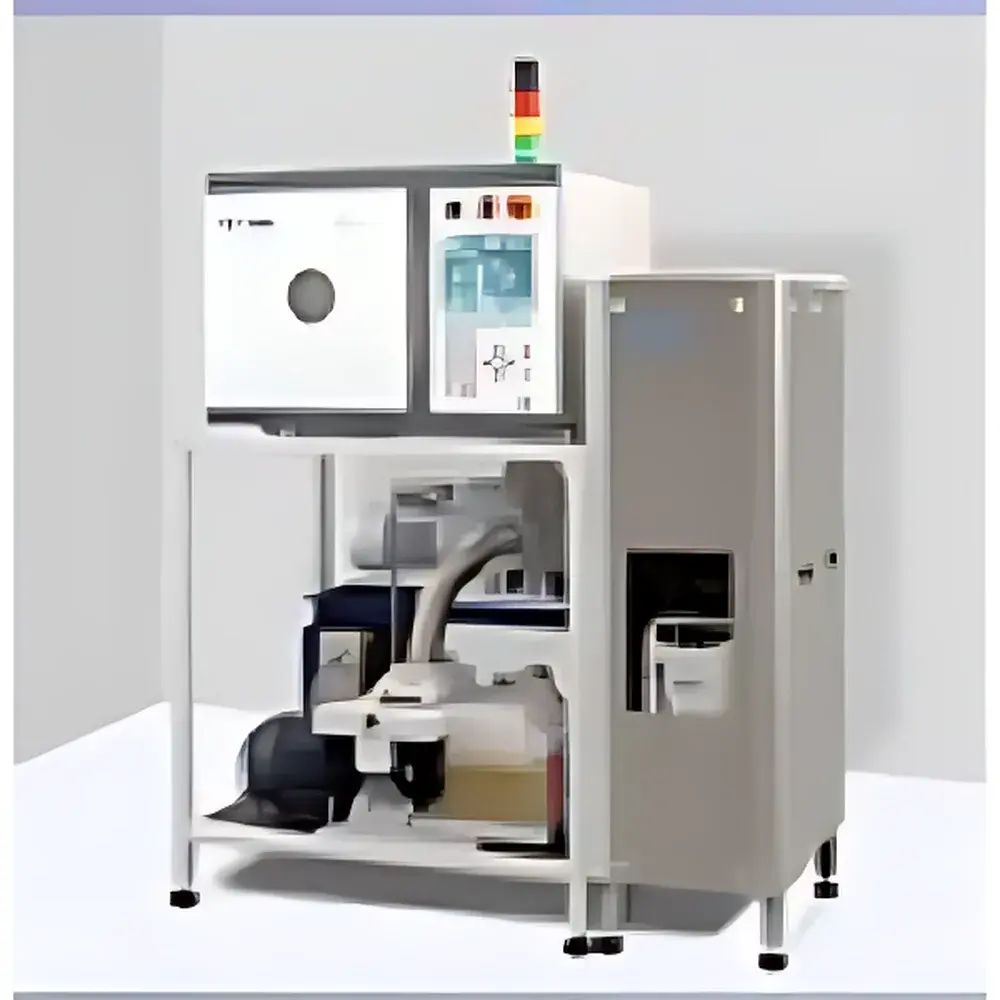
PVA TePla PS 400 and PS 400 H2 Microwave Plasma Cleaning Systems
| Brand | PVA TePla |
|---|---|
| Origin | Germany |
| Model Series | PS 400, PS 400 IL, PS 400 H2 |
| Configuration | Microwave-excited plasma source |
| Gas Compatibility | O₂, Ar, N₂, H₂ (PS 400 H2 includes integrated hydrogen generator) |
| Chamber Volume | Standard 400 cm³ (customizable) |
| Operating Pressure Range | 0.1–10 mbar |
| RF/Microwave Frequency | 2.45 GHz |
| Power Input | 600 W (adjustable) |
| Compliance | CE, RoHS, ISO 9001-certified manufacturing |
Overview
The PVA TePla PS 400 series represents a class of high-precision microwave plasma cleaning systems engineered for reproducible, residue-free surface activation, degreasing, and oxide removal in R&D and production environments. Unlike low-pressure DC or RF glow discharge systems, the PS 400 utilizes 2.45 GHz microwave energy to generate a dense, uniform, and electrodeless plasma within a controlled vacuum chamber—enabling efficient dissociation of process gases (O₂, Ar, N₂, and H₂) into highly reactive atomic and ionic species. This non-thermal plasma mechanism ensures minimal thermal load on temperature-sensitive substrates while delivering nanoscale cleaning depth control and sub-monolayer contamination removal. The system is specifically optimized for handling semiconductor chip carriers (e.g., ceramic LCCs, QFN trays, wafer frames), microfluidic devices, optical components, and MEMS packaging substrates prior to bonding, coating, or wire bonding. Its modular architecture supports integration into cleanroom workflows and automated material handling interfaces.
Key Features
- Microwave plasma generation at 2.45 GHz with adjustable power (0–600 W) for precise process tuning across diverse material classes
- Vacuum-integrated chamber (standard 400 cm³ volume) with stainless steel construction, all-metal sealing, and bake-out capability up to 120 °C
- Integrated mass flow controllers (MFCs) for accurate gas dosing of O₂, Ar, N₂; PS 400 H2 variant includes an on-board electrolytic hydrogen generator (<1 ppm O₂ impurity)
- Programmable vacuum sequence control: pre-evacuation, plasma ignition, dwell time, venting—with pressure monitoring via capacitance manometer (0.1–10 mbar range)
- Touchscreen HMI with embedded PLC-based controller supporting recipe storage (≥100 protocols), real-time parameter logging, and password-protected user levels
- Compliance-ready architecture: hardware-level interlocks, emergency stop circuitry, and full audit trail capability aligned with GLP/GMP documentation requirements
Sample Compatibility & Compliance
The PS 400 series accommodates flat, rigid substrates up to 150 mm × 150 mm and standard chip carrier formats including JEDEC trays, gel packs, and custom fixture plates. It supports direct processing of silicon wafers (up to 200 mm), glass slides, alumina ceramics, polyimide films, PDMS microstructures, and metalized PCBs—without risk of arcing or surface charging due to its electrodeless plasma design. All models conform to CE marking directives (2014/30/EU EMC, 2014/35/EU LVD), RoHS 2011/65/EU, and are manufactured under ISO 9001:2015 certified quality management systems. For regulated industries, the system’s data integrity features—including electronic signatures, timestamped event logs, and configurable retention policies—support compliance with FDA 21 CFR Part 11 and EU Annex 11 when deployed with validated software configurations.
Software & Data Management
The PS 400 operates via PVA TePla’s proprietary CleanControl™ software suite, accessible locally or remotely via Ethernet. The interface provides full graphical visualization of vacuum curves, power delivery profiles, gas flow traces, and chamber temperature history. Process data—including start/stop timestamps, setpoints, actual values, and alarm events—is exported in CSV or XML format compliant with LIMS integration standards. Optional OPC UA server support enables seamless connection to MES platforms such as Siemens SIMATIC IT or Rockwell FactoryTalk. Audit trails are immutable and include operator ID, parameter changes, and system state transitions—fully traceable for internal QA reviews or external regulatory audits.
Applications
- Precision removal of organic contaminants (hydrocarbons, photoresist residues, mold release agents) from semiconductor leadframes and ceramic chip carriers prior to Au-Sn soldering
- Surface hydrophilization of PDMS and cyclic olefin copolymer (COC) microfluidic chips to ensure uniform capillary filling and protein adhesion control
- Oxide reduction on copper bond pads using H₂ plasma (PS 400 H2 configuration) to improve ultrasonic wire bond pull strength and intermetallic formation
- Activation of glass and quartz substrates before thin-film deposition (e.g., sputtering, ALD) to enhance nucleation density and film adhesion
- Cleaning of optical fiber ferrules and laser diode housings without altering dimensional tolerances or introducing particulates
FAQ
What distinguishes microwave plasma from RF plasma in surface cleaning applications?
Microwave plasma achieves higher electron density (>10¹¹ cm⁻³) and lower ion energy distribution than typical 13.56 MHz RF plasmas—resulting in faster reaction kinetics and reduced substrate damage during organic removal.
Can the PS 400 be used for ashing photoresist?
Yes, when operated with pure O₂ plasma at optimized pressure and power, it achieves controlled resist ablation rates of 0.1–0.5 µm/min on silicon wafers, suitable for post-lithography residue removal.
Is hydrogen gas handling safe in the PS 400 H2 configuration?
The integrated electrolytic H₂ generator produces hydrogen on-demand at <50 mL/min flow rate and stores <10 mL total volume—eliminating high-pressure cylinders and meeting IEC 60079-10-1 zone classification requirements for laboratory use.
Does the system support automated batch processing?
With optional robotic loader interface (SEMI E47-compliant), the PS 400 can integrate into cluster tools or conveyor-based lines for unattended operation of up to 50 carriers per run.
What maintenance intervals are recommended?
Chamber cleaning every 200 operating hours; microwave waveguide window inspection quarterly; MFC recalibration annually—documented in the included Preventive Maintenance Manual (PMM).



