
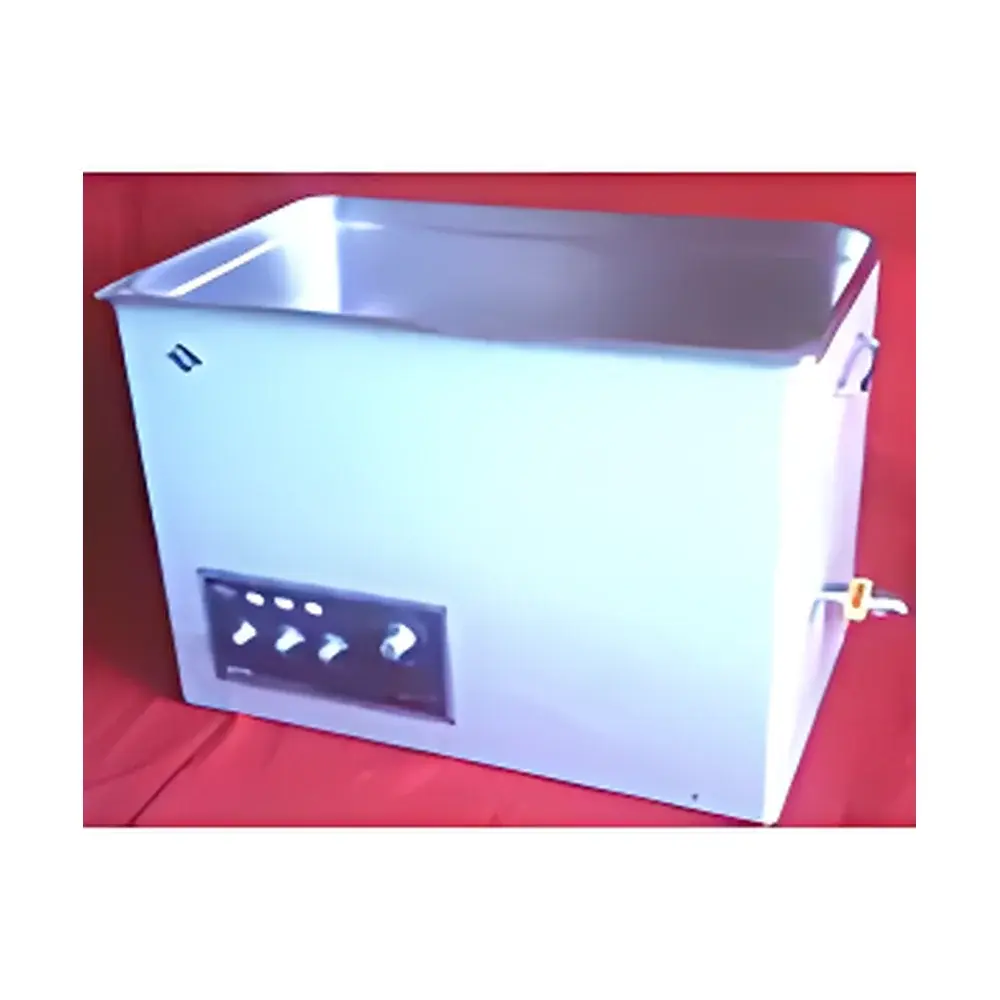
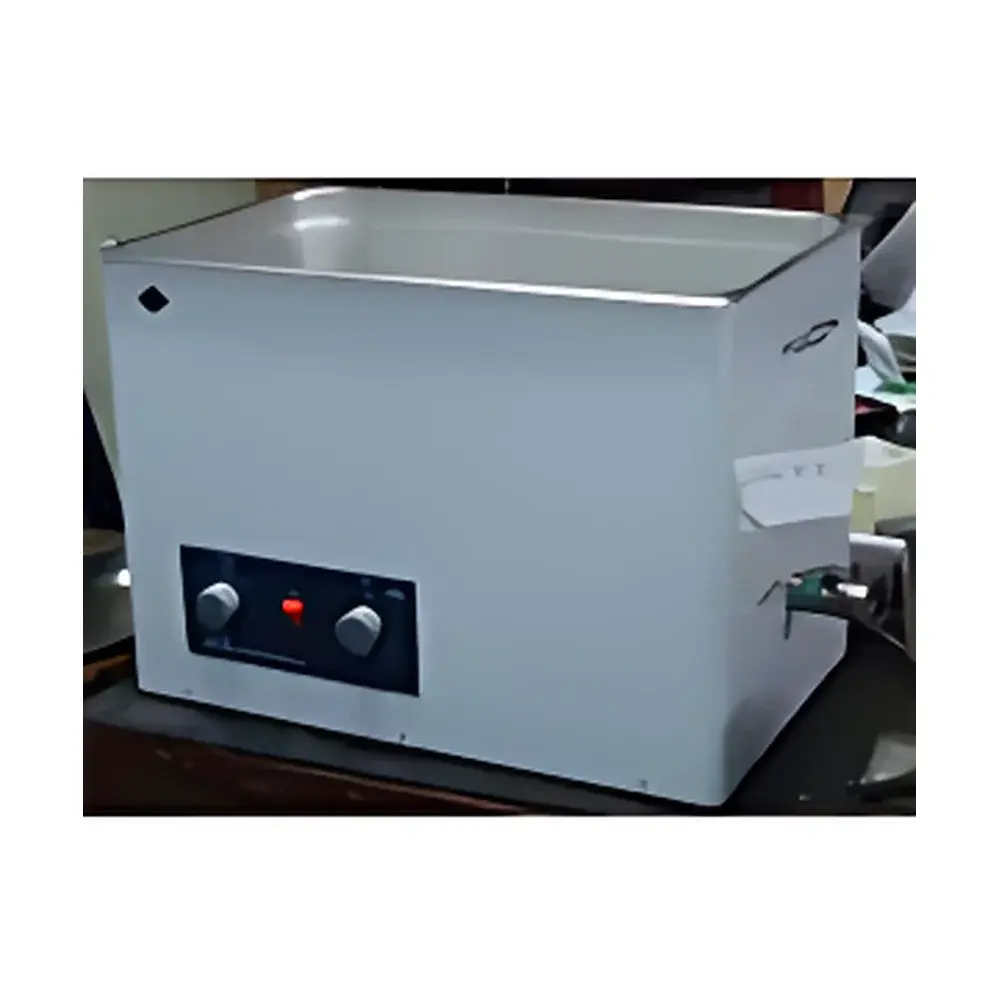
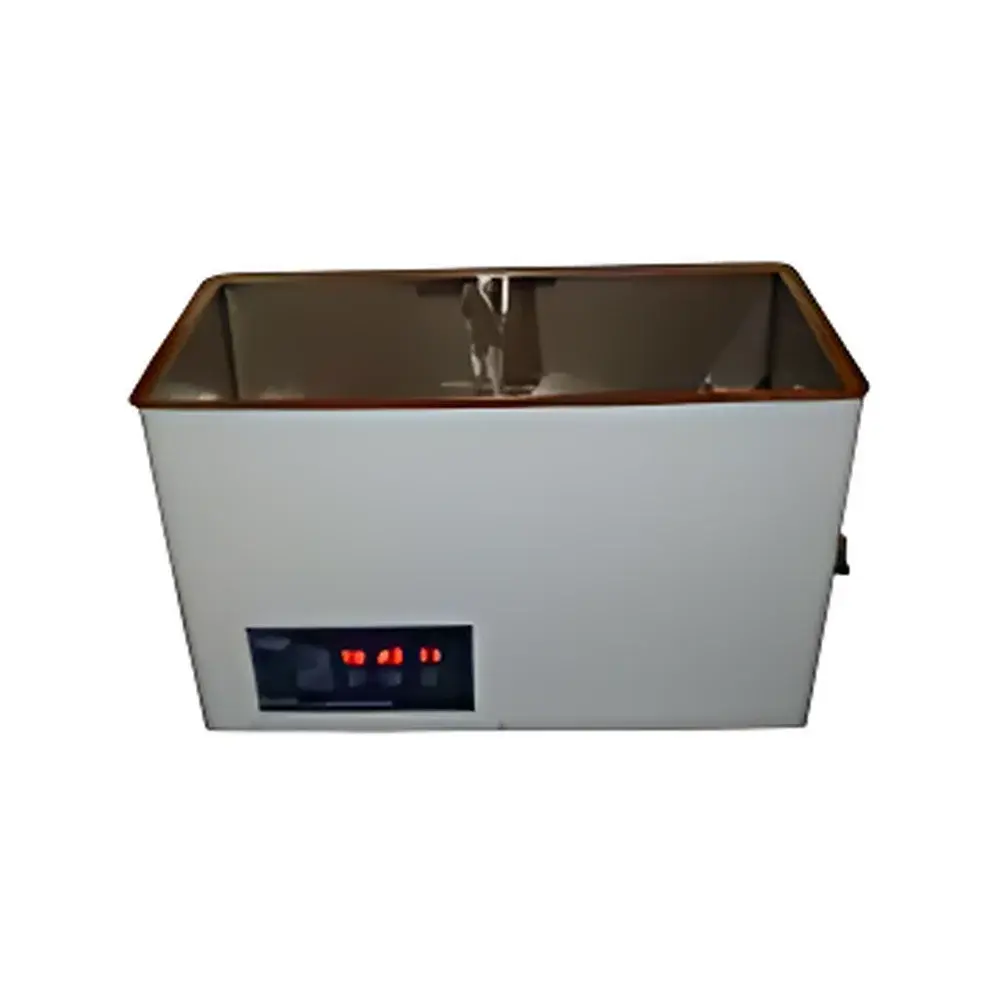
QTR-27600 Ultrasonic Cleaner, 27L Capacity, Heated & Digital Control Model
| Origin | Tianjin, China |
|---|---|
| Manufacturer Type | Authorized Distributor |
| Country of Origin | China |
| Model | QTR-27600 |
| Pricing | Available Upon Request |
| Ultrasonic Frequency | 40 kHz |
| Tank Capacity | 27 L |
| Internal Tank Dimensions | 600 × 300 × 150 mm |
| External Dimensions | 710 × 350 × 380 mm |
| Ultrasonic Power Output | 600 W |
| Heating Power | 800 W |
| Temperature Range | 0–80 °C (adjustable) |
| Timer Range | 1–20 min |
| Display | LED digital interface |
| Tank Material | 304 stainless steel deep-drawn monolithic chamber |
| Housing Material | Imported corrosion-resistant aluminum with anti-rust coating |
| Weight (net/gross) | 15.0 / 20.0 kg |
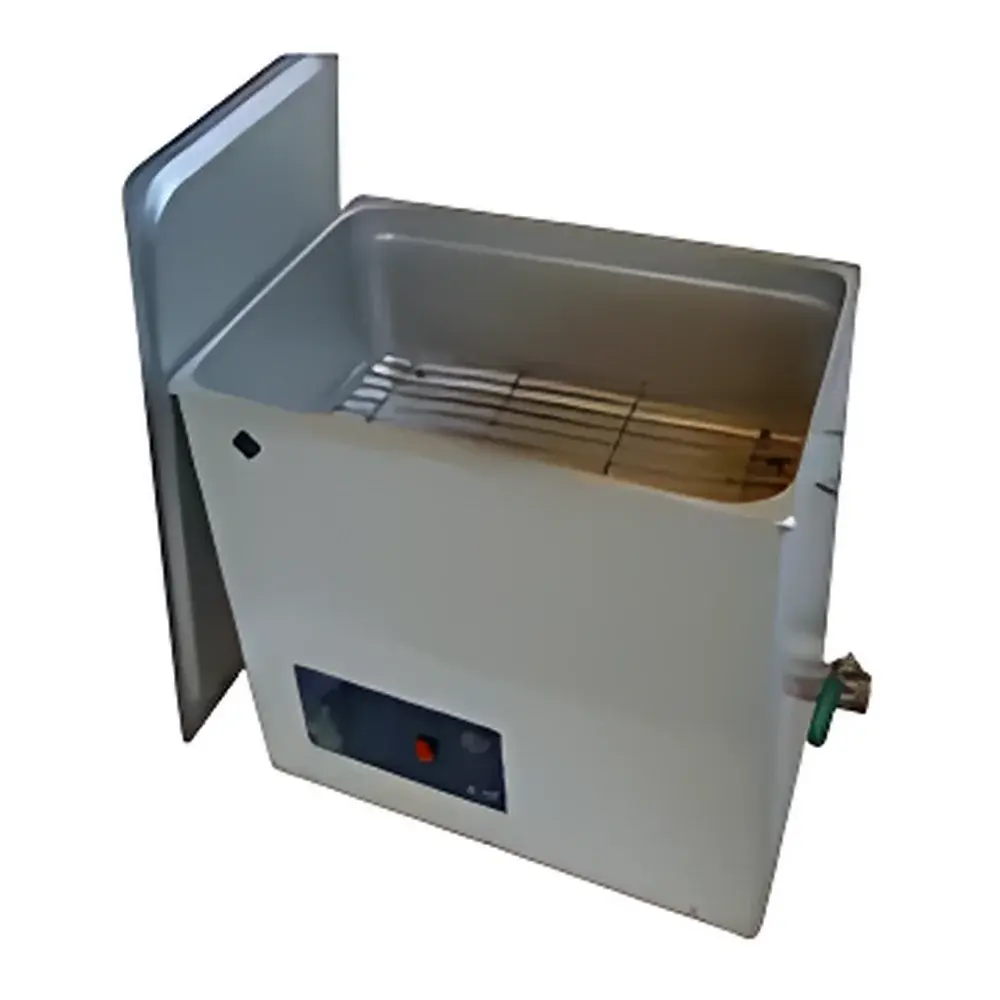
| Standard Accessories | Stainless steel lid and mesh basket |
| Compliance | CE-marked design principles |
Overview
The QTR-27600 is a laboratory-grade, digitally controlled ultrasonic cleaner engineered for reproducible, residue-free cleaning of precision components across research, clinical, and industrial settings. It operates on the principle of cavitation—where high-frequency (40 kHz) acoustic energy induces rapid formation and collapse of microscopic vapor bubbles in aqueous or mild solvent-based cleaning solutions. This transient implosion generates localized micro-jets and shear forces capable of dislodging sub-micron particulates, organic films, biofilms, and dried residues from complex geometries—including blind holes, crevices, and micro-textured surfaces—without mechanical abrasion or surface damage. Unlike basic ceramic transducer units that suffer thermal degradation under sustained duty cycles, the QTR-27600 integrates industrial-grade piezoelectric transducers with optimized thermal management, enabling continuous operation at rated power without performance drift or premature failure.
Key Features
- High-reliability ultrasonic transducers (not generic ceramic discs), sourced and calibrated to meet long-term stability requirements for >10,000 hours of cumulative operation
- Digital LED control panel with independent adjustment of cleaning duration (1–20 min) and heating setpoint (0–80 °C)
- Monolithic 304 stainless steel tank formed via deep-drawing process—eliminating weld seams that harbor contaminants and compromise corrosion resistance
- Thermally insulated aluminum housing with electrostatic anti-corrosion coating for durability in humid or chemically exposed lab environments
- Integrated 800 W heating system with PID-controlled temperature regulation, ensuring consistent solution thermodynamics critical for enzymatic or lipid-solubilizing cleaning protocols
- Standard inclusion of a heavy-duty stainless steel lid (acoustically damped) and removable mesh basket for secure part handling and noise reduction
- Critical electronic components—including power drivers and thermal sensors—sourced from Fairchild Semiconductor (USA), supporting stable switching performance and EMI resilience
Sample Compatibility & Compliance
The QTR-27600 supports validated cleaning of diverse sample types including surgical instruments, endoscopic components, dental prostheses, optical lenses, semiconductor wafers, printed circuit boards (PCBs), watch movements, and reusable infant feeding equipment. Its 27 L working volume accommodates standard ISO/IEC 17025-compliant cleaning trays and multi-tier baskets. The device is designed to support cleaning process qualification per ISO 15883-1 (washer-disinfectors) and ASTM F3127 (ultrasonic cleaning verification), and its temperature-stabilized operation enables correlation with USP cleaning efficacy benchmarks. While not certified as a medical device itself, it meets essential electrical safety (IEC 61010-1) and electromagnetic compatibility (IEC 61326-1) requirements applicable to Class II laboratory equipment.
Software & Data Management
This model operates via embedded firmware with non-volatile memory retention for user-defined cleaning profiles. Though it does not feature network connectivity or PC software integration, all operational parameters—including elapsed time, set temperature, and power-on status—are logged locally with timestamp resolution to ±1 second. The LED interface provides real-time feedback during cycle execution and includes fault diagnostics (e.g., overtemperature lockout, low-level detection). For laboratories operating under GLP or GMP frameworks, manual logbook entries can be cross-referenced against physical cycle records; optional external data loggers may be interfaced via analog voltage output (0–5 V) for temperature monitoring traceability.
Applications
- Routine decontamination of reusable laboratory glassware and metalware prior to sterilization or analytical use
- Pre-sterilization cleaning of orthopedic implants and laparoscopic tools in hospital central sterile supply departments (CSSD)
- Removal of solder flux, grease, and particulate debris from PCB assemblies in electronics manufacturing QA labs
- Restoration of optical clarity in spectacles, camera lenses, and microscope objectives without coating abrasion
- Surface preparation of metallic calibration standards and reference materials for SEM/EDS analysis
- Debridement of calcified deposits from dental scalers and orthodontic appliances in clinical hygiene workflows
- Validation of cleaning efficacy using ATP bioluminescence or protein residue assays per ISO 15883-5 Annex C
FAQ
What is the maximum recommended operating temperature for aqueous cleaning solutions?
Do not exceed 70 °C during active ultrasonic cycling. Sustained exposure above this threshold accelerates cavitation bubble damping and reduces cleaning efficiency. For temperatures >70 °C, switch to a dedicated high-boiling-point solvent or terminate sonication and rely on thermal soak alone.
Can this unit be used with flammable solvents?
No. The QTR-27600 is designed exclusively for aqueous or water-miscible, non-flammable cleaning agents. Use of alcohol, acetone, or hydrocarbon-based solvents poses fire hazard and voids warranty.
Is the stainless steel tank electropolished?
The internal tank features a standard mill-finish 304 stainless steel surface. Electropolishing is available as a custom OEM option but is not included in the standard configuration.
Does the unit include drain functionality?
No. Drain fittings are not integrated into the base model. Manual decanting or siphoning is required for solution disposal.
What maintenance is required to ensure long-term transducer performance?
Routine inspection of tank integrity, periodic descaling with 5% citric acid solution (every 3–6 months depending on water hardness), and verification of lid gasket compression are sufficient. Transducers require no scheduled replacement under normal usage conditions.



