
RWD 900-0069-131 Cylindrical Restraint Tube for Mice (≤25 g)
| Brand | RWD |
|---|---|
| Origin | Shenzhen, China |
| Manufacturer Type | Direct Manufacturer |
| Country of Origin | China |
| Model | 900-0069-131 |
| Pricing | Available Upon Request |
| Dimensions | L110 mm × I.D. 15 mm |
Overview
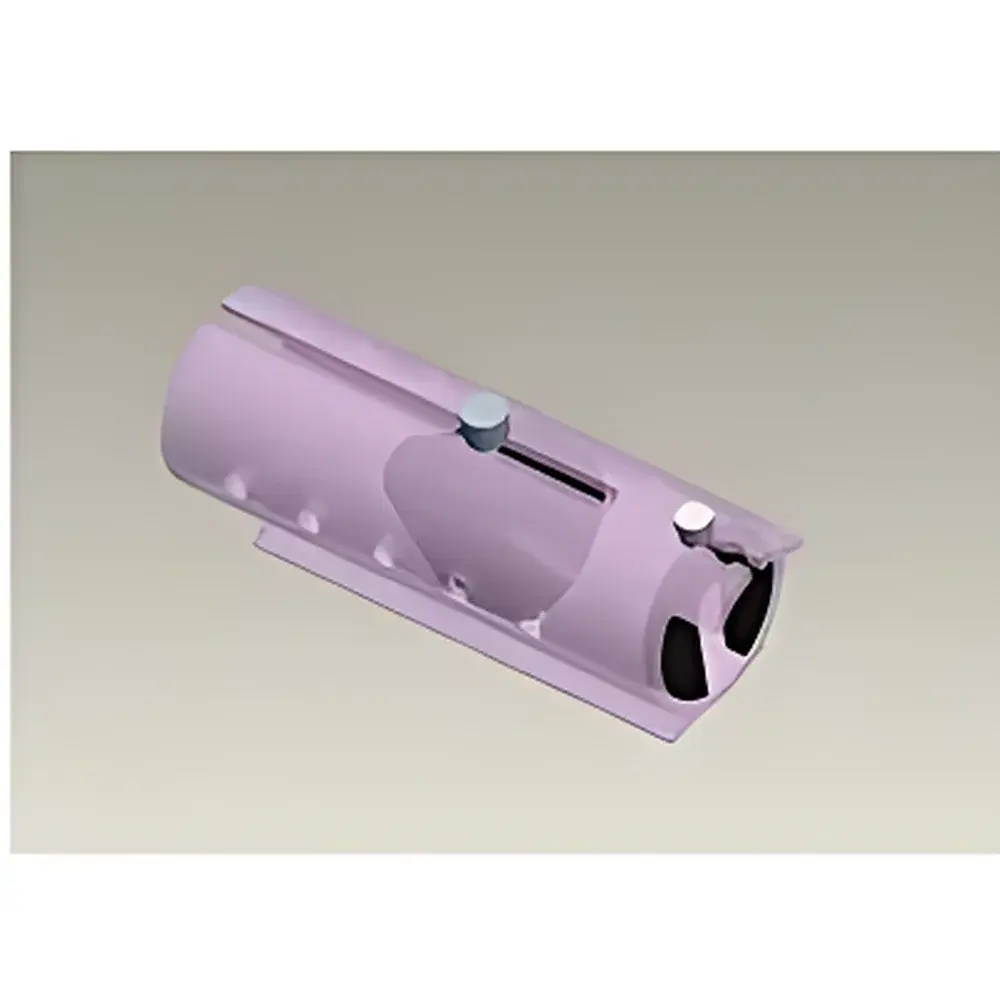
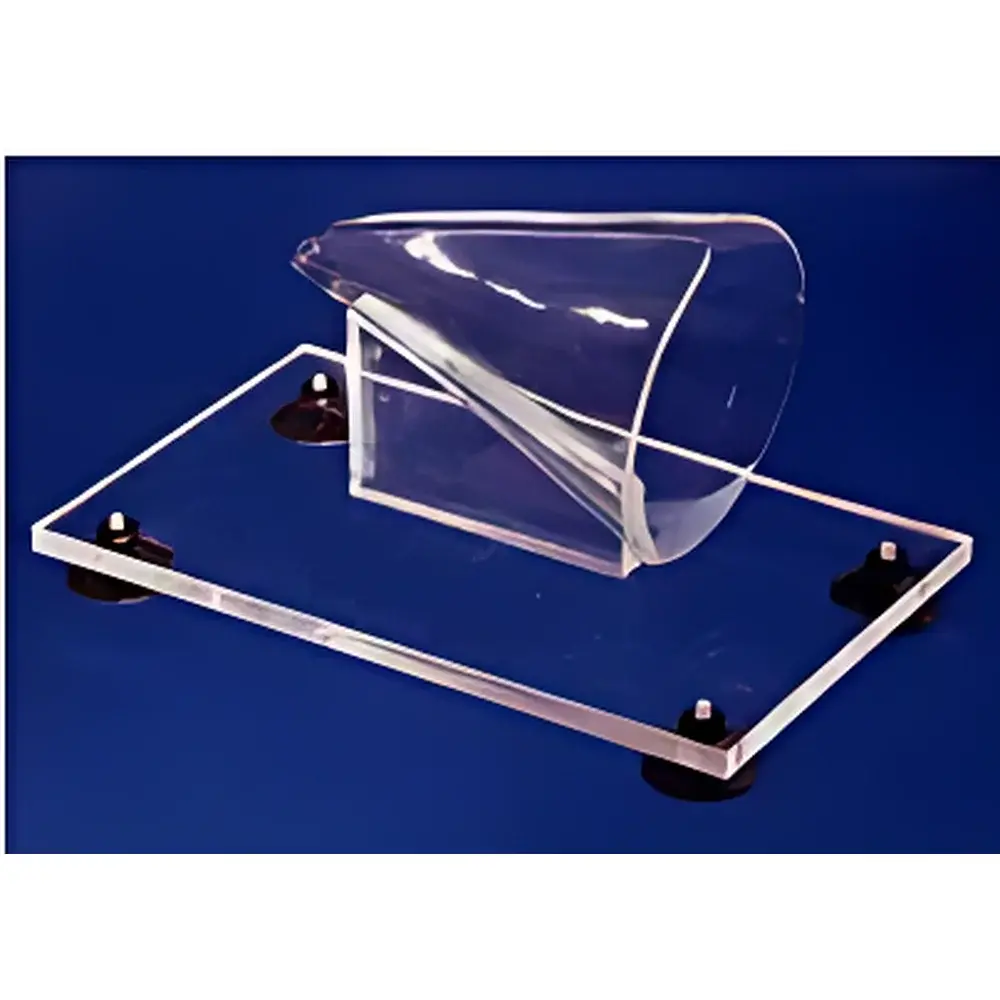
The RWD 900-0069-131 Cylindrical Restraint Tube is an ergonomically engineered, non-invasive animal restraint device designed specifically for conscious murine subjects weighing ≤25 g. It operates on a passive mechanical principle: a tapered anterior cone allows controlled, low-resistance entry while providing gentle axial constraint; the posterior locking mechanism secures longitudinal positioning without compression or torsional stress. Unlike rigid clamps or force-based immobilization systems, this tube relies on anatomical alignment and behavioral accommodation—minimizing activation of the hypothalamic-pituitary-adrenal (HPA) axis and reducing confounding physiological variables such as elevated corticosterone, tachycardia, or hypertension during data acquisition. Its transparent polycarbonate construction enables uninterrupted visual monitoring and optical access for photonic instrumentation (e.g., laser Doppler flowmetry, infrared thermography), while maintaining full respiratory patency via circumferential ventilation apertures and unobstructed nasal protrusion.
Key Features
- Anterior tapered black cone: Facilitates voluntary entry and enhances perceived security by limiting peripheral visual field exposure—reducing stress-induced locomotor artifacts.
- Radially ventilated cylindrical body: Ensures continuous airflow across the thoracic and abdominal regions; prevents CO₂ accumulation during extended restraint (up to 4 hours under validated protocols).
- Posterior tail aperture: Accommodates full caudal extension without kinking or vascular compression—critical for tail-cuff blood pressure measurement, tail-vein cannulation, and thermal nociception assays.
- Optically transparent polycarbonate housing: Chemically resistant to 70% ethanol, isopropanol, and quaternary ammonium disinfectants; autoclavable at 121°C for ≥15 min (per ISO 17664-compliant reprocessing).
- Modular sizing system: Part of the RWD 900-0069 series with seven standardized inner-diameter/length configurations (15–75 mm I.D., 110–230 mm L) to match species-specific anatomy and weight bands per OECD TG 407 and AAALAC International guidelines.
Sample Compatibility & Compliance
The 900-0069-131 tube is validated for use with Mus musculus strains (C57BL/6, BALB/c, CD-1, ICR) within the ≤25 g weight range. It conforms to institutional animal care and use committee (IACUC) requirements for minimally restrictive restraint in chronic or repeated-measures studies. Device geometry complies with NIH OLAW Policy Statement on Humane Endpoints and supports adherence to Directive 2010/63/EU Annex VIII criteria for “non-aversive handling.” All materials meet USP Class VI biocompatibility standards; no leachable compounds detected under simulated physiological extraction (24 h, 37°C, pH 7.4 PBS) per ISO 10993-12.
Software & Data Management
While the restraint tube itself is hardware-only, it integrates seamlessly with third-party acquisition platforms including ADInstruments PowerLab, BIOPAC MP160, and TSE Systems Phenomaster. Its standardized dimensions allow precise spatial registration in video-tracking systems (e.g., Noldus EthoVision XT, CleverSys TopScan) for synchronized behavioral annotation. When used in GLP-regulated environments, documentation of tube lot numbers, cleaning logs, and subject-specific restraint duration must be maintained in accordance with 21 CFR Part 58 audit trails.
Applications
- Repeated non-invasive blood pressure monitoring via tail-cuff plethysmography (ASTM F2827-19 compliant setup)
- Serial tail-vein injections and subcutaneous/intradermal dosing at the nape or tail base
- Thermal (hot-water tail-flick, radiant heat) and electrical (von Frey, Hargreaves) nociceptive testing
- Longitudinal behavioral observation under controlled lighting and acoustic conditions
- Pre-imaging stabilization prior to micro-CT, MRI, or PET acquisition
- Pharmacokinetic sampling via tail-tip snip with minimal hemodynamic perturbation
FAQ
Is this restraint suitable for overnight use?
No. Maximum recommended restraint duration is 4 hours per session, aligned with AVMA Guidelines on Euthanasia and NIH Office of Laboratory Animal Welfare recommendations for conscious restraint.
Can the tube be sterilized using ethylene oxide (EtO)?
Yes—polycarbonate construction is EtO-compatible; however, residual gas desorption must follow ISO 10993-7 protocols before animal contact.
Does the device meet FDA requirements for GLP-compliant toxicology studies?
The restraint itself is not FDA-regulated, but its design supports compliance with 21 CFR Part 58 when incorporated into validated SOPs for repeat-dose toxicity testing.
Are replacement cones or custom-length variants available?
RWD offers OEM customization for inner diameter, length, and cone taper angle under NDA; standard accessories include silicone nose pads and adjustable posterior retention collars.
How should cleaning validation be documented for audit purposes?
Each cleaning cycle must record agent concentration, contact time, rinse volume, and visual inspection outcome; retain logs for minimum 2 years per AAALAC Standard 1.3.12.





