

RWD Micro-Infusion Cannula System
| Brand | RWD |
|---|---|
| Origin | Shenzhen, China |
| Manufacturer Type | OEM/ODM Manufacturer |
| Region Classification | Domestic (China) |
| Model | Micro-Infusion Cannula System |
| Pricing | Available Upon Request |
Overview
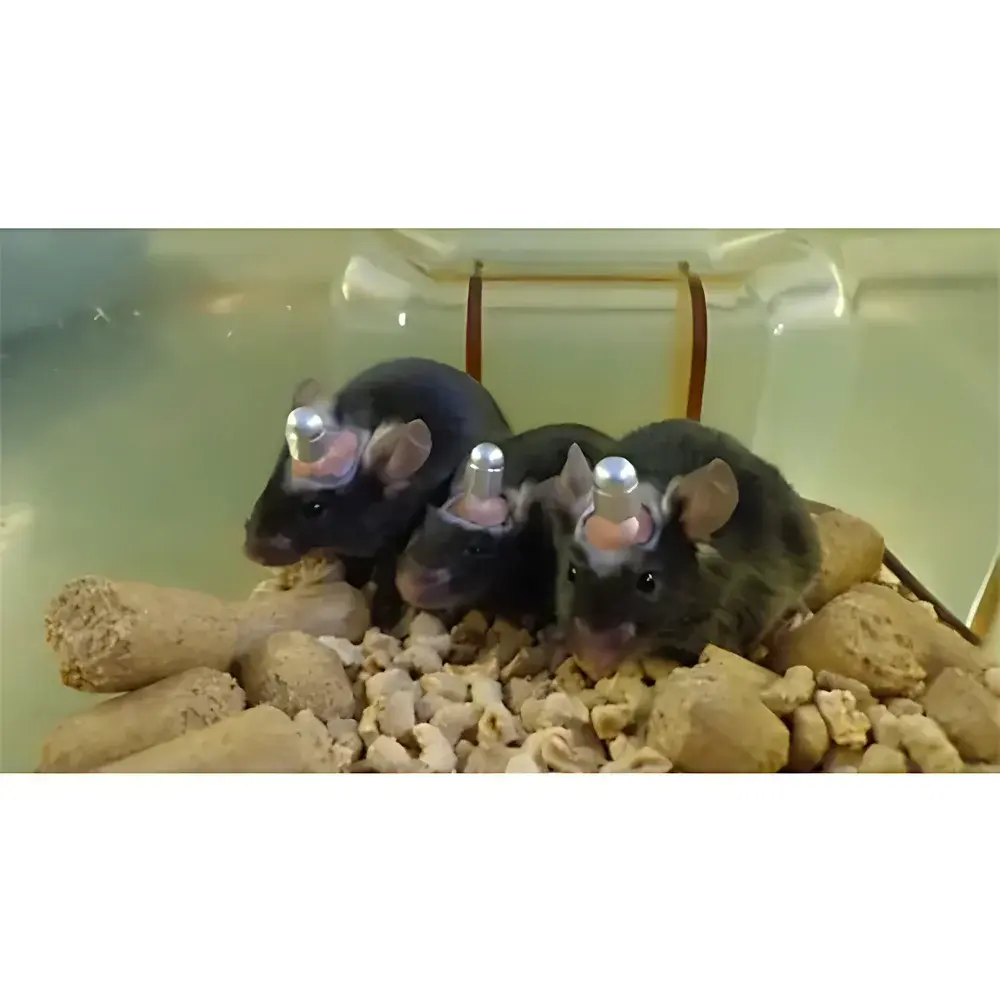
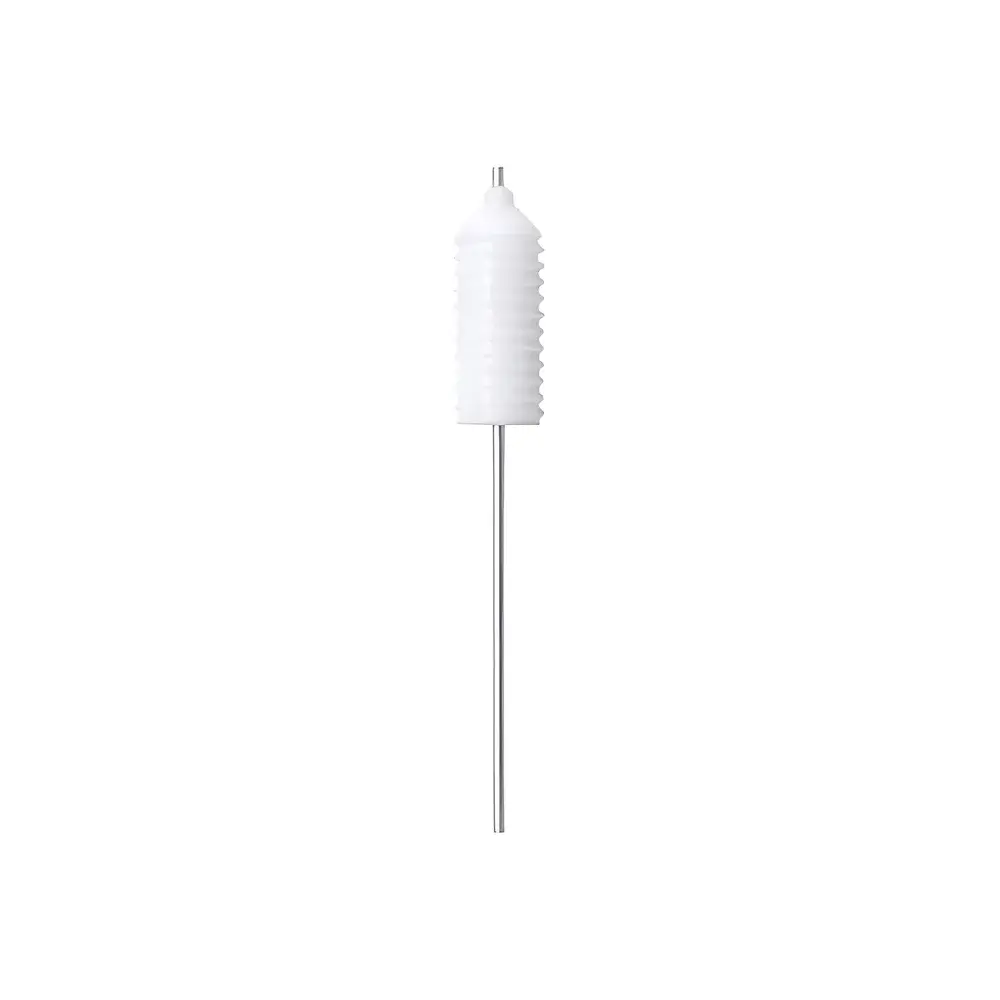
The RWD Micro-Infusion Cannula System is a precision-engineered neuroscientific tool designed for chronic and acute intracranial drug delivery in rodent models. Based on the widely adopted pre-implanted cannula methodology—standardized across leading academic laboratories and pharmaceutical research facilities—the system enables repeatable, stereotaxically accurate, and minimally invasive administration of pharmacological agents, viral vectors, or tracers directly into targeted brain regions. The system operates on a modular, screw-threaded mechanical coupling principle: a permanently implanted stainless-steel guide cannula serves as a stable conduit; removable injection inner cannulas or sealing caps interface via precision-machined threads to ensure leak-tight integrity and positional reproducibility across multiple dosing sessions. This architecture eliminates the need for repeated craniotomies or electrode reinsertions, significantly reducing inter-session variability and enhancing longitudinal data reliability in behavioral, electrophysiological, or optogenetic studies.
Key Features
- Modular 4-component design: guide cannula, sealing cap, injection inner cannula, and locking nut—each engineered for interchangeability and long-term biocompatibility.
- Customizable implantation geometry: adjustable cannula protrusion length (G1/G2), inter-cannula center-to-center spacing (C.C., 0.5–3.2 mm in 0.1 mm increments), and base height (B = 5.5 mm or 7.8 mm) to match stereotactic coordinates and avoid cortical damage.
- Dual-cannula configuration support: enables simultaneous bilateral or differential unilateral infusions with precise spatial separation and independent control.
- Stainless-steel cannula shafts with standardized outer diameters (0.41 mm, 0.48 mm, or 0.64 mm) compatible with standard PE tubing (e.g., PE-10, PE-20) and syringe pump interfaces.
- Threaded plastic base (3.5 mm or 5.5 mm outer diameter) optimized for secure dental cement adhesion and mechanical stability during animal recovery and group housing.
- Animal welfare–oriented design: stainless-steel sealing caps prevent self- or conspecific-induced dislodgement during post-surgical group housing.
Sample Compatibility & Compliance
The RWD Micro-Infusion Cannula System is validated for use in Sprague-Dawley rats, C57BL/6 mice, and other common neurobiological models. All components meet ISO 10993-5 (cytotoxicity) and ISO 10993-10 (irritation/sensitization) biocompatibility requirements for short- to medium-term (<28 days) intracranial implantation. The stainless-steel cannula material conforms to ASTM F138 (wrought cobalt-chromium-nickel alloy) specifications for surgical implants. System integration with RWD’s stereotaxic frames (e.g., STO-100 series), cannula holders, and programmable microinfusion pumps ensures alignment with GLP-aligned experimental workflows. Documentation packages—including lot-specific material certifications and dimensional traceability reports—are provided upon request to support IACUC protocol submissions and regulatory audit readiness.
Software & Data Management
While the cannula system itself is hardware-based, its operational fidelity is enhanced through interoperability with RWD’s proprietary stereotaxic planning software (NeuroMap v3.2+), which supports coordinate import from Paxinos & Franklin atlases, multi-target trajectory simulation, and digital cannula placement verification. Injection protocols—including infusion rate (nL/min), volume (nL–µL), dwell time, and pause intervals—can be programmed into compatible syringe pumps (e.g., RWD KDS200 series) with timestamped log export compliant with FDA 21 CFR Part 11 requirements when used with validated pump firmware and audit-trail-enabled controllers. Raw infusion logs are exportable in CSV format for integration into LIMS or ELN platforms.
Applications
- Chronic pharmacological intervention studies requiring repeated intracerebral dosing over days or weeks.
- Site-specific delivery of AAV vectors for gene expression modulation in defined nuclei (e.g., NAc, VTA, mPFC).
- Real-time neurotransmitter monitoring via co-implanted microdialysis probes paired with concurrent drug challenge.
- Optogenetic inhibition/excitation combined with local neuromodulator infusion to dissect causal circuit mechanisms.
- Preclinical PK/PD modeling where regional brain exposure must be decoupled from systemic circulation.
- Behavioral assays (e.g., conditioned place preference, fear extinction) requiring temporally precise drug administration relative to task epochs.
FAQ
What is the maximum recommended implantation duration for chronic studies?
For standard stainless-steel cannulas with dental cement fixation, up to 28 days is supported under controlled housing conditions. Extended durations (>4 weeks) require histological verification of tissue encapsulation and absence of gliosis at the implant site.
Can the cannula system be sterilized using autoclaving?
Yes—stainless-steel components (cannulas, caps, inner cannulas) are autoclavable at 121°C for 15 minutes. Plastic bases and locking nuts are ethylene oxide (EtO) sterilization–compatible only.
Is custom machining available for non-standard center-to-center spacing or base heights?
Yes—RWD offers full OEM dimensional customization, including non-standard C.C. spacing (0.5–3.2 mm), G1/G2 protrusion lengths, and base height modifications, subject to minimum order quantities and lead-time confirmation.
How does the system integrate with third-party stereotaxic frames?
All RWD cannulas feature standardized M2.5 or M3 threaded bases compatible with universal clamping collars. Adapter plates for David Kopf, Stoelting, and Leica frames are available upon request.
Are dimensional drawings and CAD files provided for protocol development?
Yes—ISO-compliant STEP and PDF dimensional drawings, including GD&T annotations and tolerance stacks, are supplied with each order for IACUC documentation and surgical planning.




