
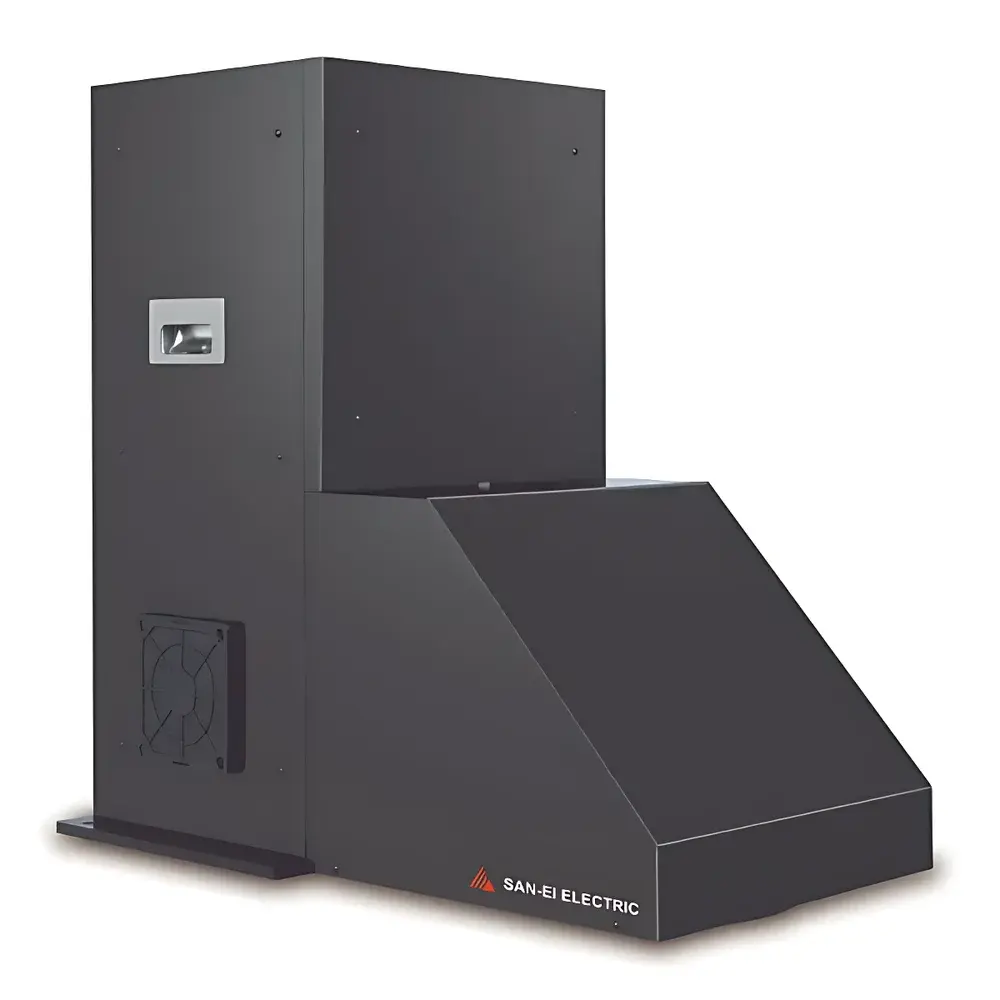
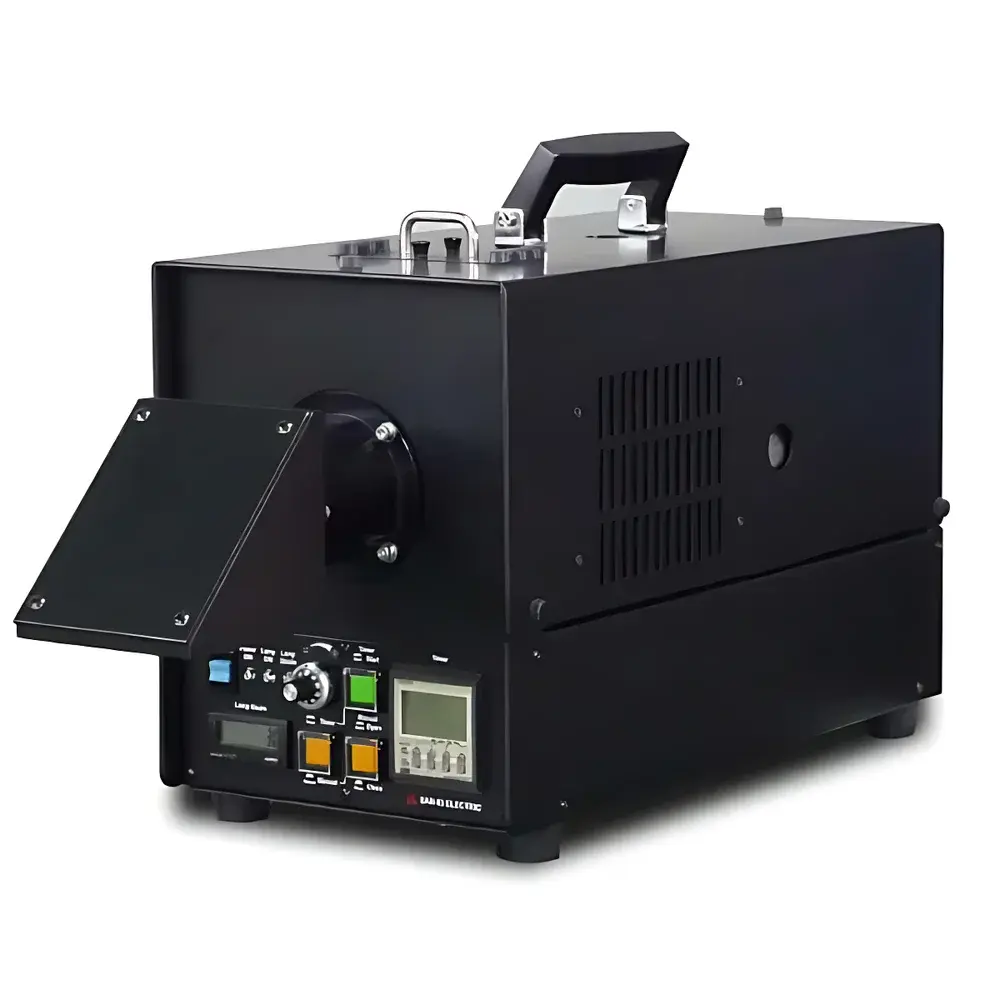
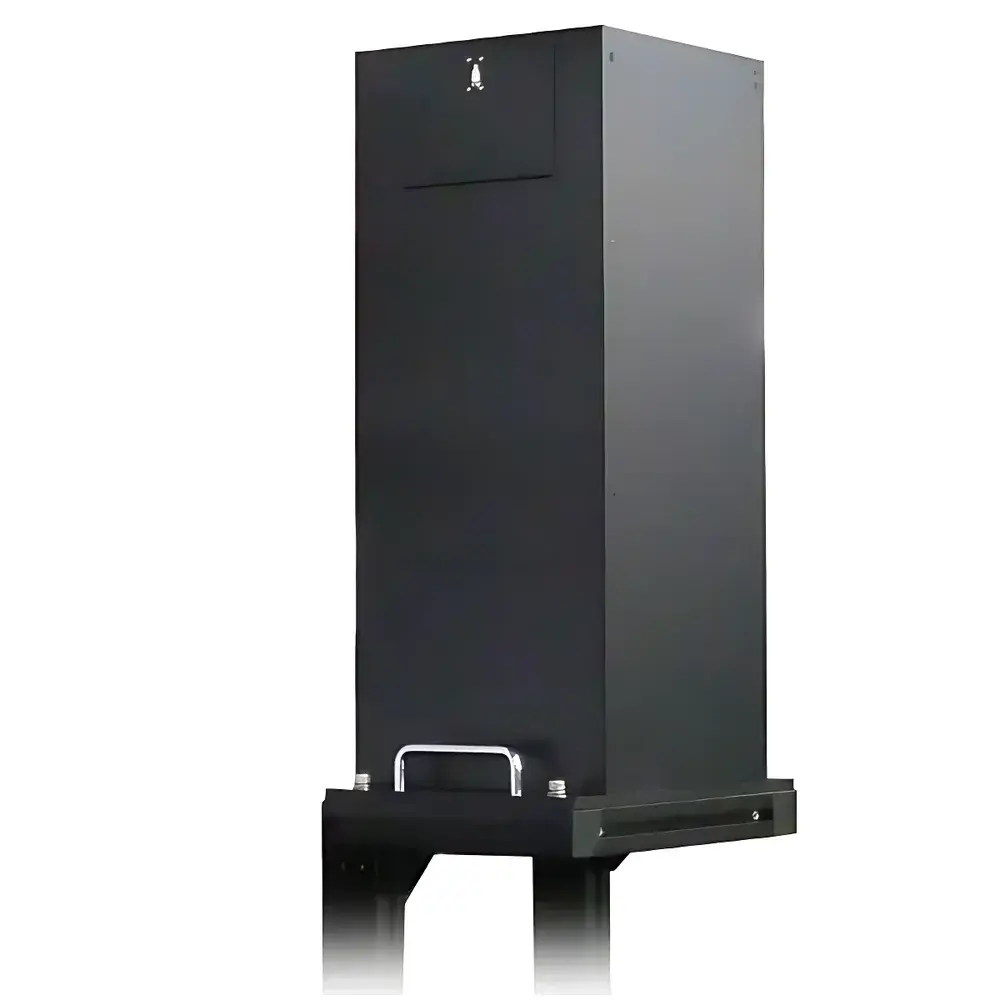
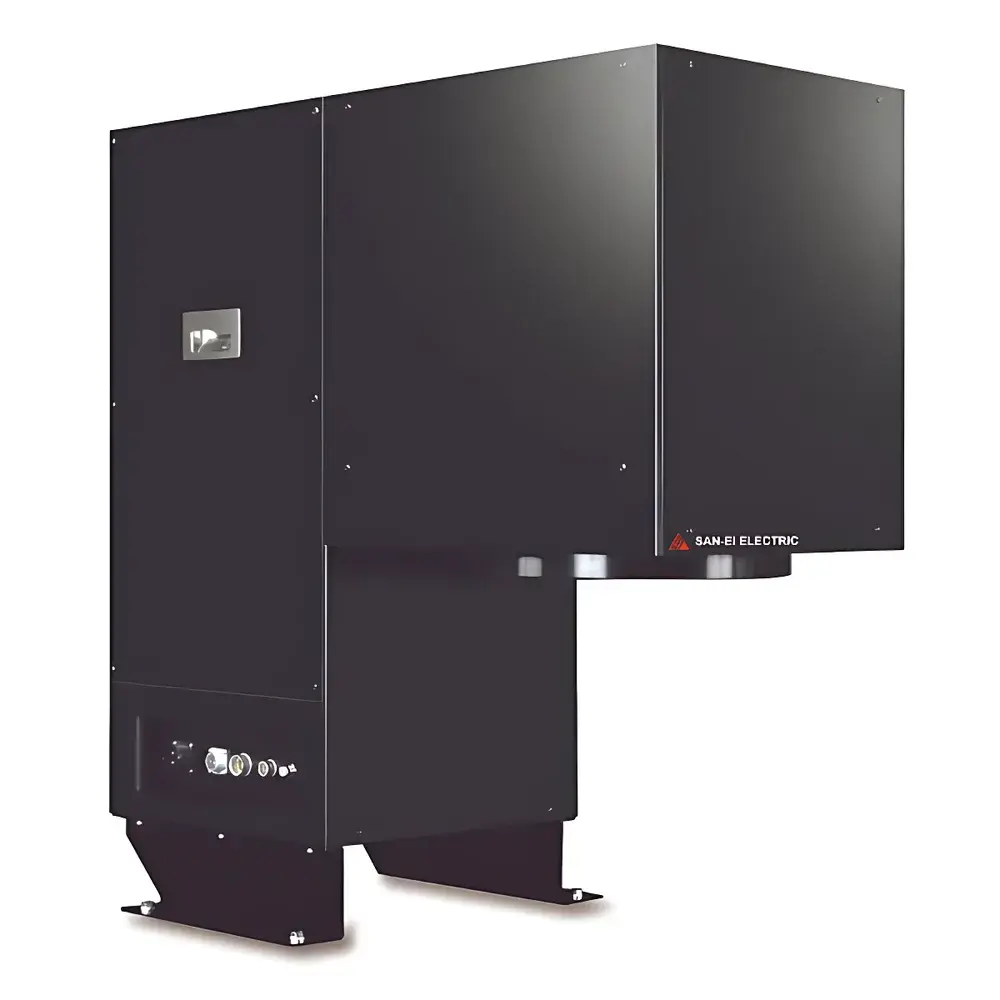
SAN-EI Manual Solar Cell I-V Tester
| Brand | SAN-EI |
|---|---|
| Origin | Japan |
| Type | Manual I-V Tester |
| Solar Simulator Class | A+A+A (Steady-State) |
| Effective Test Area | 40 mm × 40 mm to 300 mm × 300 mm |
| Voltage Measurement Accuracy | 1 µV |
| Current Measurement Accuracy | 10 pA |
| Voltage Accuracy | ±0.015% of reading |
| Current Accuracy | ±0.15% of reading |
| Measurement Repeatability | ±1% |
| Sample Sizes Supported | 2″×2″ to 12″×12″ |
| Compliance | ASTM E927-22, IEC 60904-9 Ed. 3, JIS C 8912 |
Overview
The SAN-EI Manual Solar Cell I-V Tester is a precision-engineered characterization system designed for laboratory-grade photovoltaic (PV) device evaluation under controlled illumination conditions. It integrates a Class A+A+A steady-state solar simulator—certified to meet ASTM E927-22 and IEC 60904-9 Ed. 3 requirements—with a high-fidelity source-measure unit (SMU) optimized for low-noise, high-resolution current-voltage tracing. Unlike pulsed or flash-type simulators, this system delivers continuous, spatially uniform irradiance (typically 1000 W/m², AM1.5G spectrum), enabling stable biasing and time-resolved measurements such as maximum power point tracking (MPPT), light/dark I-V sweeps, and bias-dependent degradation analysis. The instrument operates on a manual positioning principle: users precisely align samples on a vacuum-assisted test stage, apply mechanical contact via custom-designed electrode fixtures, and initiate measurements via dedicated software—ensuring full experimental control without automation-induced variability.
Key Features
- Class A+A+A steady-state solar simulator with spectral match ≤±12%, spatial non-uniformity ≤±2%, and temporal instability ≤±0.5% over 10 s—validated per IEC 60904-9 Ed. 3.
- High-resolution SMU architecture delivering voltage resolution down to 1 µV and current resolution down to 10 pA, supporting accurate extraction of Rs (series resistance), Rsh (shunt resistance), FF (fill factor), and η (power conversion efficiency).
- Vacuum-based sample holder with optional temperature control (−40 °C to +85 °C), enabling thermal stability during extended dark I-V or bias-stress experiments.
- Modular fixture design accommodating standard wafer formats (2″ to 12″ square/round) and custom substrates up to 300 mm × 300 mm active area.
- Forward/reverse sweep capability with user-defined ramp rates, compliance limits, and pause intervals—critical for hysteresis assessment in perovskite and organic PV devices.
- Integrated bias-stability and MPPT modes for accelerated aging studies and dynamic performance mapping under constant illumination.
Sample Compatibility & Compliance
The system supports rigid and flexible photovoltaic structures including silicon wafers (c-Si, mc-Si), thin-film devices (CIGS, CdTe), emerging technologies (perovskites, OPVs, quantum dot cells), and tandem architectures. Electrode configurations include grid-patterned contacts, busbar-free designs, and transparent conductive oxide (TCO)-coated substrates. All measurement protocols adhere to international standards: IEC 60904-1 (photovoltaic current-voltage characteristics), IEC 60904-3 (reference solar spectral irradiance), and ASTM E1036 (electrical performance testing of nonconcentrator terrestrial PV modules). Data audit trails comply with GLP principles; raw I-V datasets are timestamped, instrument-calibrated, and exportable in CSV and HDF5 formats for traceability.
Software & Data Management
The proprietary IVTrace™ software provides a deterministic, scriptable interface for experiment definition, real-time visualization, and post-processing. Core functions include automated parameter extraction (Isc, Voc, Jsc, Vmp, Imp, Pmax, FF, η, Rs, Rsh), differential conductance (dI/dV) analysis, and normalized curve overlay for batch comparison. All measurement sequences are stored with metadata (simulator calibration ID, ambient temperature/humidity, operator ID, fixture configuration). Software supports 21 CFR Part 11–compliant user access control, electronic signatures, and immutable audit logs—enabling use in regulated R&D environments subject to FDA or ISO 17025 accreditation.
Applications
- Baseline efficiency certification of lab-scale solar cells prior to publication or patent filing.
- Comparative analysis of interfacial layers (ETL/HTL), passivation schemes, and contact metallization strategies.
- Light-soaking and bias-stress response quantification for stability benchmarking (e.g., ISOS-L-1, ISOS-D-1 protocols).
- Temperature-dependent I-V characterization to extract activation energies and diode ideality factors.
- Calibration reference for quantum efficiency (QE) and external quantum efficiency (EQE) systems via synchronized illumination control.
- Process development feedback for screen-printing, evaporation, ALD, and solution-processing lines.
FAQ
Does the system support both light and dark I-V measurements?
Yes. The SMU operates independently of the simulator, enabling full I-V and P-V sweeps under illumination (AM1.5G, 1000 W/m²) or complete darkness—with identical resolution and accuracy.
Can it measure time-dependent parameters like MPPT or I-t decay?
Yes. The system includes built-in timed acquisition modes for MPPT tracking (Pmax vs. time), transient photocurrent decay (I-t), and voltage relaxation (V-t) at user-defined bias points.
Is temperature control integrated or optional?
Temperature regulation is an optional module: Peltier-based stage control (−40 °C to +85 °C) with ±0.2 °C stability and real-time thermocouple feedback.
How is calibration traceability maintained?
Each simulator undergoes annual third-party spectral irradiance calibration (NIST-traceable reference cell); SMU calibration is performed per ANSI/NCSL Z540-1 using metrology-grade standards, with certificates provided.
What data formats are supported for export and integration?
CSV (tabular I-V/P-V), HDF5 (structured hierarchical data with metadata), and XML (for LIMS or ELN ingestion); API access available for Python-based automation frameworks.
Related Products







