
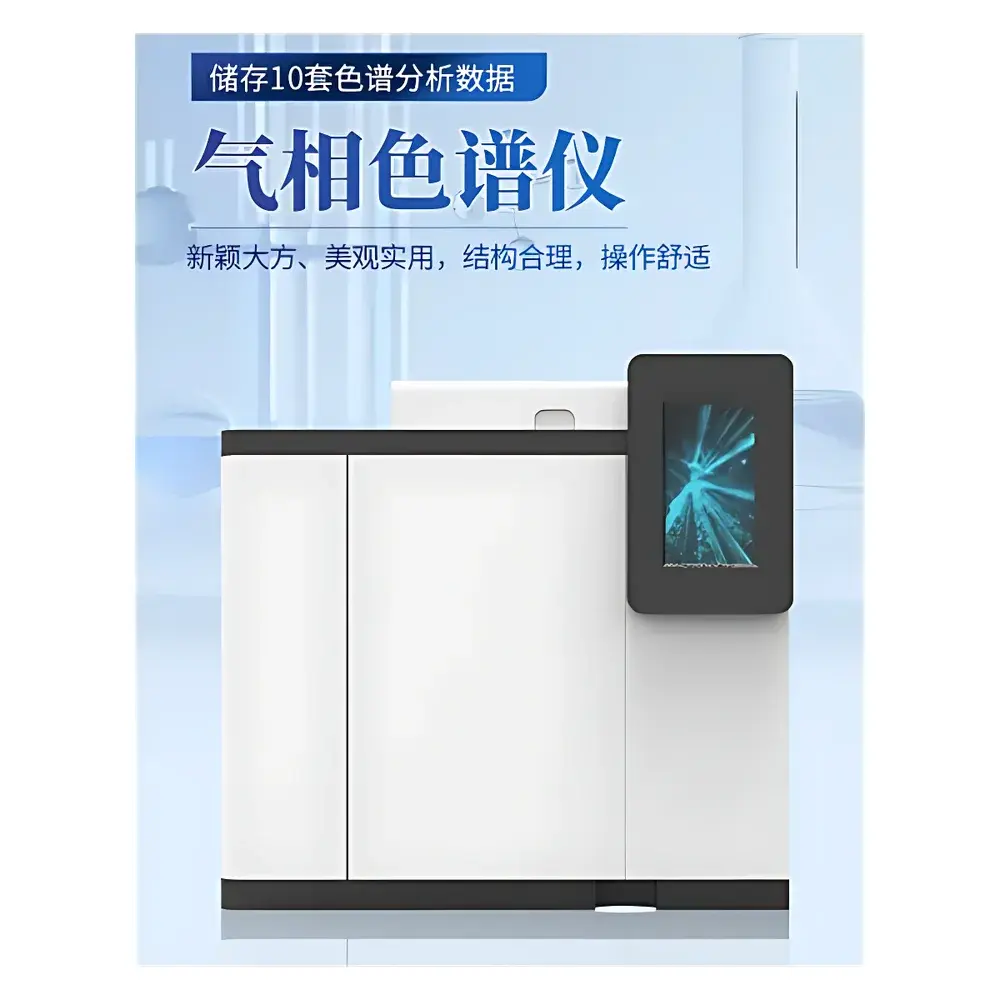
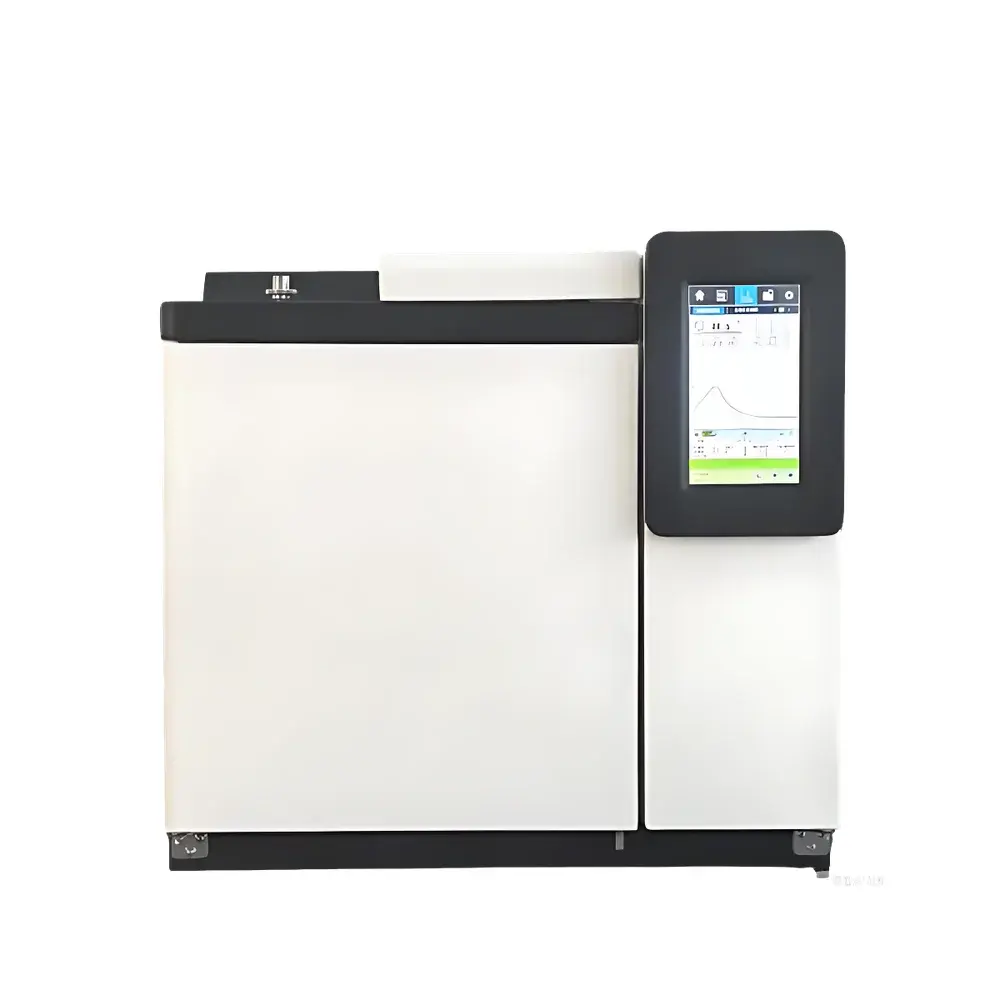
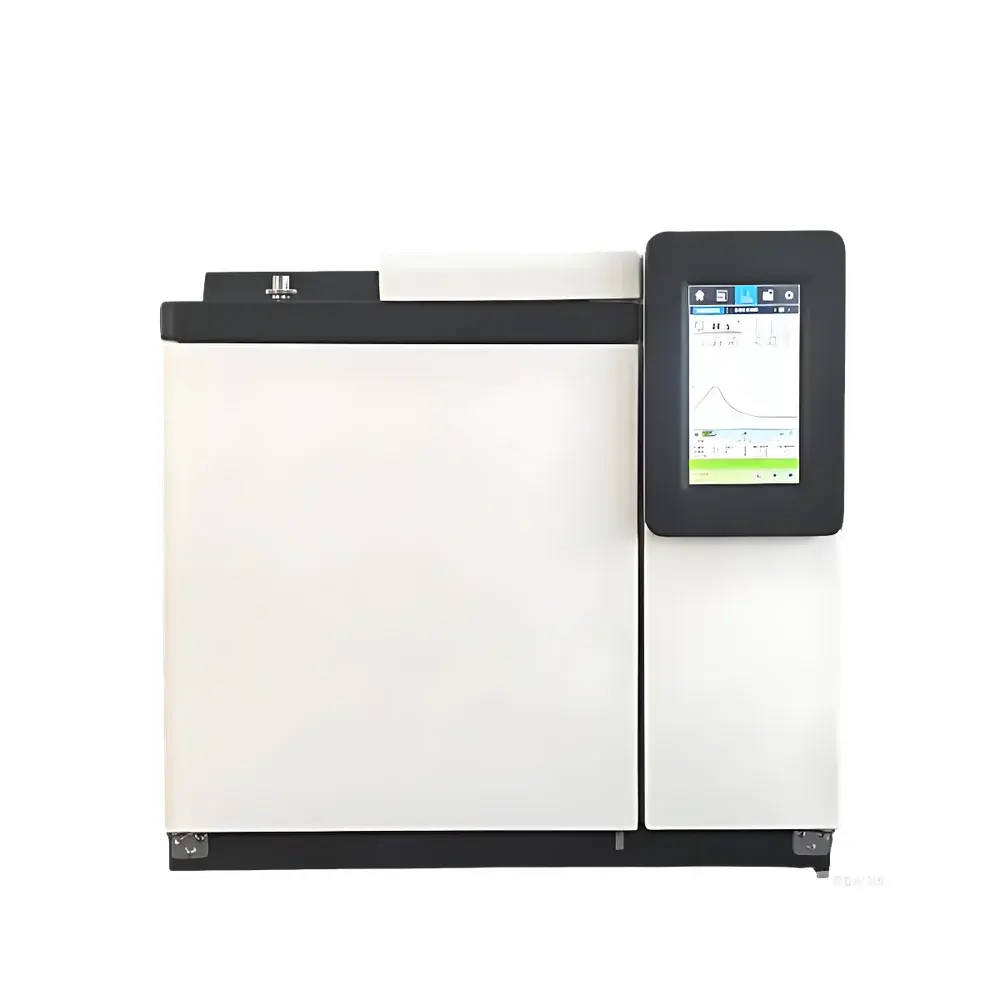
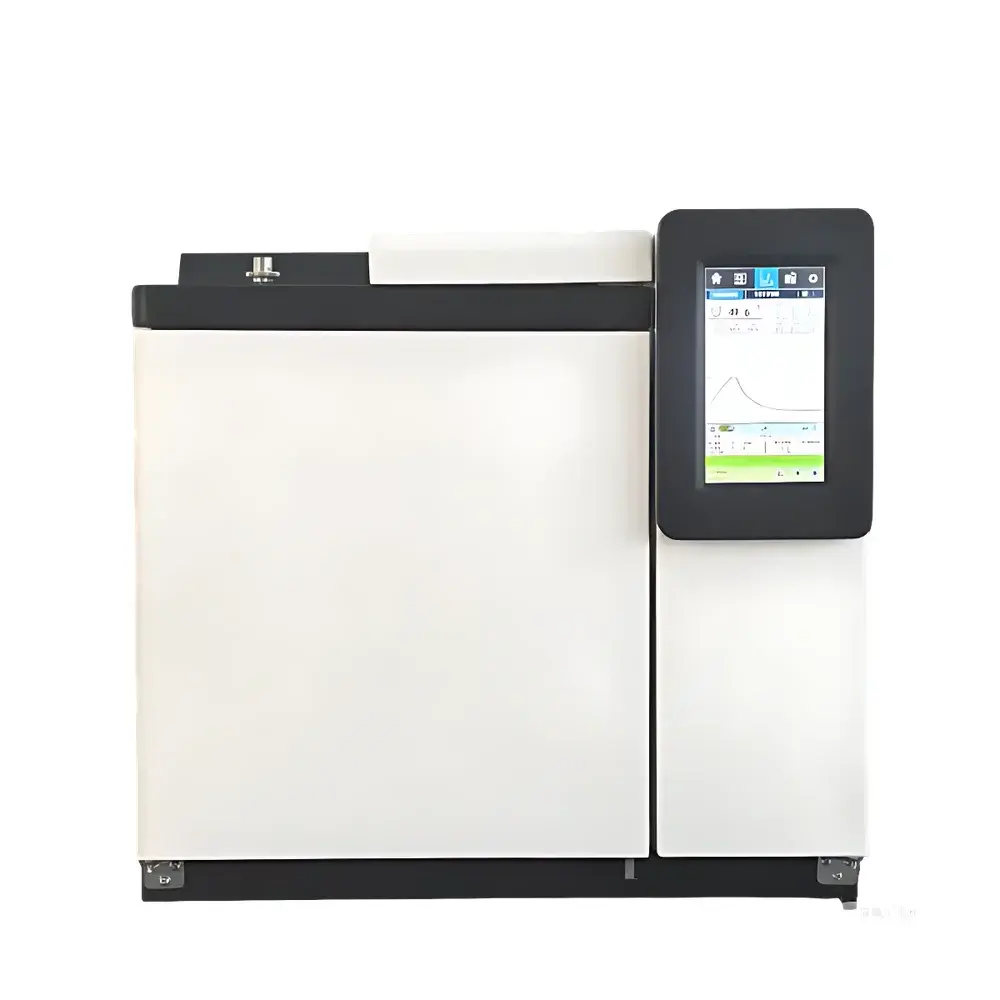
Shandong Luchuang GC-9860T Laboratory Gas Chromatograph
| Brand | Shandong Luchuang |
|---|---|
| Origin | Shandong, China |
| Manufacturer Type | Original Equipment Manufacturer (OEM) |
| Instrument Type | Benchtop Laboratory Gas Chromatograph |
| Application Focus | Petrochemical Industry |
| Temperature Control Range | Ambient +8 °C to 450 °C |
| Maximum Ramp Rate | 65 °C/min |
| Cool-down Time | ≤3.5 min (300 °C → 100 °C at 25 °C ambient) |
| Temperature Stability | ±0.01 °C |
| Programmed Temperature Steps | Up to 99 steps |
| Carrier Gas Flow Range | 0–1200 mL/min (electronically controlled) |
| Carrier Gas Pressure Range | 0–1000 psi (electronically controlled) |
| Detector Options | FID, TCD, ECD, FPD, NPD (up to 4 detectors simultaneously installable) |
| Data System | Integrated IoT-enabled chromatography workstation with remote monitoring, audit trail, and CFR Part 11-compliant reporting modules |
Overview
The Shandong Luchuang GC-9860T is a high-performance, benchtop laboratory gas chromatograph engineered for routine and method-critical analysis in petrochemical laboratories. It operates on the fundamental principle of differential partitioning of volatile and semi-volatile analytes between a mobile phase (inert carrier gas) and a stationary phase (capillary or packed column), enabling precise separation, identification, and quantification based on retention time and detector response. Designed for compliance-driven environments, the GC-9860T integrates hardware-level thermal precision with software-controlled data integrity—meeting core requirements for GLP, GMP, and ISO/IEC 17025 workflows. Its modular architecture supports dual- or multi-detector configurations, facilitating simultaneous detection of hydrocarbons, sulfur compounds, halogenated organics, nitrogen-containing species, and trace contaminants across complex matrices such as crude oil, refinery streams, polymer additives, and environmental extracts.
Key Features
- Precision Temperature Management: Equipped with an advanced thermal control system featuring optimized internal heat exchange pathways and high-resolution platinum resistance thermometers (PRTs), the oven delivers ±0.01 °C temperature stability and uniformity across the full 100–350 °C operating range. Supports up to 99-step programmable temperature gradients with ramp rates from 0.1 to 65 °C/min and rapid cool-down (≤3.5 min from 300 °C to 100 °C).
- Modular Multi-Detector Architecture: Accepts up to four independently configurable detectors—including Flame Ionization (FID), Thermal Conductivity (TCD), Electron Capture (ECD), Flame Photometric (FPD), and Nitrogen-Phosphorus (NPD)—in any combination. TCD configuration includes dual post-column makeup gas channels, enabling flexible use with single-column, dual-column, or capillary column setups.
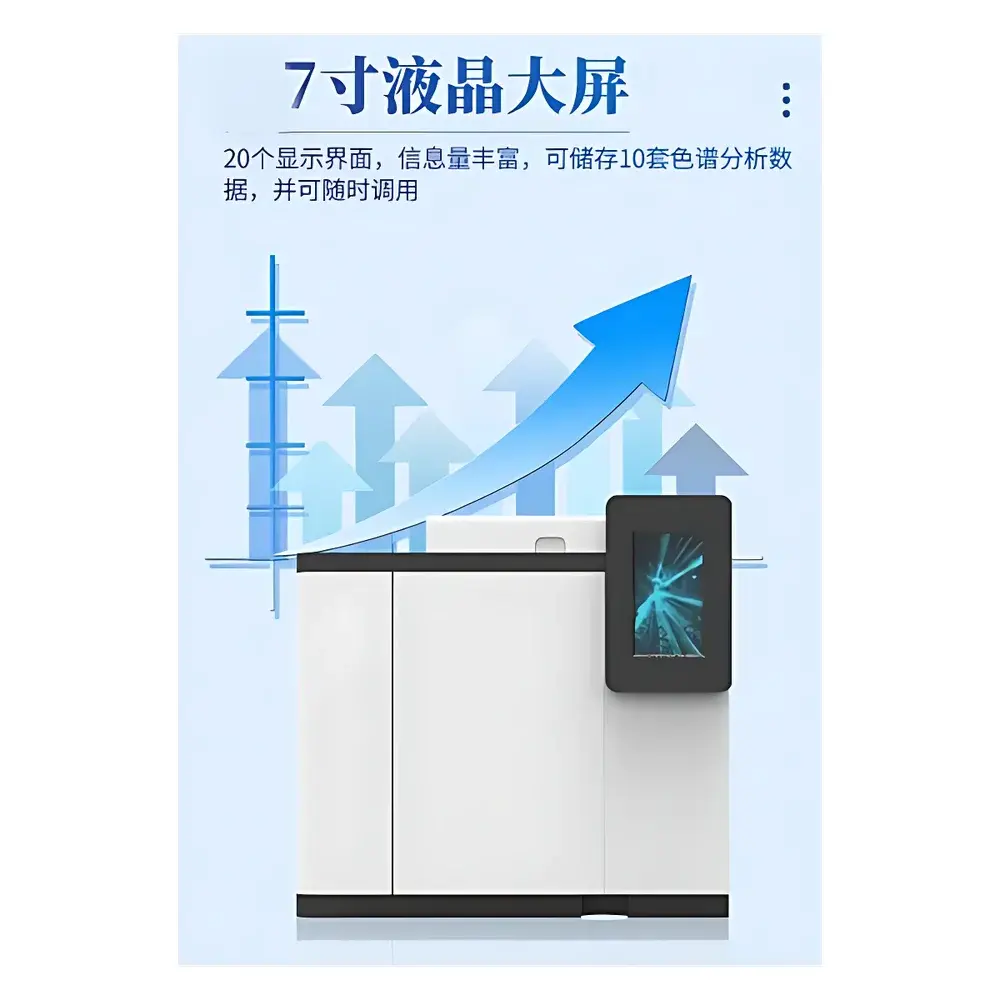
- Intelligent Touch Interface: A 7-inch capacitive color touchscreen provides direct access to method setup, real-time status monitoring, and diagnostic feedback. All parameters—including inlet pressure, flow rate, detector gain, and oven temperature—are displayed digitally with electronic transducer readouts, eliminating mechanical gauges and reducing calibration drift.
- Multi-Port Inlet System: Accommodates up to three independent inlets with six optional configurations (split/splitless, PTV, on-column, cold-on-column, gas sampling valve, and headspace interface), supporting diverse sample introduction strategies without hardware reconfiguration.
- Robust Gas Control System: Fully electronic pneumatic control (EPC) for carrier, make-up, and fuel gases ensures reproducible flow and pressure delivery (0–1200 mL/min; 0–1000 psi), with active compensation for ambient temperature and backpressure fluctuations.
Sample Compatibility & Compliance
The GC-9860T is validated for use with liquid, gaseous, and volatile solid samples commonly encountered in petrochemical QA/QC, including gasoline fractions, diesel distillates, liquefied petroleum gas (LPG), natural gas condensates, and catalyst effluents. Column compatibility spans standard fused-silica capillaries (0.1–0.53 mm ID), packed stainless steel columns, and microbore PLOT columns. The instrument meets ASTM D3606, D5599, D6730, and IP 540 specifications for hydrocarbon group-type analysis and sulfur speciation. Its embedded operating system supports 21 CFR Part 11-compliant user authentication, electronic signatures, and immutable audit trails for raw data acquisition, processing events, and method changes—enabling seamless integration into FDA-regulated or ISO 17025-accredited laboratories.
Software & Data Management
The integrated chromatography data system (CDS) runs on a Linux-based IoT platform with web-accessible remote operation capability. It provides real-time instrument status visualization, automated baseline correction, peak integration using iterative Gaussian deconvolution, and customizable report templates compliant with LIMS export standards (ASTM E1382, ANSI/NIST SP 800-111). Calibration curves support weighted linear, quadratic, and polynomial regression with forced zero-intercept options. All data files are stored in vendor-neutral .cdf format (compatible with OpenChrom and Chromeleon), and raw signal archives include timestamped metadata (oven temp, detector voltage, flow setpoints, and user login context). Audit logs record every user action—including method edits, integration parameter adjustments, and result approvals—with SHA-256 hashing for forensic integrity verification.
Applications
- Hydrocarbon group-type analysis (PIONA, ASTM D5134/D6730) in reformulated gasoline and naphtha feedstocks
- Sulfur compound profiling (mercaptans, sulfides, thiophenes) per ASTM D5623 and UOP 957
- Oxygenate quantification (MTBE, ETBE, ethanol) in motor fuels per ASTM D4815
- Residual solvent testing in polymer manufacturing per USP and ICH Q3C(R8)
- Trace chlorinated hydrocarbon detection in refinery wastewater per EPA Method 8021B
- Gas composition analysis (H2, O2, N2, CO, CO2, CH4) using TCD with argon carrier and molecular sieve columns
FAQ
What is the maximum number of detectors that can operate simultaneously?
Up to four detectors may be installed and operated concurrently, including combinations such as dual FID, dual TCD, or mixed-mode configurations (e.g., FID + ECD + TCD).
Does the GC-9860T support method transfer from legacy Agilent or Thermo instruments?
Yes—the CDS accepts imported method files in .msd and .ch format and auto-maps parameters to equivalent GC-9860T hardware controls, preserving retention time windows and integration settings.
Is column bleed compensation available during high-temperature runs?
The system implements real-time baseline subtraction using dynamic reference channel acquisition, minimizing column bleed artifacts above 350 °C without requiring manual offset adjustments.
Can the instrument be integrated into a central LIMS environment?
Native HL7 and ASTM E1382-compliant API endpoints enable bidirectional data exchange with major LIMS platforms, including LabVantage, STARLIMS, and Thermo SampleManager.
What validation documentation is supplied with the instrument?
Each unit ships with Factory Acceptance Test (FAT) reports, IQ/OQ protocols aligned with ASTM E2656 and ISO/IEC 17025 Annex A.3, and a complete set of electronic calibration certificates traceable to NIST SRMs.




