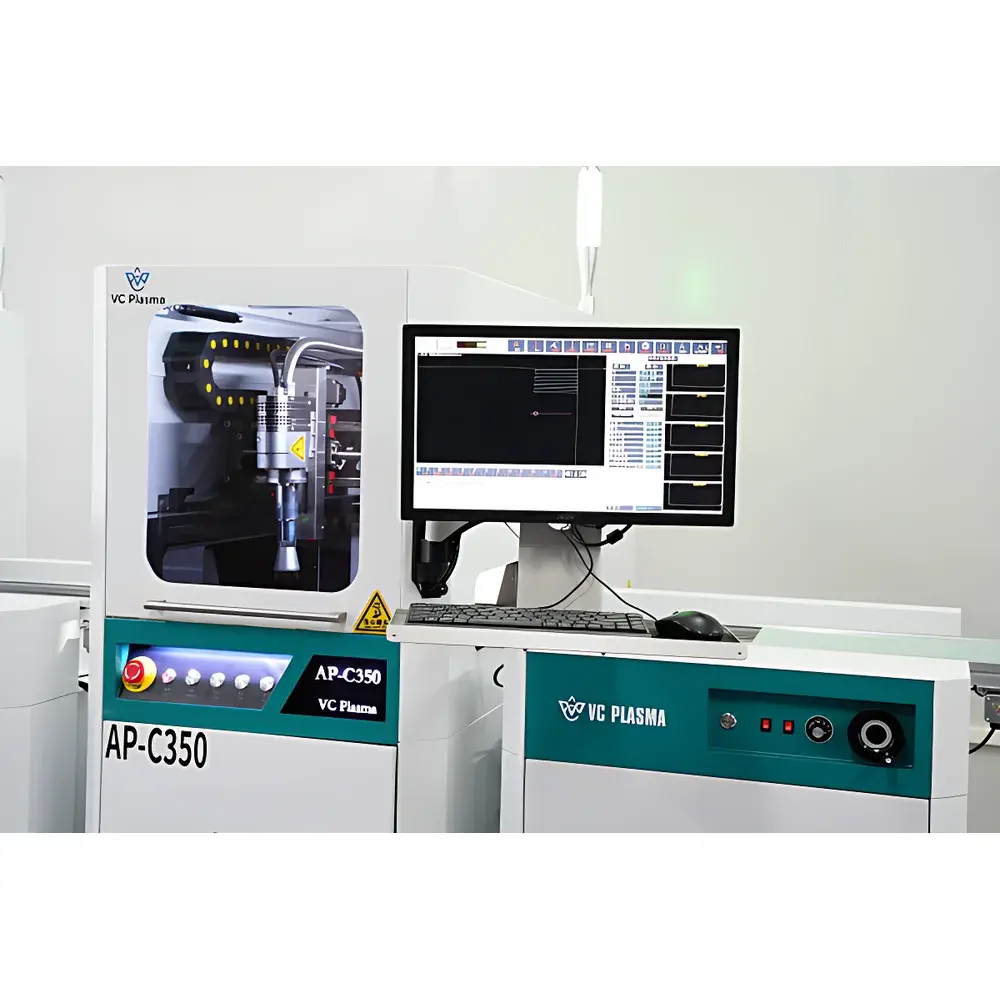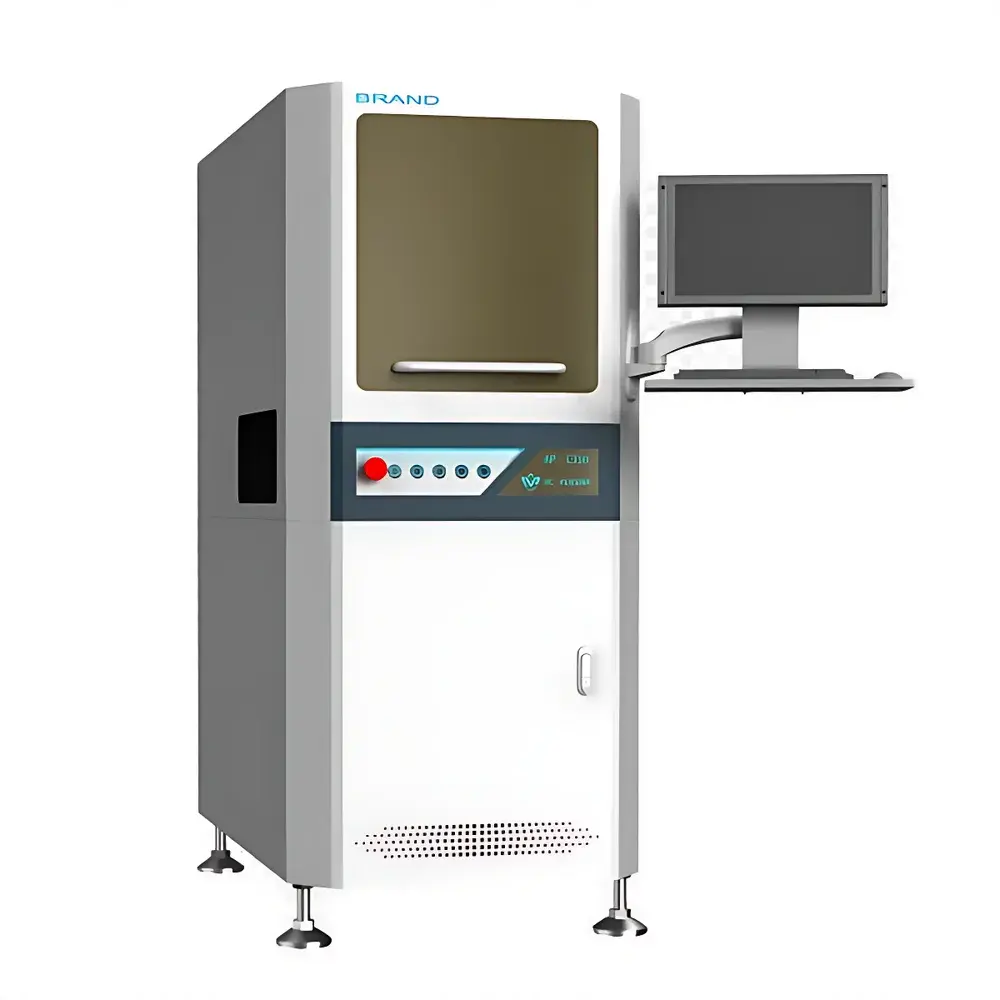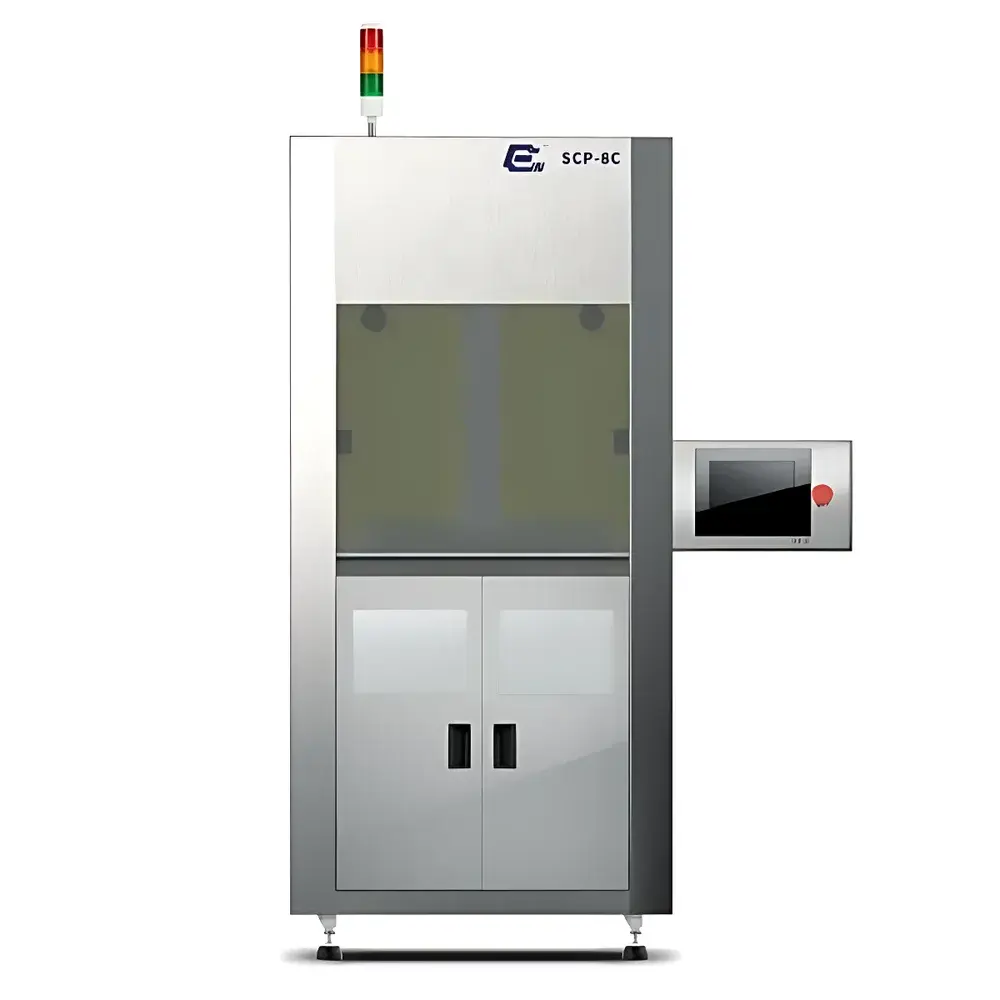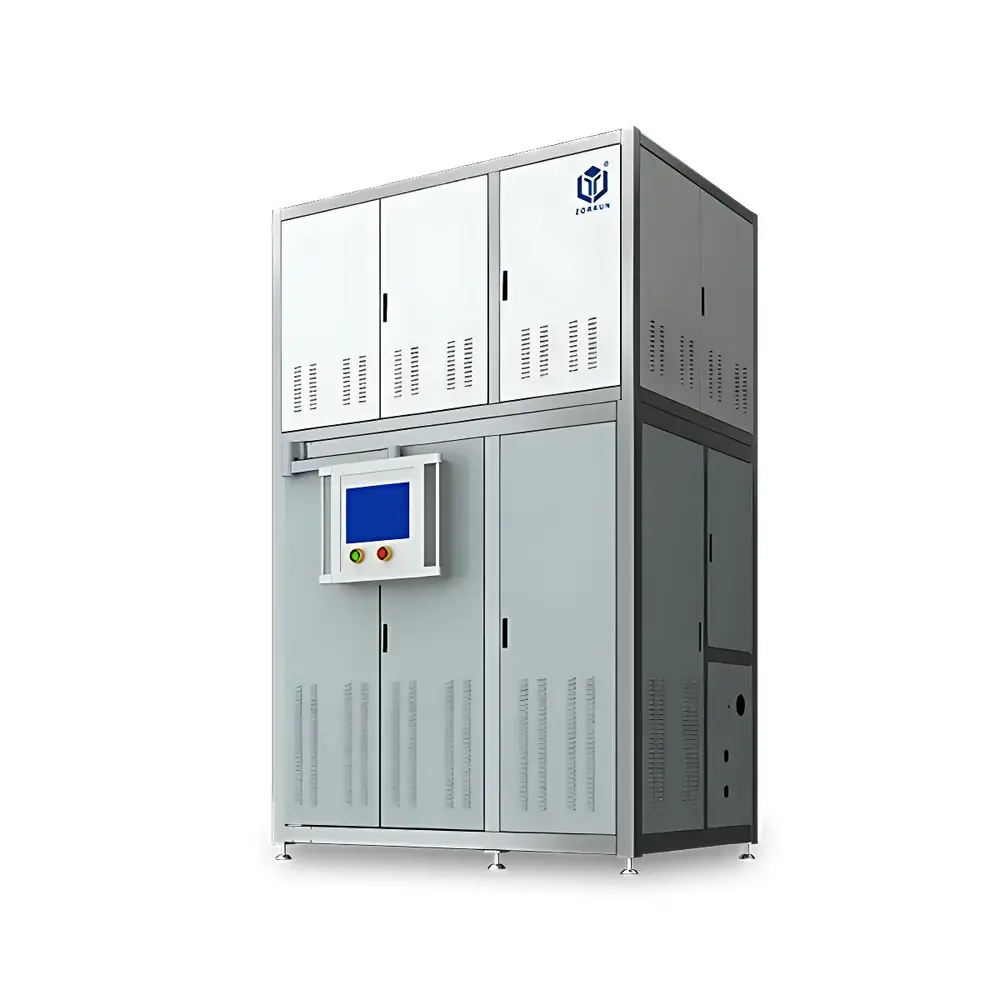
SHNTI IPS Series Intelligent PVT SiC Crystal Growth Furnace
| Brand | SHNTI |
|---|---|
| Origin | Shanghai, China |
| Manufacturer Type | Authorized Distributor |
| Product Category | Domestic |
| Model | IPS Series SiC Crystal Growth System |
| Crystal Types | Silicon Carbide (SiC) only |
| Max. Crystal Diameter | 6-inch and 8-inch |
| Typical Boule Length (Constant-Diameter Section) | 20–30 mm |
| Base Vacuum | ≤5.0 × 10⁻⁵ Pa |
| Pressure Rise Rate | ≤3 Pa / 12 h |
| Microtube Density (6″ P-type Substrate) | <0.5 cm⁻² |
| Resistivity Range (6″ P-type) | 0.015–0.028 Ω·cm |
| Cooling System | Dual-loop water cooling with real-time temperature & flow monitoring |
| Heating Method | Optimized RF induction coil architecture |
| Process Control | Fully integrated PIM self-diagnostic module + multi-stage PID thermal profiling |
Overview
The SHNTI IPS Series Intelligent Physical Vapor Transport (PVT) SiC Crystal Growth Furnace is a high-precision, vertically integrated thermal system engineered for the controlled synthesis of bulk silicon carbide (SiC) single crystals under ultra-high vacuum and precisely regulated temperature gradients. Based on the physical vapor transport principle—where sublimed SiC powder condenses onto a seed crystal in a steep axial thermal gradient—the IPS furnace enables reproducible growth of 6-inch and 8-inch diameter boules with industrial-grade structural integrity. Its design addresses core challenges in wide-bandgap semiconductor manufacturing: minimizing micropipe formation, suppressing axial segregation, and ensuring radial thermal uniformity across large-diameter growth interfaces. The system operates within a sealed graphite crucible environment surrounded by multi-zone induction heating, enabling independent control of source, growth, and insulation zones to stabilize the vapor-phase supersaturation profile critical for defect-suppressed crystallization.
Key Features
- Ultra-high vacuum chamber with base pressure ≤5.0 × 10⁻⁵ Pa and pressure rise rate ≤3 Pa/12 h—ensuring low oxygen partial pressure and minimal impurity incorporation during prolonged high-temperature operation (up to 2,500 °C).
- Intelligent Process Integration Module (PIM)—a proprietary self-diagnostic subsystem that continuously verifies thermocouple calibration, power delivery stability, vacuum integrity, and cooling loop performance prior to and during each growth run, reducing unplanned process aborts.
- Multi-segment RF induction coil architecture with dynamic impedance matching—engineered to deliver radially symmetric heat flux distribution across 6″ and 8″ crucible configurations, minimizing thermal stress-induced cracking and promoting uniform axial growth velocity.
- Dual-channel closed-loop water cooling system with inline flow meters and PT100 temperature sensors at all critical junctions—enabling real-time thermal feedback to maintain stable cold-wall boundary conditions and suppress parasitic convection in the growth zone.
- Integrated process controller with synchronized data acquisition (100 Hz sampling) for temperature, pressure, power, coolant parameters, and chamber atmosphere composition (optional residual gas analysis interface), supporting full traceability per ISO 9001 and IATF 16949 requirements.
Sample Compatibility & Compliance
The IPS furnace is validated exclusively for silicon carbide (4H- and 6H-SiC polytypes) crystal growth via PVT. It accommodates standard graphite crucibles with SiC source material (≥99.9995% purity) and conductive or semi-insulating SiC seed wafers (off-axis 4°). The system complies with CE machinery directive 2006/42/EC and electromagnetic compatibility (EMC) directive 2014/30/EU. All vacuum components meet ASTM F2781 specifications for ultra-high vacuum service; graphite hot-zone materials are certified per ISO 8502-3 for low metallic ash content. Optional integration with GLP/GMP-compliant audit trails supports FDA 21 CFR Part 11 readiness for qualified production environments.
Software & Data Management
The IPS Control Suite is a Windows-based SCADA platform supporting recipe-driven operation, real-time thermal mapping visualization, and automated log export in CSV and HDF5 formats. Each growth cycle generates a timestamped, digitally signed archive containing raw sensor streams, setpoint trajectories, alarm logs, and PIM diagnostic reports. Role-based access control (RBAC) enforces user privilege levels (Operator, Technician, Engineer, Administrator), while optional SQL Server backend enables centralized historical trend analysis and SPC charting aligned with ISO/IEC 17025 laboratory management standards.
Applications
- Growth of 6-inch and 8-inch 4H-SiC boules for power device-grade substrates (resistivity 0.015–0.028 Ω·cm, microtube density <0.5 cm⁻²).
- In-situ high-purity SiC powder synthesis and pre-sintering under controlled stoichiometric atmosphere.
- Post-growth high-temperature annealing (up to 2,200 °C) for defect engineering and carrier lifetime optimization.
- R&D-scale parameter screening for dopant incorporation (N, Al, V), growth rate optimization, and thermal gradient sensitivity studies.
- Qualification of alternative crucible geometries, insulation configurations, and seed mounting strategies under GMP-aligned documentation protocols.
FAQ
What crystal polytypes can be grown using the IPS system?
The IPS furnace is optimized for 4H- and 6H-SiC polytype growth. Other polytypes (e.g., 15R, 3C) may be achievable with customized thermal profiles and seed orientation, subject to feasibility assessment.
Is the system compatible with automated seed loading/unloading?
Standard configuration includes manual seed insertion via top-loading vertical chamber design. Robotic integration is available as an OEM option with ISO Class 5 cleanroom-rated load-lock interface.
Does the system support inert gas purging during cool-down?
Yes—integrated mass flow controllers enable programmable Ar or N₂ backfill sequences with adjustable ramp rates and final pressure hold, minimizing thermal shock and surface oxidation.
Can resistivity be tuned across the boule radius?
Radial resistivity variation is minimized (<±8% across 6″ diameter) through active thermal field shaping and optimized dopant feed geometry; full boule mapping requires post-growth four-point probe metrology.
What maintenance intervals are recommended for the induction coil and vacuum pumps?
Induction coil inspection every 200 operational hours; turbomolecular pump bearing replacement every 12,000 hours or per manufacturer specification; vacuum gauge recalibration annually or after exposure to >10⁻² Pa partial pressure events.